
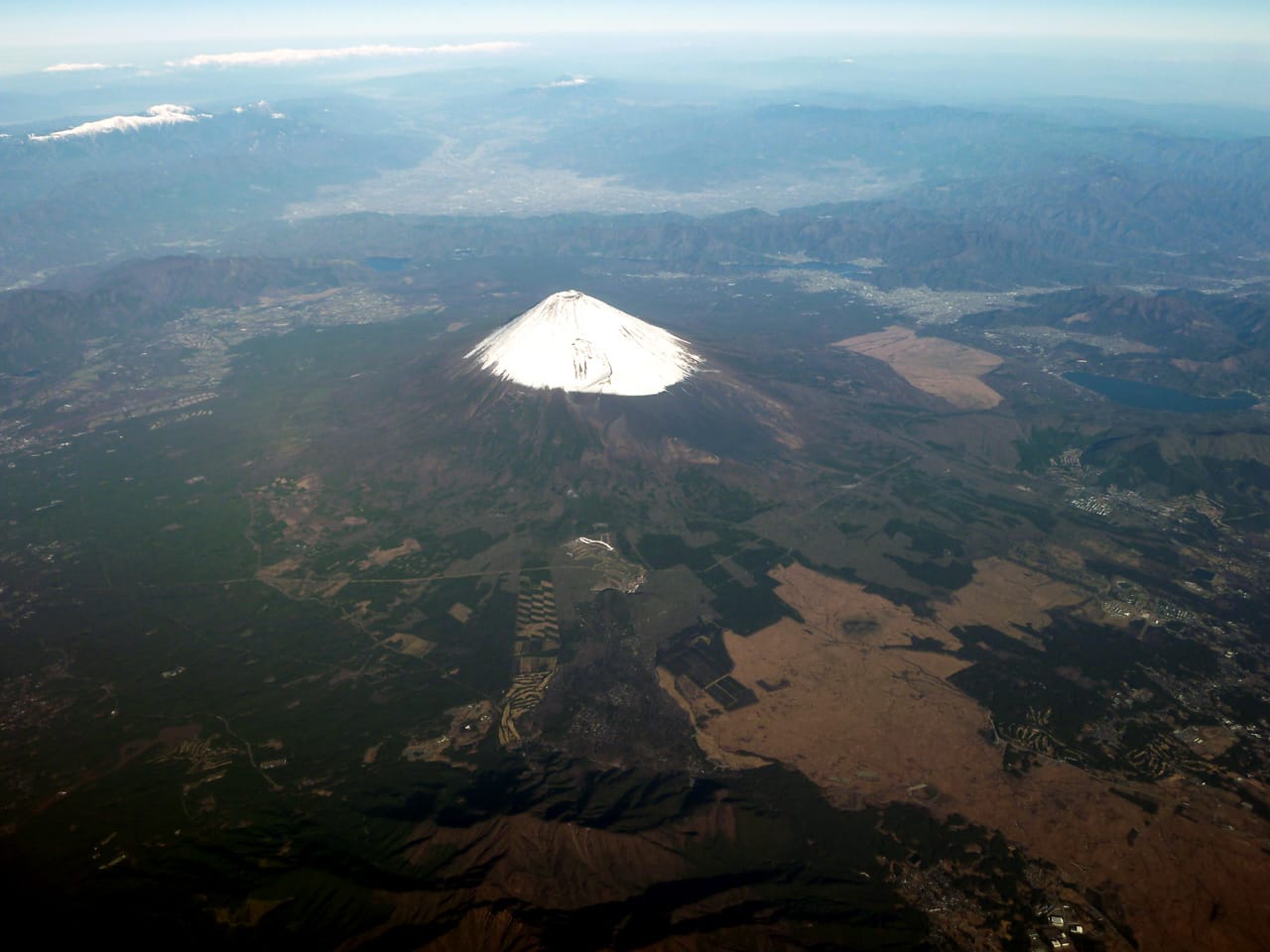
Mt. Fuji From Above – Aerial Views and Surrounding Summit Perspectives
Your complete guide to Fuji aerial photography across Yamanashi and Shizuoka. Best seasons, how to get there, top viewpoints, and practical tips.
Feb 22, 2026·✍️ olablog·⏱ 5 min read
Your complete guide to Fuji aerial photography across Yamanashi and Shizuoka. Best seasons, how to get there, top viewpoints, and practical tips.
Tap a region to browse articles
Japan has long been a bucket-list destination for nature lovers — and the aerial views of Mt. Fuji across Yamanashi and Shizuoka prefectures rank among the most jaw-dropping landscapes the country has to offer. Getting here isn't just a trip; it's a full sensory immersion into raw natural beauty where every vantage point earns a genuine double-take.
1. What Makes Fuji From Above So Special
The aerial perspectives of Mt. Fuji are genuinely in a league of their own. The moment the iconic cone fills your frame — whether through a plane window at 35,000 feet or from a neighbouring ridge — Yamanashi and Shizuoka unfold below like an oil painting that no filter could improve. Light shifts dramatically throughout the day: electric gold at dawn, dusty rose at dusk, and every shade in between.
The roads and trails leading to these viewpoints are part of the experience too. Winding through mountain passes, sweeping across highland plateaus, and skirting lakeshores, the routes to Fuji's best vantage points are genuinely scenic in their own right. Travellers consistently say the journey feels as rewarding as the destination — a proper road-trip rather than a checkbox excursion.
2. Must-Visit Photo Spots
The Fuji aerial zone spanning Yamanashi and Shizuoka is packed with viewpoints — from the famous to the genuinely off-the-beaten-path. Here are the ones worth building your itinerary around:
Main observation deck: A sweeping 180-degree panorama of Mt. Fuji. Sunrise and sunset here are widely regarded as the best in the region — set your alarm.
The ancient tree avenue: Century-old trees form a dramatic green tunnel overhead, spectacular in spring (cherry blossoms), autumn (fiery foliage), and winter (snow-dusted branches).
The reflection lake/river: A nearby lake or calm river mirrors the mountain like a giant natural mirror — perfect for those symmetrical shots your Instagram feed deserves.
Summit viewpoint: Hike or drive to the highest accessible point in the area for a full panorama across both Yamanashi and Shizuoka prefectures.
3. Best Times to Visit
Every season brings something different to Mt. Fuji's aerial views, but the sweet spots are April, November, and February. During these windows:
- Weather is at its most stable, ideal for photography and driving
- Seasonal scenery peaks — spring blossoms, autumn colour, and winter snowscapes respectively
- Natural light is best for photography between 6–9 a.m. and 4–6 p.m.
- Crowds are manageable — busy enough to feel alive, not so packed that you're elbowing for a tripod spot
If you visit in winter, expect ethereal snow-covered scenery — stunning, but mountain passes can ice over, so check road conditions before you head out. Spring and autumn are classic for good reason and rarely disappoint.
4. The Best Way to Explore — Hit the Road
The single best way to experience Fuji's aerial viewpoints and the wider Yamanashi/Shizuoka region is by car. Driving gives you the freedom to pull over the moment a view demands it, spend as long as you like at each spot, and reach the hidden lookouts that no JR train or local bus comes close to. Think of it as your own private director's cut of the journey.
Roads around the Fuji aerial zone are well-maintained and well-signed, with regular rest stops (michi-no-eki) spaced sensibly along mountain and lakeside routes — perfect for stretching your legs and grabbing a coffee.
✨ Pro tip: Rent a car through OlaChill and explore Mt. Fuji's viewpoints entirely on your own schedule — chauffeur-driven or self-drive options available.
5. Sample 1–2 Day Itinerary
Day 1
- 6:00 a.m. – Arrive at the main observation deck for sunrise; catch Mt. Fuji in that golden first light
- 8:00 a.m. – Breakfast at a local restaurant — try regional Yamanashi specialities like hōtō noodles
- 9:30 a.m. – Drive the main scenic route, stopping at viewpoints along the way
- 12:00 p.m. – Lunch at a michi-no-eki rest stop or roadside restaurant
- 2:00 p.m. – Explore secondary spots: historic villages, waterfalls, nearby lakes
- 5:00 p.m. – Check in to your hotel or a traditional ryokan
- 6:30 p.m. – Soak in the onsen (if your accommodation has one), then settle in for a kaiseki dinner
Day 2
- 7:00 a.m. – Breakfast and an early start to beat the crowds
- 8:30 a.m. – Secondary scenic route or a lesser-known viewpoint
- 11:00 a.m. – Shoot the reflection lake at its calmest
- 1:00 p.m. – Lunch and a leisurely wind-down
- 3:00 p.m. – Head to your next destination or begin the return journey
6. Practical Tips
- 📷 Golden hour is non-negotiable: The 30 minutes before and after sunrise/sunset deliver the best light — no excuses for missing it
- 🚗 Book your rental car early: Especially during peak windows (April, November, February), secure your vehicle at least one to two weeks ahead
- ⛽ Fill up before you head out: Gas stations can be sparse in rural Yamanashi and Shizuoka — don't gamble on finding one at the top of a mountain pass
- 📱 Download offline maps: Save the Yamanashi/Shizuoka region in Google Maps before you leave — cell signal in the mountains is unreliable at best
- 🍙 Stock up at a convenience store: 7-Eleven and FamilyMart are your best friends on a long drive — onigiri, sandwiches, hot coffee, the works
- ☁️ Always check the forecast: Critical in winter and during Japan's rainy season (June–July) — Mt. Fuji has a habit of hiding behind clouds precisely when you want to photograph it.
More from this region — Mt. Fuji
View all →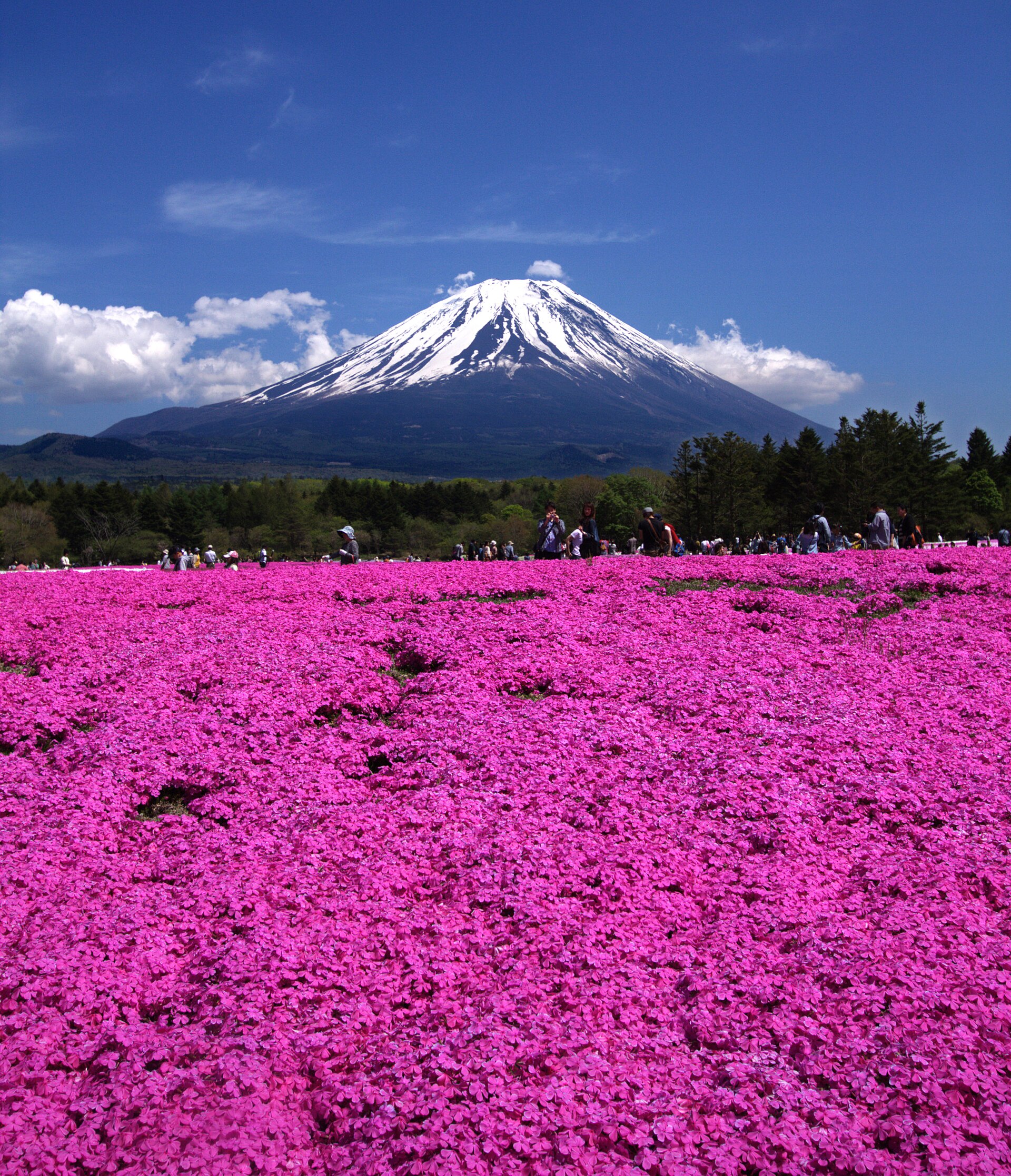
Mt Fuji Day Trip by Private Van: Lakes, Views and the Fifth Station
8 min · tips
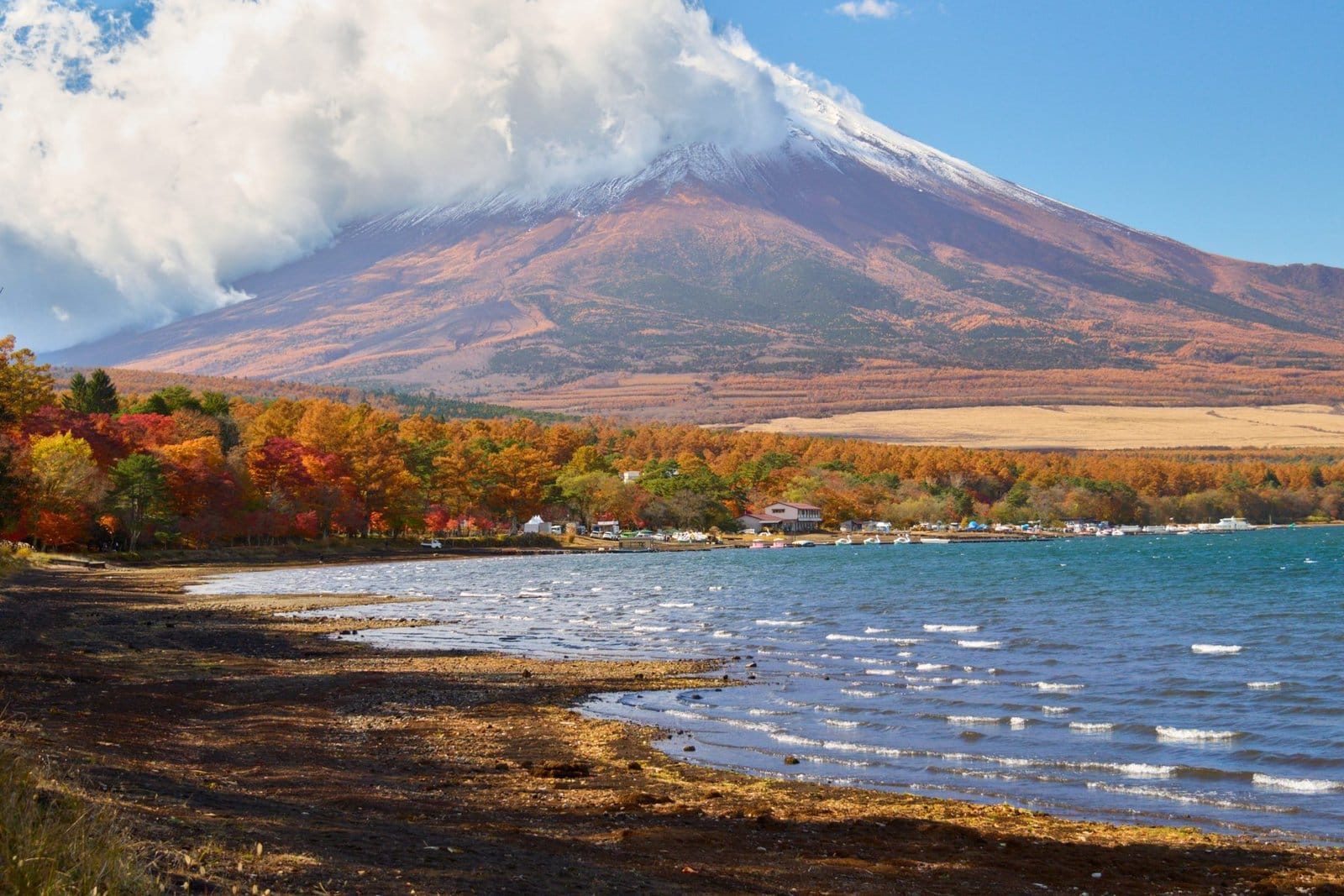
Autumn Foliage Around Mount Fuji: Momiji Corridor and Fuji Five Lakes
7 min · seasonal
Hakone Onsen Group Trips by Charter Bus
8 min · tips
Oshino Hakkai – 8 Sacred Springs with a Crystal-Clear View of Mount Fuji
5 min · destinations