Oshino Hakkai – 8 Sacred Springs with a Crystal-Clear View of Mount Fuji
Your complete guide to Oshino Hakkai, Yamanashi: the best time to visit, how to get there, top photo spots, and a ready-to-use 1–2 day itinerary.
Apr 8, 2026·✍️ olablog·⏱ 5 min read
Your complete guide to Oshino Hakkai, Yamanashi: the best time to visit, how to get there, top photo spots, and a ready-to-use 1–2 day itinerary.
Tap a region to browse articles
Japan has a knack for hiding its best work — and Oshino Hakkai, tucked into the foothills of Yamanashi Prefecture, is exactly the kind of place that makes you wonder how it didn't end up on every Lonely Planet cover. This isn't just a stop on a Fuji itinerary; it's the sort of scene that makes you pull over, kill the engine, and just stare.
1. What Makes Oshino Hakkai Special
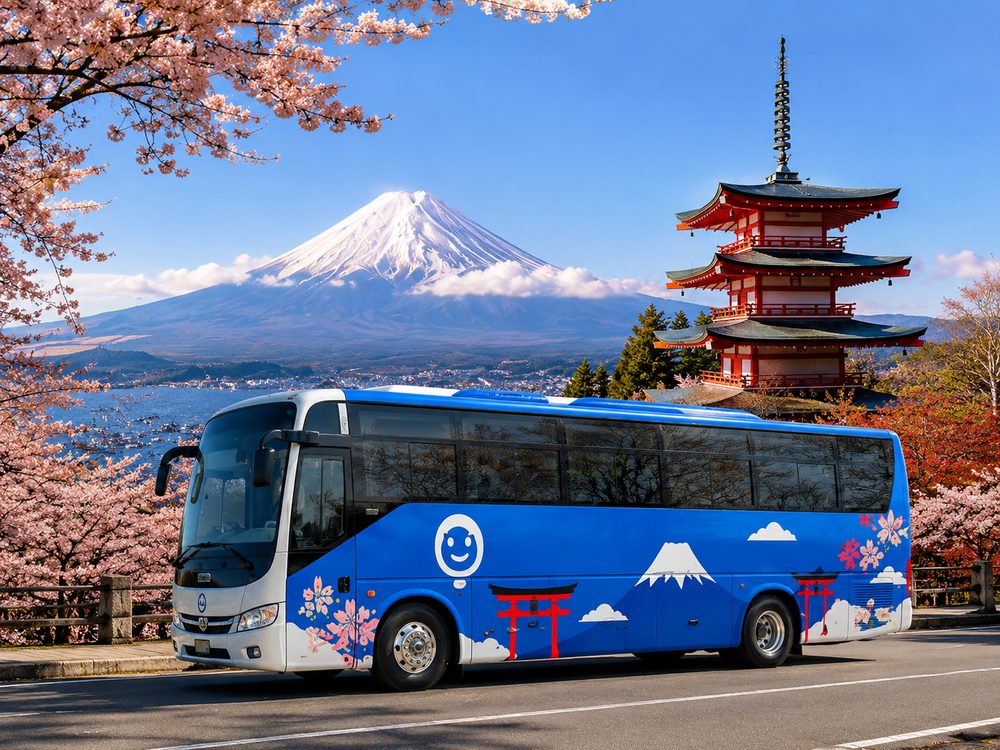
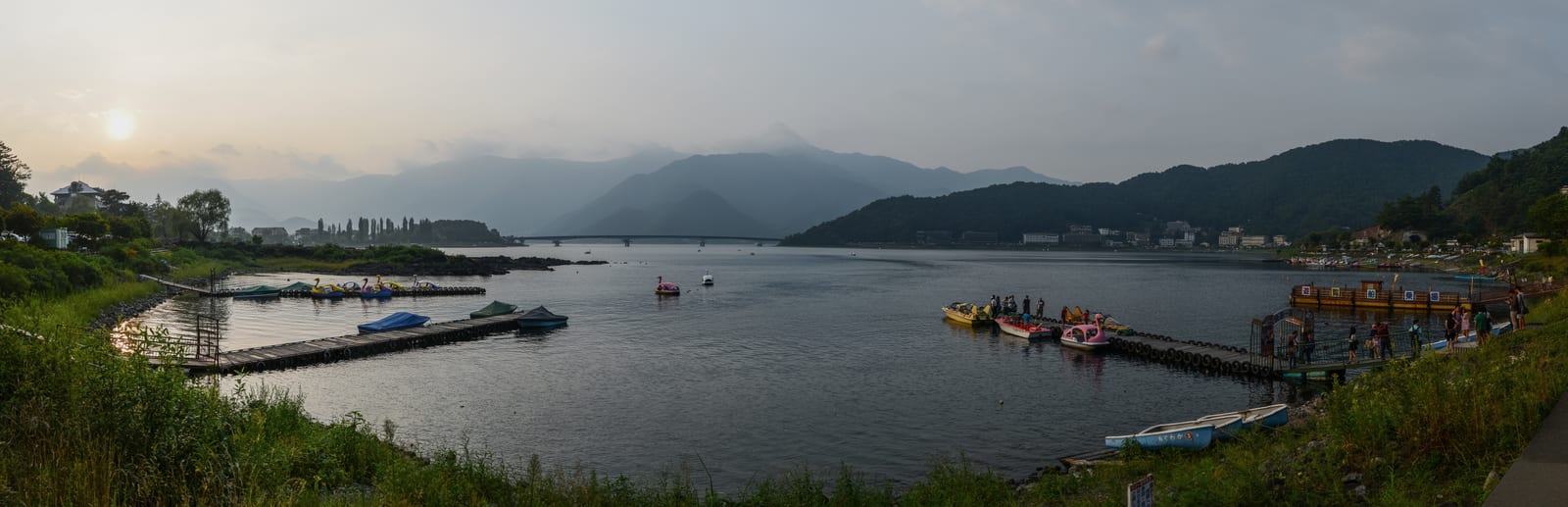
The moment you arrive, the scale of the landscape catches you off guard. Yamanashi unfolds like a painting — Mount Fuji anchoring the horizon while eight spring pools, fed by Fuji snowmelt and rain filtered through volcanic rock, shimmer in the foreground, each one impossibly clear. The light shifts dramatically throughout the day, from warm golden sunrise to the deep purples of dusk, and no two visits ever look quite the same.
The drive in is part of the experience too. Roads wind through forested hillsides and open rice paddies, offering glimpses of Fuji between the trees. Travelers consistently say this feels less like ticking off a destination and more like a proper road trip — the journey earns its place alongside the destination.
2. Top Photo Spots You Can't Miss
The Oshino Hakkai area is full of picture-perfect corners, from the obvious landmarks to the tucked-away angles that feel like your own discovery. Here are the must-see spots:
The main viewpoint: A sweeping 180-degree panorama over the spring pools and Fuji beyond. Sunrise and sunset here are genuinely jaw-dropping — set your alarm.
The old tree-lined path: Ancient trees form a natural tunnel overhead, spectacular in spring cherry blossom season, lush green in summer, and ablaze with color in fall.
The reflection pools: The still surfaces of the ponds mirror the surrounding scenery like a giant natural mirror — perfect for those symmetrical shots your Instagram feed deserves.
The high vantage point: Climb to the highest accessible point in the area for a full panoramic sweep across Yamanashi. Worth every step.
3. Best Time to Visit
Every season brings something different to Oshino Hakkai, but the sweet spots are April, July, and October. Here's why:
- Most stable weather of the year — great for driving and exploring on foot
- Peak seasonal scenery — cherry blossoms in spring, vivid greenery in summer, fiery foliage in fall
- Ideal natural light for photography: 6–9 AM and 4–6 PM
- Crowd levels are manageable — busy enough to feel lively, not so packed you're elbowing for a view
Winter visits deliver a magical snow-dusted Fuji backdrop, but mountain roads can get icy, so check conditions before you go. Spring and fall remain the most popular choices for good reason.
4. How to Get There — and Why Driving Wins
The most rewarding way to explore Oshino Hakkai and the wider Yamanashi region is by rental car. Public transport from Tokyo gets you close — the Fujikyu Railway from Otsuki (reachable on the JR Chuo Line, JR Pass accepted to Otsuki) runs to Fujiyoshida and Kawaguchiko — but the spring pools and surrounding viewpoints are spread out enough that you'll want wheels for the full experience.
Driving gives you the freedom to stop whenever a view demands it, take the back roads, and time your arrivals for golden hour rather than the bus schedule. Roads around Oshino Hakkai are well-maintained with clear signage, and designated pull-offs make spontaneous stops easy.
✨ Tip: Book a private car through OlaChill to explore Oshino Hakkai entirely on your own schedule — chauffeur-driven or self-drive options available.
5. Sample 1–2 Day Itinerary
Day 1:
- 6:00 AM – Arrive at the main viewpoint for sunrise over the spring pools — Fuji in the background, mist on the water, coffee in hand
- 8:00 AM – Breakfast at a local restaurant; look for hōtō (Yamanashi's hearty flat-noodle miso stew — think of it as Japan's answer to a proper winter warmer)
- 9:30 AM – Drive the main scenic loop, stopping at the best viewpoints along the way
- 12:00 PM – Lunch at a roadside restaurant or pick up onigiri and sandwiches from a 7-Eleven
- 2:00 PM – Explore secondary attractions: nearby historic villages, waterfalls, or lake shores
- 5:00 PM – Check in to a local hotel or ryokan (traditional inn)
- 6:30 PM – Soak in the onsen if your accommodation has one, then settle in for a multi-course kaiseki dinner
Day 2:
- 7:00 AM – Breakfast and an early start to beat the crowds
- 8:30 AM – Hit a lesser-known secondary route or a viewpoint the tour buses skip
- 11:00 AM – Reflection pool photography session (morning light is still soft and beautiful)
- 1:00 PM – Lunch and a proper rest
- 3:00 PM – Head to your next destination or start the return journey to Tokyo
6. Practical Travel Tips
- 📸 Golden hour is everything: The 30 minutes before and after sunrise and sunset deliver the best light — plan your driving accordingly
- 🚗 Book your rental car early: Especially during peak months (April, July, October), reserve at least 1–2 weeks ahead
- ⛽ Fill up before you go: Gas stations are sparse in rural Yamanashi — top off the tank before leaving any town
- 📱 Download offline maps: Save the Yamanashi area on Google Maps before you leave; cell coverage gets patchy in the hills
- 🍙 Stock up at a convenience store: A 7-Eleven or FamilyMart onigiri run before heading into the countryside is always a good call
- ☁️ Check the forecast: Especially in winter or the rainy season (June) — Fuji disappears fast behind clouds, and mountain roads can close without warning