
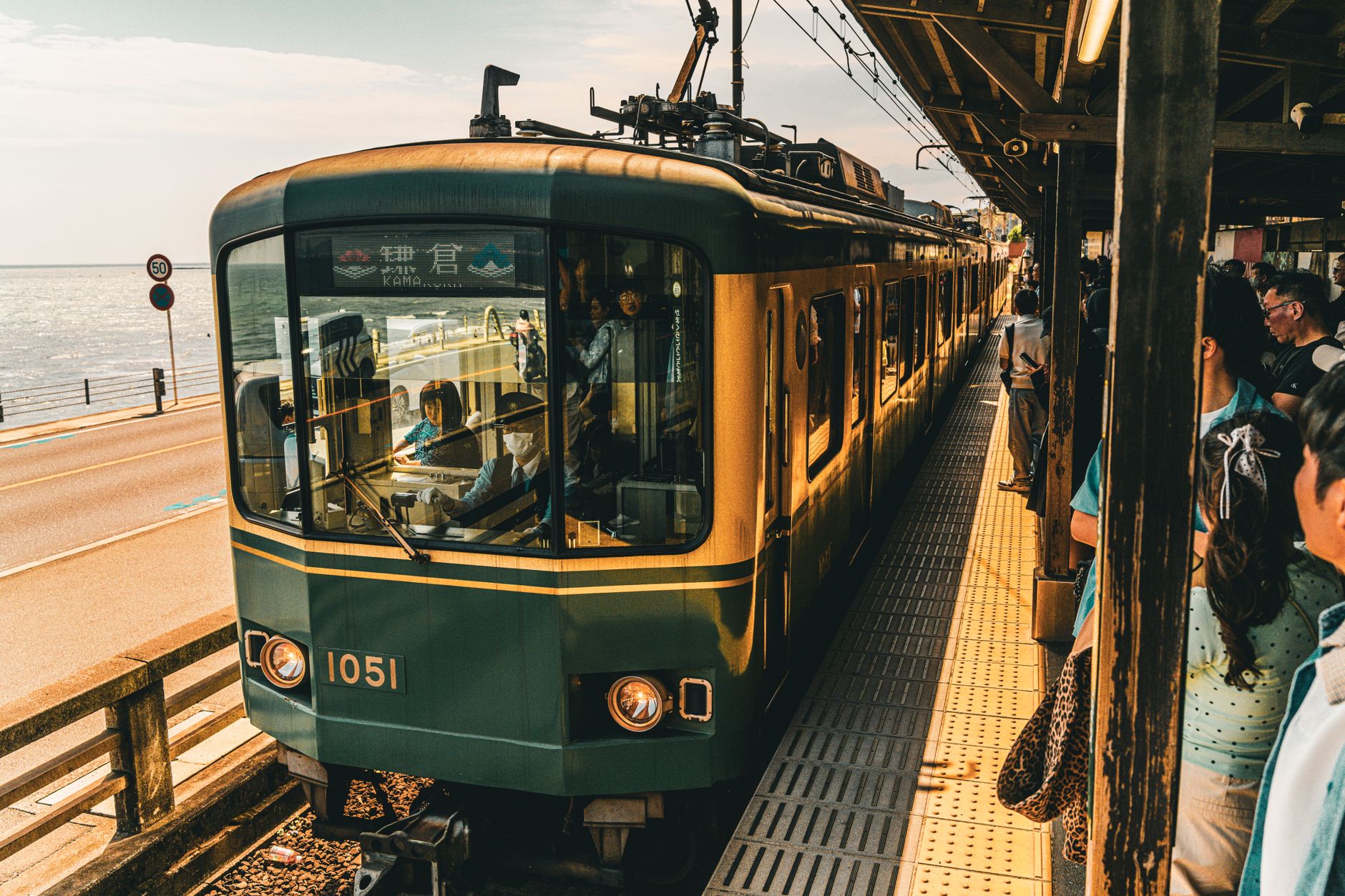
Tokyo–Kamakura–Hakone: A Two-Day Group Itinerary by Coach
Combine Kamakura’s coast and temples with an overnight Hakone onsen stay and a scenic Lake Ashi loop for an easy group escape from Tokyo.
Aug 21, 2026·✍️ olablog·⏱ 9 min read
Combine Kamakura’s coast and temples with an overnight Hakone onsen stay and a scenic Lake Ashi loop for an easy group escape from Tokyo.
Tap a region to browse articles
Two days from Tokyo: seaside culture, mountain scenery and an onsen stay
A Tokyo trip becomes even more memorable when you add two very different destinations nearby. On the first day, explore Kamakura’s temple-lined streets, historic shrines and Pacific coastline. Then continue to Hakone for a relaxing night in a traditional onsen area. On day two, travel around Lake Ashi, enjoy mountain views and return to Tokyo without changing hotels or splitting the group across several cars.
For larger parties, a 45–50-seat full-size coach makes this route far more comfortable than coordinating multiple rental cars or trains. Everyone travels together, luggage stays with the group and a licensed Japanese operator handles the local roads, parking arrangements and route planning.
This itinerary works well for families, school groups, wedding parties, corporate retreats and multigenerational tours.
At a glance
- Day 1: Tokyo → Kamakura temples and coast → Hakone onsen hotel
- Day 2: Hakone Shrine and Lake Ashi → optional Owakudani or Hakone viewpoints → Tokyo
- Recommended vehicle: 45–50-seat full-size coach
- Best for: Groups that want culture, seaside scenery, hot springs and a relaxed pace
- Overnight: Hakone, ideally near the lake or in a convenient onsen district
The route should be treated as a flexible plan rather than a race between attractions. Kamakura and Hakone both reward slower travel, especially when your group includes older guests, young children or travelers carrying luggage.
Day 1: Tokyo to Kamakura, then on to Hakone
Morning: Kamakura’s historic temple district
Leave Tokyo in the morning and head toward Kamakura. Travel time varies with traffic and your departure area, so an early start is helpful. A coach allows the group to depart from one central pickup point, such as a hotel, station-area meeting point or designated bus location.
Begin with Kotoku-in, home to Kamakura’s famous Great Buddha. The open-air statue is one of the city’s best-known landmarks and is easy to combine with nearby Hase-dera. Hase-dera is known for its gardens, hillside views and seasonal flowers, making it a pleasant place to slow down after the journey.
Continue toward central Kamakura for lunch. The area around Komachi-dori offers many casual choices, from local seafood and noodle dishes to cafés and Japanese sweets. For a large group, reserving a restaurant in advance is strongly recommended. A prearranged set menu can also keep the schedule moving.
Afternoon: Tsurugaoka Hachimangu and the coast
After lunch, visit Tsurugaoka Hachimangu, Kamakura’s most important Shinto shrine. Its broad approach, ponds and elevated main shrine create a strong sense of arrival. Allow time for the group to walk at different speeds and meet at a clearly agreed point.
If the weather is good, add a coastal stop at Yuigahama Beach or another nearby seaside area. Kamakura’s appeal comes from the contrast between its former capital atmosphere and its relaxed beach-town character. Guests can enjoy a short walk, take photographs or simply pause before the second leg of the journey.
A full-size coach is useful here because the group can leave day bags and purchases on board where permitted by the operator. However, large vehicles may not be able to stop directly beside every attraction. Your operator can select suitable drop-off and parking points, with the group walking the final section together.
Evening: Transfer to Hakone and check in
In the late afternoon, depart Kamakura for Hakone. The journey can take longer when roads are busy, so keeping the final Kamakura visit flexible is wise. Arriving before dinner gives your group time to check in, enjoy the property’s facilities and settle into the slower rhythm of a mountain resort.
A traditional ryokan is a natural choice for this itinerary. Guests may sleep on futons, enjoy a Japanese dinner and use communal or private hot-spring baths, depending on the property. Ask the accommodation about bathing rules, tattoo policies, meal times and room arrangements before confirming the booking.
For groups, it is also important to check whether the ryokan can accept a full-size coach. Some properties sit on narrow roads or have limited turning space. If coach access is restricted, the operator can coordinate a practical transfer point or recommend a more accessible hotel.
Day 2: The Lake Ashi loop
Morning: Hakone Shrine and Lake Ashi
Start the second day around Lake Ashi, one of Hakone’s signature landscapes. Visit Hakone Shrine, recognizable by its torii gate standing in the water. The lakeside setting is especially atmospheric in mist or early morning light, although queues can form at popular photo spots.
A coach gives the group a convenient base while exploring the lakeside area. Bring a light jacket and comfortable shoes, as Hakone can feel cooler than Tokyo and paths may be uneven or damp.
Depending on the season, visibility and operating conditions, you can add a lake cruise or another viewpoint. These activities may require separate reservations and should be planned around the group’s preferred pace. If the group includes travelers who prefer not to use boats or cable transport, the itinerary can remain land-based.
Midday: Owakudani or a flexible scenic stop
If conditions allow, continue to Owakudani, Hakone’s volcanic valley. The area is known for its dramatic landscape, steam vents and views toward Mount Fuji on clear days. Weather can change quickly, and access may occasionally be limited, so keep an alternative ready.
A flexible plan might include:
- A longer lunch near Lake Ashi
- Hakone Open-Air Museum
- A lakeside café and short walking route
- A viewpoint selected according to weather and road conditions
- Additional time at the ryokan before departure
This flexibility is one of the main advantages of a private coach. The group does not have to follow a fixed train connection, and the operator can adjust the order of stops when traffic, weather or attraction conditions change.
Afternoon: Return to Tokyo
After lunch, begin the return journey to Tokyo. Allow a generous buffer for traffic, especially if guests have evening flights or onward rail connections. If your group must reach Haneda or Narita, tell the operator when requesting a quote so the route, luggage space and arrival time can be planned properly.
| Travel style | Best feature | Main consideration |
|---|---|---|
| 45–50-seat full-size coach | Everyone stays together with luggage support and a flexible route | Requires suitable pickup, parking and hotel access |
| Multiple rental cars | More independent movement for small subgroups | Drivers must navigate unfamiliar roads and stay coordinated |
| Public transport | Useful for independent travelers and central routes | Transfers, luggage and fixed schedules can be difficult for a large group |
Planning the coach charter
Why a full-size coach suits this route
A 45–50-seat coach is designed for groups that want a shared travel experience without asking guests to drive. It is particularly useful when the itinerary includes:
- Multiple hotel pickups or a central group departure
- Suitcases moving from Tokyo to Hakone
- Travelers with different walking speeds
- Shopping bags, sports equipment or event materials
- A return to Tokyo after visiting several rural or coastal stops
The final vehicle assignment depends on group size, luggage volume and road access. A group that does not fill every seat may still prefer a full-size coach for its storage capacity and spacious layout.
Estimated charter budget
Longer and multi-day trips are quoted on request from the day price (45 seats ¥99,000 per 10-hour day), adding any extra hours, expressway tolls, parking and the driver's overnight costs. The exact quote comes from the booking form after your route and group information are reviewed.
For the smoothest arrangement, prepare:
- Number of passengers and approximate luggage volume
- Tokyo pickup and return locations
- Hakone hotel or preferred accommodation area
- Desired attractions and walking preferences
- Flight, rail or event deadlines
- Any accessibility or child-seat requirements
Request a free quote from OlaChill and receive a reply within 24h.
Practical tips for a comfortable two-day trip
- Wear shoes suitable for temple paths, shrine approaches and uneven ground.
- Pack a small overnight bag if the coach will store larger suitcases.
- Carry layers; Hakone is generally cooler and more changeable than Tokyo.
- Confirm whether your accommodation accepts tattoos in its bathing facilities.
- Avoid scheduling too many attractions on day one.
- Ask about coach parking before finalizing restaurants and hotels.
- Keep a weather backup for Owakudani, lake activities and outdoor viewpoints.
- Agree on meeting points and departure times before guests leave the coach.
FAQ
Is this route suitable for a large family or mixed-age group?
Yes. The coach keeps everyone together, while the itinerary can be adjusted for different walking abilities. You can also reduce the number of stops and spend more time at the hotel or lakeside.
Can the coach go directly to every Kamakura and Hakone attraction?
Not always. Historic districts, narrow mountain roads and restricted parking areas may limit direct access. The operator will identify suitable drop-off points and explain any walking sections in advance.
Should we stay at a ryokan or a hotel in Hakone?
A ryokan offers a more traditional experience with tatami rooms, Japanese meals and onsen bathing. A hotel may provide easier coach access and familiar room layouts. The right choice depends on your group’s preferences and mobility needs.
Can we add Mount Fuji sightseeing to this plan?
Possibly, depending on weather, road conditions and the time available. Mount Fuji views are never guaranteed, so it is best to treat them as a bonus rather than the central purpose of the itinerary.
When should we request the exact charter quote?
Request it once you know your passenger count, Tokyo pickup area, Hakone accommodation and preferred stops. Providing those details allows the booking team to recommend a suitable coach and build the most accurate itinerary.
More from this region — Mt. Fuji
View all →
Tokyo Snow Day Trips: Gala Yuzawa, Karuizawa, and Fujiten
6 min · experiences
10-Day Japan Deep Dive — Tokyo, Hakone, Kanazawa, Kyoto, Osaka
7 min · itineraries
5 Hidden Mount Fuji Viewpoints Beyond Chureito Pagoda: A Photo Guide
13 min · destinations
7-Day Honeymoon Japan Itinerary — Kyoto Ryokan, Hakone Onsen + Tokyo Rooftop
11 min · itineraries