
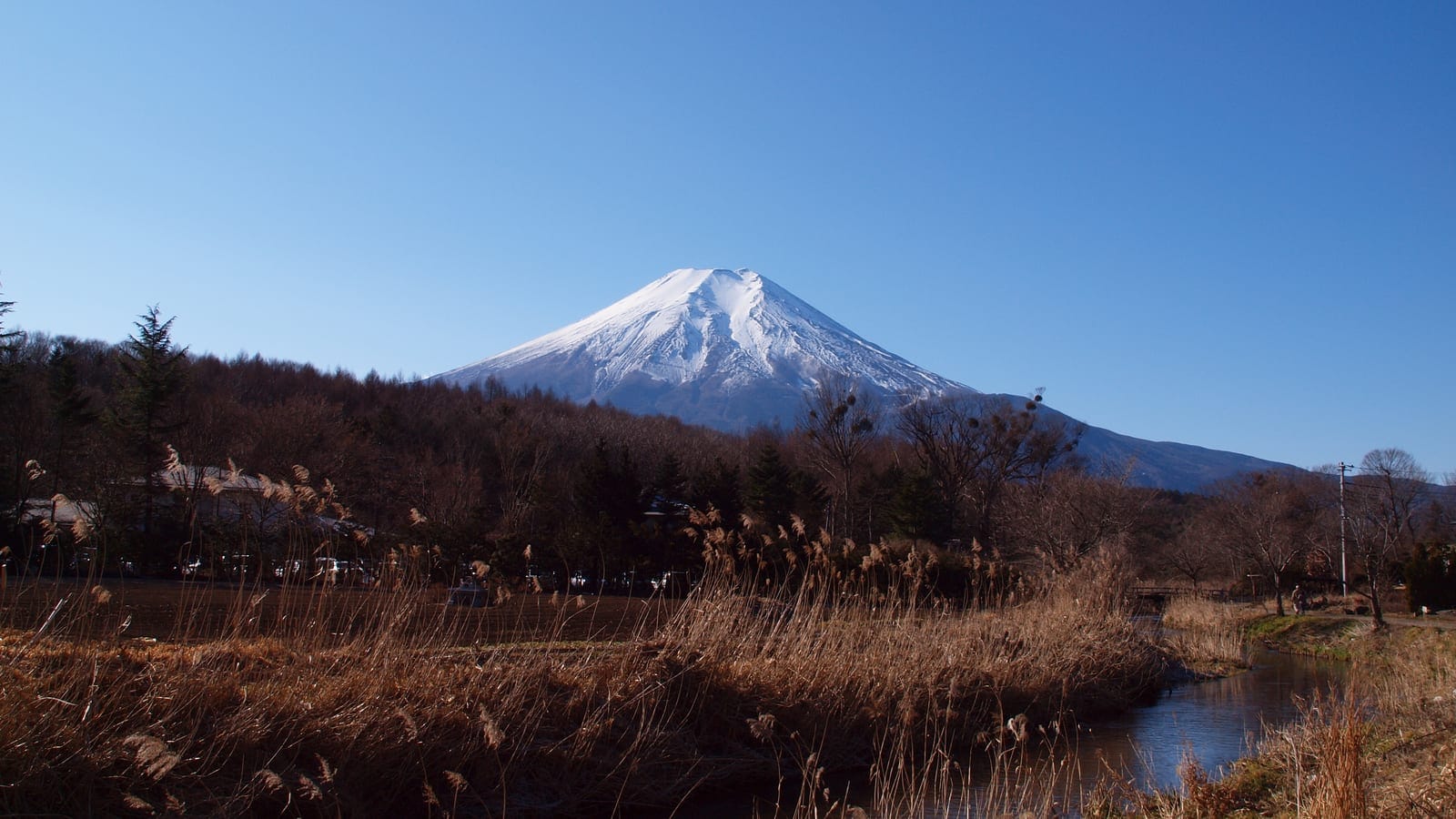
Mount Fuji in Winter – Snow-Capped Perfection Under Crystal-Clear Skies
Your complete guide to visiting Mount Fuji in winter across Yamanashi and Shizuoka prefectures — best timing, how to get there, top photo spots, and practical tips for a flawless cold-weather trip.
Jan 14, 2026·✍️ olablog·⏱ 5 min read
Your complete guide to visiting Mount Fuji in winter across Yamanashi and Shizuoka prefectures — best timing, how to get there, top photo spots, and practical tips for a flawless cold-weather trip.
Tap a region to browse articles
Japan rewards its visitors with some of the most jaw-dropping scenery on the planet — and Mount Fuji in winter, spanning Yamanashi and Shizuoka prefectures, is the crown jewel. This isn't just a sightseeing trip; it's total immersion into a landscape so pristine it borders on surreal. Every angle, every hour of light — from a blazing golden sunrise to a dusky rose-pink sunset — offers something you genuinely won't find anywhere else.
1. Why Fuji in Winter Is So Special
There's a reason travel photographers put this on their bucket list year after year. The Yamanashi–Shizuoka corridor unfolds like a vast oil painting that only nature could pull off — and winter strips everything back to its most dramatic, essential form. Snow blankets the mountain's iconic cone, the air is crisp and clear, and the absence of summer haze means Fuji is almost always fully visible, towering over the landscape in sharp relief.
The drive through the region is an experience in itself. Roads curve through mountain valleys, skirt lakeshores, and wind past open plains — the kind of route that makes you want to pull over every ten minutes. Travelers consistently say the journey to Fuji feels less like reaching a destination and more like the whole trip is the adventure.
2. Top Photo Spots You Can't Miss
The Fuji winter region is packed with viewpoints — from the famous and well-signposted to the quietly spectacular spots only locals know. Here are the must-visits:
Main observation deck: Sweeping 180-degree views of Fuji and the surrounding landscape. Sunrise and sunset here are widely considered the best in the area.
The old tree-lined avenue: Century-old trees form a natural tunnel overhead — stunning in any season, but winter adds a stark, moody quality that photographs beautifully.
The lake reflection point: Still water mirrors the mountain and sky like a giant looking glass, giving you that perfectly symmetrical shot you've seen all over Instagram.
Summit viewpoint: Hike or drive to the highest accessible vantage point for a full panorama across both Yamanashi and Shizuoka — Fuji dead center, mountains in every direction.
3. Best Time to Visit
Every season brings something different to Fuji, but the sweet spot for winter visits is December through February. During these months:
- Weather is at its most stable — cold and clear rather than gray and overcast
- Snow coverage on the mountain peaks, creating that classic postcard look
- Golden-hour light is exceptional: aim for 6–9 am and 4–6 pm for the best shots
- Crowds are manageable — busy enough for atmosphere, calm enough to actually enjoy yourself
That said, come prepared: mountain passes can ice over quickly, and temperatures regularly dip below freezing. Spring (cherry blossoms) and autumn (fiery foliage) are equally compelling alternatives if you prefer milder conditions.
4. The Best Way to Explore — Hit the Road
The honest answer? Rent a car. Public transport reaches the major spots, but a car gives you the freedom to stop whenever the light is perfect, detour down unmarked lanes, and linger at viewpoints for as long as you like. Buses and trains run on their schedules; a rental runs on yours.
Roads around the Fuji region are well-maintained and clearly signed. Mountain stretches are generally wide enough for comfortable driving, with rest areas spaced sensibly along the main routes — ideal for a proper road trip pace.
✨ Tip: Book a private car with OlaChill to explore Mount Fuji in winter entirely on your own terms — self-drive or with a driver, your call.
5. Sample 1–2 Day Itinerary
Day 1
- 6:00 am — Arrive at the main observation deck for sunrise and that first, unforgettable view of snow-covered Fuji in the morning light
- 8:00 am — Breakfast at a local restaurant; try regional Yamanashi specialties like hōtō (thick miso noodle stew — think of it as Japan's answer to a hearty winter stew)
- 9:30 am — Drive the main scenic route, stopping at the best viewpoints along the way
- 12:00 pm — Lunch at a roadside rest stop or local diner
- 2:00 pm — Explore secondary spots: a historic village, a nearby waterfall, or one of the Fuji Five Lakes
- 5:00 pm — Check into your hotel or ryokan (traditional Japanese inn)
- 6:30 pm — Soak in an onsen (hot spring bath) and sit down to a kaiseki multi-course dinner
Day 2
- 7:00 am — Early breakfast and an early start to beat day-trippers from Tokyo
- 8:30 am — Take a quieter back road or a lesser-known viewpoint that doesn't show up in most guidebooks
- 11:00 am — Head to the lake reflection point for photos
- 1:00 pm — Lunch and a slower pace
- 3:00 pm — Continue to your next destination or start the journey back
6. Practical Tips
- 📸 Shoot in the golden hour: The 30 minutes before and after sunrise/sunset deliver the best light — block it out in your calendar and don't sleep through it
- 🚗 Book your rental early: Peak winter season (December–February) fills up fast; reserve at least 1–2 weeks ahead
- ⛽ Fill up the tank: Gas stations can be few and far between in rural Yamanashi and Shizuoka — top off before heading into the mountains
- 📱 Download offline maps: Save the Google Maps area for Yamanashi/Shizuoka before you go; cell coverage in mountain valleys can be patchy
- 🍙 Stock up at convenience stores: 7-Eleven and FamilyMart are everywhere on the main roads and genuinely great for hot drinks, onigiri, and snacks on the go
- ☁️ Check the forecast obsessively: Winter mountain weather can change fast — a clear morning can turn icy by afternoon, so always know what's coming
More from this region — Mt. Fuji
View all →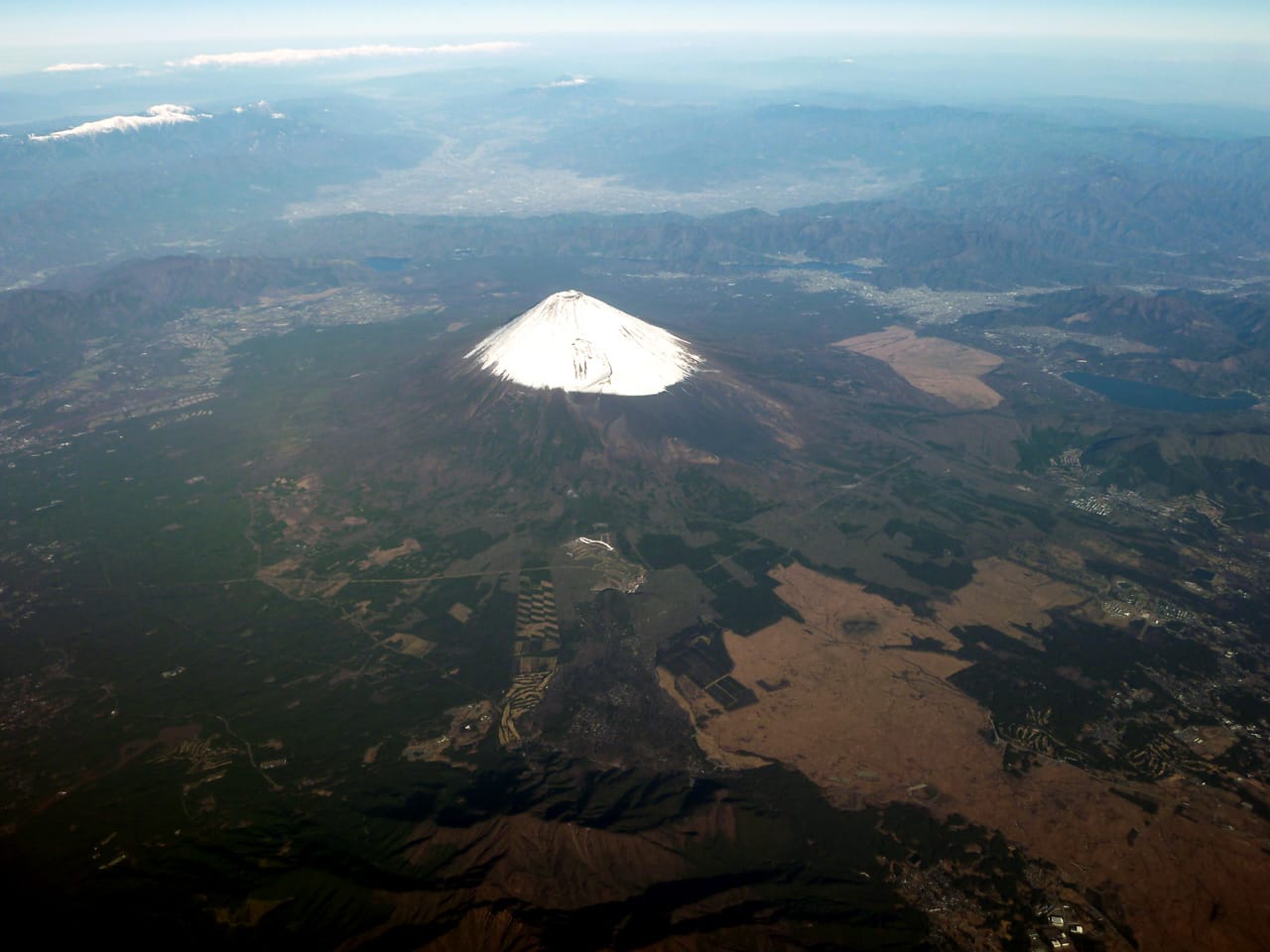
Mt. Fuji From Above – Aerial Views and Surrounding Summit Perspectives
5 min · destinations
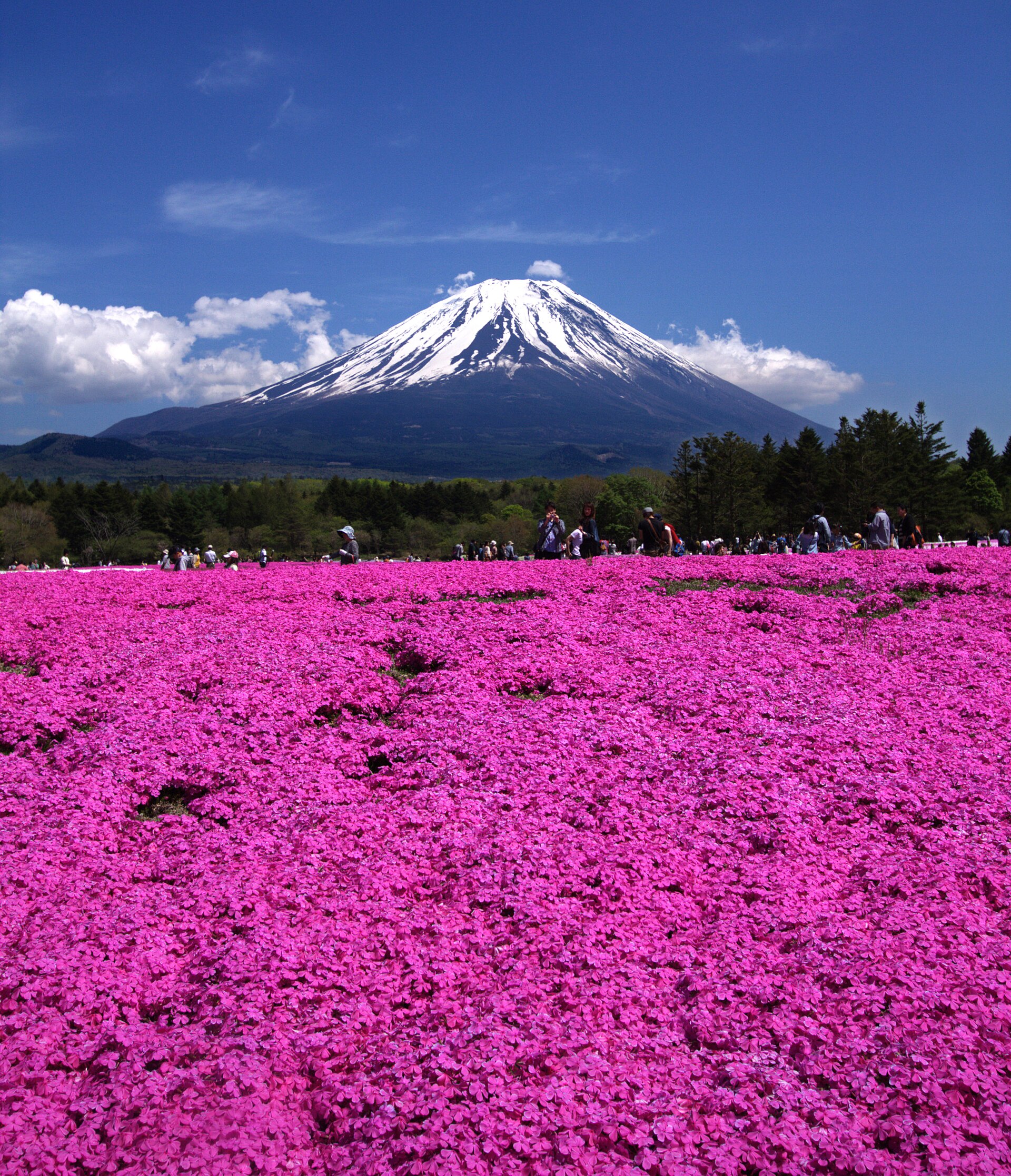
Mt Fuji Day Trip by Private Van: Lakes, Views and the Fifth Station
8 min · tips
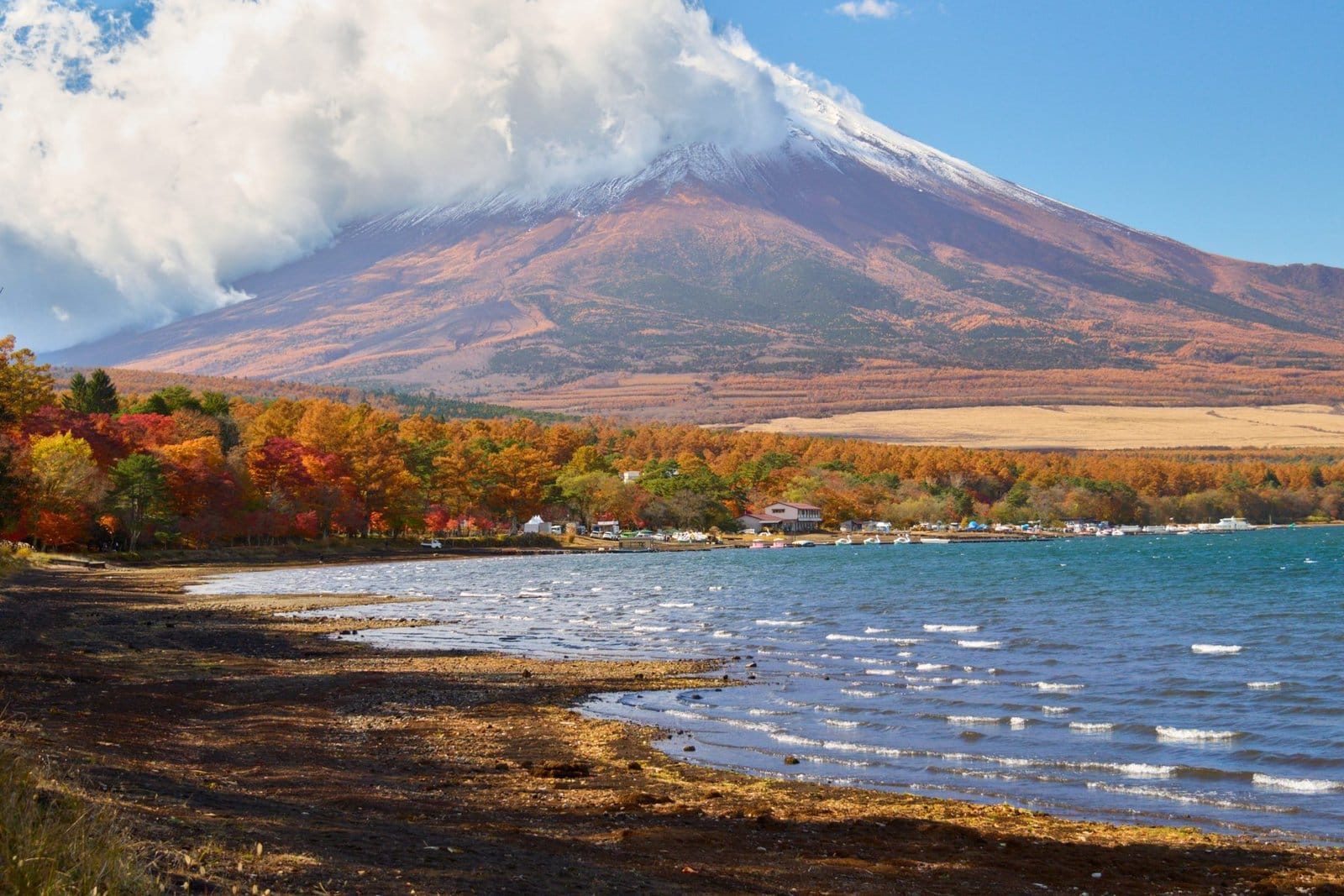
Autumn Foliage Around Mount Fuji: Momiji Corridor and Fuji Five Lakes
7 min · seasonal
Hakone Onsen Group Trips by Charter Bus
8 min · tips