
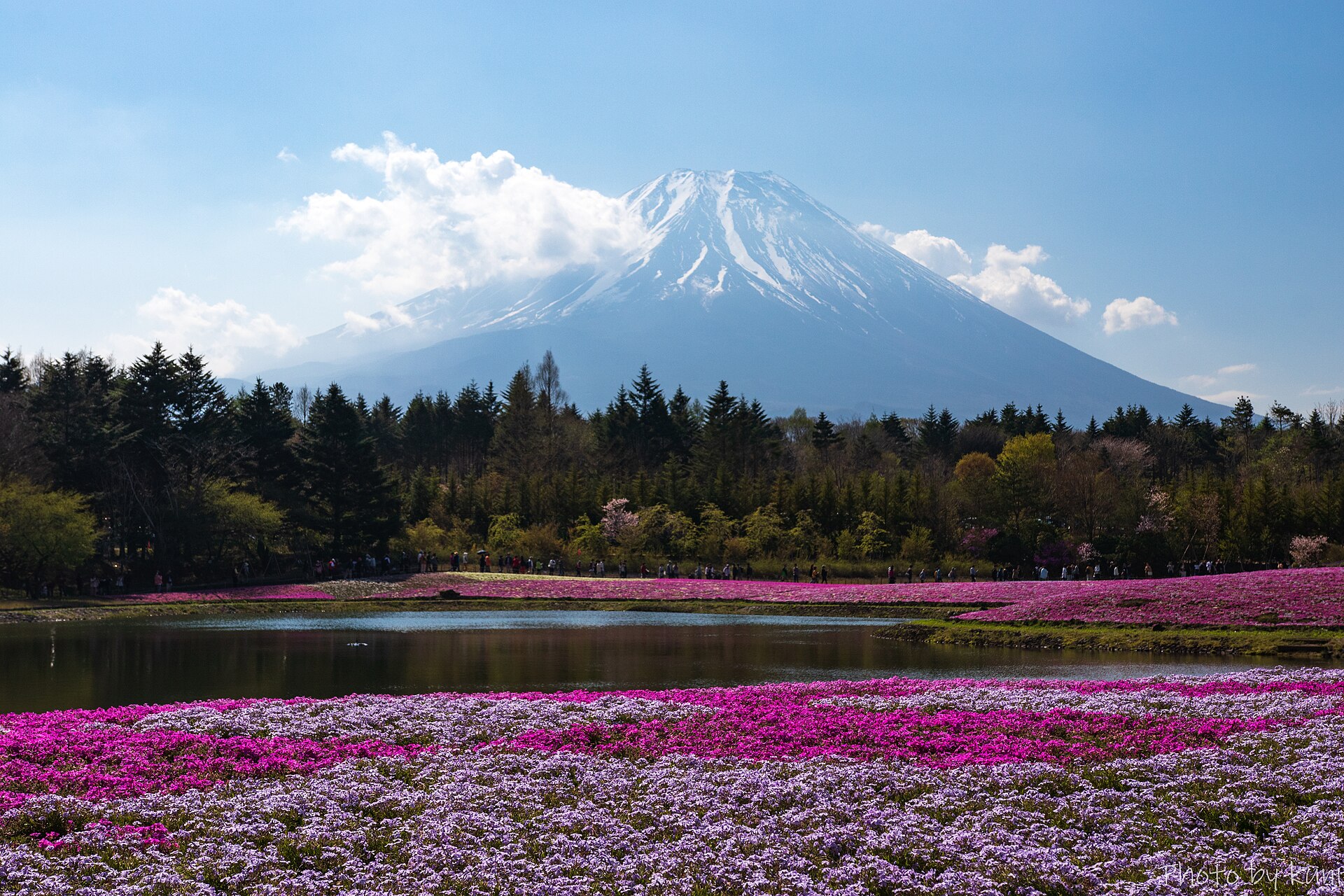
10-Day Japan Golden Route: Tokyo – Hakone – Kyoto – Osaka for First-Timers
A 10-day Japan Golden Route itinerary: Tokyo, Hakone for Mt. Fuji views, Kyoto, and Osaka. Includes a breakdown of whether the JR Pass is worth buying and how to pace your travel seamlessly.
Aug 8, 2026·✍️ olablog·⏱ 8 min read
A 10-day Japan Golden Route itinerary: Tokyo, Hakone for Mt. Fuji views, Kyoto, and Osaka. Includes a breakdown of whether the JR Pass is worth buying and how to pace your travel seamlessly.
Tap a region to browse articles
The "Golden Route" – Tokyo → Hakone/Mt. Fuji → Kyoto → Osaka – is Japan's most classic travel itinerary, and it earned its status for a simple reason: in a single trip, you experience every facet of this multifaceted country. From the bustling metropolis to Mt. Fuji and relaxing hot springs, onwards to the tranquil ancient capital, and ending in Japan's most vibrant culinary city. With 10 days, you can complete the entire route without feeling like you are racing against the clock. Below is our recommended daily breakdown, along with answers to the most common question travelers ask: is the JR Pass actually worth buying?
Days 1–3: Tokyo – Getting into the Right Rhythm
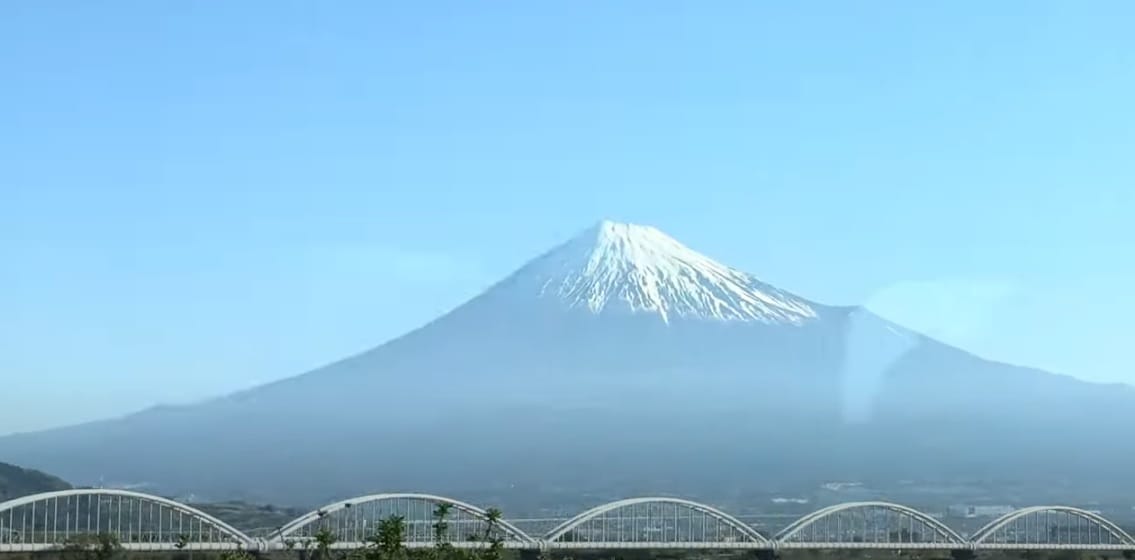
Spend your first three days in Tokyo by grouping sights into distinct regional clusters each day:
- Day 1: 浅草(Asakusa) with 浅草寺(Sensoji Temple), heading over to 上野(Ueno) to stroll through Ueno Park and アメ横(Ameyoko Market). A light, relaxing day to let your body adjust to the time zone difference.
- Day 2: The modern axis of 渋谷(Shibuya) – 原宿(Harajuku) – 新宿(Shinjuku): Shibuya Crossing, 明治神宮(Meiji Jingu Shrine), Takeshita Street, and an evening spent enjoying grilled skewers in the narrow alleyways of 思い出横丁(Omoide Yokocho).
- Day 3: Tailor-made to your taste – teamLab and お台場(Odaiba) for digital art enthusiasts, 秋葉原(Akihabara) for anime fans, or 銀座(Ginza) – 築地(Tsukiji) for luxury shopping and fresh seafood.
Pro tip: send your large suitcases via a luggage forwarding service (宅急便 / takkyubin, costing around ¥2,000–¥2,500 / $13–$17 USD per piece) directly from Tokyo to Kyoto one day in advance. That way, when you head to Hakone, you only need to carry a lightweight backpack.
Days 4–5: Hakone – Mt. Fuji, Onsen, and a Ryokan Night
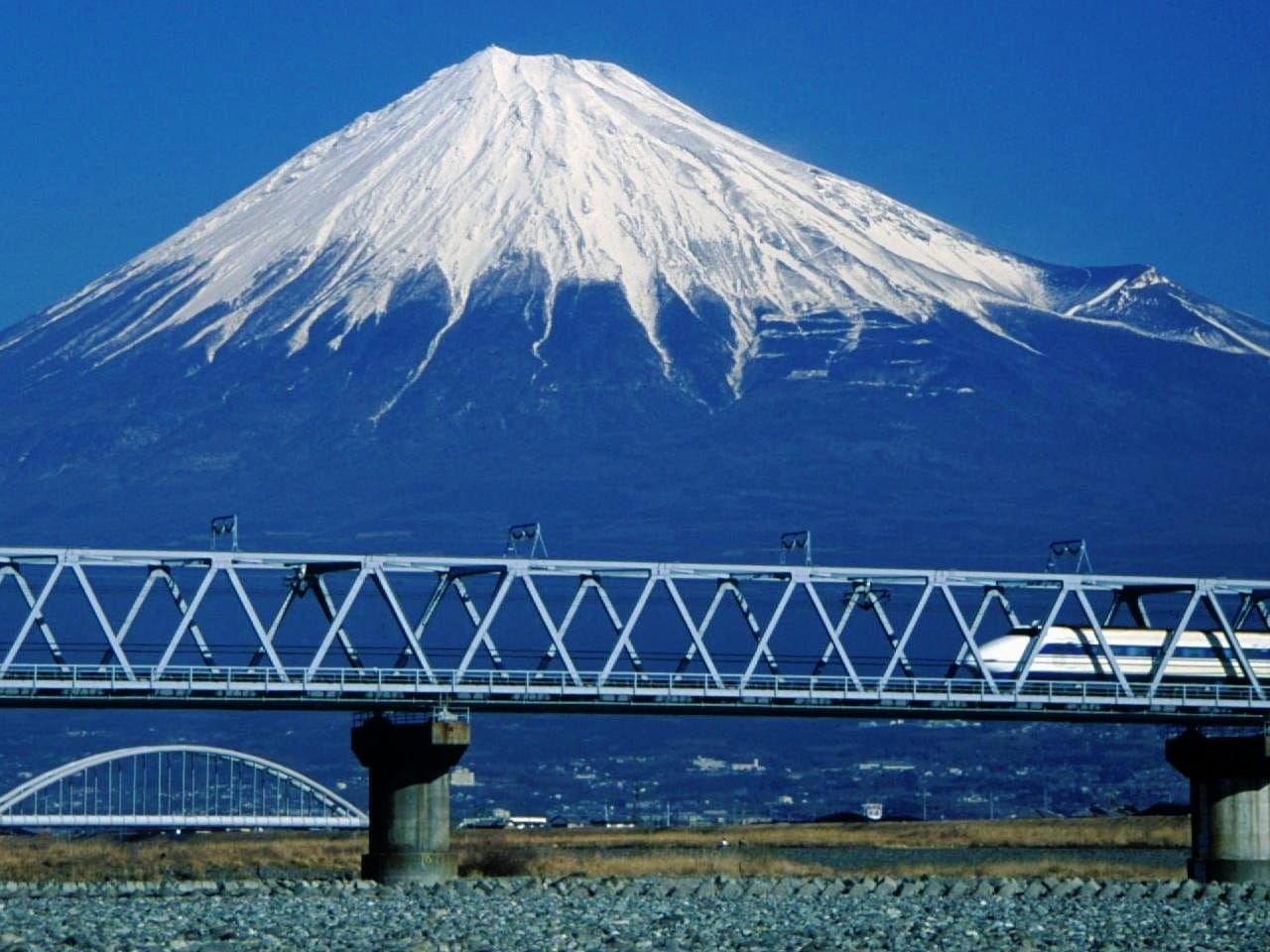
Depart Tokyo aboard the Odakyu Romancecar from 新宿駅(Shinjuku Station) (approx. 90 minutes) to reach Hakone, a famed hot-spring mountain resort town known for its iconic views of 富士山(Mt. Fuji). A key insider tip here is to purchase the Hakone Free Pass (2-day pass, costing around ¥6,000–¥7,000 / $40–$47 USD departing from Shinjuku) because it fully covers the classic sightseeing loop: mountain railway train – ropeway over the sulfuric steaming valley of 大涌谷(Owakudani) – "pirate ship" cruise across 芦ノ湖(Lake Ashi) – and local buses back to your starting point.
Spend your night in Hakone treating yourself to a traditional ryokan with an onsen (温泉 / hot spring): soak in an outdoor thermal bath, wear a light cotton yukata, and savor a multi-course kaiseki banquet dinner. Mid-range ryokan options including two full meals typically range between ¥18,000–¥35,000 ($120–$235 USD) per person – a splurge that many travelers consider the single most memorable highlight of their entire journey. The only practical caveat: Mt. Fuji can be camera-shy and unpredictable, requiring clear weather to reveal itself, so don't pin all your hopes on a single guaranteed sighting.
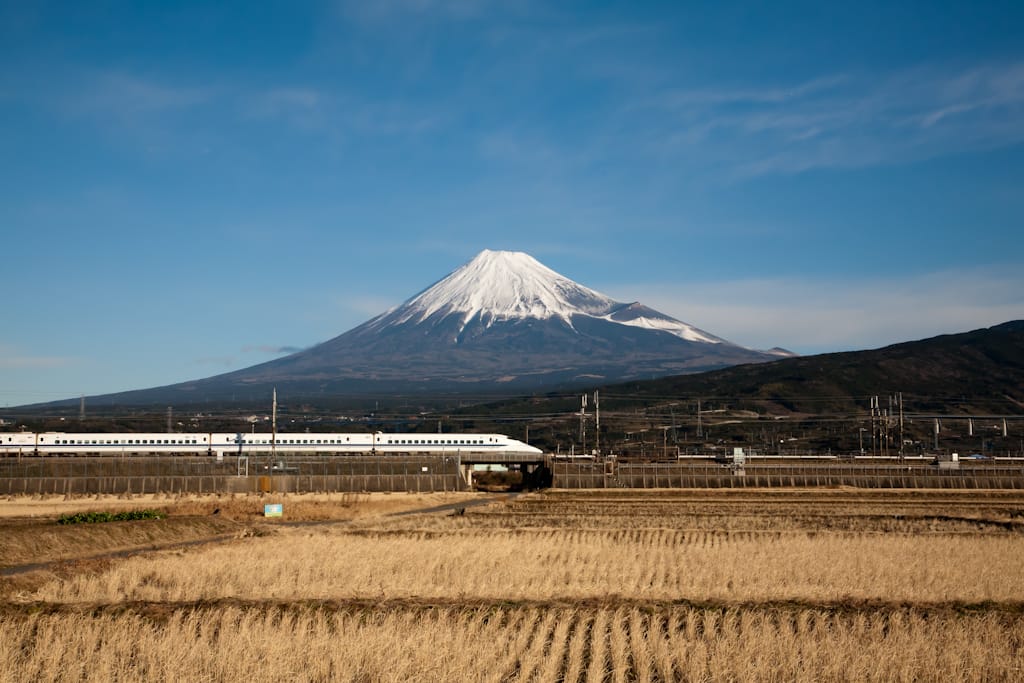
On the morning of Day 5, enjoy a leisurely final soak in the hot spring, then head over to 小田原駅(Odawara Station) around noon to catch the Shinkansen (bullet train) bound for 京都(Kyoto) (approx. 2 hours).
Days 6–8: Kyoto – Three Days of Slow Living in the Ancient Capital
Kyoto deserves three full days, organized by region to minimize transit times:
- Day 6 – Eastern Kyoto: Visit 清水寺(Kiyomizu-dera Temple) early in the morning, walk down the historic stone slopes of 三年坂(Sannenzaka) and 二年坂(Ninenzaka), and in the late afternoon, wander through 祇園(Gion) and along the 白川(Shirakawa Canal), where you might be lucky enough to catch a glimpse of a geiko (geisha) on her way to an evening appointment.
- Day 7 – Western Kyoto: Experience the 嵐山(Arashiyama Bamboo Grove) before 8:00 AM, visit 天龍寺(Tenryuji Temple), and head to the golden pavilion of 金閣寺(Kinkakuji Temple) in the afternoon.
- Day 8 – Southern Kyoto: Explore 伏見稲荷大社(Fushimi Inari Taisha Shrine) with its iconic thousands of vermilion torii gates – the higher up the mountain trail you hike, the sparser the crowds become; in the afternoon, stop by 錦市場(Nishiki Market) for street snacks or participate in a traditional Japanese tea ceremony.
Kyoto is a place where wearing comfortable walking shoes and waking up early are non-negotiable: visiting the exact same spot at 7:00 AM versus 11:00 AM feels like two completely different worlds.
Days 9–10: Osaka – Indulge Your Inner Foodie
Traveling from Kyoto to 大阪(Osaka) takes only 15–30 minutes by train. Day 9 is dedicated to the city center: visit 大阪城(Osaka Castle) in the morning, explore the retro neighborhood of 新世界(Shinsekai) in the afternoon to feast on kushikatsu (deep-fried skewers), and embark on a nighttime food crawl through 道頓堀(Dotonbori) – trying takoyaki (octopus balls), okonomiyaki (savory pancakes), and ramen, sampling a bit of everything. Day 10 depends on your flight schedule: if you take an evening flight out of 関西国際空港(Kansai International Airport - KIX), you will still have time for morning shopping in 心斎橋(Shinsaibashi) or one final loop around 難波(Namba). Booking an open-jaw flight departing directly from Osaka (KIX) rather than returning to Tokyo is the smartest logistical decision for this itinerary – saving you half a day and thousands of yen in train fares.
If you prefer to have this entire route packaged seamlessly from train tickets to hotel arrangements, check out OlaChill's all-inclusive Japan tours designed around the classic Golden Route.
Is the JR Pass Still Worth Buying?
The short answer for this specific itinerary: usually no. Following a significant price hike, a standard 7-day whole-Japan JR Pass now costs around ¥50,000 ($335 USD). In contrast, this point-to-point one-way itinerary features only one long-distance Shinkansen bullet train leg (Odawara → Kyoto) plus a few short local train connections. When adding up individual point-to-point train tickets – Odawara–Kyoto Shinkansen costs about ¥12,000–¥13,500 ($80–$90 USD), Kyoto–Osaka costs a few hundred to ¥1,500 ($2–$10 USD), along with city subways and local trains – your total rail expenses usually amount to just ¥20,000–¥25,000 ($135–$170 USD), less than half the price of a full JR Pass.
A JR Pass is only worth considering if you are flying round-trip in and out of the same airport (requiring a round-trip Tokyo–Osaka–Tokyo travel loop) or adding distant side trips like 広島(Hiroshima). For a streamlined one-way Golden Route itinerary like this, simply buy individual Shinkansen tickets (easily booked via official apps or ticket vending machines at major stations) and tap a digital or physical IC card (such as SUICA, PASMO, or ICOCA) for all local city transit.
Pacing Your Trip: Rules to Prevent Travel Burnout
What causes many Golden Route itineraries to unravel is rarely a lack of incredible destinations, but rather poor pacing. Here are a few battle-tested golden rules to stay energized:
- Limit hotel changes to just 3 times over the course of 10 days (Tokyo → Hakone → Kyoto → Osaka). Every check-in/check-out transition consumes half a day's worth of energy.
- Keep transit days light: On days when you spend 2 hours riding bullet trains, schedule only 1 or 2 low-key activities instead of overbooking your schedule.
- Start early, rest midday, venture out again late afternoon. Popular sightseeing spots are at their absolute best before 9:00 AM; spend the midday heat inside a cozy café or recharging at your hotel.
- Leave at least one half-day completely unscripted. Your most cherished travel memories often happen during spontaneous moments when you get delightfully lost.
The 10-day Golden Route is a tried-and-tested formula proven by millions of international travelers: long enough to immerse yourself, compact enough to avoid exhaustion, and perfectly tailored to leave you longing to return to Japan – perhaps next time to snowy 北海道(Hokkaido) or the natural hot springs of 九州(Kyushu). Before finalizing your travel dates, be sure to drop by the OlaChill blog for seasonal advice and tips to pick the absolute best time of year for your debut Japan trip.
More from this region — Mt. Fuji
View all →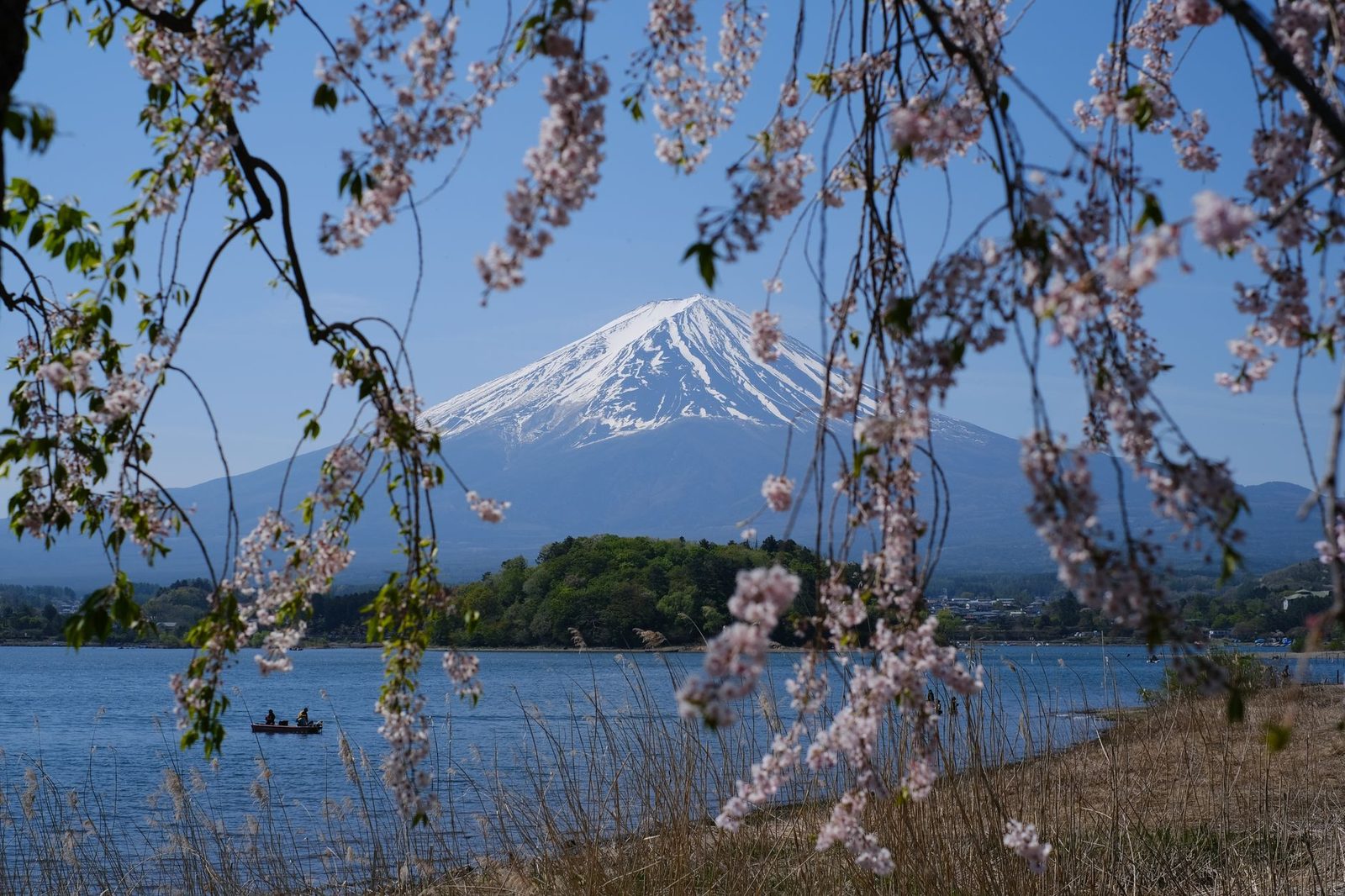
Mount Fuji in Cherry Blossom Season – Sakura Reflected on the Lake
5 min · seasonal
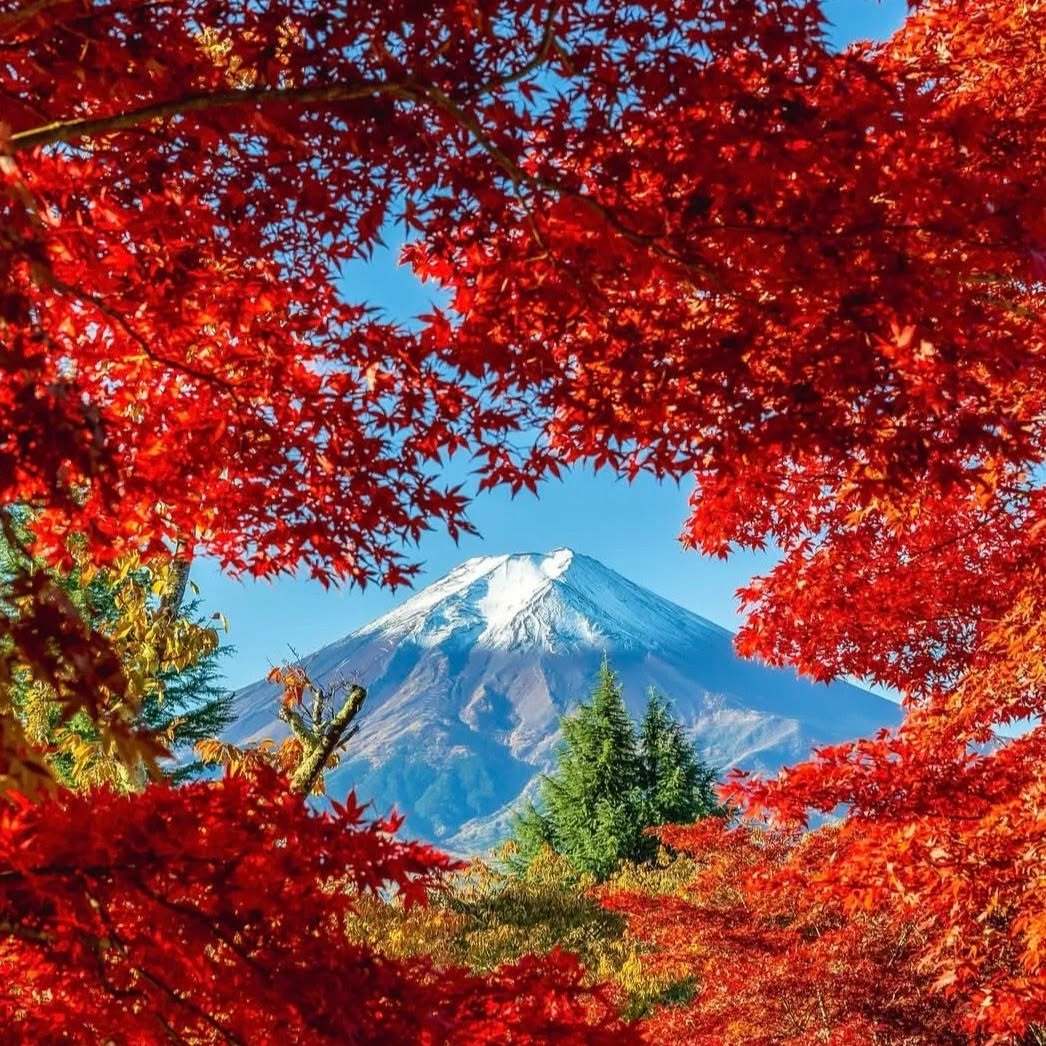
Mount Fuji in Fall – Koyo Season and the Blazing Colors Around Japan's Sacred Peak
6 min · seasonal
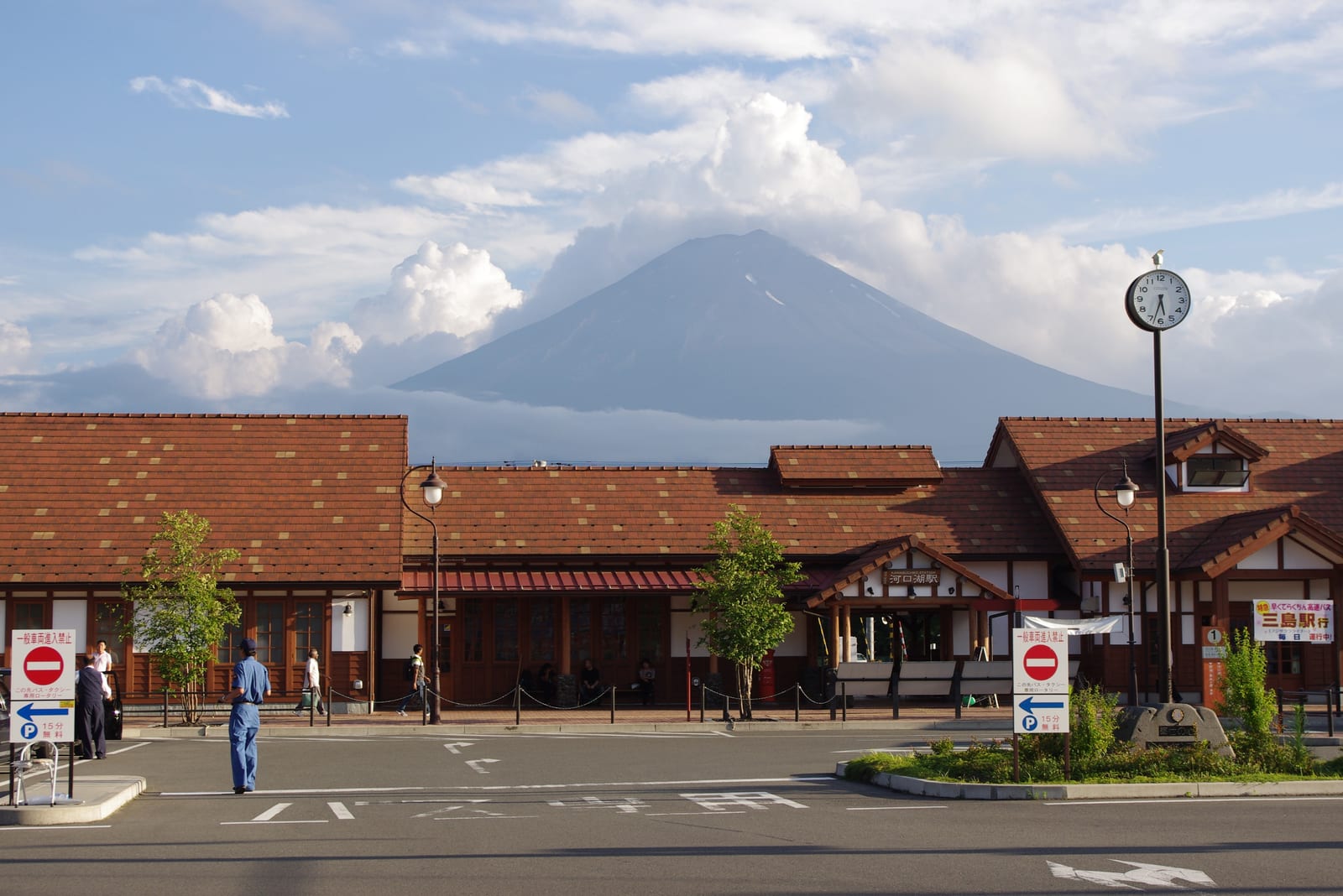
Seeing Mount Fuji Properly: Kawaguchiko, Hakone or Enoshima?
14 min · destinations
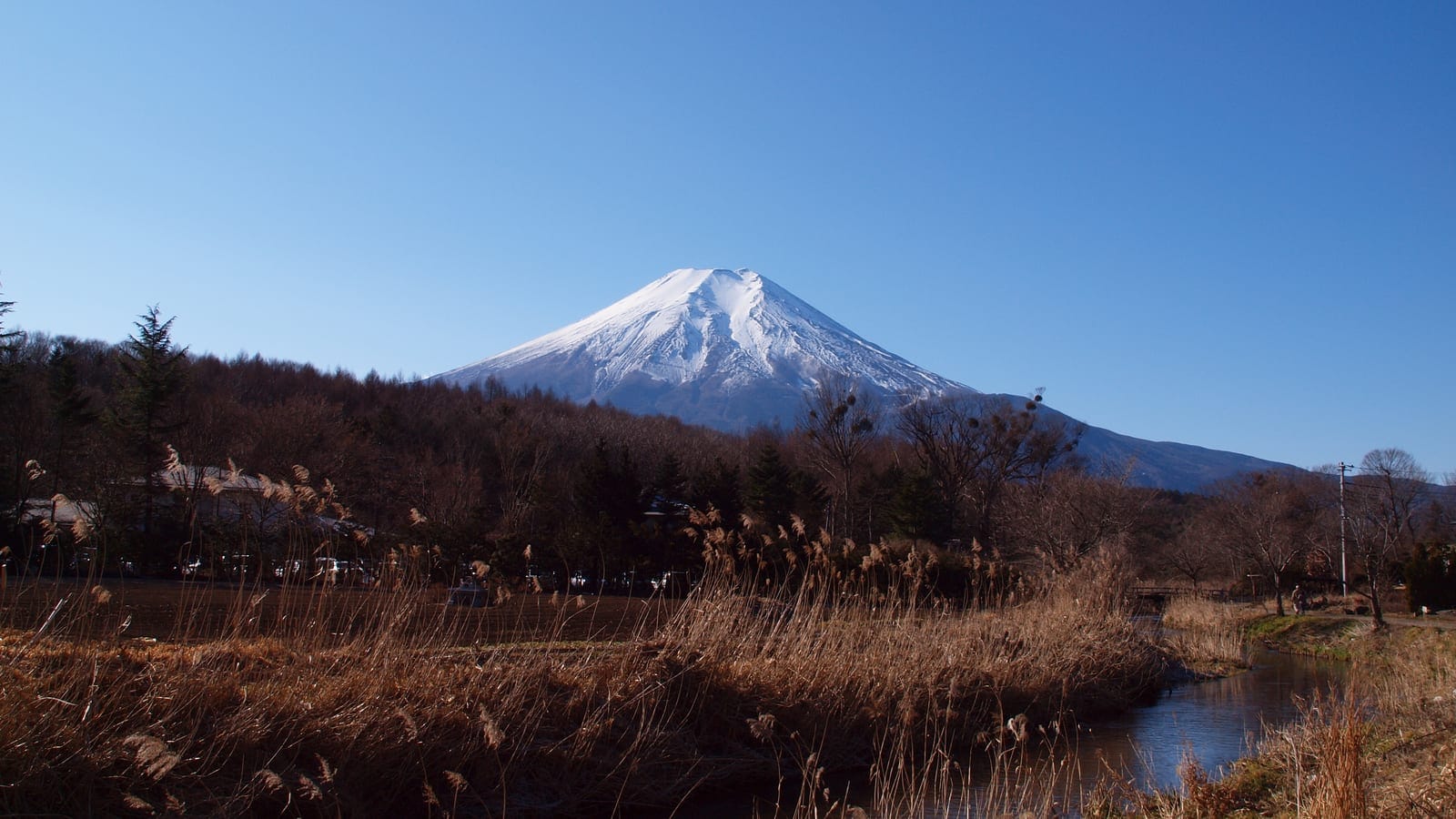
Mount Fuji in Winter – Snow-Capped Perfection Under Crystal-Clear Skies
5 min · seasonal