
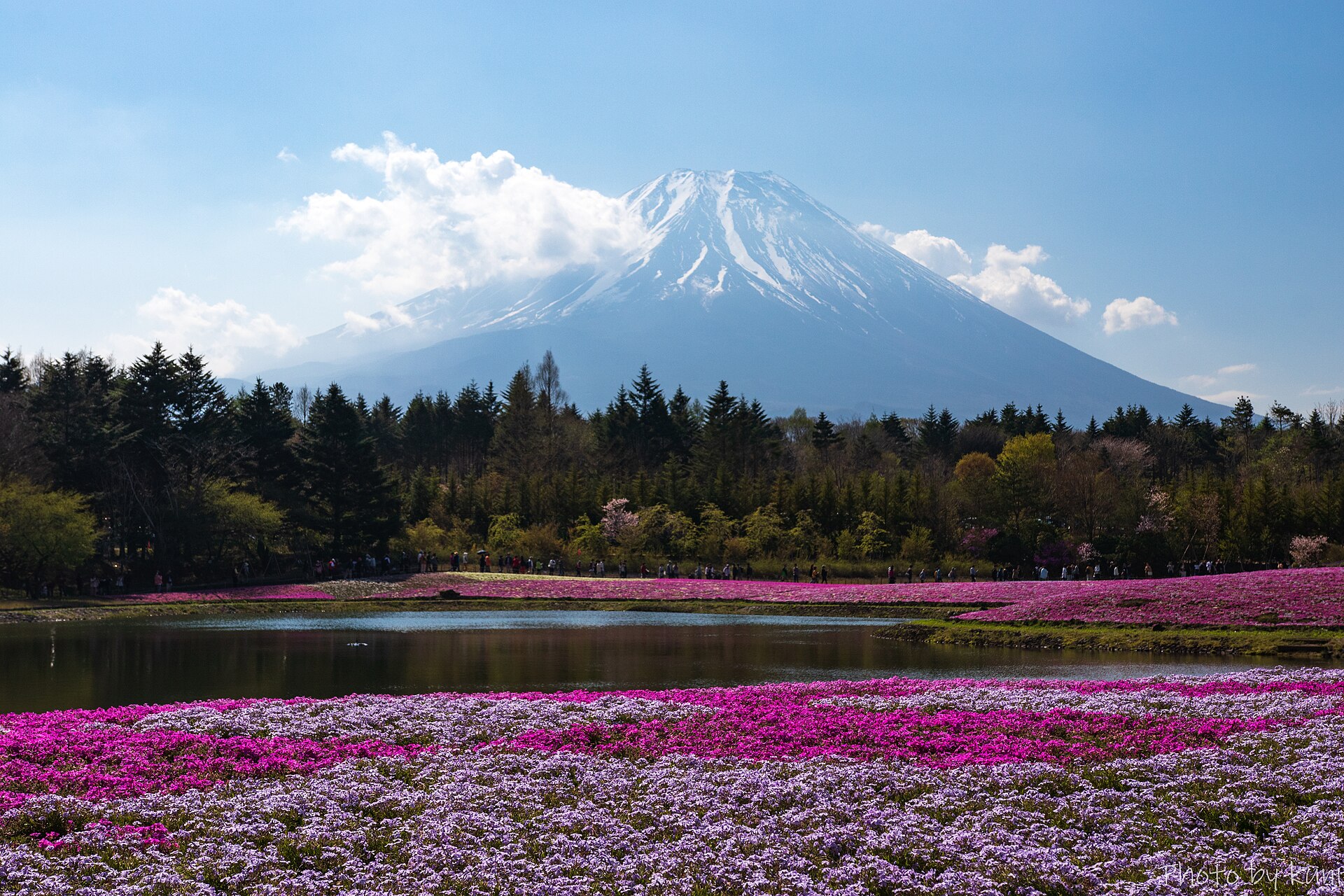
HiAce 10-Seater for Big Families: Tokyo, Fuji and Hakone Made Easy
Plan a smoother Japan family trip with a private 10-seat HiAce, child seats, luggage space and a flexible Tokyo–Fuji–Hakone route.
Aug 21, 2026·✍️ olablog·⏱ 8 min read
Plan a smoother Japan family trip with a private 10-seat HiAce, child seats, luggage space and a flexible Tokyo–Fuji–Hakone route.
Tap a region to browse articles
Travelling around Japan with a large family can be wonderful—but moving everyone between hotels, stations and sightseeing spots takes planning. A private 10-seat HiAce van with a professional driver gives your group one comfortable base for the day, without splitting up or navigating unfamiliar train connections with children and luggage.
For a classic Tokyo–Mount Fuji–Hakone journey, a HiAce is especially practical. Your driver can collect the family at your hotel, adjust the pace around nap times and meal breaks, and take you directly to places that are difficult to connect by public transport.
Why a 10-seat HiAce works for big families
A 10-seat HiAce is designed for group travel, with a passenger cabin that is more spacious and flexible than a standard taxi or private car. It is a good fit for families travelling together, including grandparents, young children and relatives carrying several suitcases.
The main advantages include:
- Everyone stays together: No splitting the group across multiple taxis or train carriages.
- Hotel-to-hotel convenience: Your driver can meet you at the agreed pickup point and drop you close to your next accommodation.
- More flexibility: Stop for snacks, photos, toilet breaks or a change of plan when the family needs it.
- Less station stress: Avoid stairs, crowded platforms and transfers with a stroller or tired children.
- Local driving support: A licensed Japanese operator handles the roads, parking and route logistics.
A 10-seat configuration does require sensible luggage planning. Ten passengers with large hard-shell suitcases may use most of the available space, particularly when the vehicle is carrying a stroller, child seats or shopping bags. When booking, provide the number and size of your bags so the recommended vehicle layout can be confirmed in advance.
Child seats and family comfort
Japan does not use exactly the same child-seat habits and terminology as every other country, so it is best to request the seats your children need when submitting your enquiry. Tell OlaChill each child’s age, height and approximate weight, along with whether you need an infant carrier, a toddler seat or a booster.
Child-seat availability and installation should be confirmed before the trip. The driver or local operations team can advise on the practical arrangement, but parents should always check that each child is seated comfortably and secured correctly before departure.
For a smoother day on the road, consider these simple preparations:
- Bring a compact stroller that can fold easily.
- Keep nappies, wipes, snacks and spare clothes in a small day bag.
- Pack motion-sickness supplies if your children are sensitive to winding roads.
- Carry water, especially during full-day sightseeing.
- Keep one change of clothing accessible rather than buried in the luggage compartment.
- Tell the team if anyone has mobility needs or requires extra boarding time.
A private van does not remove every travel-day challenge, but it gives your family somewhere calm to reset between stops.
Managing luggage in a 10-seat van
The best seating arrangement depends on your group size, suitcase count and whether the vehicle must carry a stroller. Families often have several combinations of passengers and bags, so share accurate information rather than assuming every layout will work.
| Family arrangement | What usually works best | Luggage planning |
|---|---|---|
| Large family with light carry-on bags | Keep most passenger seats available | Soft bags and cabin-size cases are easiest to arrange |
| Family with several large suitcases | Confirm the luggage volume before booking | A reduced passenger layout or additional luggage planning may be recommended |
| Family with a stroller and child seats | Reserve space for safe access and folding equipment | Keep daily essentials in a separate accessible bag |
| Family travelling between hotels | Load everything at the morning pickup | Ask the operator to confirm the vehicle’s practical capacity |
For a multi-city trip, consider sending some larger luggage ahead using Japan’s luggage delivery services and keeping only overnight essentials with you. This can make the Tokyo–Fuji–Hakone route much more comfortable. Your hotel may be able to help arrange delivery, but check the delivery timing before relying on it.
A family-friendly Tokyo–Fuji–Hakone route
Day one: Tokyo pickup and Mount Fuji area
Begin with a hotel pickup in Tokyo. Depending on your departure area and the family’s energy levels, your driver can take you towards the Fuji Five Lakes region or a selected viewpoint around Mount Fuji.
Popular family-friendly stops may include:
- Lake Kawaguchi: Lakeside scenery, relaxed walks and seasonal views.
- Oishi Park: An easy place for photos, gardens and a break outdoors.
- Arakurayama Sengen Park: A famous viewpoint, although the steps may not suit every child or grandparent.
- Oshino Hakkai: Traditional scenery and clear spring ponds, with food stalls nearby.
Mount Fuji visibility changes with weather and cloud cover, so avoid building the entire day around one photo spot. A private vehicle makes it easier to switch to another nearby attraction when conditions change.
Day two: Hakone sightseeing
From the Fuji area, continue to Hakone for a day of lakeside scenery, museums and hot-spring town atmosphere. Depending on operating conditions and your children’s ages, your family might enjoy:
- Lake Ashi: Scenic views and a relaxed waterfront stop.
- Hakone Shrine: A beautiful setting, though walking routes can include steps.
- Open-air museums: A good option for families who want art alongside outdoor space.
- Owakudani: Volcanic scenery and distinctive views, subject to weather and local access conditions.
Hakone’s roads can be winding, and queues may build at popular attractions. A driver familiar with the area can help coordinate drop-offs and suggest a practical sequence. Cable cars, boats and other attractions may still require separate tickets and may be affected by weather, so keep the itinerary flexible.
Day three: Hakone to Tokyo or onward
On the final day, your driver can take the group back to Tokyo, to an airport or towards another destination, depending on your booking. If you are returning to Tokyo, allow time for traffic and a comfortable break. Families with young children often enjoy a shorter final sightseeing stop rather than trying to fit in several attractions before check-in.
How much should a private HiAce trip cost?
As a broad planning guide, a private HiAce day covering Tokyo and nearby destinations may have an estimated range of ¥80,000–¥130,000, while a longer Tokyo–Fuji–Hakone arrangement may have an estimated range of ¥160,000–¥280,000. These are estimates only. The final amount depends on the route, hours, pickup locations, tolls, parking, season, vehicle availability and any additional requirements such as child seats.
The exact quote comes from the booking form. Share your dates, passenger count, luggage details, preferred stops and hotel locations so the itinerary can be assessed accurately. If your group needs multiple days, ask for the route to be priced as one complete plan rather than estimating each day separately.
Request a free quote from OlaChill and receive a reply within 24 hours.
Booking tips for a large family
Before submitting your request, prepare:
- Travel dates and the number of charter days
- Number of adults and children
- Children’s ages and requested child seats
- Suitcase count, approximate sizes and stroller details
- Tokyo, Fuji and Hakone hotel names
- Preferred attractions and any must-see locations
- Mobility, dietary or timing considerations
- Whether you need airport pickup or drop-off
The earlier you share these details, the easier it is to check vehicle suitability and create a route that does not feel rushed. Keep some breathing room between major stops—families usually enjoy Japan more when the schedule allows time for a bakery stop, an unexpected view or a tired child.
FAQ
Can ten passengers bring ten large suitcases?
Not always comfortably. A 10-seat HiAce may need a different seating arrangement when every passenger has a large suitcase, plus a stroller or child seats. Send your complete luggage details with the enquiry so the practical capacity can be confirmed.
Can we request child seats?
Yes, you can request child seats when booking. Include each child’s age, height and approximate weight, and explain whether you need an infant, toddler or booster seat. Availability and the final arrangement must be confirmed in advance.
Is Tokyo–Fuji–Hakone possible in one day?
It can be possible, but it may feel rushed for a large family. A multi-day route usually allows more time for meals, breaks, weather changes and child-friendly sightseeing. The best plan depends on your pickup location and must-see stops.
Can the driver change the itinerary?
A private charter offers more flexibility than a fixed group tour, but changes depend on driving hours, traffic, attraction access and the original booking. Discuss important alternatives with the operations team before the travel day.
Does the quote include everything?
Not necessarily. The estimate and final quote depend on the route and booking details. Confirm what is included, such as driver service, tolls, parking, child seats and attraction tickets, when you receive the exact quotation from the booking form.
More from this region — Mt. Fuji
View all →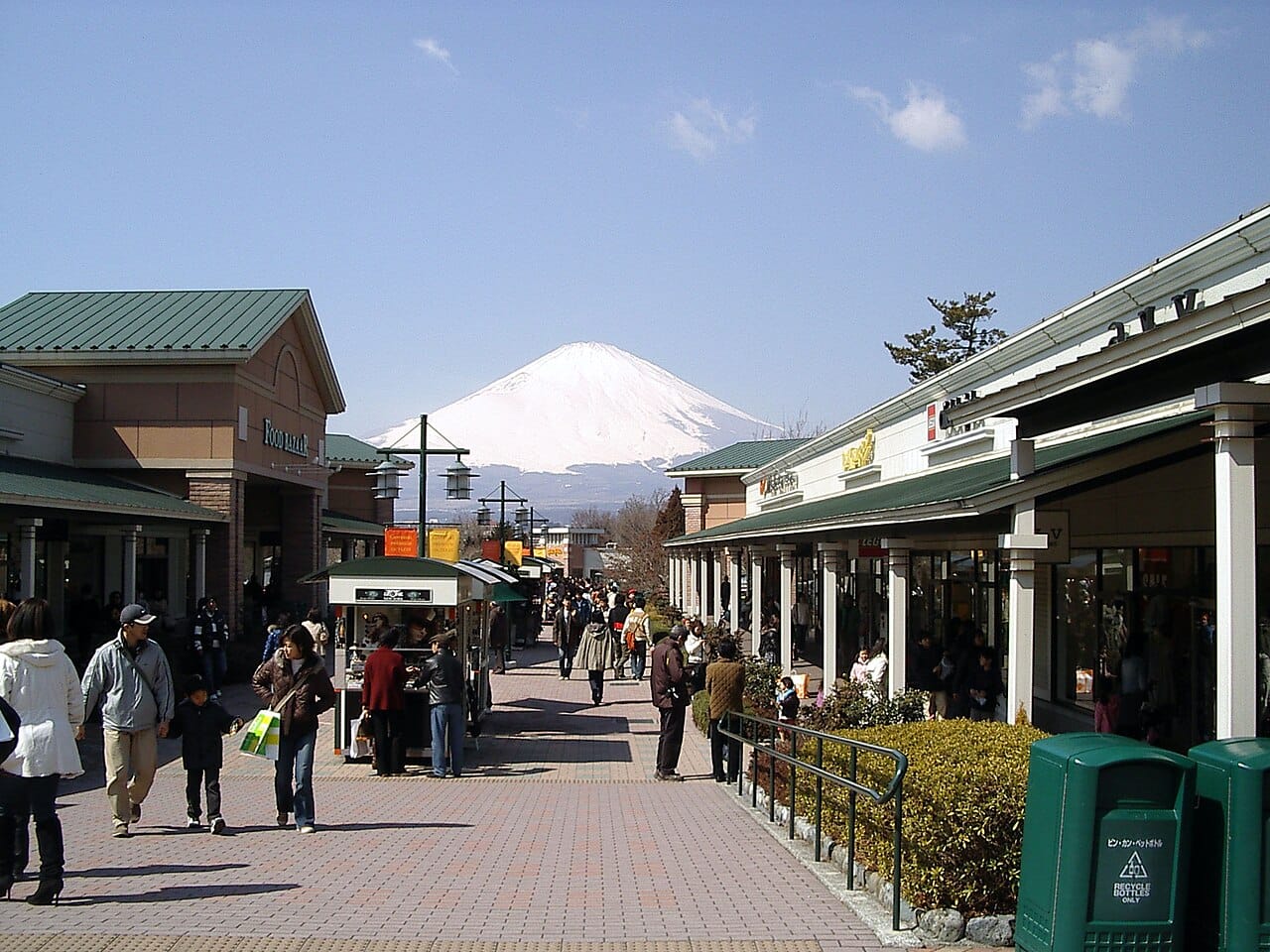
Comparing Outlets Near Tokyo: Gotemba, Kisarazu, and Iruma
8 min · tips
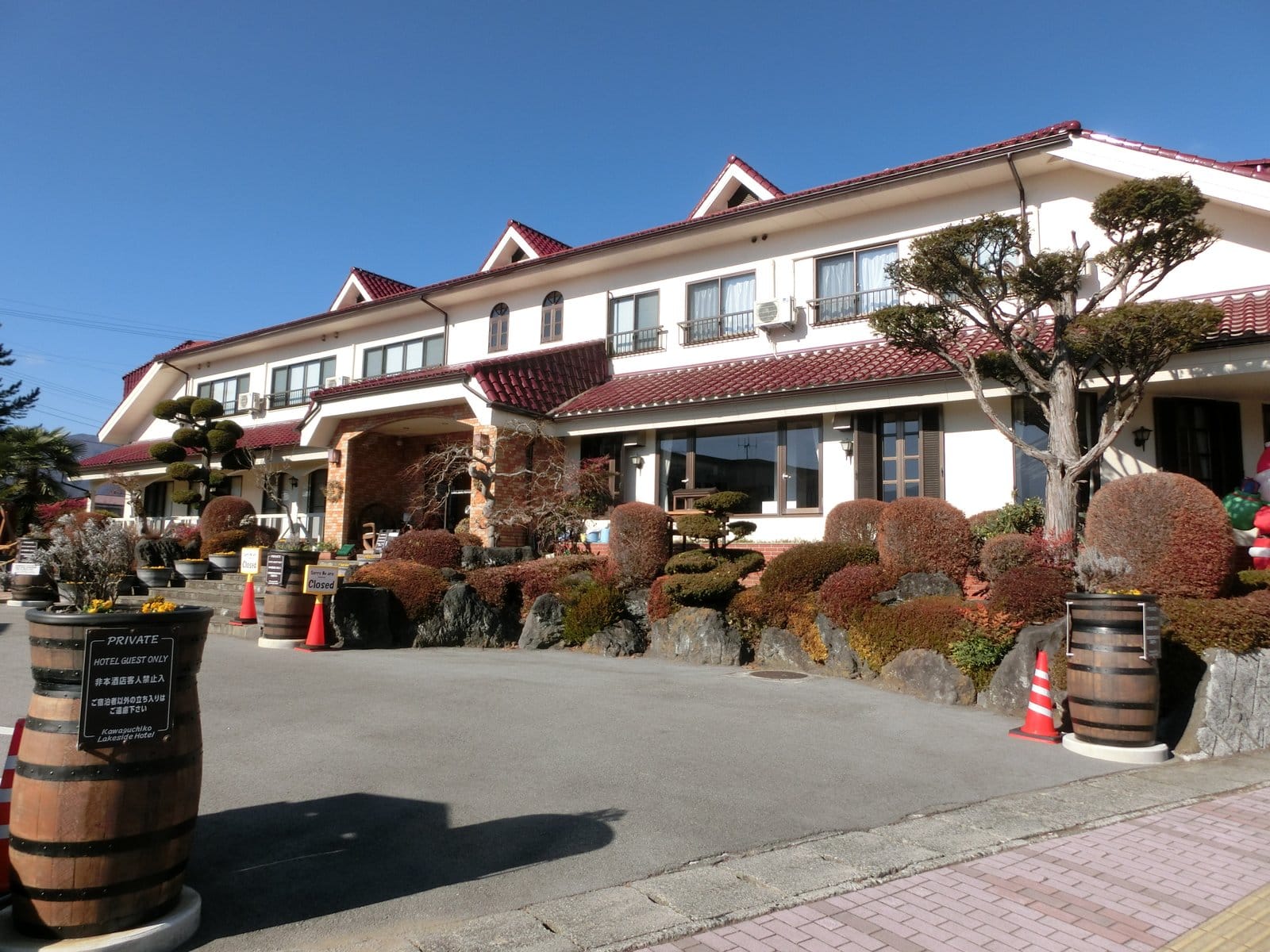
When Is Kawaguchiko at Its Most Beautiful? The Lake That Perfectly Mirrors Mount Fuji
5 min · destinations
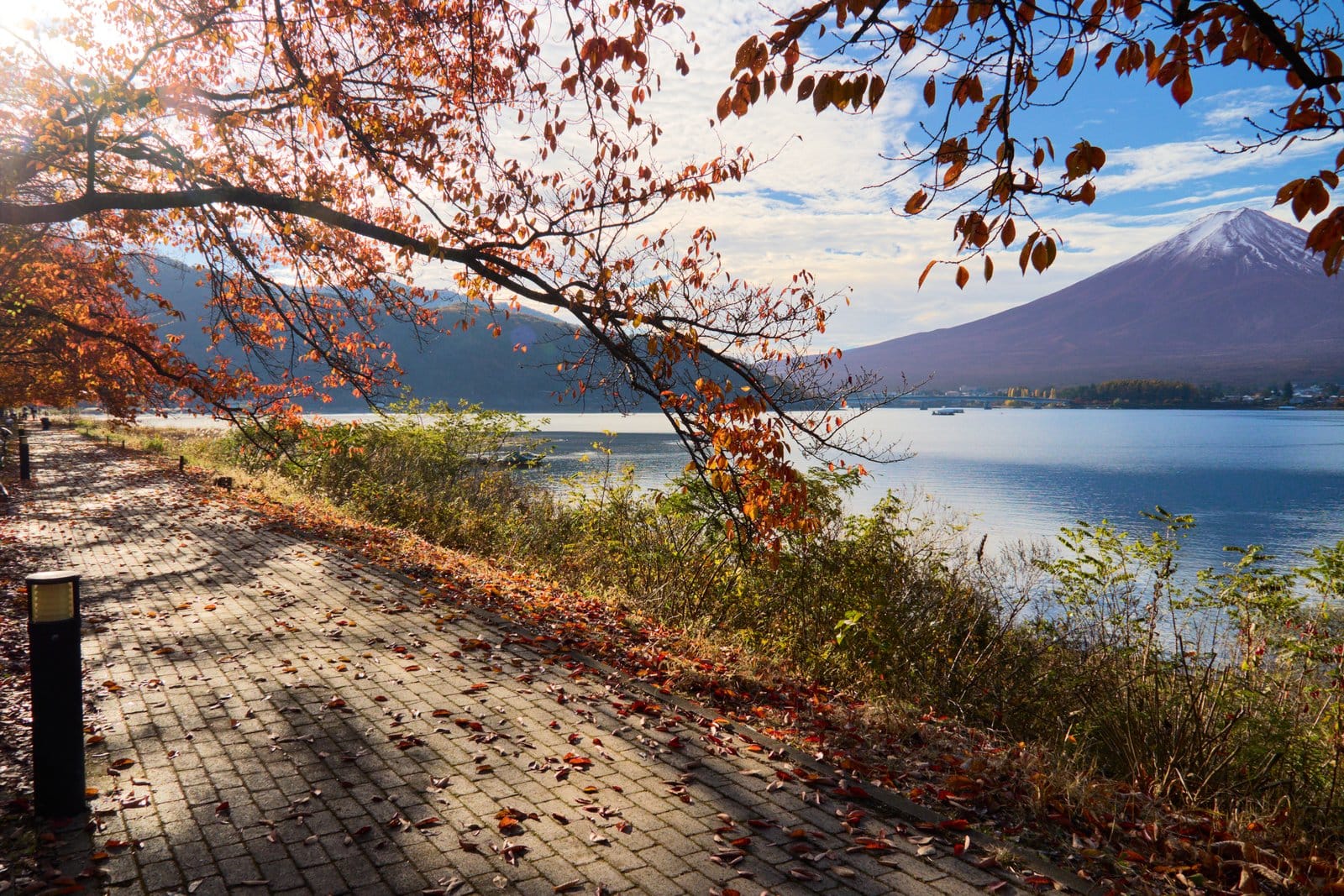
Kawaguchiko — 7 Best Spots to See Mount Fuji (+ How to Get There from Tokyo)
9 min · destinations
5 Best Day Trips from Tokyo: Kamakura, Nikko, Hakone, Kawaguchi, Yokohama
8 min · itineraries