Japan Honeymoon Itinerary for Indian Couples
Plan your dream Japan honeymoon! An 8-day itinerary for Indian & Bangladeshi couples, covering Tokyo to Hakone, private onsen, Mt Fuji views, and budget tips.
Jul 10, 2026·✍️ olablog·⏱ 17 min read
Plan your dream Japan honeymoon! An 8-day itinerary for Indian & Bangladeshi couples, covering Tokyo to Hakone, private onsen, Mt Fuji views, and budget tips.
Japan offers an unparalleled blend of ancient traditions and futuristic marvels, making it an idyllic backdrop for a honeymoon, especially for couples from India and Bangladesh seeking a unique romantic escape. Imagine yourselves navigating bustling Tokyo intersections, then unwinding in a serene Hakone ryokan with a private onsen, all for an estimated cost starting from around ¥250,000 (approx ₹140,000) per person for an 8-day trip, excluding flights. This itinerary focuses on creating unforgettable memories, balancing urban exploration with tranquil natural beauty, specifically designed to address common concerns regarding food, privacy, and budget.
Planning Your Journey: From India/Bangladesh to Japan
Embarking on a Japan honeymoon requires careful planning, especially concerning visas, the best time to visit, and managing connectivity. For Indian and Bangladeshi passport holders, a tourist visa is mandatory. Begin your application process well in advance, typically 2-3 months before your intended travel date, through the Japanese embassy or consulate in your respective country. Requirements generally include a valid passport, visa application form, recent photographs, flight and hotel bookings, and a detailed itinerary. Proof of financial solvency is also crucial.
Choosing the right time to visit significantly enhances the experience. Spring (March-May) with its cherry blossoms (Sakura) and autumn (October-November) with vibrant foliage are universally popular for their mild weather and stunning scenery, but also command higher prices and larger crowds. Summer (June-August) brings warmer temperatures and Japan's tsuyu (monsoon season), similar to parts of India and Bangladesh, with humidity and rain, while winter (December-February) can be cold, especially in mountainous regions like Hakone, offering unique snowy landscapes. For a honeymoon, aiming for late spring or early autumn often provides the best balance of pleasant weather and fewer crowds than peak Sakura season, while still enjoying beautiful scenery.
Staying connected is vital. We recommend purchasing an eSIM or a local physical SIM card upon arrival, offering reliable data for navigation, translations, and staying in touch with loved ones. Options like 'Sakura Mobile' or 'Mobal' provide excellent tourist SIM plans. Alternatively, portable Wi-Fi routers (pocket Wi-Fi) are available for rent at airports or online, perfect for sharing connectivity between devices, often costing around ¥500-1,000 (approx ₹280-560) per day. While free public Wi-Fi is available in many urban areas and major train stations, it can be unreliable, so a dedicated connection is advisable.
Regarding budget, Japan can cater to various tiers. A Budget-Conscious trip might focus on business hotels, street food, and local trains, costing around ¥250,000-350,000 (approx ₹140,000-196,000) per person for 8 days. A Mid-Range experience, encompassing comfortable hotels, a ryokan stay, some fine dining, and bullet train travel, could range from ¥350,000-500,000 (approx ₹196,000-280,000) per person. For a Luxury honeymoon, including premium hotels, exclusive ryokans with private onsen, gourmet meals, and private transfers, expect upwards of ¥500,000 (approx ₹280,000) per person. These figures exclude international flights.
Tokyo's Romantic Pulse: Days 1-4
Your honeymoon begins in Tokyo, a city that pulsates with an energy unlike any other. For couples, it offers a dynamic blend of modern attractions, serene gardens, and unique cultural experiences, perfect for creating lasting memories.
Day 1: Arrival & Shinjuku's Neon Glow
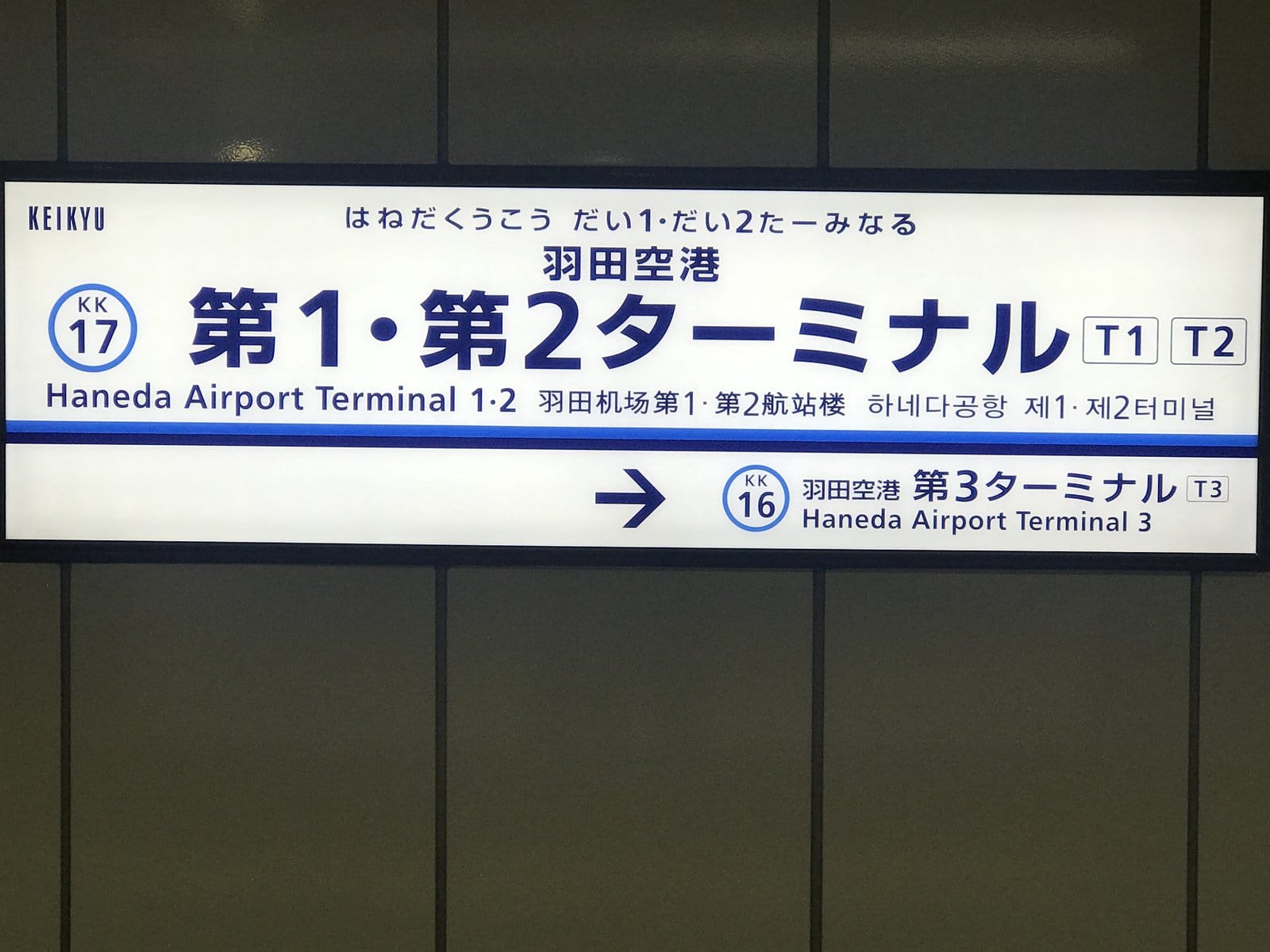
Upon landing at Narita (NRT) or Haneda (HND) Airport, your first task is to reach your Tokyo accommodation. From Narita, the Narita Express (N'EX) is highly recommended for its comfort and direct service to major stations like Shinjuku, Shibuya, and Tokyo Station, costing around ¥3,250 (approx ₹1,820). The journey takes approximately 60-90 minutes. From Haneda, the Keikyu Line or Tokyo Monorail offer quick connections to central Tokyo, with fares typically under ¥700 (approx ₹390). Consider a Welcome Suica or Pasmo card upon arrival; these reloadable IC cards function like Delhi Metro cards, allowing seamless travel on all local trains and subways, and even for purchases at convenience stores.
Check into your hotel in Shinjuku, a vibrant district offering diverse dining and entertainment. For a romantic start, consider hotels like the Park Hyatt Tokyo (luxury) or Hotel Gracery Shinjuku (mid-range). After settling in, take a leisurely stroll through Shinjuku Gyoen National Garden, a tranquil oasis amidst the city skyscrapers. Entry is ¥500 (approx ₹280). In the late afternoon, head to the Tokyo Metropolitan Government Building for free panoramic city views from its observation decks. As dusk falls, the district transforms. While Golden Gai and Omoide Yokocho (Piss Alley) offer a glimpse into Tokyo's nightlife, they are more about atmosphere than dining for most Indian/Bangladeshi couples. Instead, choose a romantic dinner at a restaurant overlooking the city, such as those in the Shinjuku high-rise buildings.
Day 2: Imperial Grandeur & Digital Art Wonders
Start your day with a visit to the Imperial Palace East Garden, the former site of Edo Castle. Entry is free, and the gardens offer a serene walk, especially beautiful in the morning light. Note that the inner palace grounds are generally not open to the public, except for specific dates. From there, take a short subway ride to Ginza, Tokyo's upscale shopping district. Even if luxury shopping isn't on your agenda, a stroll along Chuo-dori (especially when it's closed to traffic on weekends) offers a glimpse into Tokyo's refined side. Enjoy a coffee at one of the elegant cafes or explore department stores like Mitsukoshi and Ginza Six.
The afternoon is dedicated to a truly immersive and romantic experience: teamLab Planets TOKYO. This digital art museum offers interactive exhibits where visitors wade through water and are surrounded by stunning light installations, creating incredible photo opportunities for couples. Book tickets well in advance online, as they often sell out. Entry is around ¥3,200 (approx ₹1,790). Plan for 1.5-2 hours. In the evening, consider a romantic Sumida River cruise from Asakusa, offering illuminated views of the Tokyo Skytree and city skyline, or ascend the Tokyo Skytree itself for breathtaking night vistas (around ¥3,100 / approx ₹1,740 for combined tickets).
Day 3: Traditional Temples & Shibuya's Iconic Energy
Begin your day in Asakusa, Tokyo's spiritual heart. Explore Senso-ji Temple, Tokyo's oldest temple, and the bustling Nakamise-dori market street leading up to it. This is an excellent spot for souvenir shopping and trying traditional Japanese snacks (look for mochi or senbei). Be mindful of crowded areas and respectful temple etiquette. For a different perspective, consider renting traditional kimonos and taking photos around the temple grounds – a popular and romantic couple activity.
After lunch (plenty of vegetarian-friendly options exist in Asakusa, including tempura restaurants and noodle shops that can prepare vegetable-only dishes), head to Ueno Park. This expansive park houses several museums, including the Tokyo National Museum and the National Museum of Western Art, as well as Ueno Zoo. A leisurely walk through the park, perhaps visiting a specific museum of interest, offers a relaxed afternoon.
Conclude your day in Shibuya, home to the world-famous Shibuya Crossing. Experience the organized chaos as thousands of people cross simultaneously, a truly iconic Tokyo moment. Take photos from the Starbucks overlooking the crossing or from the pedestrian level. Don't miss the Hachiko statue, a poignant symbol of loyalty. For unparalleled city views and stunning sunset photo opportunities, ascend to Shibuya Sky, an open-air observation deck atop the Shibuya Scramble Square building. Tickets cost around ¥2,200 (approx ₹1,230) and should be booked online in advance.
Day 4: Cultural Day Trip to Nikko
On your fourth day, escape the urban bustle with a romantic day trip to Nikko, a UNESCO World Heritage site known for its lavishly decorated shrines and temples nestled in a beautiful natural setting. The journey from Tokyo (Shinjuku or Asakusa) takes approximately 2 hours by Tobu Limited Express train, costing around ¥2,800 (approx ₹1,570) one-way. The Nikko Pass (various types available) can be a cost-effective option, offering unlimited train and bus travel in the area.
Upon arrival, take the local bus to the main shrine area. Explore the opulent Toshogu Shrine, the mausoleum of Tokugawa Ieyasu, Japan's most famous shogun. Admire the intricate carvings, including the famous "three wise monkeys" (see no evil, hear no evil, speak no evil). Stroll through the tranquil grounds of Futarasan-jinja Shrine and Taiyuinbyo Mausoleum. The natural beauty surrounding Nikko, with its cedar forests and picturesque streams, provides a romantic backdrop for couples.
For lunch, look for local restaurants offering yuba (tofu skin) dishes, a Nikko specialty, many of which are vegetarian-friendly. If time permits, consider visiting Kegon Falls, one of Japan's most beautiful waterfalls, accessible by a short bus ride and an elevator descent (¥570 / approx ₹320). Return to Tokyo in the evening, perhaps enjoying a final romantic dinner in one of Tokyo's diverse culinary districts.
The Hakone Dream: Private Onsen & Mt. Fuji Views (Days 5-6)
After the vibrant energy of Tokyo, it’s time to immerse yourselves in the serene beauty of Hakone, a mountainous town renowned for its hot springs (onsen), stunning views of Mount Fuji, and artistic attractions. This is where your honeymoon truly embraces tranquility and intimate experiences.
Day 5: Journey to Hakone & Lake Ashi Charm
Travel from Tokyo to Hakone is part of the experience. From Shinjuku, take the Odakyu Romancecar direct to Hakone-Yumoto Station. This comfortable, scenic limited express train takes about 85 minutes and costs approximately ¥2,330 (approx ₹1,300). Alternatively, you can take a Shinkansen (bullet train) from Tokyo Station to Odawara, then transfer to the local Hakone Tozan Line to Hakone-Yumoto. The Hakone Free Pass is highly recommended for couples, offering unlimited rides on most local transportation (trains, buses, ropeways, boats) within the Hakone area for 2 or 3 days, saving you considerable money. A 2-day pass is around ¥6,100 (approx ₹3,416) from Shinjuku.
Upon arrival at Hakone-Yumoto, check into your chosen ryokan. This is a highlight for many couples, especially those from India and Bangladesh, due to the emphasis on privacy. Many ryokans in Hakone offer rooms with private open-air onsen (rotenburo), allowing couples to enjoy the therapeutic hot springs together in complete seclusion. This is particularly appealing for those who may feel uncomfortable with public bathing due to cultural norms or tattoos. When booking, explicitly search for "room with private onsen" or "kashikiri-buro" (private reserved bath). Reputable options include Gora Kadan (luxury), Hakone Ginyu (luxury), or Hotel Kajikaso (mid-range with some private options). Expect to pay anywhere from ¥40,000-100,000+ (approx ₹22,400-56,000+) per night for a room with a private onsen, often including a lavish multi-course dinner and breakfast.
After settling in, embark on the classic Hakone Loop journey. Start with the scenic Hakone Tozan Railway to Gora, then the Hakone Tozan Cable Car to Sounzan. From Sounzan, take the Hakone Ropeway over the active volcanic valley of Owakudani, offering breathtaking panoramic views, including Mt. Fuji on clear days. Descend to Togendai and enjoy a romantic cruise across Lake Ashi on a pirate ship replica. The cruise provides stunning views of the torii gate of Hakone Shrine and, again, Mt. Fuji if weather permits. Disembark at Hakone-machi or Moto-Hakone for a short walk to the Hakone Shrine, nestled in a peaceful forest. Return to your ryokan for a traditional kaiseki dinner and a relaxing dip in your private onsen.
Day 6: Mt. Fuji Serenity & Artistic Exploration
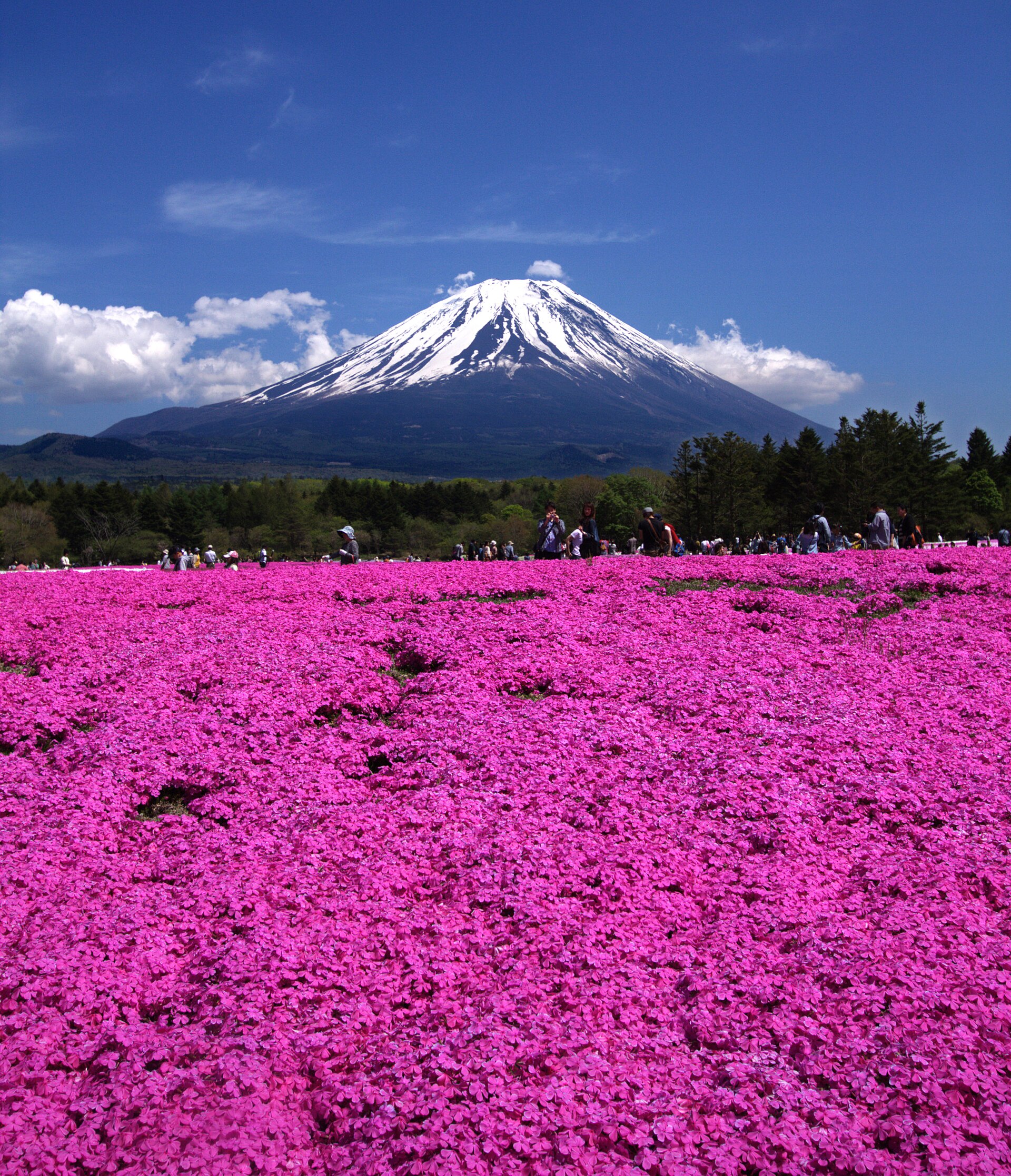
Dedicate this day to soaking in the beauty of Hakone and, hopefully, the majestic presence of Mt. Fuji. If you didn't get clear views on Day 5, try again from the Hakone Ropeway or Lake Ashi. Another excellent spot for Fuji views is the Onshi-Hakone Park, located on a peninsula jutting into Lake Ashi, offering unobstructed vistas.
Mid-morning, visit the Hakone Open-Air Museum. This unique museum combines stunning outdoor sculptures with the natural landscape, creating a beautiful and contemplative setting for couples to explore. It features works by Henry Moore, Picasso, and numerous Japanese artists, providing excellent photo opportunities amidst art and nature. Entry is ¥1,600 (approx ₹896).
Spend your afternoon relaxing at your ryokan, enjoying the private onsen, perhaps indulging in a couple's massage (some ryokans offer this, inquire when booking), or simply unwinding in your traditional Japanese room. This is your chance to fully embrace the tranquility and intimacy of the Hakone experience. For vegetarian/halal meals, inform your ryokan well in advance (at least a week). They are generally very accommodating and can prepare specific meals, replacing meat/fish with tofu and vegetables. Expect a beautifully presented, delicious meal. In the evening, enjoy another exquisite ryokan dinner, reflecting on the peaceful moments shared.
Ryokan & Onsen Etiquette for Indian/Bangladeshi Couples:
- Privacy & Tattoos: Choosing a ryokan with a private in-room onsen or a reservable private bath (kashikiri-buro) is ideal for couples from India/Bangladesh, ensuring complete privacy and addressing any concerns regarding public nudity or visible tattoos, which are often associated with Yakuza in Japan and can sometimes restrict entry to public baths. Always confirm private bath availability when booking.
- Pre-Bath Shower: Before entering any onsen (private or public), you must thoroughly wash your body with soap and rinse off at the designated washing area. This is a fundamental rule of hygiene.
- Nudity: Onsen are enjoyed naked. If using a private onsen, this is less of a concern. For public baths, towels are not permitted in the water. You can use a small modesty towel to cover yourself while walking to and from the bath, but it should not enter the bathwater.
- Silence: Maintain a respectful, quiet demeanor. Onsen are for relaxation.
- Hair: Long hair should be tied up to keep it out of the water.
- No Food/Drink: Do not bring food or drinks into the onsen area.
- Pace: Soak for 5-10 minutes, then take a break. Repeat a few times. Don't overdo it, especially if you're not used to hot springs.
Returning to Tokyo: Shopping & Farewell (Day 7-8)
Your journey circles back to Tokyo, offering a chance for last-minute souvenir shopping, revisiting a favorite spot, or exploring something new before your departure.
Day 7: Tokyo Revisited & Romantic Farewell
Travel back to Tokyo from Hakone, again using the Romancecar or Shinkansen, which takes roughly 1.5-2 hours. Check into a hotel in a different district, perhaps Shibuya or Ginza, to experience another facet of the city. This day offers flexibility.
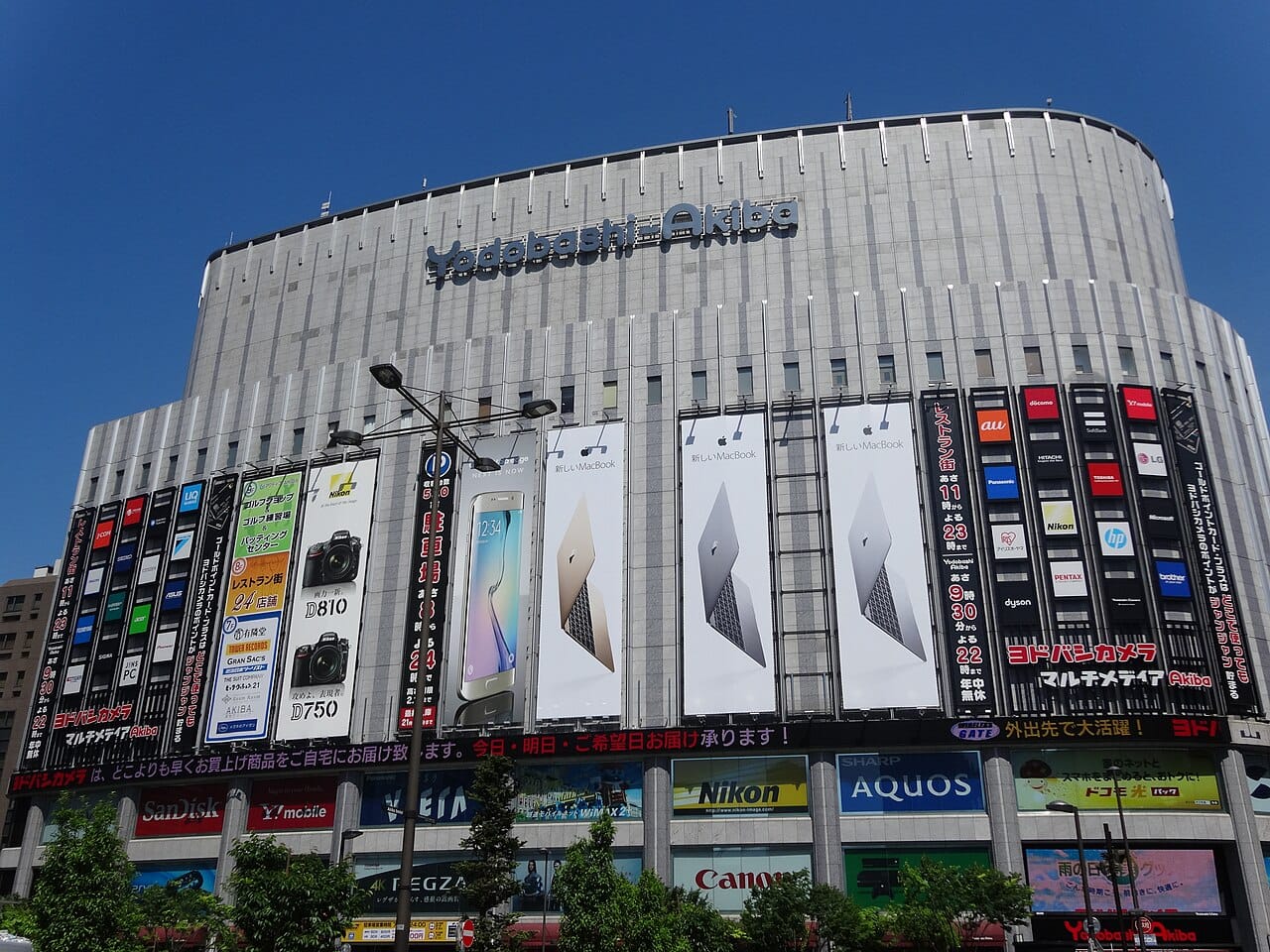
For couples keen on shopping, explore areas like Shinjuku for department stores and electronics, Shibuya for trendy fashion, or Akihabara for anime, manga, and electronics (a fun spot even if you're not hardcore fans). If you're looking for unique Japanese crafts or souvenirs, Nakamise-dori in Asakusa (if you wish to revisit) or the numerous small shops around Ginza and Nihonbashi offer quality items. Don't forget to visit a donki (Don Quijote) store for an overwhelming array of quirky Japanese goods, snacks, and cosmetics – a fun experience for couples.
Consider a final romantic experience. Perhaps a visit to the Ghibli Museum (requires advance booking, often months ahead, as tickets sell out instantly) for fans of Studio Ghibli films, or a leisurely afternoon at Yanaka Ginza Shopping Street, a charming, old-Tokyo neighborhood with a relaxed atmosphere, perfect for a peaceful stroll and enjoying local snacks. In the evening, indulge in a special farewell dinner. Tokyo boasts an incredible culinary scene; consider a high-end teppanyaki restaurant, a quiet sushi spot (with vegetarian options available), or an Indian restaurant for a taste of home. Many excellent Indian and Bangladeshi restaurants can be found across Tokyo, particularly in areas like Shinjuku and Ginza.
Day 8: Departure
Enjoy a final Japanese breakfast at your hotel or a local cafe. Depending on your flight schedule, you might have time for some last-minute souvenir shopping near your hotel or a visit to a park. Ensure you leave ample time to travel to Narita or Haneda Airport. For Narita, aim for at least 3 hours prior to your international flight departure time, factoring in travel time from your hotel (1-1.5 hours by N'EX or Limousine Bus, approx ¥3,200 / ₹1,790). For Haneda, 2.5-3 hours should suffice (30-60 minutes by train/monorail, approx ¥700 / ₹390). Double-check your flight terminal and plan your transport accordingly.
Culinary Delights: Vegetarian, Halal & Beyond
Food is a significant part of any travel experience, and for Indian and Bangladeshi couples, finding suitable vegetarian and halal options in Japan can be a concern. While traditional Japanese cuisine heavily features seafood and dashi (fish stock), Tokyo and Hakone have become increasingly accommodating.
Vegetarian Dining:
- HappyCow App/Website: This is your best friend. It lists vegetarian and vegan restaurants, cafes, and stores worldwide, with reviews and directions.
- Temple Cuisine (Shojin Ryori): In areas like Nikko or near Buddhist temples, Shojin Ryori is traditional Buddhist vegetarian cuisine, usually vegan and exquisitely prepared. It's a unique and authentic Japanese dining experience.
- Noodle Shops: Many ramen and udon shops now offer vegetarian broths, often clearly marked. Ask for "yasai ramen" (vegetable ramen) or "niku-nashi" (no meat). Be specific about dashi if you avoid fish products – "dashi-nashi" (no dashi).
- Tempura: Many tempura restaurants can prepare mixed vegetable tempura. Ensure they use separate oil for vegetarian items if cross-contamination is a concern.
- Curry: Japanese curry (often served with rice, katsu or fried cutlets) is popular. Vegetarian versions are available at specialty curry shops.
- Convenience Stores: Konbini (7-Eleven, FamilyMart, Lawson) are lifesavers. They offer a range of vegetarian-friendly items like onigiri (rice balls, check fillings), salads (read ingredients carefully), boiled sweet potatoes, and various snacks.
- Indian Restaurants: Tokyo and other major cities have a good number of Indian restaurants, offering familiar flavors and guaranteed vegetarian options. Many are run by chefs from India and Bangladesh.
Halal Dining:
- Halal Certified Restaurants: The number of halal-certified restaurants is growing, especially in Tokyo. Look for "Halal" signs or check online resources like Halal Gourmet Japan or Salam Groovy Japan.
- Muslim-Friendly Options: Some restaurants may not be fully halal-certified but offer "Muslim-friendly" menus, using halal meat where specified or avoiding pork and alcohol. Always confirm with staff.
- Prayer Rooms: Major airports (Narita, Haneda) and some large shopping malls have prayer rooms.
- Self-Catering: If staying in an Airbnb or apartment with a kitchen, consider purchasing groceries from supermarkets. While halal meat can be harder to find, fresh produce, rice, and vegetarian ingredients are widely available.
General Tips for Food:
- Language Barrier: Carry a translation app or a small card with key phrases like "I am vegetarian," "no meat," "no fish," "no dashi," "halal," "no pork," "no alcohol."
- Flexibility: While Japan is becoming more accommodating, maintaining some flexibility helps. Sometimes, a delicious side dish of pickles or rice might be your main meal.
- Snacks: Always carry some familiar snacks from home, especially for emergencies or long travel days.
Smart Travel: Transport & Budgeting Tips
Navigating Japan's efficient transport system and managing your budget effectively are key to a smooth honeymoon.
Transport Essentials
Japan's public transportation is world-class.
- Japan Rail Pass (JR Pass): For an 8-day trip, a 7-day JR Pass might be worth considering if you plan extensive travel beyond Tokyo and Hakone (e.g., adding Kyoto). However, for a Tokyo-Hakone-Tokyo itinerary, individual tickets or regional passes are usually more cost-effective. A 7-day Ordinary JR Pass costs around ¥50,000 (approx ₹28,000). The N'EX and some Shinkansen sections are covered, but the Hakone Free Pass (for Hakone specific transport) is separate.
- IC Cards (Suica/Pasmo): As mentioned, these are indispensable for local travel. Purchase upon arrival at any major station. Load them with ¥5,000-10,000 (approx ₹2,800-5,600) initially.
- Google Maps: Essential for real-time train schedules, platform numbers, and directions. Input your destination, and it will provide the fastest route, including transfers and fares. The Tokyo Metro is extensive but easy to navigate once you get the hang of it, similar to the well-organized Delhi Metro.
- Limousine Bus: For airport transfers, especially with luggage, the Airport Limousine Bus is a comfortable option that drops you directly at many major hotels. Tickets can be purchased at the airport.
- Taxis: Taxis are expensive in Japan. Use them sparingly, mainly for short distances or when public transport is not feasible late at night. A short ride might cost ¥700-1,500 (approx ₹390-840).