
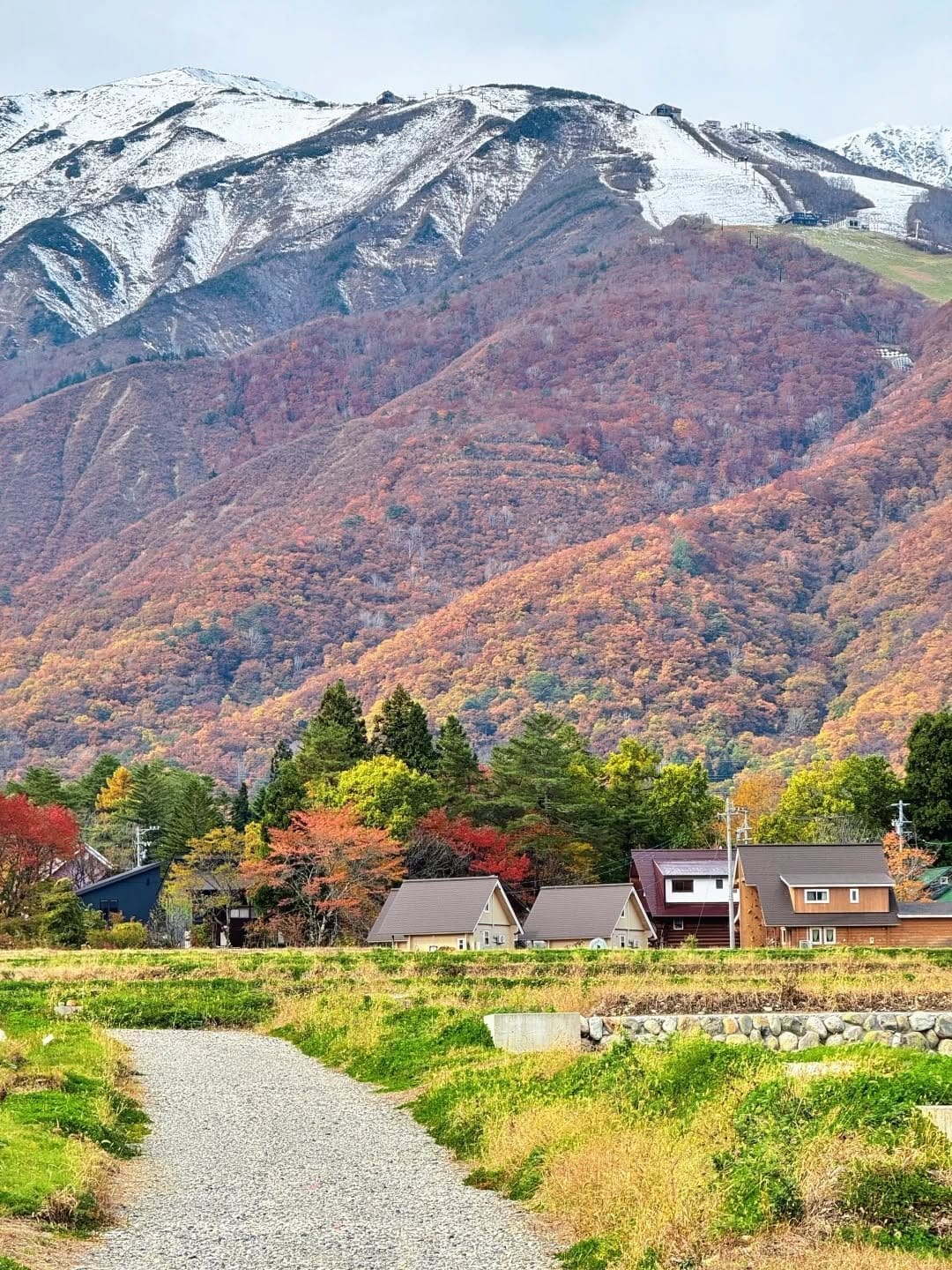
Getting to Nagano from Tokyo in Autumn: Shinkansen, Limited Express, or Night Bus?
An honest comparison of the Hokuriku Shinkansen, the Chuo limited express to Matsumoto, highway buses from Shinjuku and driving — plus which gateway serves which cluster, whether a rail pass pays off, and the last-train trap.
Aug 14, 2026·✍️ olablog·⏱ 11 min read
An honest comparison of the Hokuriku Shinkansen, the Chuo limited express to Matsumoto, highway buses from Shinjuku and driving — plus which gateway serves which cluster, whether a rail pass pays off, and the last-train trap.
Tap a region to browse articles
The most expensive mistake on a Nagano autumn trip has nothing to do with money. It is riding a fast, comfortable, perfectly punctual train to entirely the wrong station.
Nagano is a prefecture, not a destination. Its autumn clusters — Zenkoji and the snow monkeys in the north, Kamikochi and Norikura in the south, Hakuba against the western wall, Karuizawa near the Tokyo end — are separated by hours of mountain road and, crucially, connect to each other by no fast train at all. Choosing the right gateway matters more than choosing the right vehicle.
Below: the four realistic ways in, whether a JR pass is worth buying, and the scheduling trap that ruins more autumn day trips than bad weather. Fares and timetables are revised seasonally, so every figure here is a planning estimate — confirm on the official operator sites before booking.
First: which gateway do you actually need?
Nagano Station — the northern gateway
On the Hokuriku Shinkansen, and the door to Zenkoji temple, Jigokudani (the hot-spring monkey park), Shiga Kogen and the Hakuba valley. Express buses to Hakuba leave from in front of the station, roughly an hour to an hour and a quarter; the private Nagano Dentetsu line runs toward Yudanaka for the monkeys. It is also the cheapest sensible overnight base at peak foliage — rooms cost noticeably less than Hakuba, and you still catch the first morning bus.
Matsumoto — the southern gateway
Matsumoto is not on the shinkansen, and this single fact wrecks more itineraries than anything else. It sits on the Chuo line, reached by limited express from Shinjuku, and it is the door to Kamikochi, Norikura, the Kiso valley and Lake Suwa — effectively the southern half of the prefecture. If Kamikochi is your target, do not route through Nagano Station.
Karuizawa — its own shinkansen stop, its own world
Also on the Hokuriku Shinkansen but much closer to Tokyo, around an hour or a little more — and touristically a world apart: birch forest, outlets, cycling paths, villas. Detail lives in our Karuizawa access piece. Put another way: don't pair Karuizawa and Hakuba in one two-day trip unless you enjoy trains.
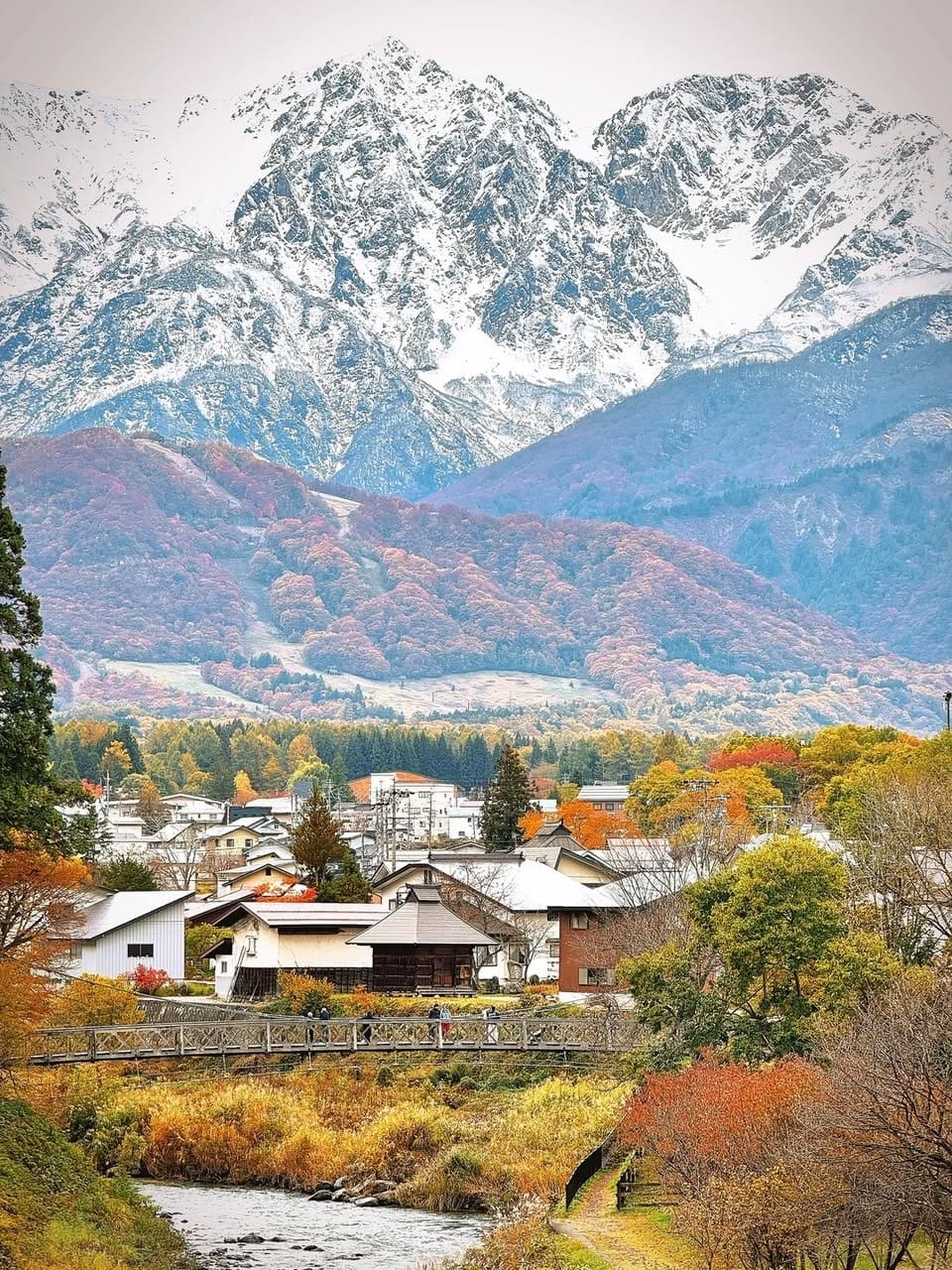
Hokuriku Shinkansen: Tokyo to Nagano, the default
The fastest option and the one most people take: roughly 1 hour 20 to 1 hour 40 from Tokyo Station via Ueno and Omiya, depending on stops. Budget around ¥8,000 one way in ordinary class, so roughly ¥16,000–18,000 return, varying with reserved seating and peak surcharges. Midweek, non-reserved cars almost always have space; on October weekends they can mean standing the whole way, and if you got up at five the reservation fee is a good trade.
Do not mistake the shinkansen leg for the journey, though. Nagano Station to Hakuba is another hour-plus by bus, Jigokudani roughly an hour too. Door to door from a Tokyo hotel to the foot of the Hakuba lifts is realistically about three and a half hours; our Hakuba access and gondola ticket guide breaks that connection down properly.
The Chuo line: Shinjuku to Matsumoto by limited express
Nagano's back door, and the most overlooked route. Limited expresses run Shinjuku to Matsumoto in roughly 2.5 to 3 hours for around ¥7,000 one way in ordinary class — slightly cheaper than the shinkansen despite the extra hour.
What that hour buys is arriving at the right place. From Matsumoto: Kamikochi via the Alpico railway to Shin-Shimashima plus a connecting bus, roughly 1.5 to 2 hours, with some direct buses in peak season — parking, shuttle tickets and the private-car ban get their own treatment in our Kamikochi autumn access guide. Norikura, around two hours by bus. Kiso valley, about an hour down the line. Hakuba, 1.5 to 2 hours on the local Oito line — beautiful, but infrequent.
One operational detail matters: Chuo limited expresses are effectively all-reserved, and on foliage weekends the morning departures sell out days ahead. Matsumoto also earns a night in its own right — black castle keep, and hotel prices far gentler than the mountains.
Highway buses from Shinjuku: cheapest, with real costs attached
From Busta Shinjuku there are coaches to Nagano Station, to Matsumoto, direct to Hakuba, and during the open season direct into Kamikochi. Journey times run roughly 4 to 5 hours at a third to a half of the rail fare, dynamically priced — cheap midweek, noticeably higher on foliage weekends.
The overnight bus leaves the previous evening and arrives around first light. It sounds brutal, but for a full mountain day without paying for a hotel night it is the most efficient option going. Three-seats-across coaches with individual curtains are genuinely sleepable; four-across is a rough night. A pre-dawn departure is the gentler variant.
The drawbacks are real. Buses sit in traffic and trains do not — on a foliage Sunday the expressway back to Tokyo can run one to two hours late, and nobody compensates you. And the seats genuinely sell out weeks ahead, especially overnight runs to Kamikochi and Hakuba. The rule for October is simple: book the day sales open.
From Nagoya and Osaka
From Nagoya, Chuo line limited expresses reach Matsumoto through the Kiso valley in roughly 2 to 2.5 hours — a genuinely scenic ride past old post towns, breakable at Nakatsugawa or Kiso-Fukushima for the Magome–Tsumago trail. With only one day, though, stitching a train plus multiple bus legs into Kamikochi and back out is a tight puzzle; the Kamikochi day hike departing from Nagoya runs the whole way by coach and removes the transfer problem outright.
From Osaka and Kyoto, the cleanest route is shinkansen to Nagoya then limited express to Matsumoto, roughly 3.5 to 4 hours. The long way via Kanazawa only makes sense if you are already on that coast.
Driving: appealing, but a mixed blessing in autumn
A car reaches places buses don't and carries luggage and grandparents without drama. Three things deserve honest weight first.
Mountain roads, and the state you drive them in. Many routes are narrow, steep and relentlessly curved, cliff on one side and drop on the other. Fine in daylight; considerably less fine in the dark, in fog, on four hours of sleep — exactly the state most people are in when racing to reach the Kamikochi park-and-ride before six. Add October weekend traffic, when Route 158 jams both ways and the lots fill from early morning.
A car doesn't get you into the best places anyway. Kamikochi bans private vehicles year-round with no exceptions; you park at Sawando or Akandana and take the shuttle. The Norikura road is closed to private cars too — buses and taxis only. At the two most celebrated spots in the region, your rental becomes a parking fee and a liability.
Winter tyres. High ground can see first snow from around late October on the higher passes, earlier still on the highest mountain roads, and some routes close seasonally. Renting for late autumn, ask the company directly about winter tyres and check current closures with the roads authority.
Honest summary: driving suits multi-day, midweek trips off the main axis. For a weekend centred on Kamikochi or Hakuba, train plus bus is tidier. If you want both across two days without solving the connection puzzle three times, the two-day Kamikochi and Hakuba autumn tour from Tokyo covers the route by coach — not everyone needs it, but on a peak weekend it routes around exactly the part that jams.
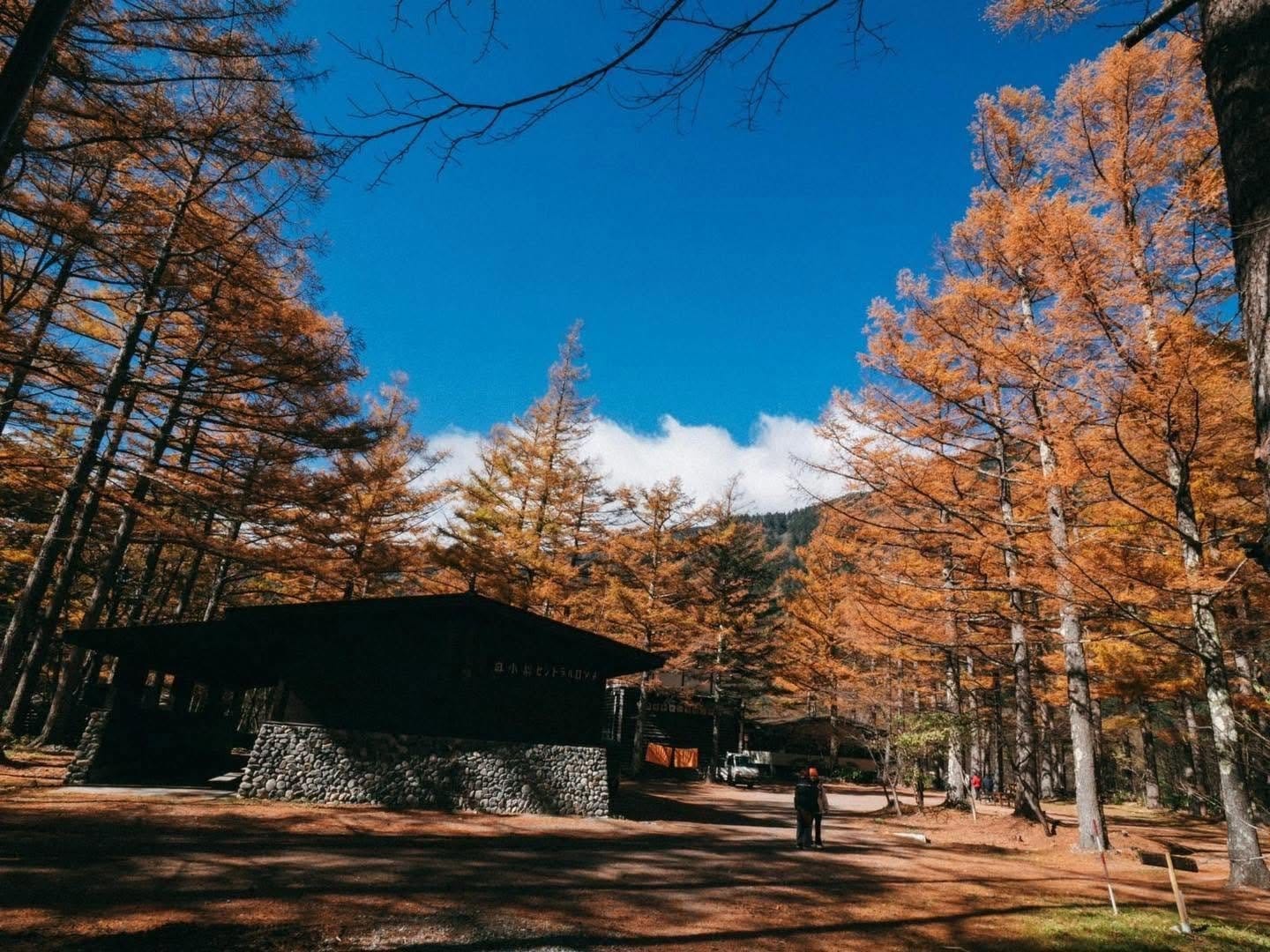
Rail passes: when they pay off and when they don't
JR East Nagano–Niigata area passes typically cover the Hokuriku Shinkansen up to Nagano plus a wide set of JR lines across those two prefectures over consecutive days, priced close to — or a little above — a single Tokyo–Nagano round trip. The wider JR East regional passes offer far more range on flexible days, at a considerably higher price.
The honest answer: for one round trip and home again, the pass usually does not pay off. It roughly breaks even while adding date restrictions. It earns its keep once you add another substantial leg in the same window — a Nagano-to-Niigata hop, or a loop out via Nagano and back via Matsumoto instead of retracing.
Two warnings people rarely mention. Non-JR operators are not covered: the Alpico bus to Hakuba, the buses into Kamikochi, the Alpico railway to Shin-Shimashima and the Nagano Dentetsu line are all private, and this is where budgets quietly break. And coverage and conditions differ by product and change over time — some passes stop at Karuizawa, some reach Nagano, some continue into Niigata, some restrict train types. Don't guess: open the coverage map and conditions for the exact pass you are considering.
Then price every rail leg individually, add them up, and compare. If the gap is under about ¥2,000, buy singles and keep your dates free.
The last-train trap
If you remember one thing here, make it this. In Nagano in autumn, "the last one" is never a single number — it is a chain of three or four connections, and one broken link breaks the day. The classic Hakuba day trip runs: last lift down the mountain, last bus from Hakuba to Nagano Station, last shinkansen to Tokyo. The final lift is earlier than people expect and gets cut short in high wind; inter-town buses thin out after mid-afternoon; and the last shinkansen out of Nagano leaves in the late evening, much earlier than the "trains run until midnight" instinct you picked up in Tokyo. These links do not wait for one another. Miss the last Hakuba bus and you have missed the last shinkansen too.
How to protect against it:
- Screenshot the second-to-last service on every link. The penultimate departure is your plan; the last one is your safety net.
- Be at the stop about thirty minutes early — late-afternoon foliage queues can cost you a full vehicle — and add a further buffer if your return leg is a coach.
- Know where you would sleep if you missed it. Matsumoto and Nagano Station are the easiest last-minute rooms in the prefecture.
Still picking your week? Read the week-by-week Nagano foliage calendar alongside your booking — the best week for colour is also the hardest week to get a seat.
FAQ
Is a Nagano day trip from Tokyo realistic?
Depends where. Karuizawa is comfortable, Nagano Station and Zenkoji are easy. Hakuba and Jigokudani are doable but require leaving Tokyo around 6am and leaving by mid-afternoon. Kamikochi as a rail day trip is very tight — if you must, use the overnight bus rather than a morning train.
Nagano Station or Matsumoto?
What is your main target? Zenkoji, Jigokudani, Shiga Kogen and Hakuba mean Nagano Station. Kamikochi, Norikura, Kiso and Lake Suwa mean Matsumoto. Wanting both, entering by one gateway and leaving by the other beats retracing.
Is a JR pass worth it?
For a single Tokyo–Nagano round trip, usually not — it barely breaks even. It makes sense once you stack several JR legs into one validity window. The Alpico buses and railway and the Nagano Dentetsu line are private and not included, and you should always check the coverage map for the specific pass you are buying.
Do I need to reserve seats in advance?
Midweek, shinkansen non-reserved cars are usually fine; on foliage weekends and long holidays, reserve. Chuo limited expresses and highway coaches are different — reservation is effectively mandatory, and coaches should be booked the day sales open.
Should I rent a car in autumn?
Yes for multi-day, midweek trips off the main axis. No if your target is Kamikochi or Norikura — both ban private vehicles and you ride the shuttle anyway. From roughly late October, confirm winter tyres and check seasonal closures.
Are the fares here accurate?
They are planning estimates, and this article deliberately gives no departure times — fares, surcharges and first and last services are revised seasonally. Budget from these figures, then confirm on the official operator sites before you travel.
More from this region — Tokyo & Kanto
View all →
Nakano Broadway and Ikebukuro: Two Otaku Meccas Beyond Akihabara
7 min · culture
Narita & Haneda to Tokyo
22 min · tips
Nikko in Fall: Every Kind of Yuba, Fresh-Crop Soba, and Great Eats from the Temple District to the Lakeshore
15 min · tips
Nikko in Autumn – Blazing Maples, Ancient Shrines, and Pure Foliage Magic
5 min · seasonal