
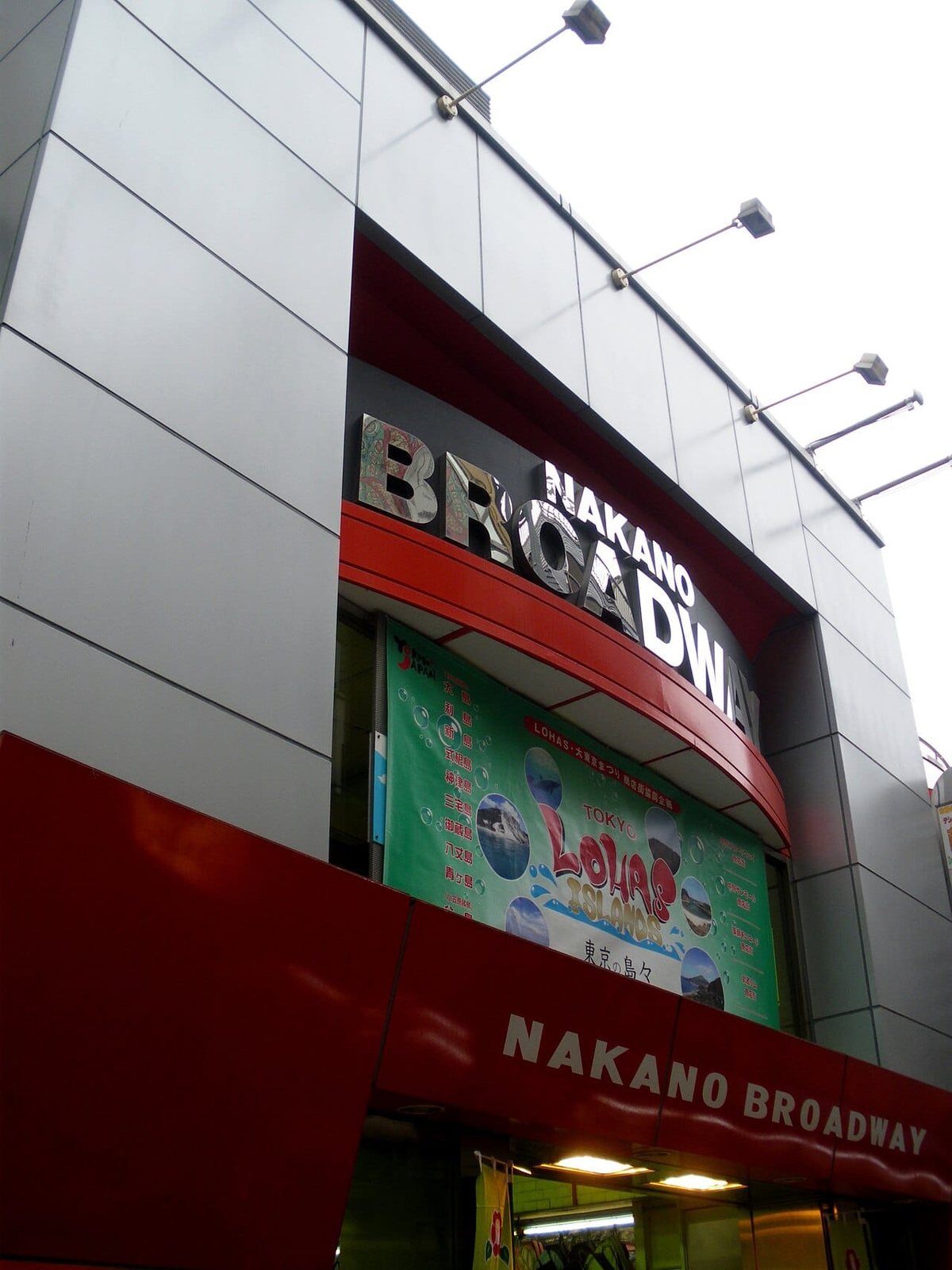
Nakano Broadway and Ikebukuro: Two Otaku Meccas Beyond Akihabara
Explore Nakano Broadway's treasure trove of retro anime and secondhand figures, plus Ikebukuro's Otome Road for female fans — with a detailed comparison to Akihabara.
Aug 8, 2026·✍️ olablog·⏱ 7 min read
Explore Nakano Broadway's treasure trove of retro anime and secondhand figures, plus Ikebukuro's Otome Road for female fans — with a detailed comparison to Akihabara.
Tap a region to browse articles
When mentioning otaku culture in 東京(Tokyo), everyone immediately thinks of 秋葉原(Akihabara). However, seasoned collectors will let you in on a secret: the most interesting items are sometimes not found there at all. 中野ブロードウェイ(Nakano Broadway)—a vintage shopping complex in western Tokyo—is a treasure trove of retro anime merchandise and secondhand figures, while 池袋(Ikebukuro) with its 乙女ロード(Otome Road) serves as a kingdom dedicated specifically to female fans. These two spots draw fewer tourists, generally offer friendlier prices, and possess unique cultural nuances that Akihabara simply does not have.
Nakano Broadway: A Shopping Complex Frozen in Time
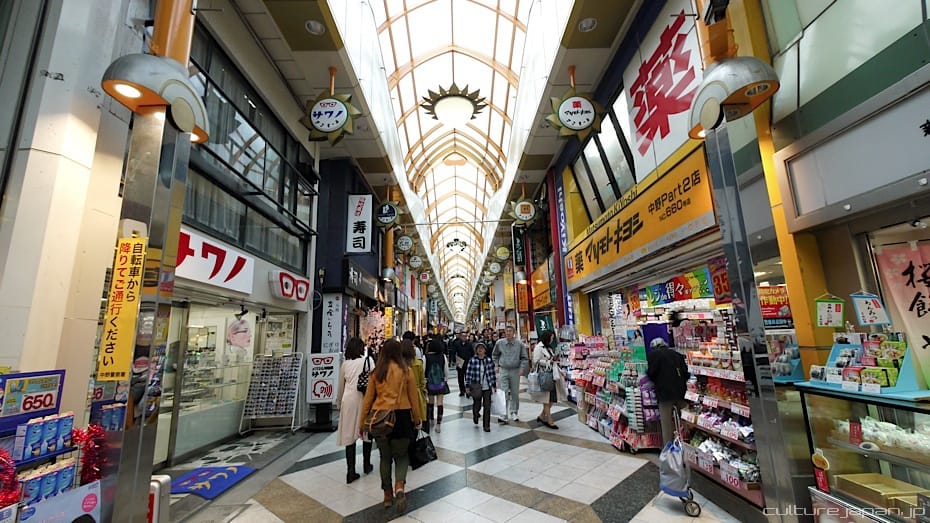
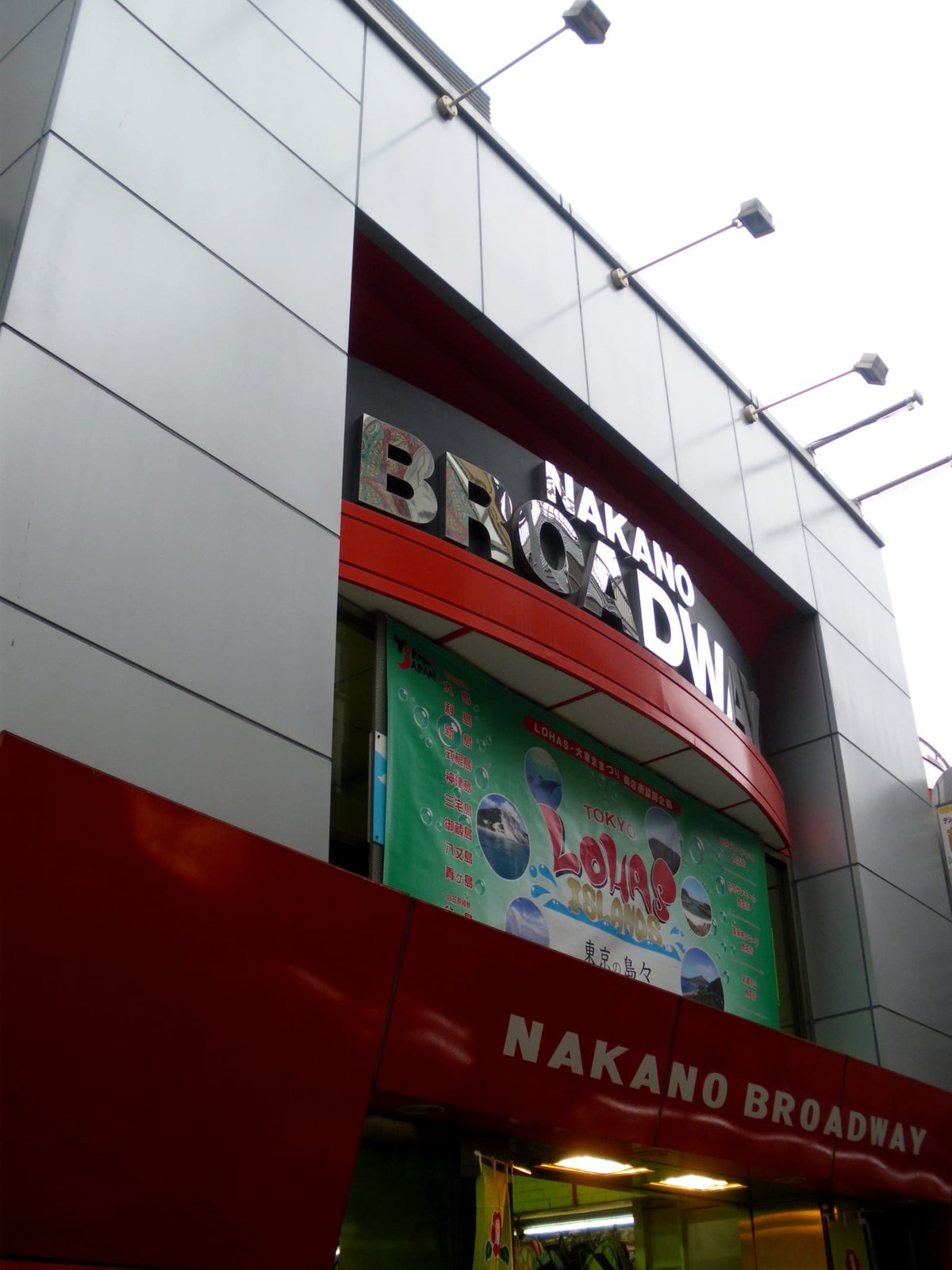
Located just a few minutes by train from 新宿(Shinjuku) on the JR中央線(JR Chuo Line), 中野駅(Nakano Station) leads you straight into the 中野サンモール(Nakano Sun Mall) covered shopping street. At the end of this arcade stands Nakano Broadway—a shopping complex built in the 1960s whose four floors are packed with a labyrinth of over two hundred small shops.
The atmosphere here is a stark contrast to the neon glitz of Akihabara: narrow corridors, fluorescent overhead lighting, and vintage glass display cases crammed to the brim with goods. Yet it is precisely this gritty, retro charm that creates its allure—making you feel as though you are rummaging through an attic stuffed with memories from across Japanese pop culture history. Interspersed between the anime shops are antique watch dealers, gemstone stores, and vintage clothing boutiques, weaving a uniquely eclectic atmosphere that is hard to find anywhere else.
まんだらけ(Mandarake) and the Art of Retro Treasure Hunting
The beating heart of Nakano Broadway is Mandarake—a secondhand empire that originated right here in 1980. Today, it operates dozens of specialized storefronts scattered throughout the building, each dedicated to a specific niche: out-of-print manga, original animation cels from 1980s and 1990s anime, vintage tin toys, tokusatsu figures, doujinshi, movie posters, and even shops exclusively stocked with items from a single franchise.
For retro collectors, this marks the key distinction when compared to Akihabara: merchandise in Nakano focuses heavily on collectible depth—long-discontinued items that carry immense value for true connoisseurs—rather than brand-new seasonal releases. Here are a few essential tips for bargain hunting here:
- Item condition is clearly noted on price tags for secondhand goods; dented boxes or missing accessories are explicitly written down, so be sure to inspect items carefully before purchasing.
- Prices fluctuate wildly: within the exact same figure line, you might find a common version for a few hundred yen (around $2–$3 USD; 1 USD ≈ 150 JPY) alongside a rare variant priced as high as an international flight ticket. Do not rush to buy at the very first shop you see—different counters inside the same building can sometimes offer significantly different prices.
- Many shops open quite late, usually around noon. Arriving at Nakano early in the morning is a common rookie mistake for first-time visitors.
Ikebukuro and Otome Road: A Paradise for Female Fans
While Akihabara and Nakano cater predominantly to male fan preferences, the area east of Ikebukuro Station stands as the ultimate answer for female otaku. Stretching along the street known as Otome Road ("Maiden Road") near the サンシャインシティ(Sunshine City) complex, stores concentrate heavily on genres with massive female fanbases: idol anime, romance manga, voice actor (seiyuu) merchandise, and "oshi" culture—the practice of passionately supporting and worshipping one's favorite character.
Highlights of this area include アニメイト池袋(Animate Ikebukuro)—the multi-story flagship store of the chain and one of the largest anime shops in the world, complete with dedicated event halls, exhibition spaces, and collaboration cafes themed after currently airing anime series; K-BOOKS and らしんばん(Lashinbang) shops specializing in fan-made doujinshi and secondhand character goods like pin badges, acrylic stands, and posters; and butler-themed concept cafes—the elegant counterpart to Akihabara's maid cafes, where guests are pampered and served like aristocratic nobility.
A fascinating cultural detail you will easily spot here is young women carrying clear "ita-bags" covered entirely in pin badges of their favorite "oshi" character, casually trading merch with one another right inside the shops—a vibrant, welcoming, and passionate collector community.
Compared to Akihabara: Which District Should You Choose?
Rather than replacing one another, these three districts complement each other, each catering to a distinct taste:
- Akihabara excels in brand-new merchandise, consumer electronics, currently produced figures, maid cafes, and an unmistakably energetic atmosphere. It is ideal for first-time visitors to Tokyo who want to experience the iconic "otaku capital" in full force.
- Nakano Broadway is tailored for rare item hunters, lovers of classic older-generation anime, those who enjoy digging through shelves, and travelers with time to spare. Secondhand prices are generally better, tourist crowds are thinner, and the overall experience is more authentic and unhurried.
- Ikebukuro stands as the top choice for female fans, doujinshi enthusiasts, and idol culture lovers. Additionally, the Sunshine City complex houses an aquarium and an observation deck, making it effortless to combine with family-friendly itineraries.
If you only have a single day in your itinerary allocated for otaku culture, our recommended strategy is: spend the morning at Nakano Broadway (keeping in mind shops open around noon), head to Akihabara in the afternoon, and save Ikebukuro for a dedicated session if it matches your specific interests.
Practical Tips for Exploring Both Districts
- Getting There: Nakano is easily accessible via the JR Chuo Line or JR総武線(JR Sobu Line) from Shinjuku (about 5 minutes); Ikebukuro is a major transit hub served by the JR山手線(JR Yamanote Line) and numerous subway lines. Riding to both is seamless using an IC card such as Suica or Pasmo, or with a JR Pass.
- Payments: Many small individual counters inside Nakano Broadway still prefer cash, so be sure to have Japanese yen on hand. Larger chain stores in Ikebukuro accept credit cards and offer tax-free shopping when meeting the spending threshold—remember to bring your passport.
- Budgeting: Small secondhand goods such as pin badges or posters can cost as little as a few hundred yen ($2–$4 USD), whereas rare collectible items can easily run into tens of thousands of yen ($100–$300+ USD)—set a clear spending limit before entering the maze!
- Etiquette: Always ask before taking photographs inside small shops or displays; many shopkeepers post signs prohibiting photos to protect rare vintage inventory.
Conclusion: Tokyo's Otaku Scene Extends Far Beyond a Single Location
Akihabara serves as the entryway, but Nakano Broadway and Ikebukuro represent the deeper, more specialized rooms inside the house of Japanese otaku culture. Each district tells a distinct story—of anime's golden nostalgic past, or of an energetic female-driven fan community—and both are thoroughly deserving of a spot on any Japan lover's itinerary.
You can read more detailed guides on Akihabara and explore other cultural insights on our OlaChill blog, or let us craft a customized Tokyo itinerary tailored to your exact passions through OlaChill Japan tours.
More from this region — Tokyo & Kanto
View all →
Narita & Haneda to Tokyo
22 min · tips
Nikko in Fall: Every Kind of Yuba, Fresh-Crop Soba, and Great Eats from the Temple District to the Lakeshore
15 min · tips
Nikko in Autumn – Blazing Maples, Ancient Shrines, and Pure Foliage Magic
5 min · seasonal
Autumn Day Trips to Nikko from Tokyo: Should You Take Tobu or JR, and Which Pass Saves the Most?
15 min · tips