
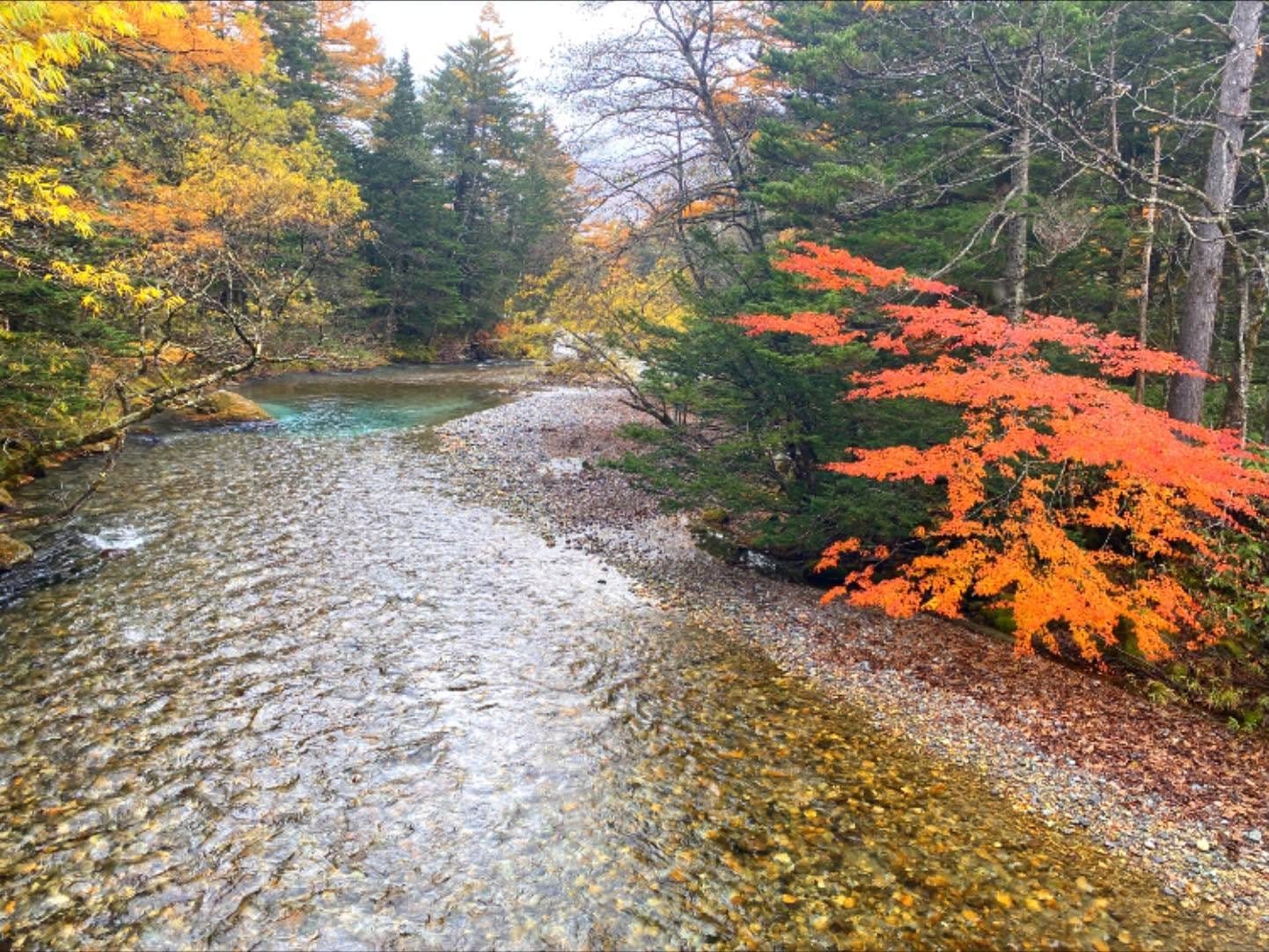
Autumn Day Trips to Nikko from Tokyo: Should You Take Tobu or JR, and Which Pass Saves the Most?
Tips for choosing train routes and tickets for viewing the autumn colors in Tochigi: departing from Asakusa or Shinjuku, which pass fits your itinerary, and how to avoid the weekend crowds.
Aug 12, 2026·✍️ olablog·⏱ 15 min read
Tips for choosing train routes and tickets for viewing the autumn colors in Tochigi: departing from Asakusa or Shinjuku, which pass fits your itinerary, and how to avoid the weekend crowds.
Tap a region to browse articles
At 7 a.m. on a Saturday in late October, the concourse at Tobu Asakusa Station was already packed: long lines snaked in front of the ticket counters, while the departure board showed limited express trains to Nikko sold out until early afternoon. Anyone who has stood in that crowd knows the feeling: getting to Nikko during autumn foliage season isn’t difficult, but getting there comfortably, on time, and at the right price takes planning weeks in advance.
The challenge with Nikko isn’t the distance—it’s only about 2 hours by train from Tokyo—but the sheer number of options that sound almost interchangeable: Tobu trains from Asakusa, JR trains running directly from Shinjuku, the Shinkansen with a transfer at Utsunomiya, plus the Nikko Pass All Area, World Heritage Area, JR Tokyo Wide Pass, and individual local bus tickets. Each option has its own advantages, and choosing the wrong one can either cost you several thousand yen more or leave you stuck on the Irohazaka road at 3 p.m., watching the sun sink while the bus has barely moved halfway.
This article brings together all of that “calculation”: which route to take from Tokyo, which pass suits which itinerary, when a JR Pass is genuinely worth using, and what to know about train schedules during peak season so your autumn foliage trip can be much more relaxed.
A quick overview: Nikko has two “layers” of autumn foliage
Before discussing train tickets, it helps to understand Nikko’s geography, since it directly affects which pass you should choose. Nikko is clearly divided into two areas:
- The lower heritage area around the stations: Toshogu Shrine, Rinnoji Temple, Futarasan Shrine, and Shinkyo Bridge. The foliage here is usually at its best from early to mid-November.
- The higher-elevation Okunikko area: Lake Chuzenji, Kegon Falls, Ryuzu Falls, Senjogahara Marshland, and Yumoto Onsen. Because it sits much higher, the leaves change earlier, usually peaking from mid- to late October.
Connecting these two levels is the Irohazaka road—a famous route with 48 hairpin turns, breathtakingly beautiful in autumn and also the Kanto region’s most notorious bottleneck on weekends in late October. Which “level” you visit and how many days you stay will determine which pass is best for you—we’ll return to this point below.
Two routes from Tokyo: Tobu from Asakusa or JR?
The Tobu route from Asakusa—the choice for most travelers
The most familiar option is the Tobu train departing from Tobu Asakusa Station (some services may also be boarded at Tokyo Skytree Station). There are two ways to go:
Limited express (reserved-seat express train): Kegon, Revaty, and the “new star” SPACIA X run directly to Tobu-Nikko Station in approximately 1 hour 50 minutes to 2 hours. Every seat requires a reservation, and the fare consists of the basic ticket plus the express surcharge—around 3,000 yen each way depending on the train. SPACIA X’s premium seating options (large picture windows, private compartments, and a café counter) cost more. The ride is smooth and fast, there is space for luggage, and it’s well worth the money if you’re making a day trip and want to conserve your energy.
Local/section express trains: These are considerably cheaper, at only around 1,400–1,600 yen each way, but require 1–2 transfers (usually at Minami-Kurihashi or Shimo-Imaichi) and take around 2 and a half to 3 hours. They’re suitable for travelers staying in Japan longer, traveling on weekdays, or not in a hurry. During peak season, local trains have one unexpected advantage: they never “sell out,” while limited express trains on weekends in October–November are often fully booked more than a week in advance.
The biggest advantage of the Tobu route is that Tobu-Nikko Station is slightly closer to the temple area than the JR station. More importantly, all Nikko Passes are Tobu products, designed around this route.
The JR route: direct trains from Shinjuku or the Shinkansen via Utsunomiya
There are two JR scenarios:
Direct limited express from Shinjuku: JR East operates express trains in partnership with Tobu (usually called Nikko or Spacia Nikko) departing from Shinjuku, stopping at Ikebukuro and Omiya before switching onto Tobu tracks and continuing directly to Tobu-Nikko Station. The journey takes around 2 hours. This is extremely convenient if you’re staying around Shinjuku, Shibuya, or Ikebukuro—you won’t need to cross the city to Asakusa. Note that there are only a few services each day, so booking early is especially important in autumn.
Shinkansen with a transfer at Utsunomiya: From Tokyo or Ueno Station, take the Tohoku Shinkansen to Utsunomiya, which takes around 50 minutes, then transfer to a local JR Nikko Line train for another approximately 45 minutes to JR Nikko Station. The total travel time is comparable to the Tobu route, but the cost is much higher when buying individual tickets—around 5,000–6,000 yen each way. It may sound unreasonable, but this route is ideal for one particular group: travelers who already have a JR Pass or JR Tokyo Wide Pass. In that case, almost the entire journey costs nothing extra.
Quick comparison of the two routes
| Criteria | Tobu from Asakusa | Direct JR from Shinjuku | Shinkansen via Utsunomiya |
|---|---|---|---|
| Travel time | ~2 hours (express) / ~3 hours (local) | ~2 hours | ~1 hour 40 minutes–2 hours |
| Individual ticket cost | Cheapest (especially local trains) | Medium–high | Highest |
| Eligible passes | Various Nikko Passes | JR Tokyo Wide Pass | JR Pass, JR Tokyo Wide Pass |
| Best for | Staying in eastern Tokyo and minimizing costs | Staying in western Tokyo (Shinjuku, Shibuya) | Travelers who already have a JR pass |
The short conclusion: if you don’t already have a JR pass, the Tobu route from Asakusa is almost always the cheapest; the Shinjuku route is more convenient for travelers staying in western Tokyo; and the Utsunomiya route only makes sense when the Shinkansen is “free” thanks to a pass.
Nikko Pass: All Area or World Heritage Area?
This is the question I’m asked most often. Tobu sells two main passes for international visitors (you need your passport to purchase them). Both include a round trip between Asakusa and Nikko on local trains and local buses, but they differ in bus coverage and validity period.
Nikko Pass World Heritage Area—for visitors focusing only on the temple area
This pass is valid for 2 days and costs a little over 2,000 yen. It includes a round-trip train journey from Asakusa, Tobu local trains between Shimo-Imaichi, Tobu-Nikko, and Kinugawa-Onsen, and buses around the heritage area, from the station to the Toshogu, Rinnoji, and Futarasan shrine and temple complex. If your itinerary is “go in the morning and return in the afternoon, visit the temples, photograph Shinkyo Bridge, eat yuba, then head back to Tokyo,” this is a good fit—it’s already cheaper than buying separate round-trip tickets, even before adding bus fares.
But here’s the major caveat: this pass does not include buses to Lake Chuzenji. Visiting Nikko in autumn without going up to Okunikko feels like a missed opportunity, so for most travelers visiting in October, this isn’t the right answer.
Nikko Pass All Area—for those who want to experience the full autumn
This pass is valid for 4 days and costs close to 5,000 yen during peak season (it’s cheaper in winter). It includes everything covered by the World Heritage pass, plus buses to Lake Chuzenji, Kegon Falls, Senjogahara, and all the way to Yumoto Onsen, along with discounts on selected services such as the Akechidaira Ropeway and sightseeing cruises on the lake.
The math is simple: a one-way individual bus ticket from Nikko Station to Chuzenji Onsen already costs around 1,300 yen, while the fare to Yumoto Onsen is around 2,000 yen each way. As long as you make one trip up to Okunikko—which is almost a certainty during autumn foliage season—the All Area pass pays for itself, even before counting the round-trip journey from Asakusa. If you stay 2 days and 1 night at Chuzenji or Kinugawa Onsen, it offers even better value.
Comparing the two passes
| World Heritage Area | All Area | |
|---|---|---|
| Validity | 2 days | 4 days |
| Asakusa round trip (local trains) | Yes | Yes |
| Heritage-area buses | Yes | Yes |
| Buses to Chuzenji, Kegon, and Yumoto | No | Yes |
| Best for | Day trips focused only on the temples | Autumn trips with an Okunikko itinerary |
For autumn: in 90% of cases, you should buy the All Area pass. Choose World Heritage only if you’re traveling in early November, your sole goal is the temple area, and you’re willing to skip Lake Chuzenji.
Don’t forget: the pass does not include the express surcharge
Both Nikko Passes cover only local trains. To ride the Revaty, Kegon, or SPACIA X, you’ll need to pay an additional limited express surcharge—around 1,500–2,000 yen each way depending on the train and timing; premium SPACIA X seats cost more. Many travelers choose a very practical hybrid approach: pay the express surcharge for the outbound journey to arrive early with your energy intact, then take a local train back to save money, since you’ll be tired anyway and can sleep on any train.
Local bus passes if you don’t buy a Nikko Pass
If you reach Nikko by JR (for example, because you’re using a JR Pass), you won’t have the bus coverage included with a Nikko Pass and will need to calculate the costs separately. Tobu Bus sells several types of unlimited-ride tickets at the counter in front of the station:
- Heritage area pass: the cheapest option, at around 600 yen, allowing unlimited travel during the day between the station and the temple complex. Suitable for visitors staying around Toshogu.
- Chuzenji Onsen route pass: around 2,000 yen, usually valid for 2 days, covering the station–Irohazaka–Lake Chuzenji–Kegon Falls route.
- Yumoto Onsen route pass: around 3,000–3,500 yen, reaching as far as Yumoto and also covering Senjogahara and Ryuzu Falls along the way.
A small tip: paying individual fares for each Nikko bus ride quickly adds up and can exceed the price of an unlimited-ride pass. If you’re taking 2 or more bus rides in a day, the unlimited pass is usually the better deal. Prices and coverage for each pass are occasionally adjusted, so check at the Tobu Bus counter in front of the station or on the official website before you go.
When is a JR Pass genuinely worthwhile?
To be frank: buying a nationwide JR Pass solely to visit Nikko is a terrible deal. After the major price increase, the 7-day pass costs around 50,000 yen—you’d need to travel Tokyo–Kyoto–Hiroshima in an intensive “campaign” to break even. Nikko should only be an added bonus when you already have a pass for a longer itinerary. In that case, the Shinkansen to Utsunomiya and the JR Nikko Line are fully covered, so the train portion of your Nikko trip is essentially free.
A much more worthwhile option for people staying in Tokyo is the JR Tokyo Wide Pass: valid for 3 consecutive days and priced at around 15,000 yen, it covers Shinkansen and express trains throughout the wider Kanto region. One valuable detail that many people overlook is that it also covers direct trains from Shinjuku to Nikko, including the section running on Tobu tracks—whereas with the nationwide JR Pass, you have to pay extra for the Tobu section. The formula for making this pass worthwhile is to combine Nikko with 1–2 other destinations within the 3-day period, such as Karuizawa on day 1 and Nikko on days 2–3, or a combination of Kusatsu and Echigo-Yuzawa. A round trip to Nikko alone still isn’t enough to break even.
Here are the three situations in brief:
- Only visiting Nikko from Tokyo: Nikko Pass All Area (+ the express surcharge if you want it)—cheap and comprehensive.
- Visiting Nikko plus 1–2 other Kanto destinations within 3 days: JR Tokyo Wide Pass + an unlimited-ride bus pass in Nikko.
- Already holding a nationwide JR Pass for a longer trip: travel via Utsunomiya and buy an unlimited-ride bus pass in Nikko.
Train timing during autumn foliage season: hard-earned lessons
This is just as important as choosing the right ticket, because koyo season in Nikko is among the most intense peak periods in Kanto.
Reserve your express seat as soon as sales open. Tobu limited express seats usually go on sale around 1 month in advance, and the most desirable morning departures on weekends from mid-October to early November disappear quickly—SPACIA X services are practically sold out as soon as they open. You can book online through Tobu’s website using an international card. Be sure to reserve the return journey at the same time; don’t think, “I’ll decide when to come back later.” On Sunday afternoons, visitors leave Nikko for Tokyo all at once, and every train fills up.
Leave earlier than you think you need to. The first express trains leave Asakusa at around 6:30–7 a.m. It may sound brutal, but arriving in Nikko before 9 a.m. means you can get onto Irohazaka before the traffic flowing in from Tokyo arrives. On peak-season weekends, buses to Chuzenji departing after 10 a.m. can take twice or three times as long as usual because of congestion on the slope; spending 2 hours on a route that normally takes 50 minutes is perfectly normal.
Go against the crowds. One strategy I’ve found effective is to head straight to Okunikko in the early morning (Chuzenji, Ryuzu, and Senjogahara), then visit the temple area in the early afternoon. That way, you’re moving opposite the crowds in both directions. Or be more ambitious: stay overnight at Chuzenji Onsen or Kinugawa Onsen and see the lake at 7 a.m. the next day, before day-trippers have even left Tokyo. It feels almost as if you have the entire lake to yourself.
Choose weekdays whenever possible. The difference between a Tuesday and a Saturday during Nikko’s autumn foliage season isn’t simply “a little more crowded”—they’re two completely different worlds. People living in Japan have a major advantage here: taking one day off in the middle of the week can completely transform the quality of the trip.
Local buses also have an “opposite rush hour.” In the late afternoon, buses from Chuzenji down to the station become packed, and you may have to queue for several departures. Leave at least 1 hour of buffer time before your reserved return train. Don’t cut it too close.
Frequently asked questions
Is a day trip to Nikko from Tokyo feasible?
Yes, and many people do it. A safe autumn formula is to leave Tokyo before 7:30 a.m., prioritize Okunikko in the morning, visit the temple area in the afternoon, and take a train back around 17:00–18:00. But if you can arrange a 2-day, 1-night trip, the experience will be much more relaxed, and the 4-day All Area pass will offer even better value.
Where can I buy a Nikko Pass, and do I need to buy it in advance?
Buy one at the Tobu Tourist Information Center at Asakusa Station (bring your passport, as this pass is for international visitors) or purchase it online in advance and exchange it for the ticket. During peak season, the ticket counters can have fairly long lines on weekend mornings, so buying online or purchasing it the previous afternoon will save precious time in the morning.
Can I use a nationwide JR Pass on Tobu trains?
No. A JR Pass only covers JR routes, so on the direct Shinjuku–Nikko train, you’ll need to pay extra for the section that runs on Tobu tracks. To have the entire route covered, you need the JR Tokyo Wide Pass, not the nationwide JR Pass. If you travel via Utsunomiya, the JR Pass covers the entire journey.
Can I use Suica/Pasmo to travel to Nikko?
Yes, on local trains operated by both Tobu and JR, and most Tobu buses in the Nikko area now also accept IC cards (though you should still check in advance for long-distance routes such as Yumoto). However, tapping your card means paying the individual fare for each journey. If you take several buses in one day, an unlimited-ride ticket or Nikko Pass will clearly be cheaper. The limited express surcharge also cannot be paid by tapping an IC card; you’ll need to purchase a separate reserved-seat ticket.
When is Nikko’s autumn foliage at its best?
Okunikko (Lake Chuzenji, Ryuzu, and Senjogahara) is usually at its most vibrant from mid- to late October, while the lower-elevation temple area is at its best from early to mid-November. The timing can shift by 1–2 weeks depending on the year, so check the koyo forecast around 2–3 weeks before your trip. If you can choose only one period, the last week of October is a good compromise: the higher elevations are still richly colored, while the lower areas are just beginning to change.
Are the ticket and pass prices in this article exact?
The figures in this article are approximate, as indicated by words such as “around,” because ticket prices, surcharges, and pass coverage are adjusted fairly often. Before finalizing your itinerary, check the official websites of Tobu Railway, JR East, and Tobu Bus for the latest figures. It takes 10 minutes and helps you avoid surprises at the ticket counter.
In conclusion
Ultimately, an autumn trip to Nikko is decided before you even set foot in the station: the right pass for your itinerary, an express seat reserved early, and a morning when you’re willing to get up before dawn. The rest—the deep blue lake edged with red leaves, the 48-turn road glowing like a ribbon—Nikko will take care of for you.
More from this region — Tokyo & Kanto
View all →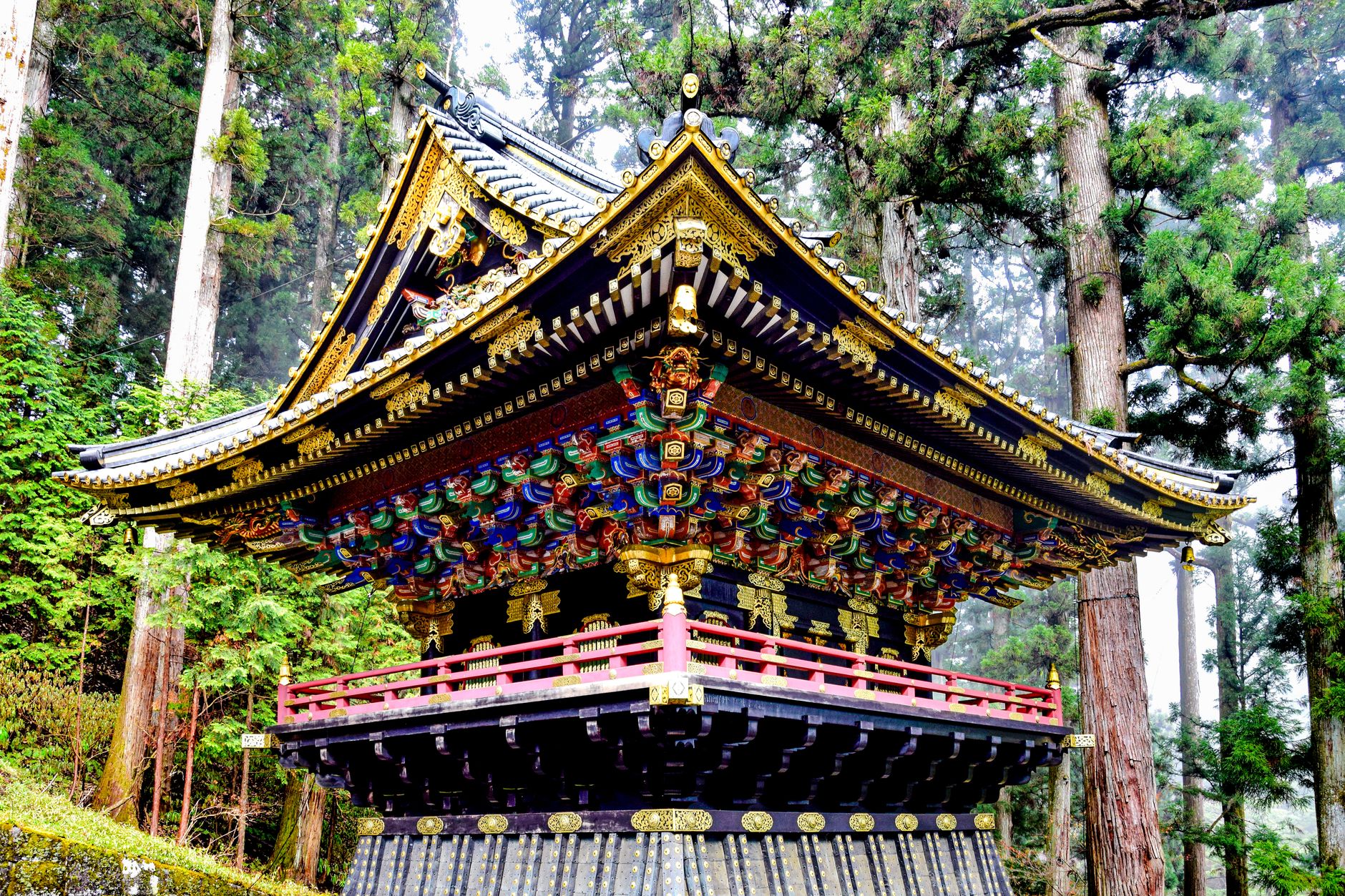
Nikko From Tokyo
24 min · destinations
Nikko Autumn Photo-Hunting Map: Where to Stand, What Time to Go, and Which Way the Sun Shines
16 min · tips
Combining Nikko with Kinugawa and Nasu for a 2–3-day fall foliage route by Tobu train
19 min · tips
Nikko’s Week-by-Week Fall Color Calendar: From Senjogahara Down to the Historic Shrines
15 min · tips