
Nikko From Tokyo
Plan your unforgettable Nikko day trip from Tokyo! Explore UNESCO shrines, Kegon Falls, and vibrant autumn foliage with our India/Bangladesh-focused guide.
Jul 10, 2026·✍️ olablog·⏱ 24 min read
Plan your unforgettable Nikko day trip from Tokyo! Explore UNESCO shrines, Kegon Falls, and vibrant autumn foliage with our India/Bangladesh-focused guide.
Tap a region to browse articles
Nestled amidst the mountains of Tochigi Prefecture, Nikko offers a breathtaking escape from Tokyo's urban pulse, easily accessible in just two hours by train. This UNESCO World Heritage site is a treasure trove of ornate shrines, serene temples, and dramatic natural beauty, making it an ideal day trip for those seeking a blend of culture and scenic wonder. A round trip using the Tobu Nikko Pass World Heritage Area costs approximately ¥3,000 (around ₹1,680), offering excellent value for a journey filled with awe-inspiring sights.
Getting to Nikko from Tokyo: Your Rail Options
Planning your journey from Tokyo to Nikko involves choosing between two main railway operators: Tobu Railway and Japan Railways (JR). Each offers distinct advantages, especially concerning cost and pass compatibility, which are crucial for our readers from India and Bangladesh.
Tobu Railway: The Direct and Economical Choice
The most popular and often most economical route is via Tobu Railway from Tobu Asakusa Station in Tokyo. Tobu offers direct limited express trains like the "Spacia" or "Revaty," which whisk you to Tobu-Nikko Station in about two hours. A one-way limited express ticket can cost between ¥2,850 and ¥3,540 (approx. ₹1,596 - ₹1,982), depending on the train and travel date. For those prioritizing budget over speed, express or local trains are available for around ¥1,400 (approx. ₹784) one-way, though these take at least an extra half-hour and may involve transfers.
Tobu Railway also offers special passes designed for tourists:
- Nikko Pass World Heritage Area: This pass is valid for two consecutive days and includes a round-trip ticket from Asakusa to Nikko, plus unlimited bus travel within the World Heritage area in Nikko. It costs ¥3,000 (approx. ₹1,680) and is an excellent choice for a one-day trip focused on the shrines and temples, as it often works out cheaper than buying individual tickets. Note that this pass does not cover the limited express surcharge, which must be purchased separately (¥1,450-¥2,140 one-way, approximately ₹812 - ₹1,198).
- Nikko Pass All Area: Valid for four consecutive days, this more comprehensive pass covers round-trip travel from Asakusa, unlimited train and bus travel across a wider area including Lake Chuzenji and Yumoto Onsen, and discounts at various attractions. As of 2026, its price has significantly increased to ¥8,000 (approx. ₹4,480), making it less cost-effective for a single-day trip compared to previously. For a day trip focused solely on the main attractions, the World Heritage Area Pass combined with specific bus tickets might be more economical.
You can purchase Tobu passes online or at the Tobu Sightseeing Service Center at Asakusa Station. Booking reserved seats for limited express trains is highly recommended, especially during peak seasons, and can be done at the station.
Japan Railways (JR): Best for JR Pass Holders
If you hold a Japan Rail Pass (similar to an all-India rail pass like the IRCTC’s passes, offering extensive travel benefits across Japan), using JR lines might be your preferred option. The most common JR route involves taking the JR Tohoku Shinkansen (bullet train) from Tokyo or Ueno Station to Utsunomiya Station, then transferring to the JR Nikko Line to reach JR Nikko Station. The Shinkansen portion to Utsunomiya takes about an hour and costs around ¥2,500 (approx. ₹1,400). The onward JR Nikko Line train takes about 45 minutes. The total one-way journey costs approximately ¥5,500 (approx. ₹3,080) without a JR Pass, making it considerably more expensive than Tobu Railway for individual tickets.
However, the entire JR journey is covered by the Japan Rail Pass, the JR East Pass, and the JR Tokyo Wide Pass. If you plan to use a JR Pass for broader travel across Japan, this route is convenient. Be aware that a very small number of direct limited express trains from Shinjuku to Tobu-Nikko Station (co-operated by JR and Tobu) exist, costing ¥4,140 (approx. ₹2,318) one-way, but a standard JR Pass may not fully cover the Tobu portion of this specific route.
Summary of Rail Options:
| Route Type | Starting Station | Destination Station | Travel Time (approx.) | One-Way Fare (¥) | One-Way Fare (approx. ₹) | JR Pass Coverage | Notes |
|---|---|---|---|---|---|---|---|
| Tobu Limited Express | Asakusa | Tobu-Nikko | 2 hours | ¥2,850 - ¥3,540 | ₹1,596 - ₹1,982 | No | Requires limited express surcharge with pass. |
| Tobu Local/Express | Asakusa | Tobu-Nikko | 2.5 - 3 hours | ¥1,400 | ₹784 | No | Cheaper, but slower and may require transfers. |
| JR Shinkansen + Local | Tokyo/Ueno | JR Nikko | 1 hr 40 min | ¥5,500 | ₹3,080 | Yes | Best for JR Pass holders. |
| JR/Tobu Direct Express | Shinjuku | Tobu-Nikko | 2 hours | ¥4,140 | ₹2,318 | Partial/Specific JR Passes | Limited services, check pass validity. |
Exchange rate: ~₹0.56 per ¥1 as of 2026.
Navigating Nikko: The Right Bus Pass for Your Itinerary
Once you arrive at either Tobu-Nikko or JR Nikko Station (they are only about 200 meters apart), the most efficient way to explore Nikko's spread-out attractions is by bus. Walking to the World Heritage sites from the stations takes about 30-40 minutes uphill, which can be tiring, especially if you plan to visit multiple spots.
Tobu Bus operates several passes that can save you money compared to buying individual bus tickets:
World Heritage Sightseeing Pass: This one-day pass costs ¥600 (approx. ₹336) and offers unlimited rides on the Tobu World Heritage sightseeing buses that loop through the town center, covering the main shrines and temples (Toshogu, Rinno-ji, Futarasan Jinja). It also includes discounts for certain facilities. This pass is highly recommended for a day trip focused exclusively on the World Heritage area. You can purchase it at Tobu Nikko or JR Nikko stations.
Chuzenji Onsen Pass: This two-day pass costs ¥2,300 (approx. ₹1,288) and covers unlimited rides between Nikko Station and Lake Chuzenji (Osaki bus stop), including stops for Akechidaira Plateau and Kegon Falls. It also comes with discount coupons for attractions like the Chuzenji Lake Boat Cruise and Akechidaira Ropeway. This pass is ideal if your itinerary extends beyond the World Heritage sites to include the stunning natural beauty of Okunikko.
Yumoto Onsen Free Pass: A two-day pass priced at ¥3,500 (approx. ₹1,960), this provides unlimited rides all the way to Yumoto Onsen, covering the World Heritage loop and stops including Akechidaira Plateau, Kegon Falls, Lake Chuzenji, Ryuzu Falls, and Senjogahara Plateau. This pass is excellent value if you plan to explore the broader Okunikko region extensively, though it's typically more suited for a multi-day trip.
Bus Fare Comparison (One-Way):
- Nikko Station to World Heritage area (Shinkyo/Nishisando): ¥350 (approx. ₹196)
- Nikko Station to Lake Chuzenji (Chuzenji Onsen): ¥1,250 (approx. ₹700)
- Nikko Station to Yumoto Onsen: ¥1,950 (approx. ₹1,092)
For a day trip, carefully consider your itinerary. If you only visit the shrines and temples, the World Heritage Sightseeing Pass is sufficient. If you plan to see Kegon Falls and Lake Chuzenji, the Chuzenji Onsen Pass is a better value. Remember, these passes are for buses within Nikko and don't include your train journey from Tokyo unless you opt for the Tobu Nikko Pass All Area (which, as mentioned, is pricey for a day trip).
Mistakes to Avoid:
- Underestimating distances: Nikko's attractions are spread out. Don't plan to walk everywhere if you have limited time.
- Ignoring bus schedules: Especially in Okunikko, buses might not be as frequent as city buses (like the Delhi Metro’s feeder buses). Grab a physical schedule at the station or check online.
- Buying the wrong pass: Calculate the individual fares for your planned stops versus the cost of a pass. For instance, two round trips to the World Heritage area on local buses would cost ¥1,400 (approx. ₹784), making the ¥600 World Heritage Pass a clear saving.
The Sacred Heart of Nikko: Toshogu Shrine – A Deep Dive
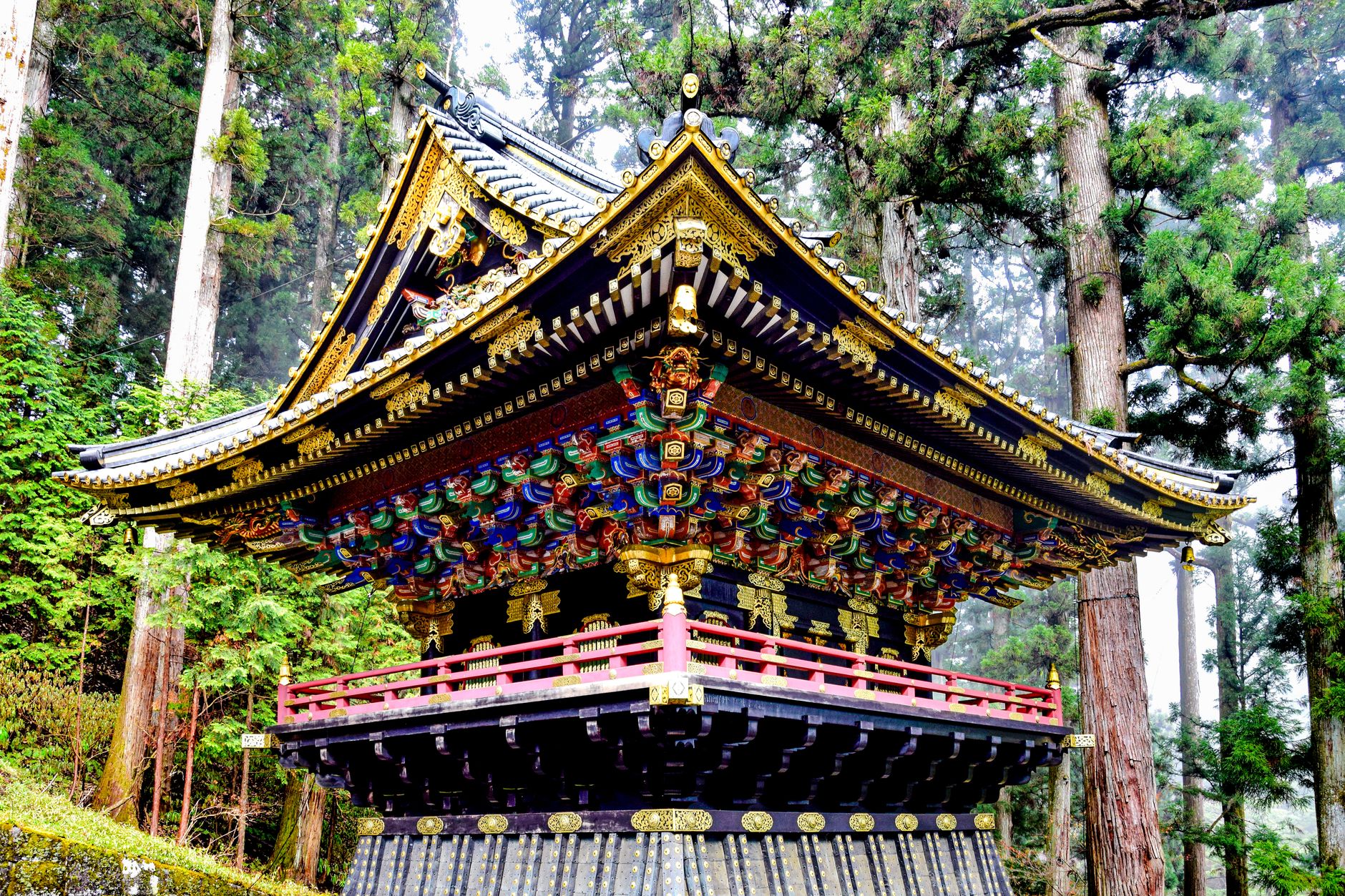
Nikko Toshogu Shrine is not just a shrine; it's a sprawling, opulent mausoleum complex dedicated to Tokugawa Ieyasu, the founder of the Tokugawa shogunate that ruled Japan for over 250 years. Unlike the minimalist aesthetic often associated with Japanese shrines and temples, Toshogu is a riot of vibrant colours, intricate carvings, and gold leaf, a true masterpiece of Edo-period artistry. It’s a UNESCO World Heritage site and an absolute must-visit.
Upon arrival at the World Heritage area, you'll first encounter the iconic Shinkyo Bridge, a sacred red bridge spanning the Daiyagawa River. While you can view it from the sidewalk, a small fee allows you to walk onto the bridge itself. This is a perfect photo opportunity, especially with autumn foliage.
Proceeding uphill, you'll enter the main complex. The entrance fee for Toshogu Shrine is typically ¥1,600 (approx. ₹896), with an option to include the Treasury Museum for ¥2,400 (approx. ₹1,344). It's advisable to purchase tickets early to avoid long queues, especially on weekends and during autumn.
Key Highlights and Must-See Carvings:
- Five-Story Pagoda (Goju-no-to): Located just outside the main gate, this towering pagoda is a stunning introduction to Toshogu's grandeur. Its vibrant colours and detailed carvings are immediately captivating.
- Omotemon (Front Gate): The first of the elaborately decorated gates, featuring fierce guardian deities.
- Three Wise Monkeys (Sanzaru): Found on a stable building (Shin-kyusha), these famous carvings depict "see no evil, hear no evil, speak no evil." They are a global symbol of wisdom and a charming sight.
- Sacred Storehouses (Sanjinko): Look for the elaborate carvings of elephants, particularly the "imagined elephants" which depict animals never seen by the original artisans.
- Yomeimon Gate (Sunlight Gate): This is the undisputed highlight, often considered Japan's most ornate gate. Adorned with over 500 carvings of mythological beasts, children, and sages, it's so detailed you could spend hours admiring it. The name "Sunlight Gate" implies its dazzling beauty. Take your time here.
- Sleeping Cat (Nemuri-neko): A small, yet incredibly famous carving located near the entrance to Ieyasu's mausoleum. Legend says the cat is sleeping peacefully, signifying the peace brought by Ieyasu.
- Sakashitamon Gate & Ieyasu's Mausoleum: Beyond the Sleeping Cat and up a long flight of stairs, you'll reach the final resting place of Tokugawa Ieyasu. The tranquil atmosphere here contrasts with the shrine's earlier exuberance.
Cultural Significance for Indian/Bangladeshi Visitors: The sheer scale and intricacy of Toshogu Shrine can resonate with visitors from India and Bangladesh, who are accustomed to richly adorned temples and historical sites. The detailed carvings and vibrant colours might remind one of the elaborate artistry seen in ancient Indian temples or Mughal architecture, though the themes and styles are distinctly Japanese. The reverence for historical figures and their mausoleums also finds parallels in the cultural landscape of the subcontinent. It’s a place where history and artistry converge in a way that feels both foreign and familiar.
Crowd Strategy: Nikko, especially Toshogu, can get very crowded, particularly during autumn and on weekends.
- Arrive Early: The best strategy is to be at the shrine gates right when they open (usually 8:00 AM) to experience the serene atmosphere before the tour buses arrive.
- Weekdays over Weekends: If possible, visit on a weekday.
- Reverse Route: Some suggest starting with the furthest attractions and working your way back, but for Toshogu, getting there early and tackling it first is often the most effective way to beat the crowds at its most popular spots like Yomeimon Gate.
Nature's Grandeur: Kegon Falls and Lake Chuzenji
Beyond the historical splendours of the World Heritage site, Nikko National Park unfurls a tapestry of natural beauty, with Kegon Falls and Lake Chuzenji standing out as prime attractions. For our readers from India and Bangladesh, who often appreciate the serene beauty of hill stations and waterfalls, this area of Nikko offers a truly refreshing experience.
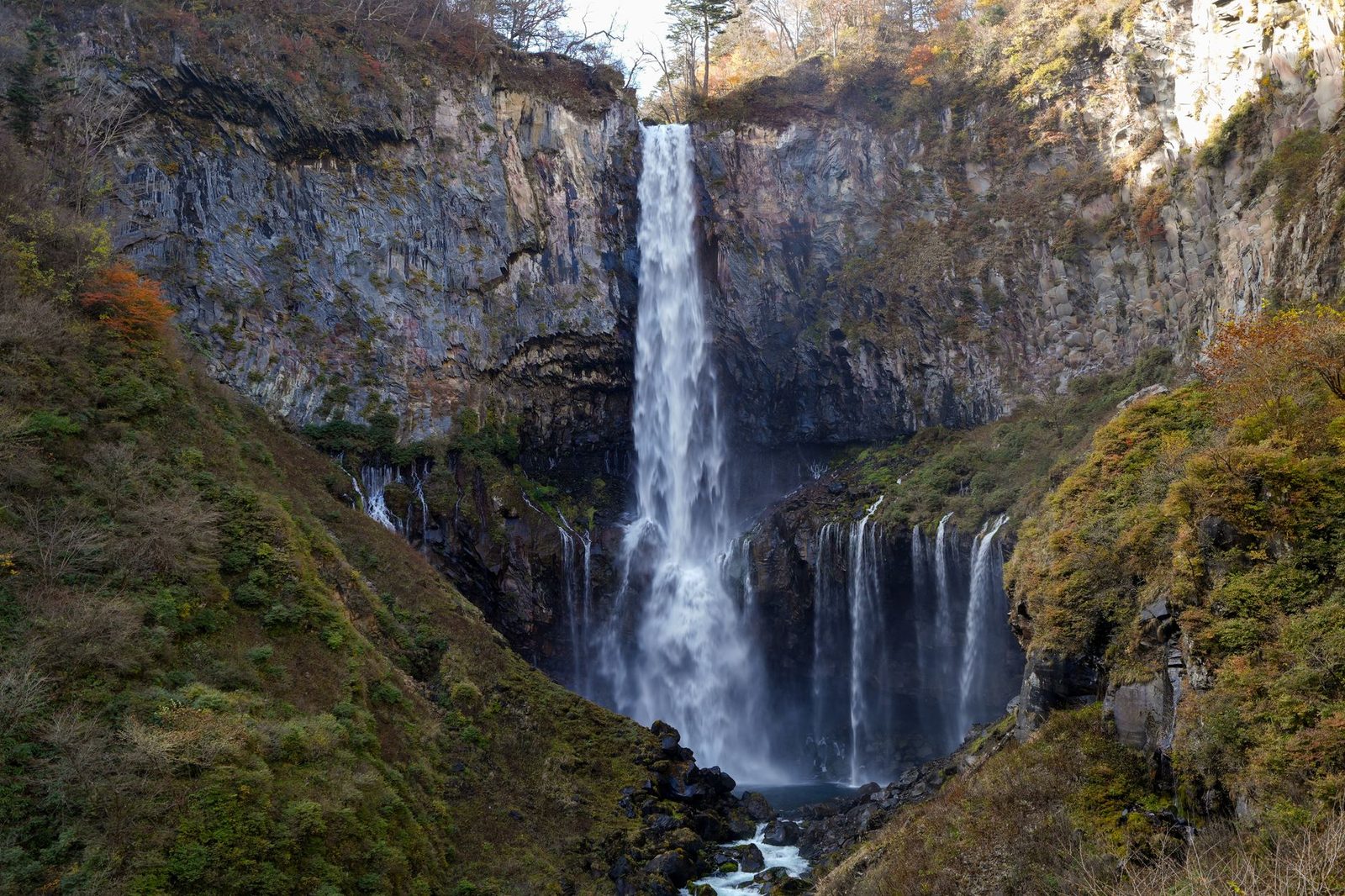
Kegon Falls (Kegon-no-Taki): Ranked as one of Japan's three most beautiful waterfalls, Kegon Falls plunges a majestic 97 meters (318 feet) down a sheer cliff face, fed by the waters of Lake Chuzenji. It's a powerful and captivating sight, especially when the surrounding foliage bursts into autumn colours.
To get there from Nikko Station, take a Tobu Bus bound for Chuzenji Onsen or Yumoto Onsen (these routes are covered by the Chuzenji Onsen Pass or Yumoto Onsen Free Pass). The bus ride takes approximately 50 minutes to the "Chuzenji Onsen" bus stop. From there, Kegon Falls is a short walk.
The main viewing platform is free, but for a truly immersive experience, take the elevator down 100 meters to a lower observation deck. This costs ¥550 (approx. ₹308) for adults. The elevator provides a dramatic, close-up view of the falls, where you can feel the mist and hear the thunderous roar of the water. This experience, akin to descending into a gorge to witness a waterfall in the Himalayas or Western Ghats, offers a unique perspective.
Lake Chuzenji (Chuzenjiko): A vast, serene lake formed by an eruption of Mount Nantai, Lake Chuzenji is located at an altitude of 1,269 meters, making it Japan's highest natural lake. The forested slopes of Mount Nantai and the other surrounding mountains provide a stunning backdrop, especially during autumn. The lake area is also known as Okunikko, or "Inner Nikko."
From the Chuzenji Onsen bus stop, you can stroll along the lake shore, enjoy boat cruises (seasonal, check schedules), or simply relax and take in the panoramic views. The area offers various hiking trails, from short walks to more strenuous treks around the lake or up Mount Nantai for the adventurous.
Why Indians and Bangladeshis will love it: The combination of towering mountains, a tranquil lake, and a powerful waterfall deeply resonates with the natural landscapes found in many parts of India and Bangladesh. The cool, crisp mountain air and the lush greenery (or vibrant autumn colours) evoke the refreshing atmosphere of hill stations like Shimla, Darjeeling, or the Chittagong Hill Tracts. The journey up the winding Irohazaka Road (which connects Nikko town to Okunikko) adds to this "hill station" feel, offering spectacular views, especially during autumn. The sense of escaping the heat and bustle of the plains for mountain serenity is a familiar and cherished experience.
Practical Tip: The area around Lake Chuzenji and Kegon Falls is at a higher elevation, so temperatures can be significantly cooler than in Tokyo, even during pleasant seasons. Pack an extra layer, especially if visiting in autumn or early spring.
Autumn in Nikko: Embracing the Koyo Season
Nikko transforms into a breathtaking spectacle during autumn, locally known as "koyo" season, drawing visitors from across Japan and the world. The region's varied elevation means the autumn colours appear gradually, creating a prolonged viewing season from early October to late November. For our readers, experiencing this natural phenomenon can be akin to witnessing the stunning fall colours in Kashmir or the vibrant hues of Canadian autumn, but with a uniquely Japanese backdrop of ancient shrines and tranquil lakes.
Best Timing for Koyo: The peak of autumn colours in Nikko follows an altitude gradient:
- Early October: Higher elevations of Okunikko, such as Ryuzu Waterfall and Yumoto Onsen, are the first to change.
- Mid to Late October: Lake Chuzenji, Kegon Falls, and the famous Irohazaka Winding Road typically reach their peak.
- Late October to Early November: The colours descend to the town area of Nikko, including the World Heritage sites like Toshogu Shrine and Shinkyo Bridge.
For a day trip, aiming for mid to late October generally offers the best chance to see vibrant colours around Lake Chuzenji and Kegon Falls, while still catching some early colour changes around the shrines. However, always check the latest foliage forecasts closer to your travel dates, as timing can vary slightly year by year due to weather conditions.
Specific Spots for Autumn Leaves:
- Irohazaka Winding Road: This famous winding road, with its 48 hairpin turns, is a highlight in itself. Driving or taking the bus along it during autumn offers spectacular panoramic views of the colourful mountainsides. There are viewpoints along the way, including the Akechidaira Plateau, which also has a ropeway offering stunning vistas of Kegon Falls, Lake Chuzenji, and Mount Nantai amidst the autumn foliage.
- Lake Chuzenji: The entire perimeter of the lake, with Mount Nantai as a majestic backdrop, glows with reds, oranges, and yellows. A boat cruise on the lake offers a unique perspective of the autumn leaves reflected in the water. The Hangetsuyama Observation Deck, accessible via a short hike, provides incredible panoramic views.
- Kegon Falls: The powerful waterfall surrounded by autumn colours is a truly iconic image of Nikko.
- Ryuzu Waterfall (Dragon Head Waterfall): Located upstream from Lake Chuzenji, this waterfall is one of the earliest spots to see autumn colours in Nikko, usually in early to mid-October. Its unique shape, resembling a dragon's head, is enhanced by the vibrant foliage.
- Toshogu Shrine & Shinkyo Bridge: While much of the town area is evergreen, the deciduous trees around the shrine complex and the iconic red bridge provide beautiful splashes of colour, usually peaking in early November.
Autumn Crowd Strategy: Autumn is Nikko's busiest season, and crowds can be significant, especially on weekends and national holidays.
- Prioritize Weekdays: If your schedule allows, visit on a weekday to avoid the densest crowds.
- Start Early: Arriving in Nikko as early as possible (e.g., on the first limited express train from Tokyo) allows you to experience the popular spots, particularly Toshogu Shrine, before the major tour groups arrive.
- Go North First: Some advise heading straight to the Okunikko area (Lake Chuzenji, Kegon Falls) early in the morning, as these areas tend to get crowded later in the day, then returning to the World Heritage sites in the afternoon. This strategy can help you avoid traffic jams on the Irohazaka Road.
- Flexibility: Be prepared for potential bus delays on the Irohazaka Road due to traffic congestion during peak autumn weekends. Factor in extra travel time.
Embracing Nikko's koyo season is a feast for the senses, a vibrant display that promises unforgettable memories. Just like planning for travel during monsoon season in India or Bangladesh, being mindful of peak times and preparing for potential delays will ensure a smoother, more enjoyable experience.
Where to Eat in Nikko: Addressing Dietary Needs
For many travelers from India and Bangladesh, finding suitable food options, especially vegetarian and halal, is a significant concern when visiting a new country. Japan's culinary scene is evolving, and while traditional Japanese cuisine often features fish broth (dashi) and pork, Nikko does offer options for those with specific dietary requirements.
Vegetarian Options: Traditional Japanese cuisine, especially Buddhist temple cuisine (shojin ryori), is inherently vegetarian and often vegan. While dedicated shojin ryori restaurants might be less common in Nikko for a quick day trip, here's what to look for:
- Soba and Udon: Many soba (buckwheat noodles) and udon (thick wheat noodles) shops can prepare dishes without dashi made from fish, often using kombu (kelp) dashi instead. Always ask for "kombu dashi" or "dashi nashi" (without dashi). Tempura vegetables (yasai tempura) are usually a safe bet, just confirm the oil used is not shared with meat products.
- Yuba (Tofu Skin): Nikko is famous for its yuba. You'll find many restaurants serving yuba dishes, from fresh yuba sashimi to deep-fried or simmered yuba. This is a local specialty and a delicious vegetarian protein source.
- Vegetable Tempura and Skewers: Look for restaurants offering "yasai tempura" (vegetable tempura) or grilled vegetable skewers (yasai kushi). Confirm if they use separate fryers/grills.
- Rice Dishes: Plain rice, onigiri (rice balls, check fillings), and vegetable-based curries (often labeled "yasai curry") might be available at casual eateries.
- Convenience Stores (Konbini): Stores like 7-Eleven, FamilyMart, and Lawson are ubiquitous and offer a range of vegetarian-friendly snacks, salads, fruits, and sometimes even vegetarian sandwiches or rice bowls. Reading labels (or using a translation app) is key.
Halal Options: Japan has seen a steady increase in halal-friendly establishments, and Nikko, as a major tourist destination, is no exception.
- Kamaya Café du Reverbere: Located right in front of Tobu Nikko Station, this cafe serves a halal menu, including savory meals like curry rice and roasted chicken bowls, and is famous for its crushed frozen strawberries. This is an excellent starting point for a halal-friendly meal.
- Tobu Nikko Station Prayer Room: The station itself provides a prayer room, a thoughtful amenity for Muslim travelers.
- Kinugawa Park Hotels: While slightly outside a strict day trip itinerary, if you consider an overnight stay in the wider Nikko area, some hotels in Kinugawa Onsen, like Kinugawa Park Hotels, offer halal-friendly meal options with advance requests, preparing halal ingredients in a separate kitchen.
- General Advice: Look for "Muslim-friendly" or "Halal-friendly" signs. While fully halal-certified restaurants might be fewer than in major cities like Tokyo (especially Asakusa, which is noted as a "global halal hub"), many establishments are becoming more accommodating. It’s always best to communicate your dietary needs clearly, perhaps using a translation app or a printed card explaining "no pork, no alcohol, no lard, no non-halal meat."
Local Nikko Delicacies:
- Yuba (Tofu Skin): As mentioned, this is Nikko's signature dish. Try various preparations.
- Sansai Ryori (Mountain Vegetable Cuisine): Dishes featuring edible wild plants from the mountains, often simple and fresh, and frequently vegetarian-friendly.
- Nikko Coffee: Enjoy locally roasted coffee, often made with the region's famous mineral water, at cafes like Nikko Coffee Goyouteidori.
- Red Bean Jelly (Youkan): A traditional sweet treat, often made with quality ingredients and spring water. Watahan, a traditional shop, has been making these since 1787 and they are suitable for Muslim travelers.
When in doubt, don't hesitate to ask hotel staff, tourist information centers (like the one at Tobu-Nikko Station), or use online resources for updated lists of vegetarian and halal establishments. Japan's hospitality, or omotenashi, means that many places are genuinely keen to help, even if language can sometimes be a barrier. Just like navigating food choices in a new Indian state, a little preparation goes a long way.
A Sample Day Trip Itinerary: Maximising Your Time
A day trip to Nikko from Tokyo requires careful planning to make the most of your time. This sample itinerary focuses on hitting the major highlights – the World Heritage shrines and Kegon Falls – while accounting for travel time and crowd management.
Assumptions:
- You are using the Tobu Nikko Pass World Heritage Area (plus limited express surcharge) for travel from Tokyo.
- You will purchase the Chuzenji Onsen Pass upon arrival in Nikko for bus travel to Kegon Falls.
- Travel is on a weekday in mid-October to early November for autumn colours.
Morning: Journey to Nikko & World Heritage Exploration
- 7:00 AM - 7:15 AM: Depart Tokyo (Asakusa Station)
- Head to Tobu Asakusa Station. Ensure you have your Tobu Nikko Pass World Heritage Area and your Limited Express surcharge ticket.
- Board the earliest direct limited express train (e.g., "Spacia" or "Revaty") to Tobu-Nikko Station.
- Cost: Tobu Nikko Pass World Heritage Area (¥3,000) + Limited Express Surcharge (approx. ¥1,450-¥2,140 one-way).
- 9:00 AM - 9:30 AM: Arrive at Tobu-Nikko Station
- Upon arrival, head to the Tobu Tourist Information Center or ticket counter to purchase your Chuzenji Onsen Pass (¥2,300) for bus travel.
- Grab a bus schedule and a map.
- Tip: Use the station's prayer room if needed.
- 9:30 AM - 10:00 AM: Bus to Shinkyo Bridge & Toshogu Shrine Entrance
- Take the Tobu World Heritage Sightseeing Bus (or any bus bound for Chuzenji Onsen/Yumoto Onsen) from Tobu-Nikko Station to the "Shinkyo" or "Nishisando" bus stop. The ride is about 10 minutes.
- Walk to the magnificent Shinkyo Bridge for photos.
- 10:00 AM - 1:00 PM: Explore Toshogu Shrine Complex
- Enter the Toshogu Shrine complex. Purchase your entrance ticket (¥1,600).
- Dedicate ample time to explore the Five-Story Pagoda, Three Wise Monkeys, Sacred Storehouses, the breathtaking Yomeimon Gate, the Sleeping Cat, and finally, Tokugawa Ieyasu's Mausoleum.
- Crowd Strategy: Being here early helps avoid the worst of the crowds at this most popular site.
Lunch & Afternoon: Nature's Embrace at Okunikko
- 1:00 PM - 2:00 PM: Lunch near World Heritage Area or at Lake Chuzenji
- Option 1 (Quicker): Find a vegetarian-friendly or halal-friendly restaurant near the World Heritage area. Look for yuba dishes or ask for soba/udon without fish dashi.
- Option 2 (Scenic): Head straight to Lake Chuzenji and find lunch there.
- 2:00 PM - 2:50 PM: Bus to Kegon Falls & Lake Chuzenji
- From a bus stop near the shrines (e.g., Nishisando), take a Tobu Bus towards Chuzenji Onsen or Yumoto Onsen.
- Enjoy the scenic ride up the Irohazaka Winding Road.
- Alight at the "Chuzenji Onsen" bus stop.
- Cost: Covered by your Chuzenji Onsen Pass.
- 2:50 PM - 4:30 PM: Kegon Falls & Lake Chuzenji
- Walk to Kegon Falls. Enjoy the free viewing platform, then take the elevator down for the close-up experience (¥550).
- After the falls, spend some time by the serene Lake Chuzenji. Take a leisurely stroll along the shore, soak in the mountain views, and enjoy the autumn colours.
Evening: Return Journey to Tokyo
- 4:30 PM - 5:30 PM: Bus back to Tobu-Nikko Station
- Take a Tobu Bus from "Chuzenji Onsen" bus stop back to Tobu-Nikko Station.
- Cost: Covered by your Chuzenji Onsen Pass.
- 5:30 PM - 6:00 PM: Souvenirs & Refreshments
- Grab some souvenirs or a quick snack at Tobu-Nikko Station. Consider traditional red bean jelly (youkan) from Watahan.
- 6:00 PM - 6:30 PM: Depart Tobu-Nikko Station
- Board a limited express train back to Asakusa Station. Ensure you have your return limited express surcharge ticket if not included in your initial pass.
- 8:00 PM - 8:30 PM: Arrive back in Tokyo (Asakusa Station)
This itinerary is packed, but achievable for a determined day-tripper. Adjust timings based on your pace and interests. If you prefer a more relaxed pace, you might choose to focus solely on the World Heritage area or just Okunikko.
Key Takeaways
- Choose Your Rail Pass Wisely: For a day trip, the Tobu Nikko Pass World Heritage Area (plus limited express surcharge) is often the most cost-effective and convenient way to reach Nikko from Tokyo's Asakusa Station. JR Pass holders should utilize the Shinkansen to Utsunomiya.
- Nikko Buses are Essential: Nikko's attractions are spread out. Invest in a local bus pass like the World Heritage Sightseeing Pass (for shrines/temples) or the Chuzenji Onsen Pass (for waterfalls/lake) upon arrival at Nikko Station.
- Start Early, Especially for Toshogu: Arrive at Toshogu Shrine right when it opens (8:00 AM) to avoid the heaviest crowds and fully appreciate its intricate details in relative peace.
- Embrace Autumn's Grandeur: Nikko's autumn (koyo) season, from early October to late November, offers spectacular colours. Plan your visit mid-to-late October for peak views around Lake Chuzenji and Kegon Falls.
- Dietary Needs are Addressable: Nikko offers growing vegetarian and halal-friendly options, particularly yuba dishes, soba/udon (ask for kombu dashi), and dedicated halal cafes like Kamaya Café du Reverbere. Always communicate your needs clearly.
- Nikko Appeals to Hill Station Lovers: The combination of sacred mountains, tranquil lakes, and powerful waterfalls provides a refreshing escape reminiscent of beloved hill stations in India and Bangladesh.
- Pack Layers: Due to varying altitudes, temperatures in Nikko can be cooler than in Tokyo, especially in Okunikko.
FAQ
Q. Is a day trip to Nikko from Tokyo really feasible, or should I stay overnight? A. A day trip to Nikko is definitely feasible and very popular, allowing you to see the main World Heritage sites and a key natural attraction like Kegon Falls. However, it will be a long day, involving about 4-5 hours of total travel time. If you wish to explore more of Okunikko (like Yumoto Onsen, Senjogahara Marshland) or enjoy a more leisurely pace, an overnight stay is recommended.
Q. How do I handle vegetarian food in Nikko if I don't speak Japanese? A. Many restaurants are becoming more accustomed to dietary requests. You can prepare a simple note in Japanese (or use a translation app) stating "Watashi wa bejitarian desu. Niku, sakana, dashi wa taberaremasen." (I am vegetarian. I cannot eat meat, fish or dashi.) Nikko's signature yuba (tofu skin) dishes, vegetable tempura, and soba or udon made with kombu dashi are good options to ask about. When in doubt, the tourist information center at Tobu-Nikko Station or your hotel staff can help you find suitable places to eat.
More from this region — Tokyo & Kanto
View all →
Nikko Autumn Photo-Hunting Map: Where to Stand, What Time to Go, and Which Way the Sun Shines
16 min · tips
Combining Nikko with Kinugawa and Nasu for a 2–3-day fall foliage route by Tobu train
19 min · tips
Nikko’s Week-by-Week Fall Color Calendar: From Senjogahara Down to the Historic Shrines
15 min · tips
An Autumn Day in Nikko: Get Up Early to Beat Irohazaka
18 min · tips