
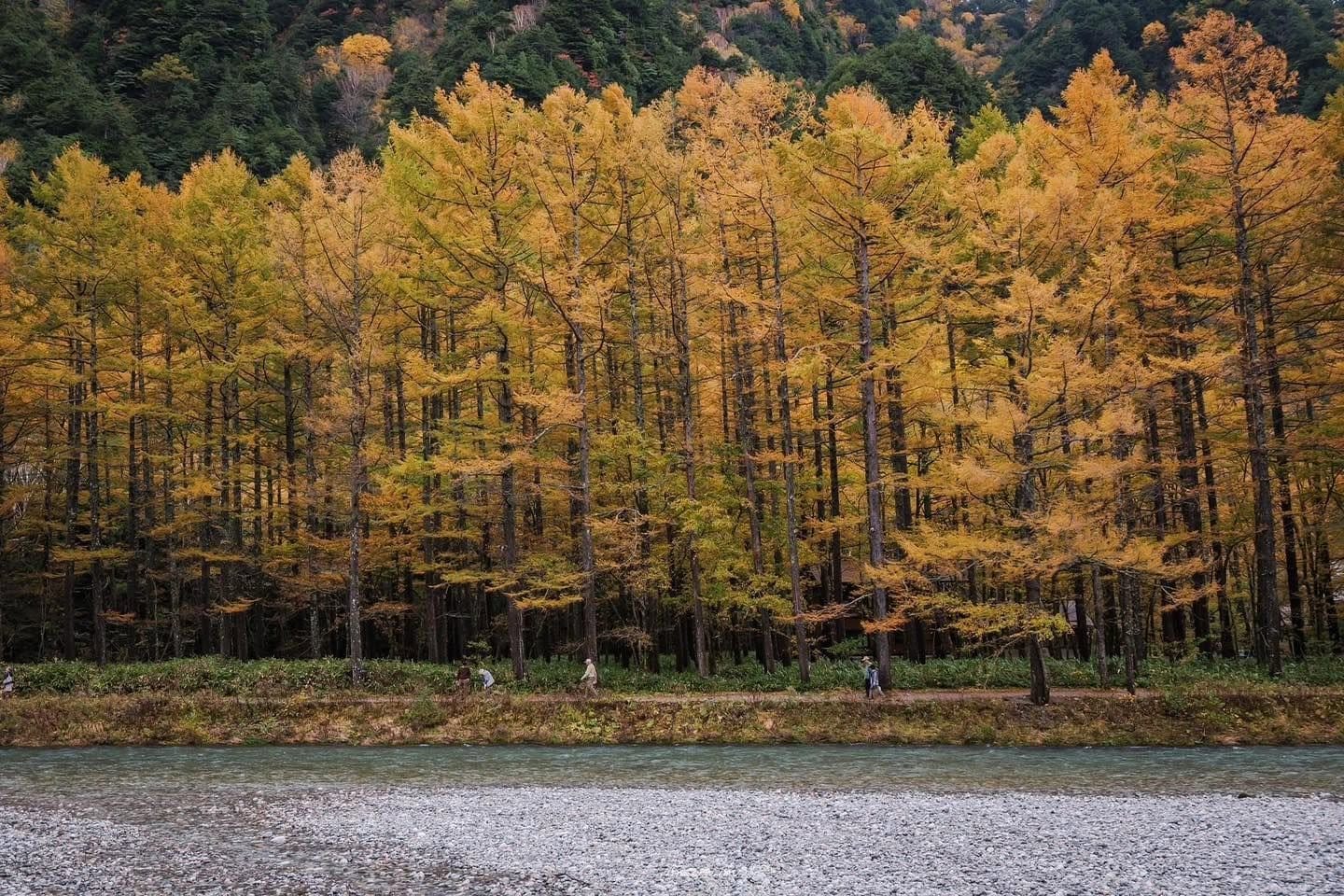
Combining Nikko with Kinugawa and Nasu for a 2–3-day fall foliage route by Tobu train
Add one night for the vivid autumn colors of Ryuokyo Gorge, riverside onsen, and Utsunomiya gyoza on the way back — plus train pass suggestions for each leg of the journey.
Aug 12, 2026·✍️ olablog·⏱ 19 min read
Add one night for the vivid autumn colors of Ryuokyo Gorge, riverside onsen, and Utsunomiya gyoza on the way back — plus train pass suggestions for each leg of the journey.
Tap a region to browse articles
If you have ever visited Nikko on a day trip during the fall foliage season, you probably remember this scene: after 4 p.m. at Tobu-Nikko Station, darkness falls faster than expected, and a long line of people waits in front of the ticket counter for trains back to Asakusa. Everyone is exhausted after a day of weaving through Toshogu, their phones packed with photos but their minds haunted by the feeling that “somehow, I didn’t get to see anything.” I stood in that line once, and promised myself I would never do Nikko as a rushed day trip again.
The reason is simple: Nikko is not a single destination, but an entire region stretching from a few hundred meters above sea level to nearly two thousand meters, with the leaves changing color up to a month apart at different elevations. And the most beautiful experiences here — the quiet temple grounds at dawn, a gorge glowing red in the slanting afternoon sun, a kaiseki meal beside the Kinugawa River — all happen at times when day-trippers are either not there yet or already have to turn back.
This article is for anyone willing to stay an extra one or two nights: how to combine Nikko, Kinugawa Onsen, and Ryuokyo Gorge into a tidy 2-day route, how to detour through Utsunomiya for gyoza on the way back, and, if you are feeling more ambitious, how to extend the trip to the Nasu Highlands or Lake Ozenuma. Just as importantly, it covers which train pass works best for each combination, because buying the wrong pass in this region is surprisingly easy.
Get familiar with the train route before planning your itinerary
The entire region revolves around a fairly easy-to-remember “skeleton.” From Asakusa Station in Tokyo, the Tobu line runs north, splitting at Shimo-Imaichi Station into two branches: one short branch turns left toward Tobu-Nikko Station and the heritage temple area, while the other continues to Kinugawa-Onsen. From Kinugawa, the tracks do not end there but continue onto the Yagan Railway and then the Aizu Railway, running deep into the northern mountains — this is the gateway to Ryuokyo and, farther on, the Fukushima side of the Oze region.
As for trains, you have several main options. The SPACIA X and Revaty Kegon limited express trains take about 2 hours from Asakusa to Tobu-Nikko; Revaty Aizu takes the Kinugawa branch and continues toward the Aizu region. If you are staying in western Tokyo, there are also JR limited express trains that run directly from Shinjuku onto Tobu tracks to Nikko and Kinugawa — saving you the detour back to Asakusa. One thing to remember during the fall foliage season: limited express trains have reserved seating only, and on beautiful weekends tickets may sell out many days in advance, so reserve your seat through the Tobu website as soon as you finalize your plans.
There is also a little-known “back door”: the JR Nikko Line connects JR Nikko Station — a few minutes’ walk from Tobu-Nikko Station — with Utsunomiya in about 45 minutes. This back door turns gyoza on the way home into a sensible move rather than an unnecessary detour.
Combination 1: Nikko + Kinugawa Onsen + Ryuokyo — the classic 2-day, 1-night route
This is the combination I recommend most often for first-time visitors staying overnight: enough temples, enough nature, enough onsen, and a wonderfully relaxed pace.
Day 1: the heritage area and an unhurried afternoon
Take an early train from Asakusa and arrive at Tobu-Nikko around mid-morning. Leave your luggage in a station locker — during peak season, lockers fill up quickly, so arriving early is an advantage — then walk or take a bus up to the temple area. The vermilion Shinkyo Bridge spans the Daiya River, with an entire mountainside streaked in shades of yellow and orange behind it. Even this one stretch is worth half the trip in autumn.
Toshogu is naturally the main attraction, but my hard-earned advice is not to spend all your time there. Also visit Futarasan Shrine and especially Taiyuin, the mausoleum of Tokugawa Iemitsu. Its architecture is just as impressive, while visitor numbers are only a fraction of those at Toshogu. In the early afternoon, stroll out to Kanmangafuchi Abyss: a streamside path lined with Jizo statues wearing red knitted caps, with maple leaves covering their shoulders. It is quiet enough to hear the water clearly. This is exactly the kind of moment day-trippers almost never get, because everyone has to watch the time for their train home.
Around 4–5 p.m., return to the station and take a train toward Shimo-Imaichi, then transfer to the Kinugawa branch — about 45 minutes in total, including the transfer wait. Kinugawa Onsen is an old-fashioned hot-spring town: imposing inns built along both sides of the river gorge during the bubble economy, some now abandoned and lending the town a distinctive melancholy, while the ryokans still in operation offer superb baths overlooking the river. Check in, soak before dinner, enjoy a kaiseki meal, then put on your robe and stroll along the river. There is a free foot bath in front of the station, which is worth stopping by if you arrive early.
Day 2: walking through Ryuokyo Gorge
The next morning is my favorite part. From Kinugawa-Onsen Station, take the train a few stops farther north to Ryuokyo Station — a tiny station right at the forest entrance. As soon as you step outside, you will see signs pointing toward the gorge. Ryuokyo means “dragon king gorge”: here, the Kinugawa River winds between steep volcanic cliffs, the water is jade-green, and from late October to mid-November the entire forest canopy above turns brilliantly red and gold.
The main walking route is about 3 km long and follows the gorge walls. There are stairs up and down, but it is not serious mountain hiking; at a leisurely pace, allowing time for photos, it takes about an hour and a half to two hours. The two highlights are Nijimi Falls — “the waterfall where you can see a rainbow,” cascading white between two cliffs, with a real rainbow appearing in good morning sunshine — and the Musasabi Suspension Bridge spanning the gorge. Standing in the middle and looking along the river gives you a quintessential autumn view. You can complete the entire trail loop and return to the station, or, if you are feeling lazier, walk only as far as the waterfall and bridge before turning back. Either way, the trip is absolutely worthwhile.
Return to Kinugawa for lunch. If you have time, buy a day-use bathing ticket at a ryokan that accepts outside guests — many do during the day, but ask in advance — then take a limited express train straight back to Asakusa in the afternoon. Or, as described below, detour through Utsunomiya.
Pass for this combination
The best fit is Tobu’s NIKKO PASS world heritage area, valid for 2 days. It includes a round-trip ticket from Asakusa, unlimited train travel between the Nikko and Kinugawa areas, and local buses around the heritage temple area. Two things to note: limited express tickets require an additional fee — worth paying, since they save nearly an hour compared with regular trains — and the track section from Shin-Fujiwara to Ryuokyo Station belongs to the Yagan Railway and is likely outside the pass coverage. It is a short segment, so simply buy a separate ticket on-site, but check the latest coverage on the Tobu website to be sure. This type of pass is sold to travelers holding foreign passports; if you are Vietnamese and living in Japan, you can usually still buy one by showing your passport, though conditions may change, so check again before traveling.
Combination 2: 3 days covering all of Oku-Nikko
If you have 3 days and are traveling around mid-October, reverse the order: head to the highlands of Oku-Nikko first, because the leaves there turn red two or three weeks earlier than those around the temples.
On Day 1, take a bus from Tobu-Nikko Station up the famous winding Irohazaka Pass to Lake Chuzenji. Admire Kegon Falls plunging nearly one hundred meters from the lake, continue to Ryuzu Falls — where two streams split through a forest of red maples like a folding screen — and, if your legs are up to it, walk part of the Senjogahara marshland, already tinted golden brown in a beautiful late-autumn style. Spend the night by the lake or return to sleep near the temple area. Dedicate Day 2 to Toshogu, Taiyuin, and Kanmangafuchi, then head to Kinugawa in the afternoon for an onsen stay. On Day 3, visit Ryuokyo in the morning and return in the afternoon.
For this combination, the NIKKO PASS all area, valid for 4 days, is the right pass. It also covers buses up to Oku-Nikko — a round trip that costs a fair amount when purchased separately — as well as the train coverage of the 2-day pass. The autumn pass price is slightly higher than in winter, but if you visit Lake Chuzenji, you will almost break even on the bus fare alone.
A sincere warning: Irohazaka suffers from chronic traffic jams during the fall foliage season, especially on weekends. Buses get stuck in the same traffic. The only way to avoid it is to take the earliest bus possible — reaching the lake before 9 a.m. feels like a completely different world from arriving near noon.
A delicious route home: detour through Utsunomiya for gyoza
Utsunomiya calls itself Japan’s gyoza capital, and it has good reason to be confident: the city has hundreds of restaurants, and locals eat gyoza the way people in Saigon eat hu tieu. From Nikko, instead of returning to Asakusa via Tobu, walk over to JR Nikko Station and take the JR Nikko Line for about 45 minutes to Utsunomiya Station — just enough time to work up an appetite after a day of walking.
The area around the station’s west exit has a cluster of well-known restaurants. If you do not want to choose, Kirasse brings several of the city’s famous gyoza shops together under one roof, so you can order one plate from each and compare them. For the classic experience, look for Minmin or Masashi, two venerable names that often have queues during peak hours. Order all three styles: yaki (pan-fried), sui (boiled and served in clear broth), and age (deep-fried). The wrappers are thin, the filling is heavier on vegetables than meat, and they are served with vinegar mixed with soy sauce and a little rayu. They are light enough that two people finishing four or five plates is perfectly normal.
After eating, there are two ways to get from Utsunomiya back to Tokyo: the Tohoku shinkansen takes less than an hour, or you can take the regular Utsunomiya Line, which takes nearly 2 hours if you want to save money. An important note: the JR Nikko Line and this shinkansen are outside all Tobu passes, so plan ahead if you intend to return via Utsunomiya — either accept buying separate tickets (the Tobu pass can still be worthwhile for the outward journey and travel within the region), or choose a JR-focused pass such as the combination below.
Extend northward: Nasu or Lake Ozenuma
Nasu — for highlands and historic onsen
Nasu is a resort highland in northern Tochigi, where the Japanese imperial family has its own secondary residence — which gives you an idea of the quality of the scenery. Autumn arrives early here: around early to mid-October, the area around Mount Chausu is already ablaze with color. The ropeway up toward the summit of Chausu is the main highlight. From above, the entire mountainside looks like a patchwork carpet in hundreds of shades of red, orange, and gold. Nearby are the Tsutsuji Suspension Bridge across a forested valley, Shika-no-yu public bathhouse, with a history spanning a thousand years and cloudy, sulfur-scented water, and Sesshoseki, the “Killing Stone” associated with the legend of the nine-tailed fox — enough for a day and a half without getting bored.
How to combine it with Nikko: there is no direct rail connection, so going via Utsunomiya makes the most sense — and that automatically puts a gyoza meal in your itinerary. Suggested 3-day plan: Day 1, explore the Nikko temple area and stay in Nikko or Kinugawa; Day 2, go down to Utsunomiya in the morning for a gyoza lunch, take the shinkansen a short distance to Nasushiobara Station, then catch a bus for about an hour up to the Nasu Yumoto area, bathe at Shika-no-yu in the afternoon, and stay at a mountain onsen; Day 3, take the ropeway in the morning while the skies are clear, then descend and return to Tokyo in the afternoon.
The best pass for this combination is another JR option: the JR Tokyo Wide Pass, valid for 3 consecutive days. It covers the Tohoku shinkansen to Nasushiobara and — a point few people know — also covers limited express JR trains that run directly from Shinjuku onto the Tobu line to Nikko/Kinugawa. In other words, one pass covers both “systems.” This pass is also available to foreign-passport holders, including foreign residents of Japan; check the JR East website for the exact coverage and conditions before purchasing. The bus segment in Nasu is separate.
Ozenuma — for hiking enthusiasts and early-season travel
If you are traveling from late September to around mid-October, there is another option that few Vietnamese travelers know about: continue along the Kinugawa branch all the way to the gateway to Oze. The Revaty Aizu runs directly from Asakusa to Aizu-Kogen-Ozeguchi Station in more than 3 hours. From there, a seasonal bus takes about an hour and a half to Numayama Pass, followed by roughly an hour of walking on a mountain trail with wooden steps to reach Lake Ozenuma. The lake lies still beneath Mount Hiuchi, while the surrounding highland grasslands turn a coppery red known as “kusamomiji,” creating an autumn landscape unlike anywhere else in the Kanto region.
The smoothest combination is: Day 1, explore the Nikko temple area and stay in Kinugawa; Day 2, get up early to take the train to Ozeguchi, hike to the lake, and return in the afternoon — or stay at a lakeside lodge if you can get a reservation, as there are few beds and you must book very early; Day 3, add Ryuokyo or return straight home, depending on your energy. But keep three things in mind: the bus to the pass runs only seasonally and usually stops around mid- to late October, and departures are infrequent, so missing one can wreck your schedule; it is much colder in the mountains than in Tokyo; and this is genuine mountain walking, so you need proper shoes rather than white city sneakers. Check the seasonal bus timetable on the official Oze or Aizu Bus website before finalizing your plans. For tickets, the Aizu direction has its own Tobu pass, such as the Yuttari Aizu Free Pass, covering the round trip and some unlimited travel segments. Coverage has changed over time, so compare the details on the Tobu website before buying.
Quick summary: one combination, one pass
- Nikko + Kinugawa + Ryuokyo, 2 days: NIKKO PASS world heritage area, plus limited express tickets and the short Yagan segment.
- Add Oku-Nikko, 3 days: NIKKO PASS all area — mainly worthwhile because of the bus fare up to Lake Chuzenji.
- Nikko + Utsunomiya gyoza + Nasu, 3 days: JR Tokyo Wide Pass, traveling out via a direct train from Shinjuku and returning by shinkansen.
- Nikko + Kinugawa + Ozenuma: Tobu’s Aizu-area pass or separate tickets; budget extra for the seasonal bus.
- Traveling without a pass: still perfectly fine if you go one way up and another way back without repeating routes — passes only offer real savings when you make multiple trips within the region.
A general tip: all Tobu limited express tickets can be booked online in advance, and during the fall foliage season you should treat reserving seats like booking a hotel — secure them early and change them later if necessary.
Plan around the foliage: go higher first, then lower
The golden rule for this entire region is that the fall colors “flow” from high elevations down to lower ones. From late September to early October, Ozenuma and the summit area of Nasu are at their best. Around mid-October, peak color moves to Oku-Nikko — Ryuzu Falls and Lake Chuzenji. From late October to mid-November, the Nikko temple area, Kinugawa, and Ryuokyo reach their brightest. These dates shift from year to year, so check Japan’s kouyou foliage forecasts one week before your trip.
The interesting thing is that, thanks to this staggered timing, you can put together a “peak-color” itinerary almost any week from late September to mid-November: prioritize the Ozenuma/Nasu branch early in the season, focus on Oku-Nikko in the middle of the season, and choose the Kinugawa–Ryuokyo combination late in the season. Pick your combination based on the week you are free rather than forcing a fixed itinerary into the wrong season.
A few things to know before boarding
- Ryokans in Kinugawa and Nasu during the fall foliage season, especially on Saturday nights, often fill up more than a month in advance. Book early, and note that many properties have significantly lower rates on Sunday nights.
- Temperature differences are substantial: while Tokyo may still be warm enough for a T-shirt, Lake Chuzenji and Numayama Pass may already require a heavy jacket. Dress in layers.
- Some local buses and small mountain restaurants still prefer cash, even though IC cards are becoming increasingly common. Carrying some small change never hurts.
- Yagan Railway trains and buses in the Nasu and Oze areas run infrequently. Photograph the timetable at the station as soon as you arrive, and always know the time of your “last train” or bus.
- Large suitcases are best left in lockers at Tobu-Nikko or Kinugawa stations. Many ryokans will also hold luggage before check-in if you message them in advance.
Staying one extra night may sound simple, but it completely changes the character of the trip: you get to see the temple grounds before the morning mist has lifted, soak in an onsen while the air outside is crisp, and stand in the middle of a gorge suspension bridge the next morning without watching the clock. Autumn in this region is much bigger than a same-day round-trip ticket — you just need to make room for it in your schedule.
Frequently asked questions
Are weekends too crowded?
They are crowded, with the worst congestion in three time slots: Saturday morning on the limited express, midday at Toshogu, and all day on Irohazaka Pass. If weekends are your only option, get ahead of the crowds: reach the temple area before 9 a.m., take the first bus of the day to Oku-Nikko, and consider returning a little later on Sunday afternoon, when things have thinned out. Traveling midweek is much easier.
Is it okay to skip the pass and buy separate tickets?
Absolutely. It may even make more sense if your itinerary moves in one direction without backtracking — for example, going up via Tobu and returning via JR through Utsunomiya. Passes only become truly worthwhile when you use multiple local buses — especially the route up to Lake Chuzenji — or travel repeatedly between Nikko and Kinugawa. Add up the segments you know you will take and compare the total with the current pass prices on the Tobu website.
Is Ryuokyo suitable for people who do not walk much or families with young children?
Yes, as long as you choose a manageable section. The route from Ryuokyo Station to Nijimi Falls and the Musasabi Suspension Bridge is fairly short. There are stairs, but they are not dangerous, and elementary-school children should manage it well. Completing the full 3 km trail loop requires slightly stronger legs and grippy shoes. The rocks can become slippery in rainy weather, so skip the trail that day and stay in Kinugawa for an onsen instead.
Should I stay overnight in Nikko or Kinugawa?
Each has its own appeal. Staying near Nikko’s temple area lets you visit Toshogu when it is at its quietest the next morning — an unbeatable advantage. Staying in Kinugawa gives you the full riverside onsen ryokan experience, with more room choices and generally gentler prices. For a 2-day itinerary like Combination 1, I lean toward Kinugawa because Ryuokyo is very close on Day 2; if temples and shrines are your priority, reverse the order and stay in Nikko.
Can I still visit Ozenuma in late October?
Usually, it is difficult. Seasonal buses to Numayama Pass mostly stop running around mid- to late October, and the best kusamomiji season is from late September to early October. If you are only free late in the season, switch your focus to Ryuokyo and the Nikko temple area, which are reaching their peak then. Bus schedules vary each year, so check the official Oze-area website before booking accommodation.
How can I use a nationwide JR Pass in this region?
A nationwide JR Pass cannot be used on the Tobu line from Asakusa, but it works well for the Utsunomiya route: take the shinkansen to Utsunomiya, then the JR Nikko Line into Nikko, and return the same way. You can stop for gyoza without paying any additional fare. For direct trains from Shinjuku, the portion running on Tobu tracks generally requires an extra payment; confirm the details when exchanging your ticket. The Kinugawa–Ryuokyo–Aizu branch is Tobu territory, so plan to buy separate tickets for that section.
More from this region — Tokyo & Kanto
View all →
Nikko’s Week-by-Week Fall Color Calendar: From Senjogahara Down to the Historic Shrines
15 min · tips
An Autumn Day in Nikko: Get Up Early to Beat Irohazaka
18 min · tips
Nikko in Autumn: 2 Days, 1 Night — A Leisurely Okunikko Trip and an Early-Morning Visit to the Shrines
18 min · tips
Nikko in Fall Foliage: Tips for Avoiding Irohazaka Traffic and Realistic Costs
17 min · tips