
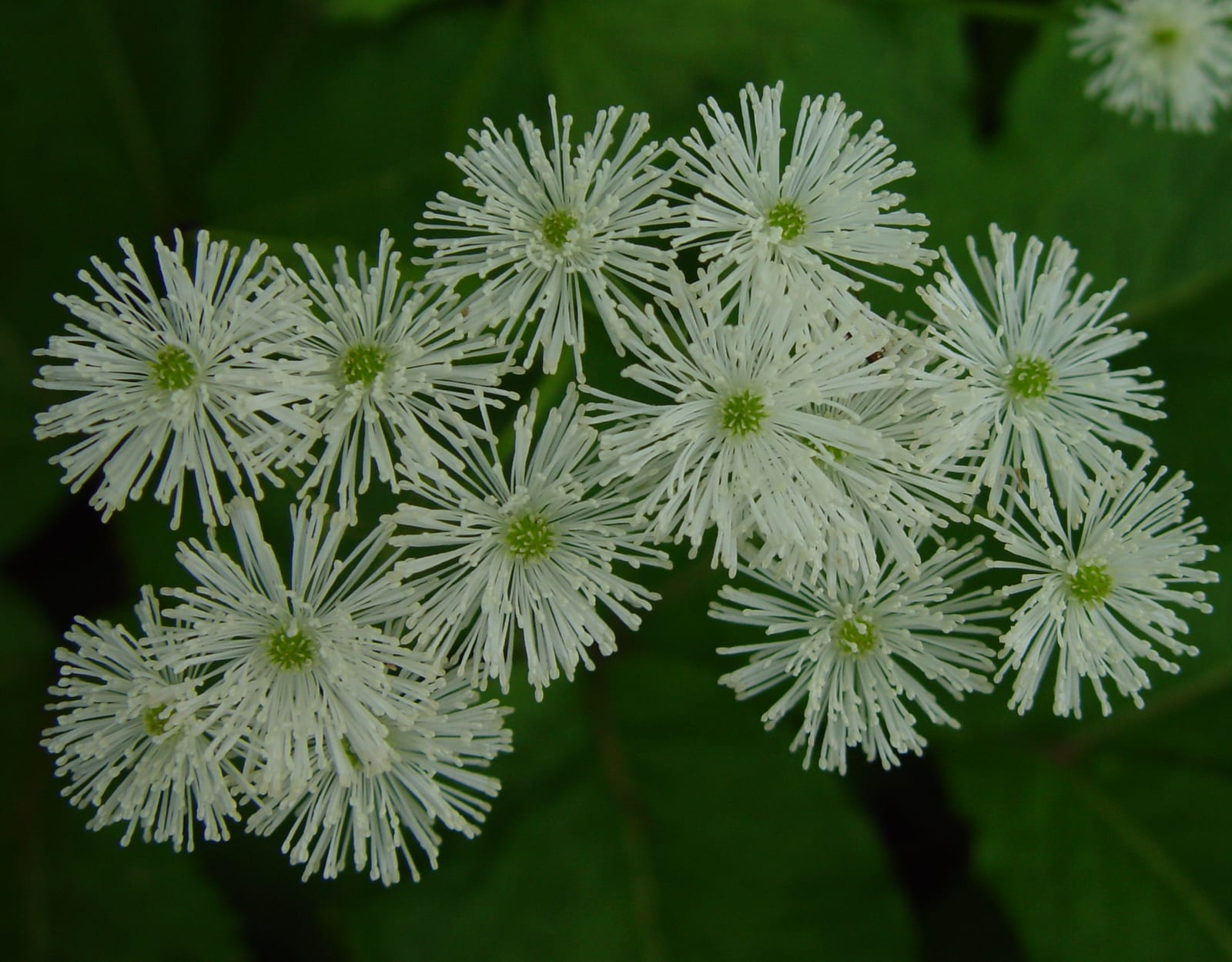
Nikkō National Park – Golden Shrines Deep in Sacred Mountains
Your complete guide to Nikkō National Park, Tochigi Prefecture. Best times to visit, how to get there, top photo spots, and insider tips for an unforgettable trip.
Mar 21, 2026·✍️ olablog·⏱ 5 min read
Your complete guide to Nikkō National Park, Tochigi Prefecture. Best times to visit, how to get there, top photo spots, and insider tips for an unforgettable trip.
Tap a region to browse articles
Japan never disappoints travelers chasing natural beauty — and Nikkō National Park in Tochigi Prefecture is one of the country's most spectacular gifts to the world. A trip to Nikkō isn't just a day out; it's a full immersion into landscapes so cinematic you'll find yourself stopping every few minutes, phone in hand, wondering if what you're seeing is actually real.
1. What Makes Nikkō National Park So Special
Nikkō National Park delivers a combination of ancient shrine architecture and wild mountain scenery that's genuinely hard to find anywhere else on Earth. The light shifts dramatically throughout the day — golden at sunrise, cool and blue midmorning, then blazing pink and amber as the sun drops behind the ridgeline — and every hour feels like a different painting.
The journey here is part of the experience. Routes wind through forested mountain passes, skirt the edges of volcanic lakes, and open suddenly onto sweeping valley views. Travelers consistently say that getting to Nikkō is half the adventure — which is exactly why road-tripping this region beats rushing in on a day-trip bus tour.
2. Top Photo Spots You Can't Skip
The Nikkō area packs in an impressive range of viewpoints, from the famous to the genuinely off-the-beaten-path. Here are the must-hit spots:
Main observation deck: A near-180-degree panorama across the park. Sunrise and sunset here are widely considered the best in the region — set your alarm.
The ancient cedar avenue (Sugi Namiki): Thousands of towering cedars, some over 400 years old, form a cathedral-like tunnel. Stunning year-round, but exceptional in spring cherry season and during autumn's fiery foliage peak.
Lake reflection points: The still surfaces of Lake Chūzenji (中禅寺湖) and nearby rivers act like giant mirrors, producing perfectly symmetrical shots that practically edit themselves.
Summit viewpoints: Hike or drive to the highest accessible points for a full panoramic sweep over Tochigi's ridgelines — worth every bit of effort.
3. Best Time to Visit
Every season brings something different to Nikkō, but the sweet spots are May and October. Here's why:
- Weather is at its most stable — ideal for driving and hiking
- Scenery peaks seasonally: fresh green in spring, blazing reds and golds in autumn
- Natural light is perfect for photography between 6–9 a.m. and 4–6 p.m.
- Crowds are manageable — busy enough to feel lively, not so packed you're elbowing for a view
Winter visits reward the bold with snow-draped shrines and an almost ghostly quiet — gorgeous, but mountain roads can get icy and some routes close. Spring and autumn are the classic choices for good reason.
4. The Best Way to Explore — Hit the Road
The single best way to experience Nikkō National Park and the wider Tochigi region is by car. Renting a vehicle frees you from bullet-point bus itineraries and tight train schedules, letting you pull over whenever something catches your eye, linger at viewpoints, and find the backroads that public transport simply doesn't reach.
Roads throughout the park are well-maintained with clear signage (romaji included on major routes), and designated rest areas are spaced sensibly — so even first-time drivers in Japan will feel comfortable.
✨ Pro tip: Rent a car through OlaChill to explore Nikkō National Park entirely on your own schedule — with or without a driver.
5. Sample 1–2 Day Itinerary
Day 1
- 6:00 a.m. – Head to the main observation deck for sunrise over Nikkō in golden morning light
- 8:00 a.m. – Breakfast at a local restaurant — try yuba (tofu skin), Tochigi's beloved regional specialty
- 9:30 a.m. – Drive the main scenic route, stopping at viewpoints along the way
- 12:00 p.m. – Lunch at a roadside rest area or a mountain café
- 2:00 p.m. – Explore secondary highlights: historic villages, waterfalls (Kegon Falls is unmissable), and lakeside spots
- 5:00 p.m. – Check into your hotel or a traditional ryokan
- 6:30 p.m. – Soak in an onsen if your ryokan has one, then settle in for a kaiseki dinner
Day 2
- 7:00 a.m. – Early breakfast and an early start to beat the crowds
- 8:30 a.m. – Take a quieter back route or a lesser-known viewpoint the tour groups miss
- 11:00 a.m. – Shoot the lake reflection points while the light is still low and soft
- 1:00 p.m. – Lunch and a proper rest
- 3:00 p.m. – Head to your next destination or begin the drive back
6. Practical Tips Before You Go
- 📷 Golden hour is non-negotiable: The 30 minutes before and after sunrise and sunset deliver the best light — plan around it
- 🚗 Book your rental early: During peak season (May, October) cars sell out fast — reserve at least 1–2 weeks ahead
- ⛽ Fill up before you head into the mountains: Gas stations thin out significantly in rural Tochigi; don't assume there's one around the next bend
- 📱 Download offline maps: Save the Tochigi area in Google Maps before you leave — cell signal can be patchy in the park's deeper valleys
- 🍙 Stock up at a convenience store: 7-Eleven and FamilyMart are your best friends on a road trip — onigiri, sandwiches, hot drinks, and snacks all sorted
- ☁️ Check the forecast: This matters especially in winter or rainy season — mountain weather shifts fast and some passes close without much warning
More from this region — Tokyo & Kanto
View all →
Soaking in onsen amid Nikko’s autumn leaves: highland Yumoto, riverside Kinugawa
17 min · tips
Nikko Private Day Trip by 10-Seat Van
8 min · tips
When Nikko’s Autumn Leaves Light Up: An Autumn Evening by Shinkyo Bridge and the Historic Temples
15 min · tips
Five Onsen Towns Near Tokyo and How to Choose Between Them
6 min · experiences