
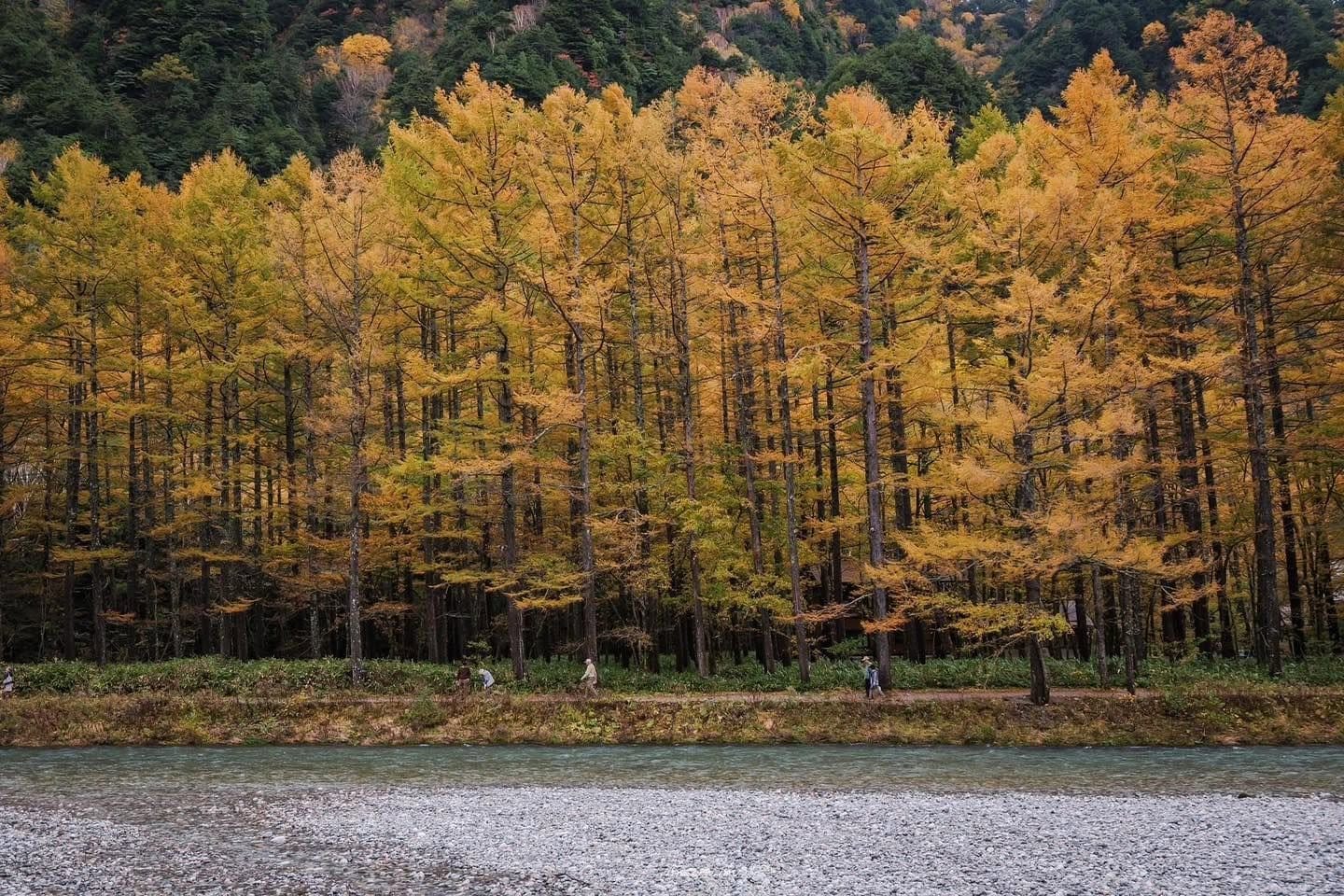
Soaking in onsen amid Nikko’s autumn leaves: highland Yumoto, riverside Kinugawa
Milky-white sulfur water in the highlands, stone baths overlooking a river gorge, tips for day bathing, and a foliage calendar by elevation so you can soak and enjoy the full autumn scenery.
Aug 12, 2026·✍️ olablog·⏱ 17 min read
Milky-white sulfur water in the highlands, stone baths overlooking a river gorge, tips for day bathing, and a foliage calendar by elevation so you can soak and enjoy the full autumn scenery.
Tap a region to browse articles
There’s a moment I think everyone visiting Nikko in autumn should treat themselves to at least once: sitting in an outdoor bath, surrounded by clouds of steam rising from milky-white sulfur water, with maple leaves overhead changing from gold to vivid red. The air is chilly, around ten degrees, so everything from your shoulders up feels icy while your body from the neck down is wonderfully warm—the “two temperatures” sensation is something no photograph can truly convey.
The problem is that most people visit Nikko at a frantic pace: catching a train from Asakusa in the morning, squeezing in a visit to Toshogu Shrine at noon, rushing up to Lake Chuzenji for a quick photo of Kegon Falls in the afternoon, then hurrying back to Tokyo in time for dinner. There’s nothing wrong with traveling that way, but it’s a bit of a waste, because Nikko is actually one of the few areas around Tokyo where you can enjoy peak autumn foliage and genuinely excellent onsen—not just a hot tub in a city hotel marketed as an onsen.
This article focuses on one thing: autumn onsen bathing around Nikko. Specifically, we’ll look at two very different “extremes”—Yumoto Onsen and its sulfur water in the highlands of Oku-Nikko, and the riverside ryokan district of Kinugawa—along with how to enjoy a day visit (higaeri) if you’re not staying overnight, the basic rules for first-timers, and most importantly, how to fit these places into a foliage-viewing itinerary without trying to do too much.
Why Nikko is a place where you can truly “bathe in autumn”
Nikko’s biggest advantage is its elevation. The area stretches from the low-lying town of Nikko, at around a few hundred meters above sea level, up to the approximately 1,300–1,500-meter-high Oku-Nikko region around Lake Chuzenji and Yumoto. Because of this difference in elevation, the autumn colors don’t appear all at once but gradually “flow” from the higher areas downward: Yumoto and Senjogahara Marsh usually peak earliest, around early to mid-October; Lake Chuzenji and Irohazaka are generally at their best from mid- to late October; while the temple and shrine area in town and the Kinugawa River gorge tend to peak later, usually from late October to mid-November.
In other words, Nikko’s foliage season lasts for a month and a half, and no matter when you visit during that period, there will almost always be one “layer” of the area looking beautiful. That’s why I recommend not simply asking, “When is Nikko at its best?” but instead asking, “Which part of Nikko will look best during my week?”—and then choosing your onsen based on that layer. If you go in early October, prioritize highland Yumoto; if you visit in November, lower-lying Kinugawa is the more sensible choice.
Another advantage is that both onsen areas already lie along the main foliage-viewing routes, so you don’t have to take a detour. Yumoto is the final stop on the bus route from Tobu-Nikko Station to Oku-Nikko, passing close to nearly all the famous foliage spots. Kinugawa has its own station on the Tobu Line, with direct limited express trains from Asakusa taking about two hours. You don’t have to sacrifice any sightseeing in exchange for an afternoon in the hot springs.
Yumoto Onsen: sulfur springs in the highlands of Oku-Nikko
Yumoto is a small onsen village tucked beside Lake Yunoko, at an elevation of approximately 1,500 meters—almost the highest point in the Nikko area that you can reach by bus. The word “Yumoto” literally means “source of hot water,” and true to its name, the water bubbles up right here from the Yunodaira spring area behind the village. You can walk there to see boiling pools bubbling away amid sulfurous steam, in a scene that feels a little like a miniature Jigokudani.
What makes the water special
Yumoto’s water is a sulfur spring, and it’s the real thing rather than a mild version: it runs clear when first drawn, then turns milky white after being exposed to the air, sometimes with a turquoise tint depending on the bath and the day. You can smell its distinctive boiled-egg aroma before the bus has even reached the stop. For onsen enthusiasts, this is the kind of water with real character—it leaves your skin smooth, keeps you warm for a long time, and, for many people, the faint sulfur scent that lingers on your skin for several hours afterward is part of the experience.
Because it’s a small village, Yumoto has no flashy high-rise hotels. Most accommodations are mid-sized ryokan and family-run inns, many of which accept day bathers from around noon through the afternoon. There is also an old temple in the village with a source-water bath open to visitors—a fairly rare experience, since there aren’t many places in Japan where you can bathe in an onsen within a temple precinct. There’s even a free foot bath in the village, which is enough to warm you up if you only have half an hour before catching the bus back.
Step outside after soaking and autumn is right there
The best thing about Yumoto in autumn is that you don’t need to go anywhere else. Lake Yunoko is right beside the village, its calm surface reflecting the golden-red mountain slopes. Walking all the way around the lake takes about one hour, and the route is flat and easy. At the far end of the lake, the water plunges down as Yudaki Falls, one of the region’s finest foliage-viewing spots. From the foot of the falls, a trail continues through Senjogahara Marsh, where the reeds turn a fiery gold even earlier than the trees. The classic itinerary is to walk and enjoy the scenery in the clear morning air, return to the village in the afternoon for a hot soak to ease your tired legs, and then take the bus down the mountain.
A few sulfur-water precautions
Sulfur water is stronger than ordinary onsen water, so there are a few things you should know in advance. First, remove all silver and metal jewelry before bathing—sulfur can tarnish silver very quickly, sometimes after just one bath. Second, don’t stay in for too long at once. The water here is often quite hot, and at 1,500 meters the thinner air makes it easier for people who aren’t accustomed to the altitude to feel dizzy. Soaking for about five to ten minutes, taking a break outside, and then getting back in is safer than staying in continuously for half an hour. Third, you don’t necessarily need to rinse off with fresh water afterward—many people intentionally leave the minerals on their skin—but if you have sensitive skin, a light rinse is the safer option.
Kinugawa Onsen: riverside ryokan and a proper resort-style evening
If Yumoto is a rustic, mountain-style onsen, Kinugawa is the opposite extreme: a stretch of hotels and ryokan of all sizes lining both banks of the Kinugawa River gorge, not far from Nikko’s temple and shrine district. During the height of Japan’s economic bubble in the 1980s, it was a hugely popular corporate retreat destination for Tokyo residents. Some abandoned buildings now lend the area a slightly nostalgic atmosphere, but that is also why prices here are more reasonable than in many other famous onsen towns, while the ryokan still in operation have, for the most part, been renovated quite tastefully.
One night at a riverside ryokan
Kinugawa’s main selling point is the location of its baths. Many ryokan here have rotenburo (open-air baths) perched right on the edge of the gorge, looking directly down at the rushing river below and the red-leaf-covered cliffs on the opposite bank. In autumn, soaking early in the morning while mist still hangs over the river is the most rewarding moment of the entire trip. A standard night at a ryokan usually includes a multi-course seasonal kaiseki dinner—with mushrooms, chestnuts, and river fish often appearing at this time of year—a Japanese-style breakfast, a yukata to wear around the property, and unlimited access to the baths, even late at night when the bathing area may be completely empty.
When booking, look for keywords such as “kawa-zoi” (riverside) or rooms described as having a river view, and check whether the ryokan offers a “kashikiri-buro” (a private bath that can be rented by the hour). This is particularly useful if you’re traveling with young children, as a couple, or if you have tattoos and feel uncomfortable using a communal bath.
What to see around Kinugawa in autumn
Don’t spend the entire time inside your ryokan. Kinugawa has several excellent foliage-viewing spots: suspension bridges spanning the gorge, offering direct views down at the emerald-green river between golden-red cliffs; boat rides downstream through the gorge, allowing you to admire it from below (during peak season, check availability and book ahead, and be sure to verify the operating schedule on the official website, as services may be suspended seasonally); and, if you take the train a little farther upstream, Ryuokyo Gorge, whose cliffside walking trails take a few hours and are every bit as beautiful as Oku-Nikko during the foliage season, but considerably less crowded.
Higaeri onsen: bathe for the day without staying overnight
“Higaeri” (日帰り) means a day trip, and “higaeri onsen” is a very common tradition in Japan: ryokan open their baths to outside visitors during set hours—usually from noon until around three or four in the afternoon, before overnight guests check in. For people visiting Nikko on a day trip from Tokyo, this is the way to enjoy a high-quality onsen without paying for a hotel night.
The process is simple: go to the front desk, ask for “higaeri nyuyoku” (day bathing), pay the fee—usually anywhere from a few hundred to around one thousand yen, depending on the property, with more upscale ryokan charging more—and you’ll be directed to the communal bathing area used by overnight guests. A few things to know in advance:
- Hours vary from one property and one day to another. On days when overnight occupancy is high, a ryokan may stop accepting outside bathers without prior notice. During peak foliage season, it’s best to call or check the official website before making the trip.
- Towels are not usually included. Some places rent or sell small towels, but the easiest option is to carry a quick-drying bath towel in your backpack.
- Besides ryokan, there are also public bathhouses and facilities specializing in higaeri bathing, with lower prices and no need to feel as though you’re intruding at someone else’s lodging. Both Yumoto and Kinugawa have options of this kind.
- A foot bath (ashiyu) is a free alternative. Kinugawa has a free foot bath near the station area, and Yumoto has one in the village as well. If your schedule is extremely tight, fifteen minutes soaking your feet in hot water in the chilly autumn air can still be remarkably restorative.
From personal experience, if you’re visiting for the day, schedule your bath between 13–15. Earlier than that, many places haven’t yet opened their baths to outside guests; later, you’re more likely to be turned away and you’ll lose the beautiful light for enjoying the foliage while you soak.
Onsen rules for first-timers: how not to feel awkward on your first visit
If this is your first time at an onsen, don’t worry—everything is simpler than you might expect. You only need to remember these core rules:
Before entering the bath
- Take everything off; wear nothing. Onsen bathing is completely nude, with separate areas for men and women. Swimsuits are not allowed. Everyone is in the same situation, so any embarrassment usually disappears after about two minutes.
- Wash thoroughly first. The shower area, with small stools and soap, is always located before the bathing area. Sit on the stool (don’t stand while rinsing, as you may splash the person beside you), scrub yourself clean, and only then enter the bath. This is the most important rule, with no exceptions.
- Tie up long hair so it doesn’t touch the water.
In the bath
- Do not put your small towel in the water. Fold it and place it on your head or on the edge of the bath.
- Enter slowly, pouring a little hot water over your arms and legs first to acclimatize to the temperature. This is called kakeyu.
- Keep quiet, don’t swim, and don’t take photos—phones are absolutely not allowed in the bathing area.
- If you feel even slightly dizzy, get out immediately, sit down, and drink some water. In autumn, the temperature difference between indoors and outdoors can be significant, and your body loses water faster than you might expect.
Tattoos
Many onsen in Japan still refuse guests with tattoos, although attitudes are gradually becoming more open. If you have a tattoo, try these three solutions in order: cover a small design with a tattoo cover patch, available at drugstores; ask the bathing facility in advance whether tattoos are accepted; or, safest of all, rent a private kashikiri bath. It’s more comfortable and means you won’t have to worry about other bathers.
Finally, one serious health reminder: don’t enter an onsen immediately after drinking alcohol, and after a tiring day of hiking and viewing the autumn leaves, don’t jump straight into a long soak. Have a light snack, rest for a while, and then bathe.
Fitting onsen into a foliage-viewing itinerary around Nikko
This is the part I think many people handle poorly. Here are a few tried-and-tested itinerary frameworks to consider:
One-day trip from Tokyo (early–mid October, focusing on Oku-Nikko)
Take the earliest train you can from Asakusa—seriously. During foliage season, leaving one hour later can mean losing an entire half-day because of traffic. From Tobu-Nikko Station, board a bus straight to Yumoto. If the weather is good, get off at Ryuzu Falls or Senjogahara and walk for a while to enjoy the autumn colors, then catch the next bus up to Yumoto. Have a light lunch, enjoy a higaeri bath in the early afternoon, walk around Lake Yunoko, then take the bus down to Lake Chuzenji to watch the sunset before returning to the station. The biggest warning: Irohazaka, which connects Chuzenji with the town, is legendary for traffic jams at this time of year. The descent late in the afternoon can take two or three times longer than usual, so always leave extra time for your train home.
Two days, one night (the best-balanced option)
Day one: head straight up to Oku-Nikko early, and spend the entire day exploring Yumoto – Yudaki – Senjogahara – Chuzenji, with a bath in Yumoto around midday. In the late afternoon, descend the mountain, take the train to Kinugawa, check into your ryokan, enjoy a kaiseki dinner, and soak in the riverside rotenburo that evening and again early the next morning. Day two: check out, return to Nikko’s town center to visit Toshogu and walk through Kanmangafuchi Abyss with its rows of Jizo statues—or, if the temple and shrine area is too crowded, switch to a walk through Ryuokyo Gorge. This itinerary works so well because you experience each “layer” of Nikko at the right pace, while also getting a full night of proper onsen relaxation.
November itinerary (when the mountains are already bare)
By November, Oku-Nikko has usually passed its peak, while the temple and shrine area and Kinugawa are at their most beautiful. At this point, use Kinugawa as your base: visit the temples and shrines during the day, return to your ryokan in the late afternoon or evening, then explore Ryuokyo or the suspension bridges around the area the next day. You’ll avoid much of the congestion on Irohazaka.
As for train tickets, Tobu offers several passes bundling round-trip trains with buses in the Nikko–Kinugawa area. During the autumn foliage season, these are often better value than buying individual tickets, but the pass types and conditions change from year to year, so check Tobu’s official website before your trip. Limited express trains should be reserved in advance during peak season, especially for weekend morning departures.
Frequently asked questions
When is the best time to visit Nikko for both autumn leaves and beautiful onsen?
There’s no single answer because the colors change according to elevation. In general: choose Yumoto and Oku-Nikko from early to mid-October; the area around Lake Chuzenji from mid- to late October; and the temple and shrine district and Kinugawa from late October to mid-November. About one week before your trip, check the koyo forecast (紅葉情報) on Japanese weather websites so you can choose the right “layer” accurately.
Can I fit in an onsen bath on a day trip from Tokyo?
Yes, if you leave early and choose just one bathing spot rather than trying to do everything. The most realistic option is a higaeri bath in Yumoto or around Chuzenji in the early afternoon. Remember that ryokan often stop accepting outside bathers in the middle of the afternoon, and during peak season you should confirm the hours by phone or on the official website in advance.
Can I bathe if I have a tattoo?
It depends on the facility. Small tattoos may be accepted if covered with a patch. The safest option is to choose a ryokan with a private bath available for hourly rental (kashikiri-buro), or ask directly before arriving—Japanese people appreciate you checking in advance rather than entering and having to be warned.
Is Yumoto’s sulfur water bad for your skin, or does the smell linger?
For most people, it isn’t harmful; in fact, it often leaves the skin feeling quite smooth. However, the water is potent, so anyone with sensitive skin should keep the soak short and rinse with fresh water afterward. The sulfur smell may linger lightly on your skin and hair for several hours, and even longer on towels. Don’t bring an expensive white towel, and remove silver jewelry before entering.
Should I stay overnight in Yumoto or Kinugawa?
It depends on your preferences. Yumoto is ideal for people who enjoy peace and quiet, immediate access to nature, and strongly mineral-rich onsen water. The trade-off is that evening dining options are very limited, so you’ll almost certainly eat at your ryokan. Kinugawa offers more accommodation and price options, is convenient for taking the train back to Tokyo the next morning, and is well suited to families with children. If it’s your first visit and you only have one night, I lean toward Kinugawa because you won’t be as dependent on the last bus down the mountain.
What should I bring for higaeri bathing?
A quick-drying bath towel, a small hand towel, a hair tie, a bottle of water, and a nylon bag for taking your wet towel home. Ryokan almost always provide shampoo and body wash in the bathing area. Small amounts of cash are still useful because some small bathhouses and lockers don’t accept card payments.
Nikko is already well worth visiting in autumn, but adding a soak in hot spring water amid the red leaves is what makes the trip feel truly complete. I hope you catch the peak foliage at exactly the right time—and remember: head into the mountains early, soak in the middle of the day, and come back down before the traffic begins.
More from this region — Tokyo & Kanto
View all →
Nikko Private Day Trip by 10-Seat Van
8 min · tips
When Nikko’s Autumn Leaves Light Up: An Autumn Evening by Shinkyo Bridge and the Historic Temples
15 min · tips
Five Onsen Towns Near Tokyo and How to Choose Between Them
6 min · experiences
Tokyo's 10 Best Ramen Shops — The Ultimate Bowl-by-Bowl Guide
8 min · food