
Five Onsen Towns Near Tokyo and How to Choose Between Them
Kusatsu, Hakone, Ikaho, Kinugawa or Nasu? How five hot-spring towns near Tokyo compare on water, atmosphere and travel time, with routes and booking tips.
May 4, 2026·✍️ olablog·⏱ 6 min read
Kusatsu, Hakone, Ikaho, Kinugawa or Nasu? How five hot-spring towns near Tokyo compare on water, atmosphere and travel time, with routes and booking tips.
Tap a region to browse articles
Within two to three hours of Tokyo you can reach onsen towns with completely different personalities: a mountain plateau with water acidic enough to sting, a volcanic resort with a lake and a ropeway, a hillside town built on a staircase, a river gorge lined with hotels, and a highland retreat on an active volcano. Choosing the one that fits your trip matters more than finding the "best".
The five at a glance
| Onsen | Prefecture | Water | From Tokyo | Best for |
|---|---|---|---|---|
| Kusatsu | Gunma | Strongly acidic, sulfurous | About 3 hours | Onsen purists, snowy winters |
| Hakone | Kanagawa | Many sources, varied | About 1.5 hours | First trips, day trips, sightseeing |
| Ikaho | Gunma | Iron-rich "golden" and clear "silver" | About 2.5 hours | Old-town atmosphere, evening strolls |
| Kinugawa | Tochigi | Mild alkaline, gentle on skin | About 2 hours | Families, pairing with Nikko |
| Nasu | Tochigi | Milky sulfur | About 2.5 hours | Highland walks, a historic bathhouse |
Kusatsu: the one onsen lovers rate highest
Kusatsu sits at roughly 1,200 meters in the mountains of Gunma, and the whole town is arranged around the Yubatake, a steaming field of spring water that flows through wooden troughs in the central square. The water is strongly acidic, with a pH of around 2, and very hot. That heat gave rise to yumomi, stirring the water with long wooden boards to cool it without diluting it; you can watch a performance at Netsu-no-yu beside the Yubatake.
For bathing, head to the Sainokawara open-air bath, set in a park where warm water bubbles up in the stream, and try one of the small free communal bathhouses in the center, such as Shirohata-no-yu. The acidity can sting cuts, so rinse with fresh water after your last soak if your skin is sensitive.
Getting there: the JR limited express Kusatsu-Shima runs from Ueno to Naganohara-Kusatsuguchi in about two and a half hours, followed by a JR bus of about 25 minutes. Direct highway buses from Shinjuku and Tokyo Station take roughly four to five hours with no changes. A third option is the Hokuriku Shinkansen to Karuizawa, then a bus.
Hakone: the easy first choice
Hakone is the closest of the five and the most varied. The name covers a whole mountain area with many separate hot-spring districts, from Hakone-Yumoto at the entrance up to Gora and Sengokuhara. What makes it ideal for a first trip is everything around the baths: the volcanic valley of Owakudani, where eggs boiled in the hot springs come out with black shells; sightseeing boats on Lake Ashi; the Hakone Open-Air Museum; and, on clear days, views of Mt. Fuji.
Getting there: the Odakyu Romancecar runs directly from Shinjuku to Hakone-Yumoto in about 85 minutes. Alternatively, take JR to Odawara and change to the Hakone Tozan Railway. Parts of Owakudani close from time to time when volcanic activity rises, so check the status before you go.
Ikaho: stone steps and two kinds of water
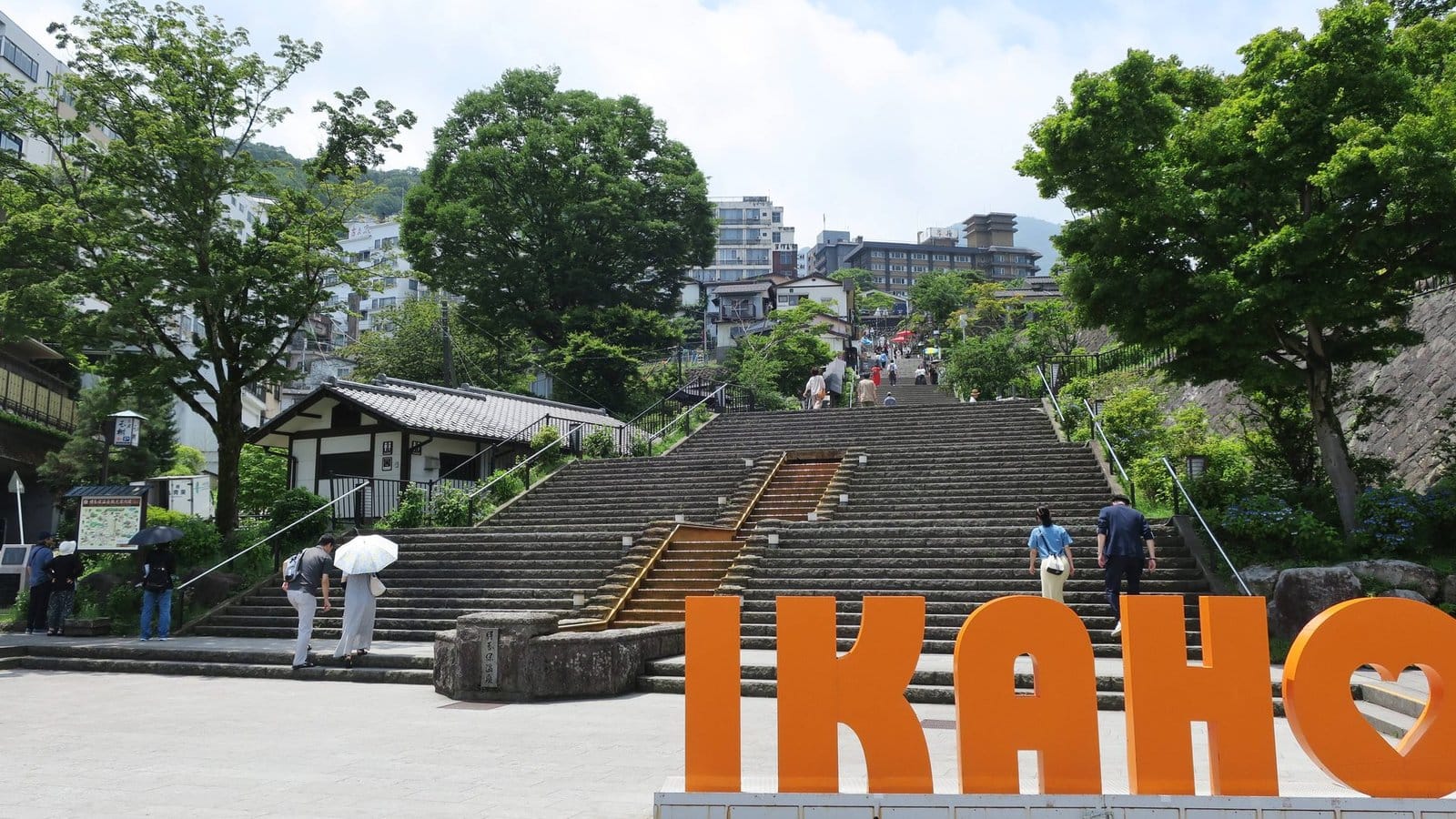
Ikaho climbs the slopes of Mt. Haruna, and its main street is a long flight of stone steps, 365 of them, lined with inns, snack stalls and old-fashioned game parlors, with Ikaho Shrine at the top. After dark, when the lanterns come on and guests wander in yukata, it is the most atmospheric of the five. The town has two waters: Kogane-no-yu, the traditional iron-rich source that turns brownish when it meets the air, and Shirogane-no-yu, a clear spring. Ishidan-no-yu, a public bathhouse on the steps, is an easy place to try the golden water.
Getting there: limited express trains from Ueno stop at Shibukawa, where buses climb to the town in around 25 minutes.
Kinugawa: a river gorge built for easy stays
Kinugawa stretches along the narrow valley of the Kinugawa River, a short ride from Nikko's shrines, with large resort hotels built right up against the cliffs. The water is a clear, mild alkaline spring that is kind to children and sensitive skin. A stay here is about a comfortable hotel with a big bath above the river, plus nearby family outings such as a boat ride down the gorge, the Edo-period theme park Edo Wonderland Nikko Edomura, and the miniature landmarks of Tobu World Square.
Getting there: Tobu limited express trains run directly from Asakusa to Kinugawa-Onsen Station in about two hours, and some JR-Tobu through trains start from Shinjuku.
Nasu: highland air and a bathhouse with deep roots
Nasu Onsen spreads across the slopes of Mt. Chausu, an active volcano in northern Tochigi, and stays noticeably cooler than the lowlands in summer; the imperial family has a summer villa in the area. Local legend dates the discovery of its springs back more than 1,300 years. The place to bathe is Shika-no-yu, an old wooden bathhouse with a row of small pools, each hotter than the last. The milky sulfur water is strong, so keep soaks in the hottest pools brief. Nearby are Sessho-seki, the "killing stone" of a nine-tailed fox legend, and the Nasu Ropeway, which climbs toward the summit outside winter.
Getting there: take the Tohoku Shinkansen to Nasushiobara, about 70 minutes from Tokyo, then a local bus up to the Nasu Yumoto area.
Tips that apply everywhere
- Day trip or overnight? Hakone and Kinugawa work as day trips; Kusatsu, Ikaho and Nasu deserve a night in a ryokan.
- Book weekends early. Saturday nights, autumn-leaf season and New Year fill up fast.
- Send big luggage ahead. Mountain buses and stone steps are hard with suitcases; luggage forwarding (takkyubin) from your Tokyo hotel is widely available.
- Tattoos: many public baths still turn tattooed guests away. A ryokan room with its own private bath is the easiest way around it.
Plan your trip
With one night, pick by season: Hakone or Kinugawa in spring and summer, Kusatsu or Nasu for autumn leaves and snow, Ikaho for a walkable old town any time. Kinugawa pairs with Nikko, Kusatsu with Karuizawa, and Hakone with the Mt. Fuji area. For more detail on the two most popular choices, read our Kusatsu Onsen guide and our Hakone onsen day-trip guide.
More from this region — Tokyo & Kanto
View all →
Tokyo's 10 Best Ramen Shops — The Ultimate Bowl-by-Bowl Guide
8 min · food

Golden Gai and Omoide Yokocho: A Shinjuku Bar-Hopping Guide
5 min · food
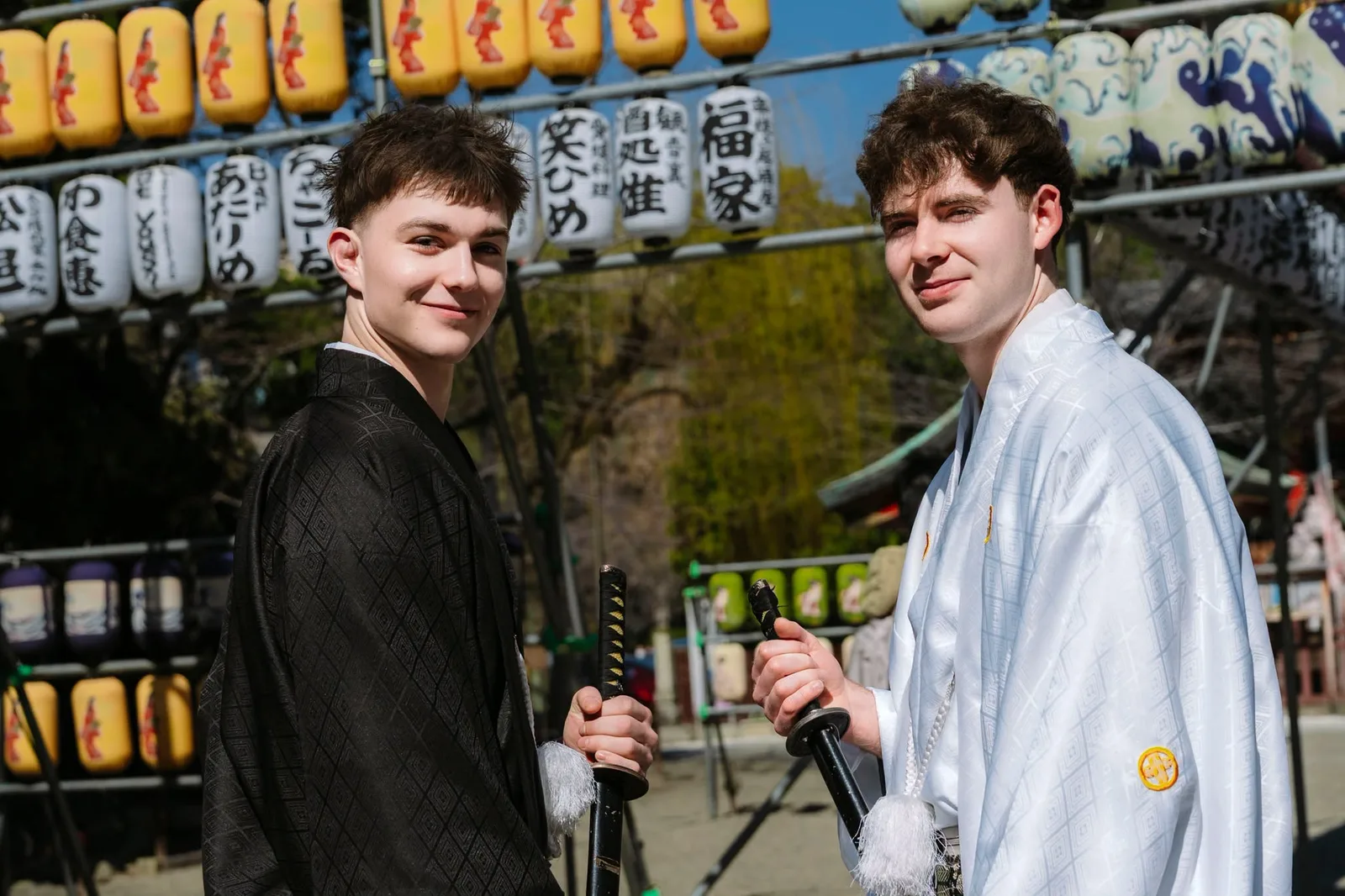
Sanja Matsuri in Asakusa: Wearing Kimono Among the Mikoshi Crowds
6 min · culture
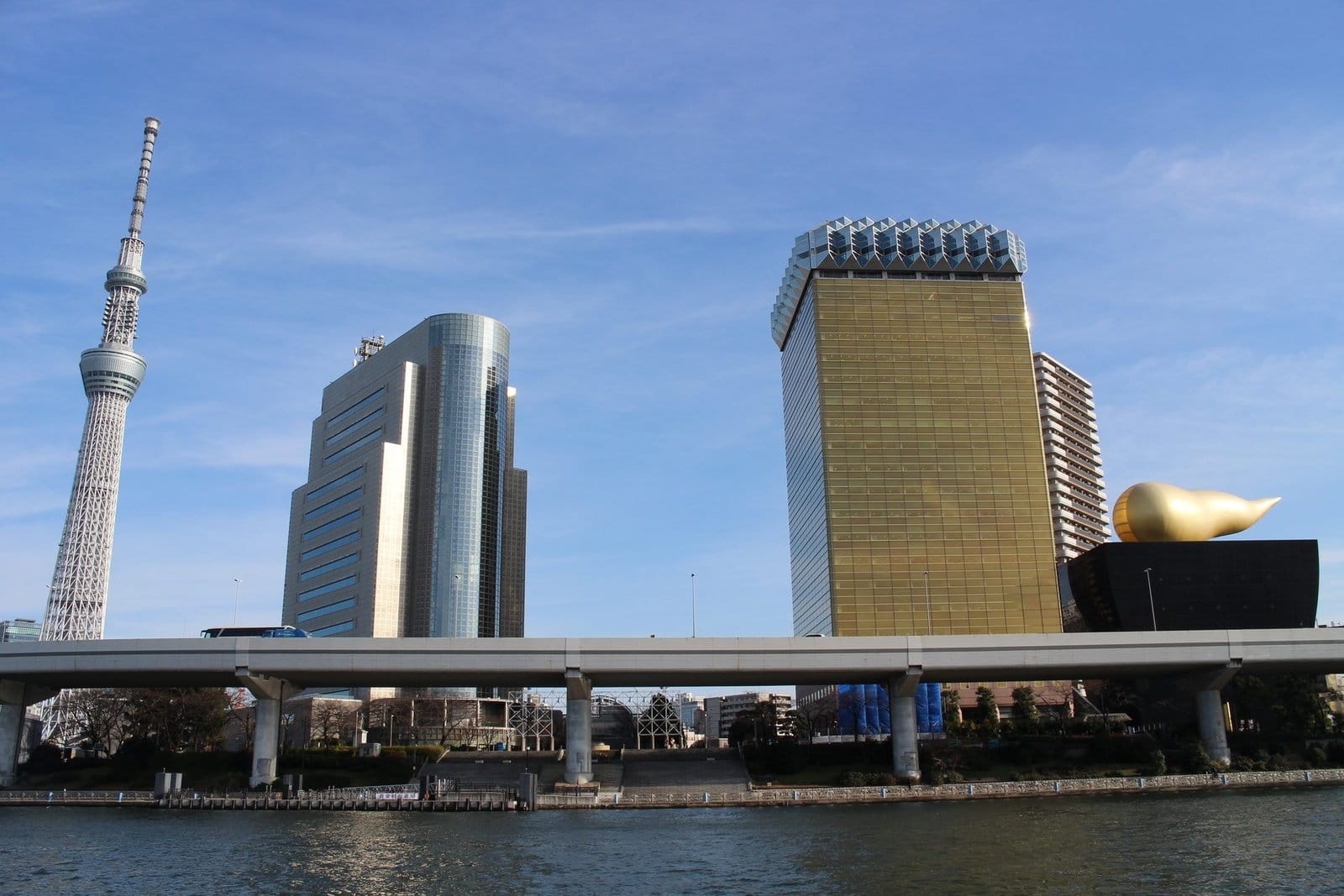
Shibuya Sky vs Tokyo Skytree: Price, Height & Which One Wins (2026)
10 min · destinations