
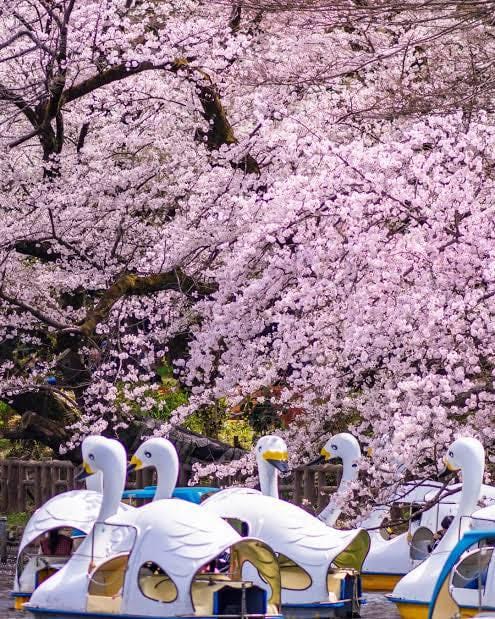
Tokyo's 10 Best Ramen Shops — The Ultimate Bowl-by-Bowl Guide
The 10 best ramen spots in Tokyo for 2026 — from tonkotsu and shoyu to tsukemen. Addresses, prices in USD, opening hours, and insider tips for beating the lines.
Apr 13, 2026·✍️ olablog·⏱ 8 min read
The 10 best ramen spots in Tokyo for 2026 — from tonkotsu and shoyu to tsukemen. Addresses, prices in USD, opening hours, and insider tips for beating the lines.
Tap a region to browse articles
Why Is Tokyo the Ramen Capital of the World?
Tokyo has more than 10,000 active ramen shops — more than every other major city on the planet combined. From six-seat hole-in-the-walls tucked into Shinjuku alleyways to Michelin-starred institutions like Tsuta and Nakiryu, you could eat a different bowl every day for 30 years and never repeat yourself.
In 2026, the big trends are low-sodium broths, fully vegan ramen, and wagyu beef ramen. Whether you're a first-timer following a Lonely Planet itinerary or a seasoned Japan hand chasing your next obsession, here are the 10 shops you simply cannot skip — chosen for consistency, foreigner-friendliness, and sheer value for money.
1. Ichiran Shibuya — Tonkotsu in Your Own Private Booth
- Address: B1F, 1-22-7 Jinnan, Shibuya
- Hours: 24/7
- Price: ~$7–10 per bowl
- Specialty: Hakata-style tonkotsu with thin noodles and a rich, milky-white pork broth
Ichiran's famous "flavor concentration booth" system lets you eat in a solo cubicle and customize every detail — broth richness, spice level, noodle firmness — on a paper form. It's a chain, yes, but the Shibuya branch is one of the rare locations open around the clock, making it a lifesaver after a red-eye flight. Order a kae-dama (extra noodles, ~$1.50) when your bowl runs low.
2. Afuri Ebisu — Light and Bright Yuzu Shio Ramen
- Address: 1-1-7 Ebisu, Shibuya
- Hours: 11:00 AM – 5:00 AM
- Price: ~$9
If heavy pork broth isn't your thing, Afuri is your answer. The yuzu-shio broth — crystal-clear, seasoned with sea salt and fragrant yuzu citrus oil — is closer to a refined consommé than the gut-bomb you might expect. Topped with seared chicken and thin, delicate noodles. Afuri also does a standout vegan ramen built on mushroom and vegetable dashi — one of the best plant-based bowls in the city.
3. Tsuta Yoyogi-Uehara — A Michelin Star in a 10-Seat Shop
- Address: 1-14-1 Kamiyamacho, Shibuya (near Yoyogi-Uehara Station)
- Hours: 11:00 AM – 4:00 PM (closes early when noodles run out)
- Price: ~$10
Tsuta made history in 2016 as the world's first Michelin-starred ramen shop. The signature shoyu ramen with black truffle — a deeply savory chicken-and-dried-sardine broth finished with truffle oil — is genuinely unlike anything else in the city. The catch: you must buy a ¥1,000 (~$7) time-slot ticket at the machine outside from 7:00 AM, then come back for your assigned seating window. Plan your morning around it.
4. Nakiryu Otsuka — Michelin-Starred Tantanmen with a Kick
- Address: 2-34-4 Minami-Otsuka, Toshima
- Hours: 11:00 AM – 3:00 PM, 6:00 PM – 9:00 PM
- Price: ~$7
Tokyo's second Michelin-starred ramen shop does one thing brilliantly: tantanmen, the Japanese riff on Sichuan dan dan noodles. Expect lip-numbing Sichuan peppercorn heat, a rich sesame-laced broth, and crispy minced pork. Lines are typically 1–2 hours long; arrive at least 30 minutes before opening to have a realistic shot at getting in.
5. Menya Musashi Shinjuku — The Bold Tonkotsu-Gyokai Bowl
- Address: 7-2-6 Nishi-Shinjuku
- Hours: 11:00 AM – 10:30 PM
- Price: ~$8
Everything about Menya Musashi is turned up to eleven: staff shout a welcome greeting the moment you walk in, and the bowl arrives loaded with three thick slabs of chashu pork. The tonkotsu-gyokai broth — pork bones married with dried fish — is double the intensity of a standard tonkotsu without tipping into bitterness. A seriously satisfying, unapologetically macho bowl.
6. Fuunji Shinjuku — Tsukemen Done Right
- Address: 2-14-3 Yoyogi, Shibuya
- Hours: 11:00 AM – 3:00 PM, 5:00 PM – 9:00 PM
- Price: ~$8
Tsukemen (dipping ramen) is the format where thick, cold-ish noodles arrive separately from a small bowl of intensely concentrated broth — you dip as you go, like fondue for noodle lovers. Fuunji's dipping sauce is a tonkotsu-gyokai powerhouse, and the noodles are chewy and substantial. Aim for before 11:30 AM or after 2:00 PM to dodge the worst of the lunch rush.
7. Rokurinsha Tokyo Station — Big Tsukemen, Zero Detour
- Address: Tokyo Ramen Street, B1F, Tokyo Station
- Hours: 7:30 AM – 10:30 PM
- Price: ~$8
Buried in Tokyo Ramen Street — a curated strip of eight acclaimed shops in the basement of Tokyo Station — Rokurinsha is the undisputed headliner. Their signature tsukemen comes with exceptionally thick noodles and a dipping broth dusted with powdered dried fish that adds an almost smoky depth. Perfect if you're passing through on a Shinkansen connection and have 45 minutes to spare.
8. Ippudo Roppongi — The Global Chain That Still Delivers
- Address: 4-9-11 Roppongi, Minato
- Hours: 11:00 AM – 3:00 AM
- Price: ~$7
Yes, Ippudo has locations in New York and London — but the Tokyo original remains a cut above. Order the Shiromaru Motoaji (classic tonkotsu) or the Akamaru Shinaji (tonkotsu with spicy miso). Full English menu, English-speaking staff, and late-night hours make this the most approachable pick for first-time visitors.
9. Kagari Ginza — Silky Chicken Paitan in a Sleek Setting
- Address: 6-4-12 Ginza, Chuo
- Hours: 11:00 AM – 10:00 PM
- Price: ~$9
The tori paitan (slow-simmered chicken broth) here is staggeringly rich — closer in texture to a velouté than a typical ramen soup — topped with pan-seared chicken, a perfectly jammy soft-boiled egg, and shimeji mushrooms. The café-style interior is polished and calm, making it the rare ramen shop that works equally well for a solo lunch or a date-night dinner in the Ginza shopping district.
10. Kyushu Jangara Akihabara — No-Frills Tonkotsu at a Fair Price
- Address: 3-11-6 Soto-Kanda, Chiyoda
- Hours: 10:45 AM – 11:00 PM
- Price: ~$6
Right in the heart of Akihabara, Kyushu Jangara is the natural pit stop after a morning of browsing electronics and anime merch. It's the most wallet-friendly pick on this list, with a robust tonkotsu broth and a kitchen-sink option called "zembu iri" — tonkotsu loaded with shrimp, egg, wood-ear mushrooms, and spicy mentaiko — for anyone with a serious appetite.
Ramen Etiquette: What You Need to Know
- Buy your ticket at the vending machine (shokken-ki) before you sit — hand the ticket to your server
- Slurping loudly is a compliment, not a faux pas — go for it
- Eat quickly — noodles go soggy after about 15 minutes and the experience suffers
- No tipping — ever, anywhere in Japan; it can actually cause awkwardness
- Kae-dama (extra noodles for ~$1–1.50) is the move when your broth outlasts your noodles
One-Day Ramen Crawl Itinerary
Want to hit three bowls in a single day? Here's a logical, stomach-friendly route:
- 11:00 AM — Afuri Ebisu (light yuzu-shio to ease in)
- 2:30 PM — Tsuta Yoyogi-Uehara (medium-bodied shoyu — remember to grab your ticket at 7 AM)
- 6:00 PM — Menya Musashi Shinjuku (bold finish)
Walk 20–30 minutes between stops where possible to pace yourself, or hop between neighborhoods on an IC card (Suica or Pasmo) loaded with a few dollars — tap in and out at any metro gate, no ticket-buying faff required.
Ramen for Vegetarians, Vegans & Halal Diners
- T's TanTan (Tokyo Station) — 100% vegan; excellent tantanmen and miso ramen with zero animal products
- Kyushu Jangara Harajuku — the only halal-certified ramen shop in central Tokyo
- Afuri — dedicated vegan menu available at all branches
Note: the vast majority of ramen broths are animal-based (pork bone, chicken, or dried fish). Always confirm with staff if you have dietary restrictions.
Plan the Rest of Your Trip
- 🚄 JR Pass — covers Shinkansen between cities; within Tokyo, an IC card is more practical for hopping between Shibuya, Ginza, and Akihabara
- 📶 Japan eSIM — essential for pulling up Google Maps to locate those unmarked basement shops
- 🚌 Private Charter Bus — if you're traveling with a group of 10+ and want a guided food tour across multiple neighborhoods
FAQ
Is Tokyo ramen spicy? Most styles aren't. If you want heat, go for tantanmen (Nakiryu) or Akamaru (Ippudo). Shoyu, shio, and standard tonkotsu are salty and savory, not spicy.
How much does a bowl cost? Expect to pay $6–10 for most shops. Michelin-starred spots like Tsuta top out around $10; chains like Ichiran and Ippudo come in closer to $7.
Is there ramen for vegetarians or vegans? Yes, but it takes a little hunting. Your best bets: T's TanTan (Tokyo Station), Afuri (vegan menu), and Kyushu Jangara Harajuku (halal). Most mainstream shops use animal-based broths.
How long is the wait at Michelin-starred shops? Tsuta and Nakiryu both draw 1–2 hour queues. Tsuta's time-slot ticket system (buy at 7 AM, return for your window) is the more civilized option. For Nakiryu, aim to join the line by 10:30 AM or 5:30 PM.
Should I bother with ramen in summer? Absolutely. Many shops offer hiyashi chuka (chilled ramen) seasonally, and tsukemen (room-temperature dipping noodles) is a year-round format that's especially comfortable in the heat. The air-conditioning inside Japanese ramen shops is also, frankly, aggressive — you'll be fine.
Can kids eat ramen? Yes. Ichiran and Ippudo both offer milder, lower-sodium options well-suited to younger palates. For kids under 8 or so, ordering a standard bowl and sharing is usually the practical call.
More from this region — Tokyo & Kanto
View all →
Golden Gai and Omoide Yokocho: A Shinjuku Bar-Hopping Guide
5 min · food
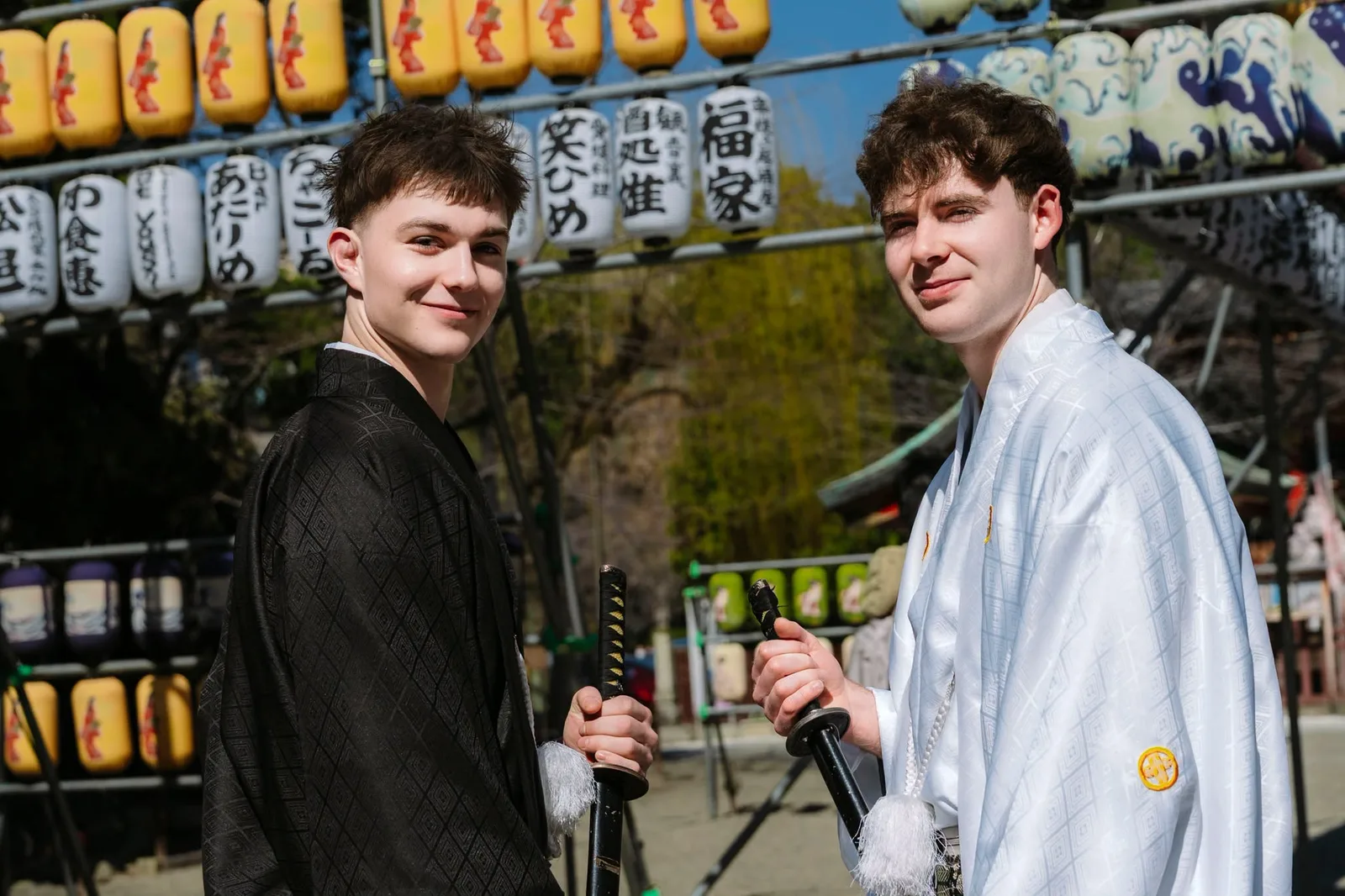
Sanja Matsuri in Asakusa: Wearing Kimono Among the Mikoshi Crowds
6 min · culture
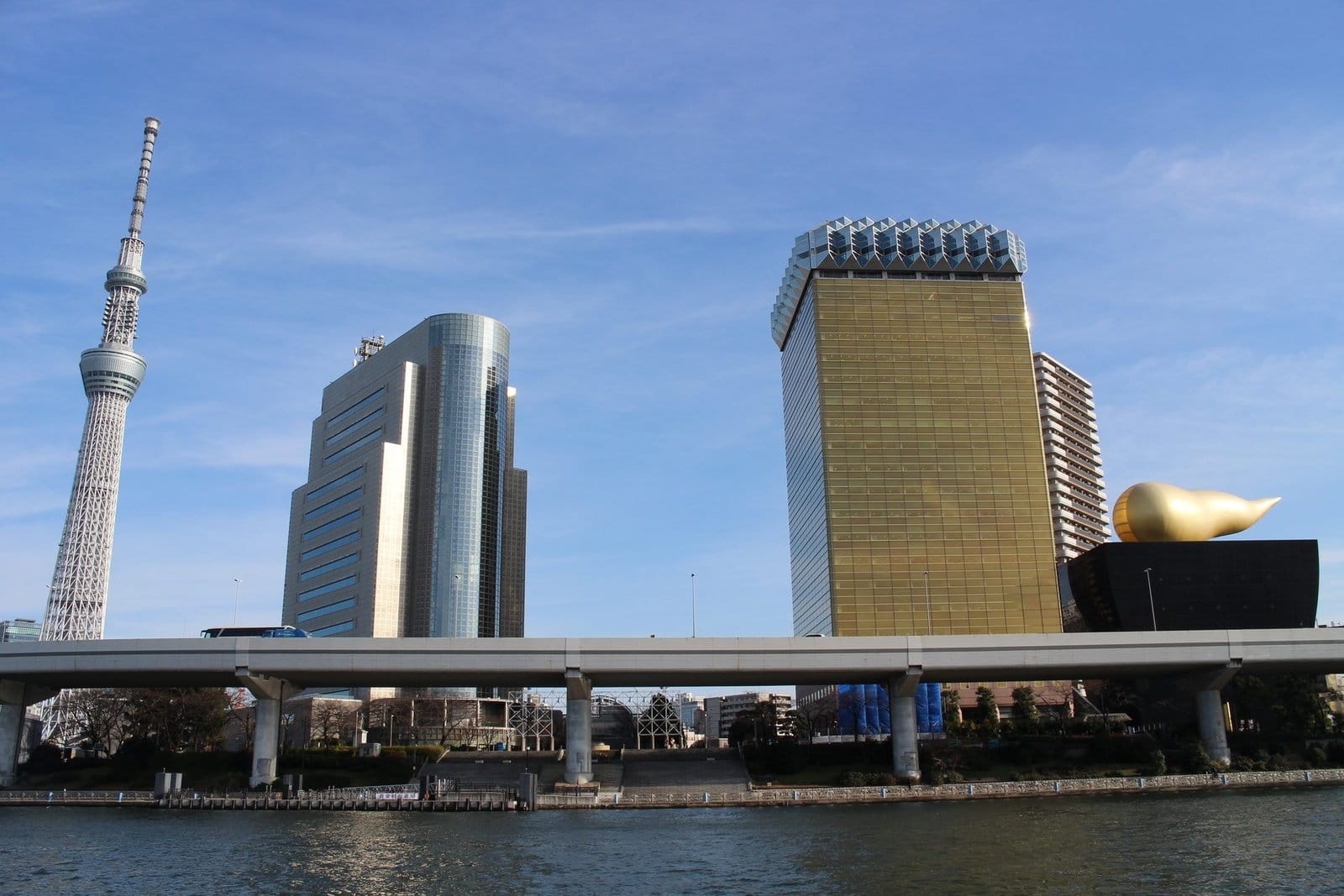
Shibuya Sky vs Tokyo Skytree: Price, Height & Which One Wins (2026)
10 min · destinations

Ski Day Trips from Tokyo: 5 Resorts You Can Reach by Shinkansen or Bus
15 min · experiences