
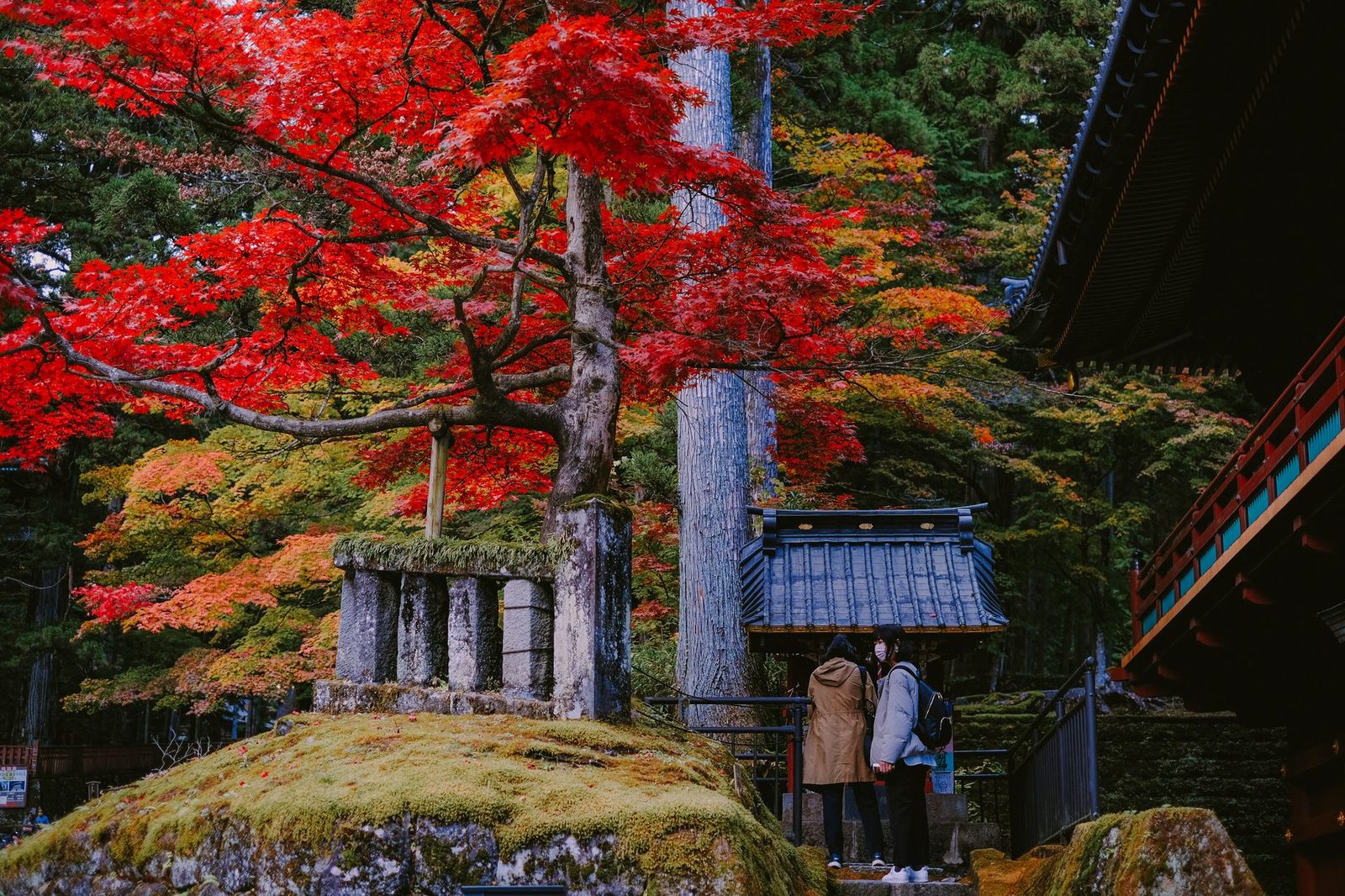
Nikko in Autumn – Blazing Maples, Ancient Shrines, and Pure Foliage Magic
Your practical guide to visiting Nikko, Tochigi in autumn. Best timing for fall foliage, how to get there, top photo spots, and a ready-to-use 1–2 day itinerary.
Mar 18, 2026·✍️ olablog·⏱ 5 min read
Your practical guide to visiting Nikko, Tochigi in autumn. Best timing for fall foliage, how to get there, top photo spots, and a ready-to-use 1–2 day itinerary.
Tap a region to browse articles
If you've ever flipped through a Lonely Planet Japan edition and paused at a photograph of crimson maples draped over a gilded shrine gate, there's a good chance you were looking at Nikko in autumn. Tucked into the mountains of Tochigi Prefecture, about two hours north of Tokyo, Nikko is the kind of place that makes even seasoned Japan travelers stop mid-stride and just stare.
1. What Makes Nikko Autumn So Special
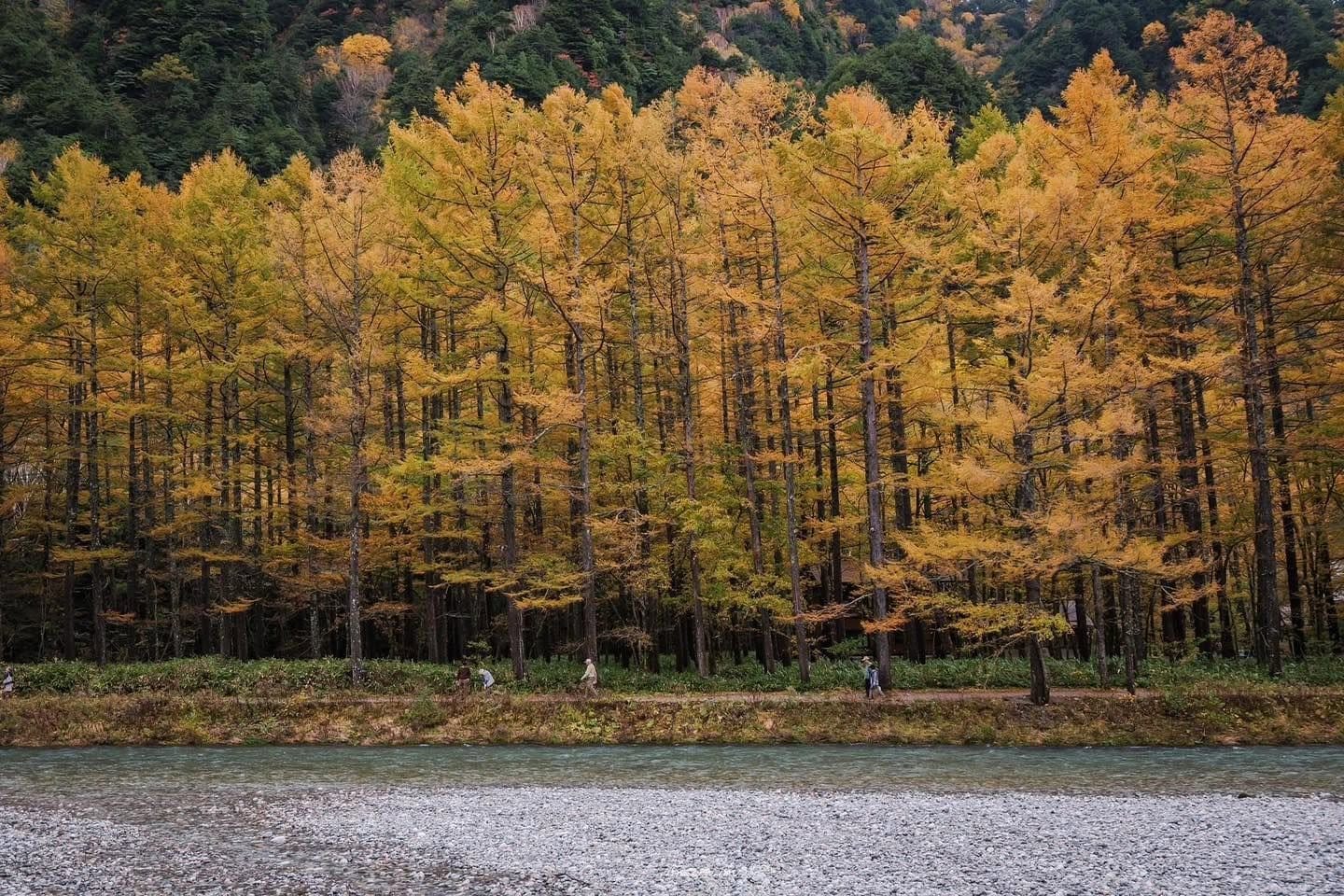
Few places in Japan — or anywhere — pull off the combination of jaw-dropping nature and UNESCO-listed architecture quite like Nikko does in fall. From mid-October through mid-November, the cedar-lined avenues, temple rooftops, and mountain slopes ignite in shades of scarlet, burnt orange, and gold. Think of it as New England foliage, but with 400-year-old shrines in the frame.
The light here shifts dramatically throughout the day. Early morning brings a soft golden haze that settles between the cedars. By late afternoon, everything glows amber. Even the drive up from the valley floor feels cinematic — the road winds through forested ridges, past rushing streams, and under canopies of color that seem almost too saturated to be real.
2. Top Photo Spots You Can't Skip
Nikko and the wider Tochigi area are packed with viewpoints, from the iconic to the genuinely off-the-beaten-path. Here are the ones worth building your day around:
The main observation deck: Wide-open 180-degree views over the valley and temple complex. Sunrise and sunset here are legitimately world-class.
The cedar avenue (Cryptomeria Avenue): Over 13,000 ancient cedar trees line the approach to the shrines — a natural tunnel that turns spectacular in autumn when the surrounding maples catch fire around the dark trunks.
The lake and river reflections: The still surface of Lake Chūzenji (中禅寺湖) mirrors the hillside foliage perfectly. Golden hour here produces the kind of symmetrical shot your Instagram grid has been waiting for.
The ridge-top panorama: Hike or drive up to the higher elevations for a sweeping panoramic view across all of Tochigi — mountains, temples, valleys, the works.
3. Best Time to Visit
Nikko rewards visitors year-round, but if you're chasing peak foliage, target mid-October through mid-November. During this window:
- Weather is crisp and stable — ideal walking and photography conditions
- Fall color peaks: the maple-to-cedar contrast is at its most dramatic
- Natural light is golden and low — best shooting windows are 6–9 AM and 4–6 PM
- Crowds are present but manageable on weekdays; weekends get busy, especially at the shrines
A winter visit brings a completely different magic — snow-covered shrine roofs look extraordinary — but mountain roads can get icy. Spring cherry blossoms are another strong option if autumn timing doesn't work for your schedule.
4. Getting There (and Getting Around)
From Tokyo, the fastest option is the Tōbu Nikkō Line from Asakusa — a direct limited express that takes around two hours and costs roughly $15–20 each way. If you're holding a JR Pass, the JR Nikkō Line from Ueno/Shinjuku also works, though it requires a transfer at Utsunomiya.
Once you're in Nikko, buses run to the main shrine area and up to Lake Chūzenji — grab an IC card (Suica or Pasmo) and you're set for local transit. That said, the most rewarding way to explore the wider Tochigi region is by car. Public transit doesn't reach the quieter valleys, hidden waterfalls, or roadside viewpoints that make this area truly memorable.
✨ Tip: Rent a car through OlaChill to explore Nikko entirely on your own schedule — driver-guided or self-drive options available.
5. Sample 1–2 Day Itinerary
Day 1
- 6:00 AM – Head to the main observation deck for sunrise over the shrines and a sea of autumn color
- 8:00 AM – Breakfast at a local spot in Nikko town — look for yuba (tofu skin), the regional specialty
- 9:30 AM – Drive or walk the main scenic route, stopping at viewpoints along the way
- 12:00 PM – Lunch at a roadside restaurant or grab something from a 7-Eleven or FamilyMart (genuinely great options in Japan)
- 2:00 PM – Explore side attractions: the Kanmangafuchi Abyss, Ryūzu Waterfall, or the shores of Lake Chūzenji
- 5:00 PM – Check in to your hotel or ryokan (traditional inn)
- 6:30 PM – Soak in the onsen if your ryokan has one, then sit down to a full kaiseki multi-course dinner
Day 2
- 7:00 AM – Early breakfast, then hit the road before the day-trippers arrive
- 8:30 AM – Take a quieter back route or track down a lesser-known viewpoint
- 11:00 AM – Shoot the Lake Chūzenji reflections in mid-morning light
- 1:00 PM – Lunch and a slow coffee stop
- 3:00 PM – Head to your next destination or begin the return journey to Tokyo
6. Practical Tips
- 📸 Golden hour is non-negotiable: The 30 minutes around sunrise and sunset are when the light goes from good to extraordinary. Set your alarm.
- 🚗 Book transport early: Peak foliage weeks (late October into November) fill up fast — reserve rental cars or ryokans at least 1–2 weeks out, ideally more.
- ⛽ Fill the tank before you head up: Gas stations thin out considerably once you're in the mountains. Top off in town.
- 📱 Download offline maps: Google Maps offline for the Tochigi area is a genuine lifesaver in spots where signal drops out on mountain roads.
- 🍙 Stock up at a convenience store: Japan's convenience stores — 7-Eleven, FamilyMart, Lawson — are stocked with genuinely good food. Grab onigiri and hot drinks for the road.
- ☁️ Check the forecast: Mountain weather shifts quickly. A clear morning can turn foggy by noon. Apps like Weather Underground give more granular mountain forecasts than standard weather apps.
More from this region — Tokyo & Kanto
View all →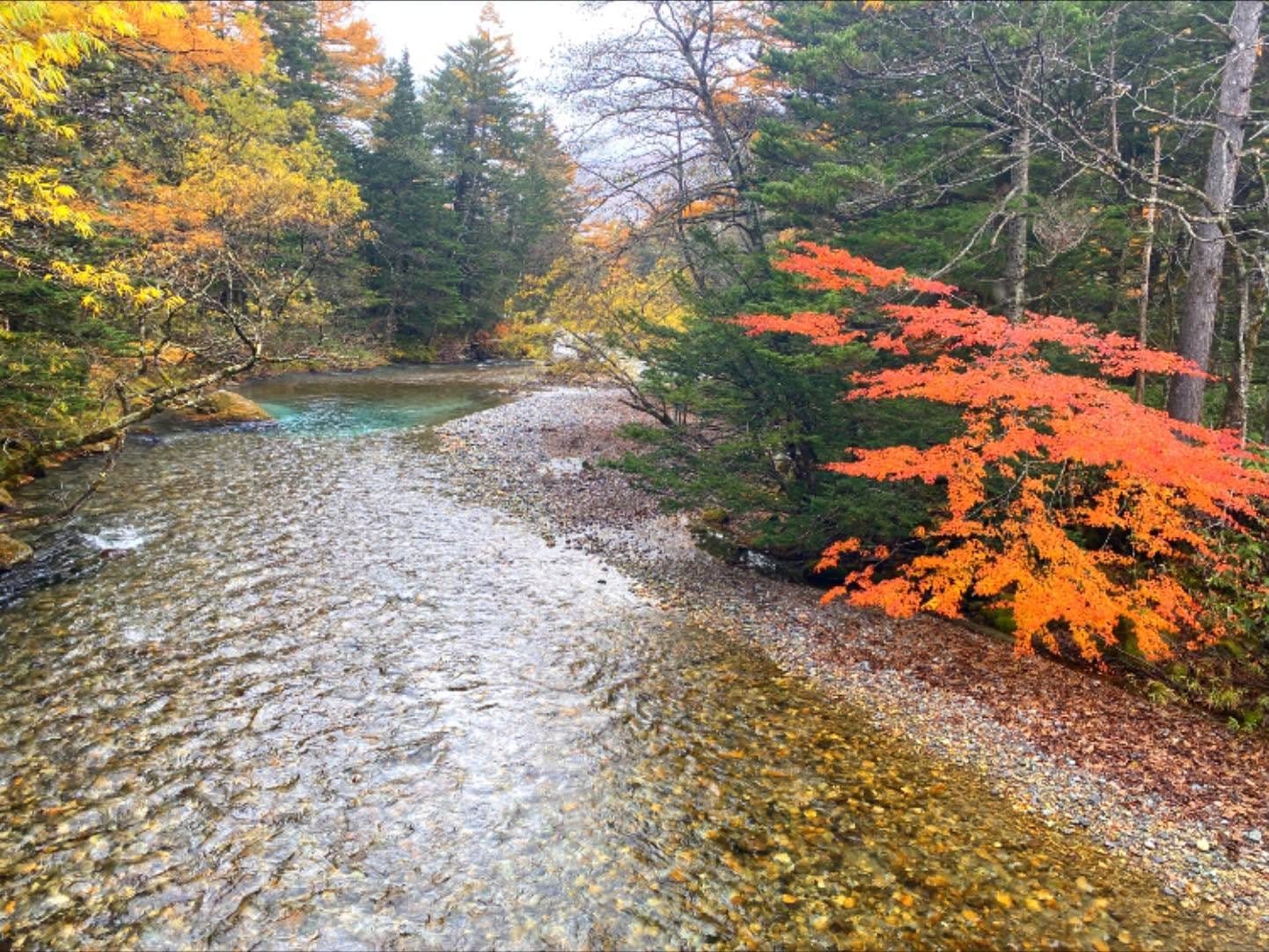
Autumn Day Trips to Nikko from Tokyo: Should You Take Tobu or JR, and Which Pass Saves the Most?
15 min · tips
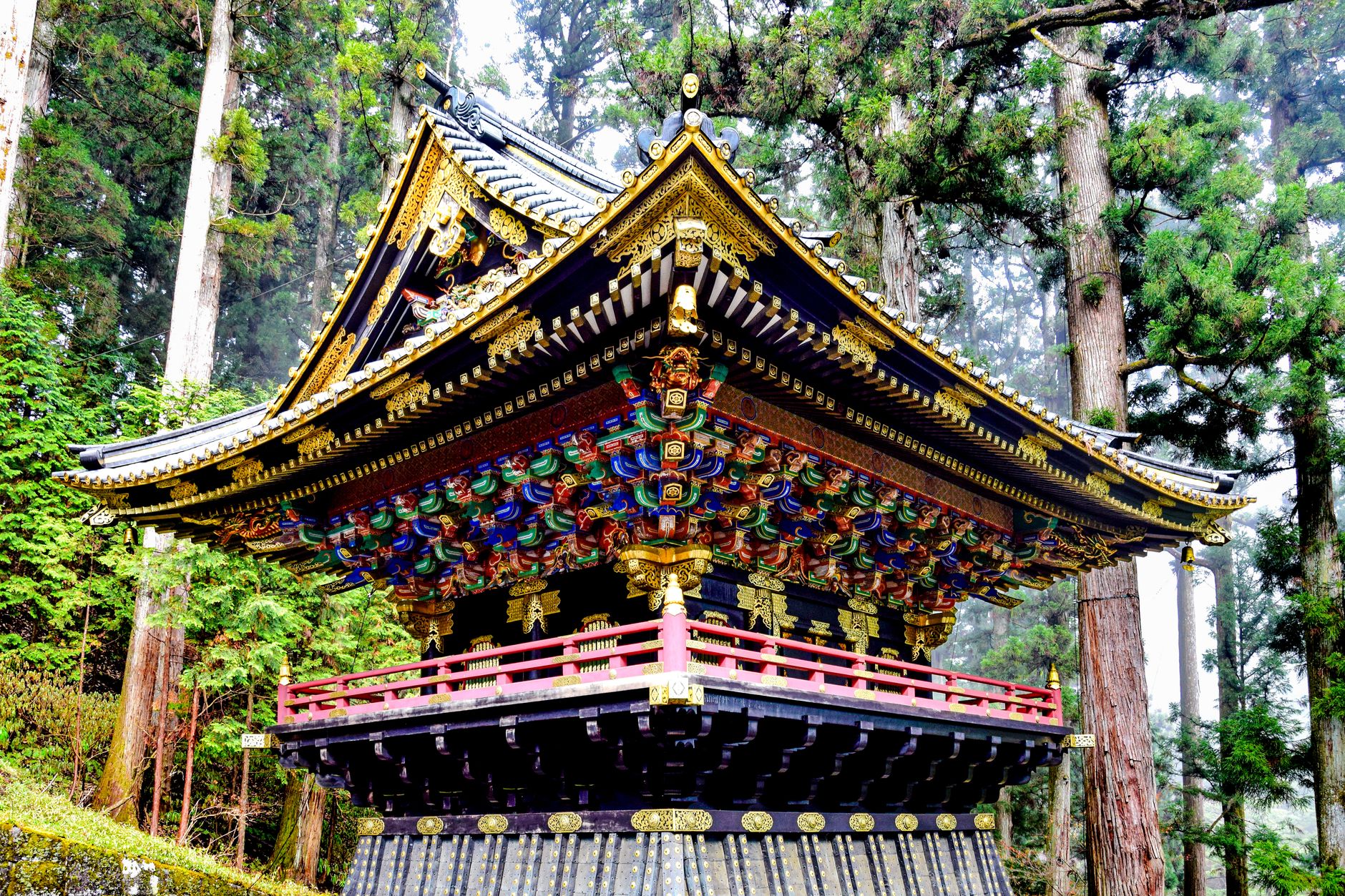
Nikko From Tokyo
24 min · destinations
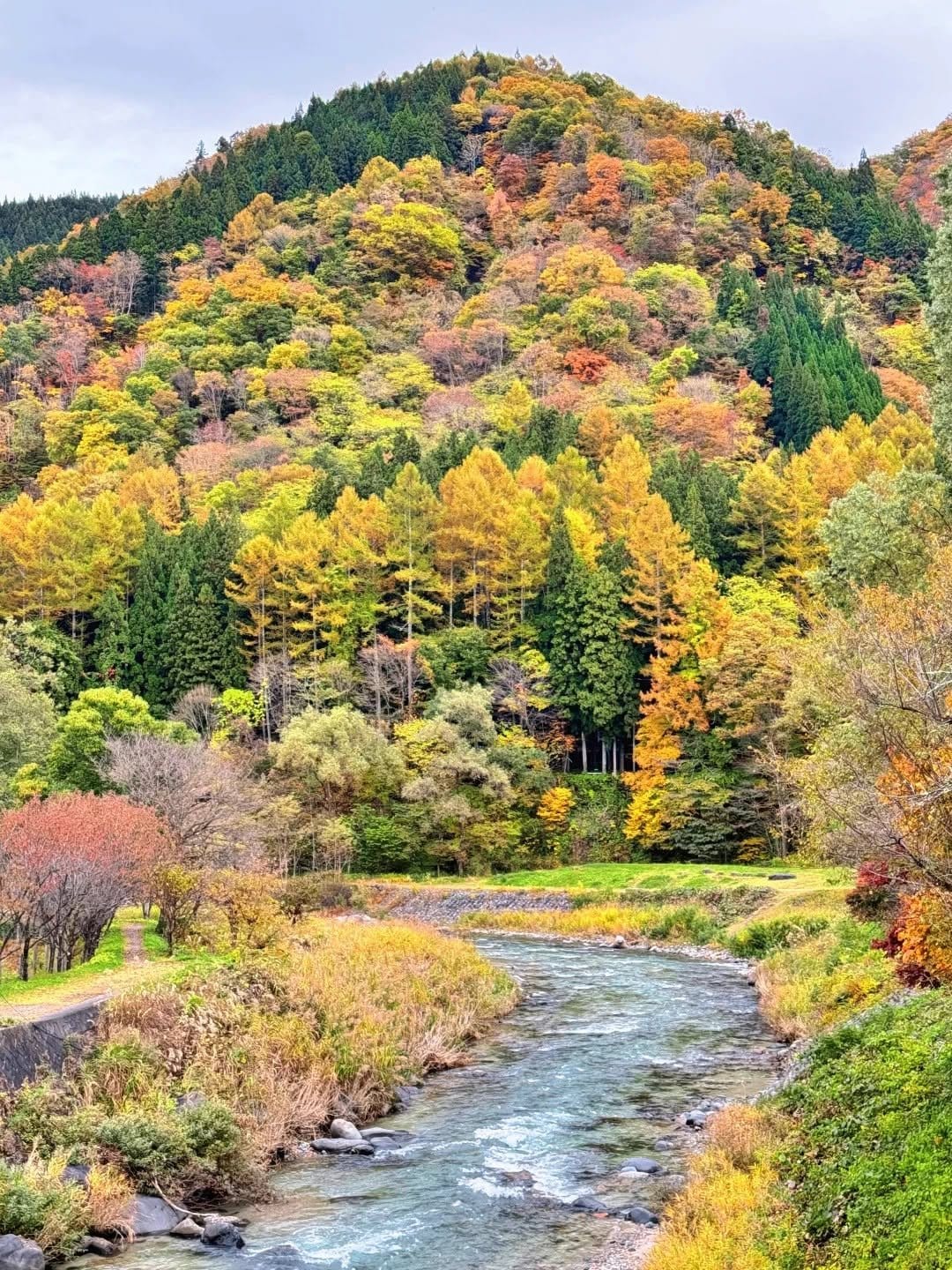
Nikko Autumn Photo-Hunting Map: Where to Stand, What Time to Go, and Which Way the Sun Shines
16 min · tips
Combining Nikko with Kinugawa and Nasu for a 2–3-day fall foliage route by Tobu train
19 min · tips