
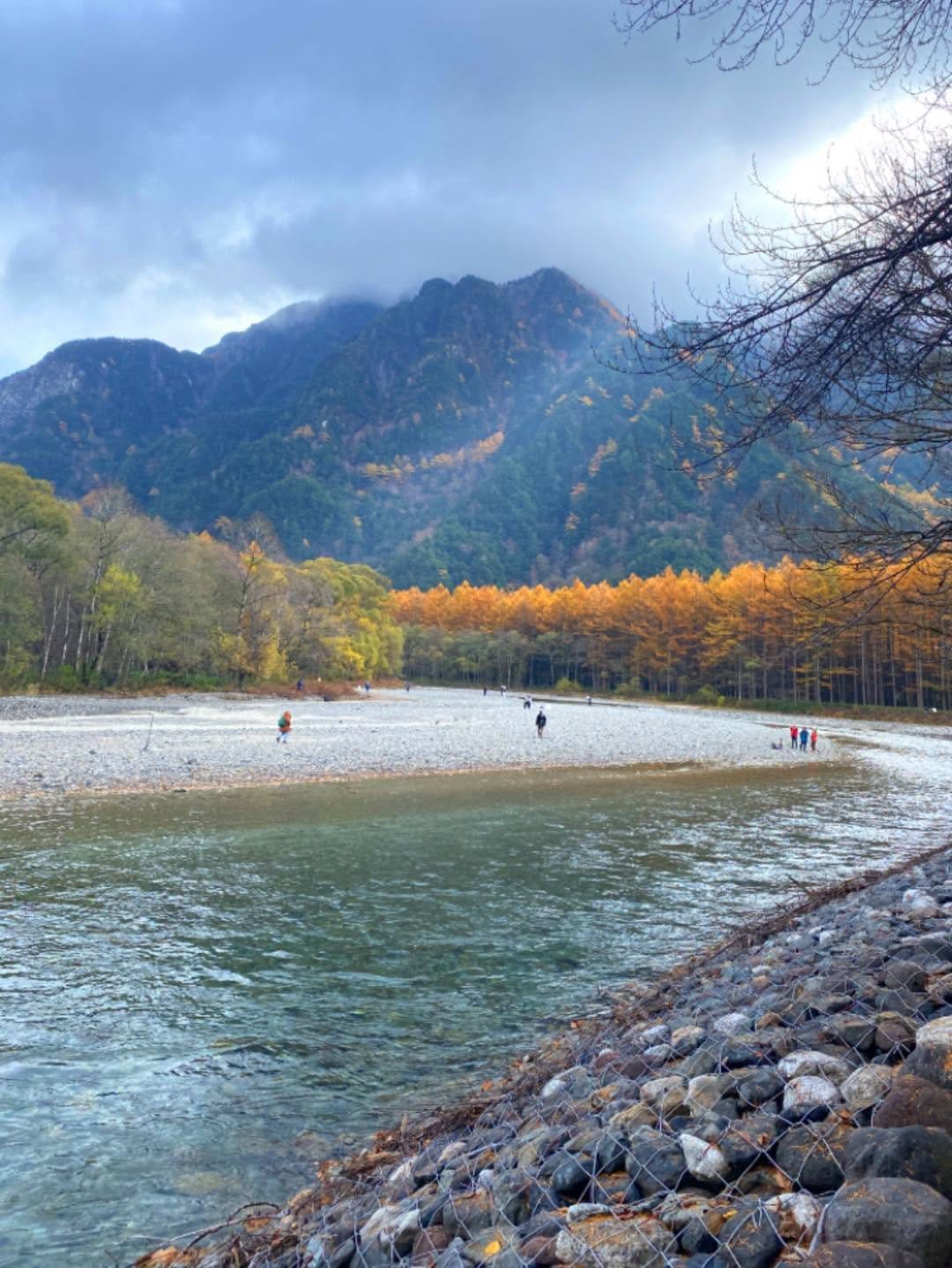
Kamikochi in autumn: private cars are banned—how to get into the valley easily
Sawando or Akandana transfer parking lots, round-trip tickets, Alpico routes from Matsumoto and Shinjuku, the earliest departures, and why October weekends can easily derail your plans.
Aug 12, 2026·✍️ olablog·⏱ 16 min read
Sawando or Akandana transfer parking lots, round-trip tickets, Alpico routes from Matsumoto and Shinjuku, the earliest departures, and why October weekends can easily derail your plans.
Tap a region to browse articles
At 4:30 a.m. on a day in late October, the Sawando parking area was already lit by headlights. Cars from Tokyo, Nagoya, and Osaka crawled bumper to bumper up National Route 158 through the fog, their red-eyed drivers keeping watch for the sign reading “満車”—full. By 6 a.m., the line for the shuttle bus had snaked past the waiting area and all the way to the roadside. Everyone was bundled in puffer jackets, their breath rising white in the air. This is what Kamikochi really looks like during the peak week for autumn foliage—and why your trip’s success or failure is largely decided before you catch even a glimpse of Kappa Bridge.
Here’s the situation: private cars are not allowed into Kamikochi. It’s not a “seasonal restriction,” and it’s not “closed on weekends but open on weekdays.” The ban applies year-round throughout the open season. Whether you’ve rented a car, driven your own, or arrived by motorcycle, you must stop at a transfer parking area outside the valley and continue by bus or taxi. It sounds simple, but it sets off a whole chain of practical questions: where to park, which lot fills up first, how to buy cheaper bus tickets, what time the first service runs, when the last bus leaves the valley—and the biggest trap of all: long-distance buses from Tokyo or Takayama can sell out a full month ahead during peak season.
This guide gathers everything you need to know about transportation and tickets for an autumn trip to Kamikochi, written from the perspective of someone who has already been. I’ll distinguish clearly between firm rules and rough estimates, because fares and timetables in Japan are adjusted by season and by year. Before you leave, you should still check the official websites of Alpico Kotsu, Nohi Bus, and the Kamikochi management office one last time.
The private-car ban: where is the boundary?
Kamikochi is a valley at an elevation of about 1,500 meters in Matsumoto City, Nagano Prefecture, within Chubu-Sangaku National Park. Restrictions on private cars during peak periods began in the 1970s, and by the mid-1990s the ban had become year-round. The reason is easy to understand if you have traveled that road: the only road into the valley is narrow, with numerous tunnels, a cliff on one side, and the Azusa River gorge on the other. A few hundred passenger cars are enough to bring the entire area to a standstill—not to mention the exhaust fumes in one of Japan’s most beautiful valleys.
The actual boundary is around the Kama Tunnel, beyond Nakanoyu. From there inward, only route buses, shuttle buses, licensed taxis, and official vehicles are permitted. You cannot simply “try driving in and see what happens”—there is a checkpoint, and they really do stop people.
One commonly misunderstood point: taxis are allowed in. So if you are traveling in a larger group or with elderly parents, taking a taxi directly from the transfer parking area to the Kamikochi Bus Terminal is perfectly legitimate; it just costs more. Guests staying at hotels in the valley are not allowed to drive in either—the rule applies to everyone. Hotels may have their own shuttle services, but otherwise you use the same transfer buses as everyone else.
Two gateways: Sawando on the Matsumoto side and Akandana on the Takayama side
Parking revolves around two clusters of lots, corresponding to the two main approaches.
Sawando—the Nagano-side gateway
Sawando (沢渡) lies along National Route 158 on the Matsumoto side. It is the largest parking area, with numerous numbered sections spread along the road and roughly two thousand spaces in total. The transfer bus from Sawando to the Kamikochi Bus Terminal takes about half an hour. Parking costs anywhere from a few hundred yen to around one thousand yen per vehicle per day, depending on the lot. Treat that as a rough guide and check the posted prices on-site, since different operators manage the individual lots.
If you are driving from Tokyo or Nagano, this is almost certainly where you will stop. One small tip: the lots closest to the shuttle-bus terminal fill up first. The more distant lots stay available longer, but you may have to walk or wait for a connecting shuttle. On October weekends, arriving after 7 a.m. means you are already starting to hunt for a space.
Akandana at Hirayu Onsen—the Gifu-side gateway
On the other side of the pass, in Gifu Prefecture, the Akandana parking area (あかんだな) sits beside the hot-spring town of Hirayu Onsen. It serves travelers arriving from Takayama, Nagoya, or the Kansai region. It is considerably smaller than Sawando, with only a few hundred spaces, so it fills up much faster. The transfer bus from here to Kamikochi takes about 25–30 minutes.
The advantage of this route is that Hirayu Onsen is itself a major bus hub, with services to Takayama, Shinhotaka—home to the famous double-decker ropeway—and Norikura. Many travelers combine Kamikochi and Shinhotaka over two days, staying overnight in Hirayu. That is a particularly smart plan in autumn because it allows you to avoid driving mountain roads at night.
Which side should you choose?
My rough rule is: choose the gateway closest to where you spend the previous night. If you are in Matsumoto or Nagano, or driving up from Tokyo, use Sawando. If you are in Takayama or Gero, or coming from Nagoya, use Hirayu/Akandana. Don’t choose based on a fare difference of a few hundred yen and then end up driving an extra hour along mountain roads before dawn.
One note for anyone planning a one-way journey: you can absolutely enter through one gateway and leave through the other—for example, enter via Sawando, exit via Hirayu, and continue on to Takayama. This is only practical if you are not driving yourself, however, because your car will be parked at the other end.
Shuttle-bus tickets: round trips are cheaper, and the easy-to-forget costs
The shuttle buses from Sawando and Akandana to Kamikochi are regular route buses. You buy tickets at the counter or ticket machine at the terminal, no advance reservation is required, and passengers board in queue order. This is an important distinction: these tickets do not “sell out”—they only make you wait in line longer. What sells out are the long-distance buses, which I’ll cover below.
As a rough guide, a one-way Sawando–Kamikochi fare is about one thousand five hundred yen for an adult, while a round-trip ticket costs around two thousand eight hundred yen. In other words, buying a round trip from the start is cheaper than purchasing two separate one-way tickets. The Akandana–Kamikochi route is slightly more expensive. Children’s fares are usually half price. Again, these figures are for budgeting purposes only; check the official Alpico Kotsu and Nohi Bus websites for current fares before you go.
Why buy a round-trip ticket on the way in? Besides saving money, the bigger reason is that the Kamikochi Bus Terminal gets extremely crowded in the afternoon. If you already have your return ticket in your pocket, you can simply join the boarding line. Otherwise, you have to queue twice. On an October Saturday afternoon, those two lines can determine whether you make your train from Matsumoto or miss it.
Taxis: more expensive, but sometimes worth it
Taxis from Sawando or Hirayu to Kamikochi generally operate at a fixed fare, usually around four to five thousand yen per vehicle one way—again, only a rough guide. Split among four people, that is only slightly more expensive per person than the bus. You can leave immediately without waiting, choose your departure time, and ask the driver to drop you at a convenient location. For a group of four, an early start before the first bus, or a late-afternoon departure when the queues are painfully long, a taxi is a very useful option to keep in reserve.
Easy-to-forget costs
Besides bus fares and parking, remember to budget for highway tolls if you are driving, coin-locker fees at the Kamikochi Bus Terminal, and cash. There are no convenience stores in the valley, ATMs are extremely limited, and not every counter accepts cards. Carrying cash is a good habit for the entire trip.
If you are not driving: Alpico and Nohi routes
For most Vietnamese travelers living in Japan or visiting as tourists, not driving is actually much simpler, because it eliminates the entire parking problem.
From Matsumoto
This is the classic approach. There are two options. The first is to take the Alpico Kamikochi Line train from Matsumoto Station to its final stop, Shin-Shimashima Station—about half an hour—then transfer to a bus to Kamikochi, which takes about one hour. Alpico sells an all-in-one ticket for the entire journey, and buying it at Matsumoto Station is more convenient than purchasing each leg separately. The second option, available during peak season, is a direct bus from the Matsumoto Bus Terminal to Kamikochi, with no transfer. This is convenient if you have suitcases or are traveling with older people. Both options take roughly one and a half to two hours in total.
Matsumoto is also the most practical place to spend the night before taking this route. It has Shinkansen connections and limited express trains from Tokyo and Nagoya, Matsumoto Castle for an afternoon visit, and plenty of hotels around the station.
From Takayama
Nohi Bus operates the Takayama–Hirayu Onsen–Kamikochi route, which takes about one and a half hours in total. You can travel straight through or split the journey in two and stay overnight in Hirayu. This route requires a reservation, which is the major difference from the shuttle buses. During autumn foliage season, seats on morning departures from Takayama are genuinely scarce.
Combining Takayama, Kamikochi, and Matsumoto into a route across the Northern Alps makes for a beautiful autumn itinerary, and because you are not driving, it is entirely practical. Just remember to deal with your luggage: luggage-forwarding services operate between towns in the region, or you can use station lockers.
From Shinjuku, Nagoya, and Osaka
Alpico operates long-distance buses from Shinjuku Bus Terminal (Busta) directly to Kamikochi during the open season. The journey takes roughly four and a half to five hours. There are also overnight buses departing Shinjuku the previous evening and arriving just as dawn breaks. It sounds harsh, but it is actually the most efficient way to get a full day in the valley without paying for a hotel night. Seasonal services also run from Nagoya and Osaka, usually less frequently.
All of these long-distance routes require advance reservations and have assigned seating. Tickets generally go on sale about one month ahead. This is exactly where many people’s plans fall apart.
Booking before peak season: when should you reserve?
My rule for October is: book on the day reservations open. More specifically:
- Long-distance buses (Shinjuku, Nagoya, Osaka, Takayama): book as soon as the system opens, especially for early-morning departures and Saturdays, Sundays, and public holidays.
- Accommodation in the valley (hotels and mountain lodges around Kappa Bridge and Myojin): book even earlier, several months ahead. Kamikochi has very few rooms, and the October weekends are almost completely booked from summer onward.
- Hotels in Matsumoto, Takayama, and Hirayu: book at least several weeks ahead.
- Sawando/Akandana shuttle buses: reservations are not available, so what you “reserve” here is your wake-up time.
The earliest and latest departures, and how to plan your day
Shuttle buses start running very early. During peak season, the first bus from Sawando usually departs at around 5 a.m., and sometimes even earlier when the management office adds extra services. In the afternoon, the last bus usually leaves Kamikochi in the late afternoon. As the season progresses—late October and early November—it tends to depart earlier because darkness comes sooner. I am deliberately not listing a specific time here, because timetables are adjusted by month and by year. Take a screenshot of the official timetable before you go, and remember the last departure as carefully as you remember your flight time.
One tried-and-tested way to divide up the day is to take the earliest departure you can manage, walk the Taisho Pond → Kappa Bridge route in the morning while the water is still calm and the Hotaka Range has not yet disappeared behind clouds, eat an early lunch around the bus terminal, then spend the afternoon walking uphill toward Myojin Pond before heading back out. Aim to be at the bus terminal at least one hour before the final departure—not because you need to catch the very last bus, but so you can take the second-to-last one. The late-afternoon queue can cost you an entire bus run.
If you have a long-distance bus back to Tokyo that same day, add another layer of buffer time. If you miss a shuttle bus, there may be another one soon after. If you miss the bus to Shinjuku, you will be spending the night in Matsumoto.
The October-weekend trap: what really happens
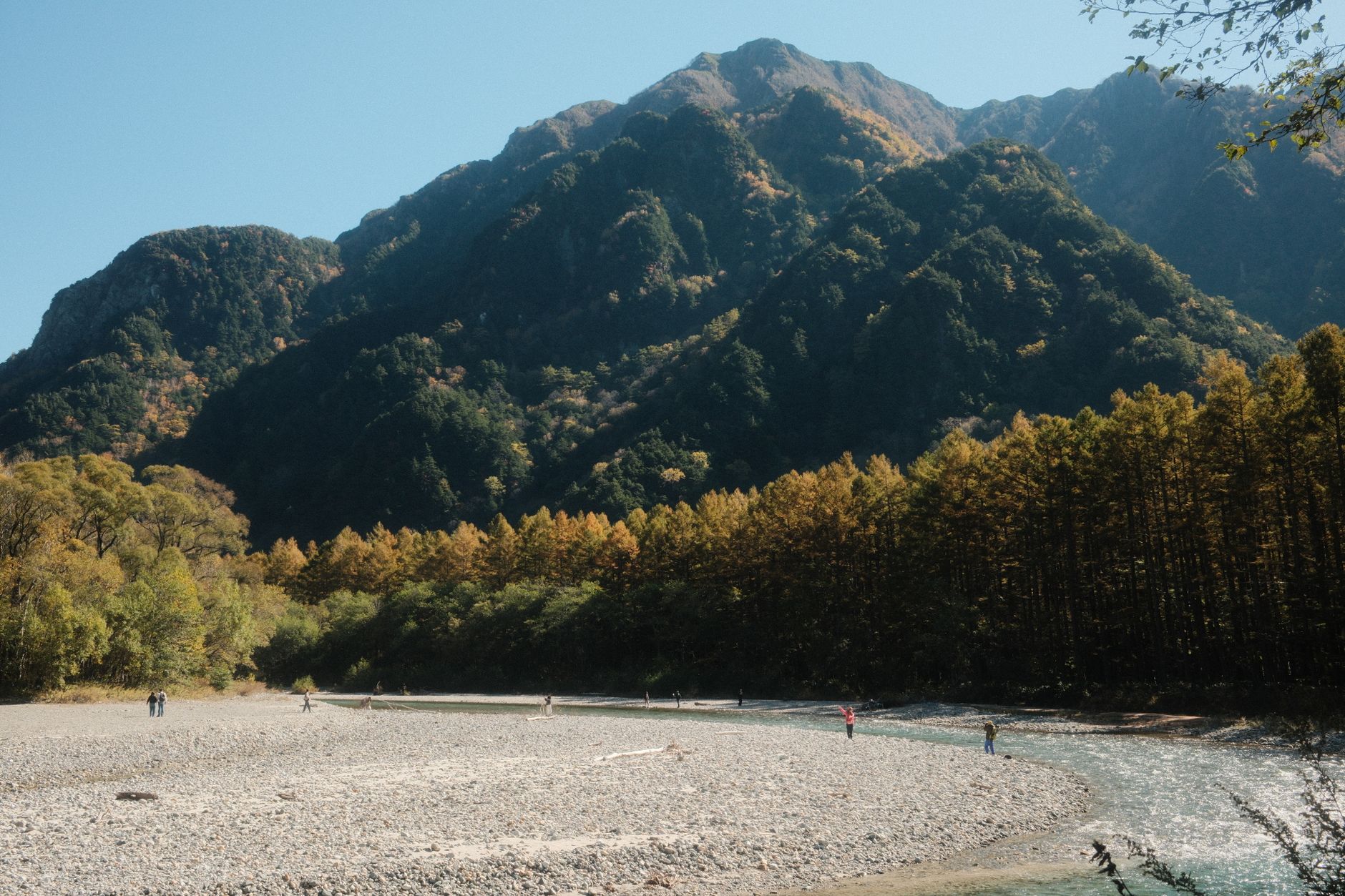
October is Kamikochi’s peak season. Maples and other broadleaf trees begin changing color around the middle of the month, while the larch forests turn a glowing gold in late October and early November. That golden color is one of the valley’s true specialties. Add clear weather, blue skies, and unobstructed views of the Hotaka peaks, and the result is that the whole of Japan seems to arrive at once.
Here is what actually happens on a beautiful October weekend:
- Akandana fills up before 7 a.m., while Sawando gradually fills from mid-morning onward; vehicles arriving later may have to turn around or wait for a space.
- National Route 158 becomes gridlocked in both directions during peak hours.
- Shuttle-bus queues grow long, and sometimes you have to wait through several buses before you can board.
- Buses from Shinjuku and Takayama sell out several weeks in advance.
- Restaurants and cafés in the valley develop long lines, and the lockers at the bus terminal can be full before noon.
Be especially careful around Japan’s three-day holiday weekends that fall in October—these are some of the most crowded days of the year. If your schedule is flexible, prioritize weekdays. The difference in experience between a Wednesday and a Sunday in Kamikochi is almost unbelievable. If you have no choice but to go on a weekend, accept that you will need to wake up at 4 a.m., book tickets on the day sales open, and scale back your ambitions for covering long distances in the valley.
Also remember that Kamikochi is seasonal. The valley is open only from around late April to mid-November. After the closing ceremony, access roads stop operating and all services shut down until the following season. If you are aiming for the end of the season, check that year’s closing date rather than relying on last year’s calendar.
Small details that determine the quality of your day
At an elevation of 1,500 meters, October mornings in Kamikochi can drop close to 0°C, with frost whitening the grass, while the midday sun can be warm enough for a T-shirt. Dressing in layers is essential, and always bring rainwear because mountain weather changes very quickly. Walking shoes with good traction will save you on damp wooden walkways.
As for luggage, do not drag a large suitcase into the valley. Leave it in a locker at the bus terminal—arrive early if you want to find one—or ask your hotel in Matsumoto or Takayama to hold it. Kamikochi has no convenience stores, and mobile reception is patchy in many places, so download an offline map and take screenshots of the bus timetable. Take your rubbish back out with you—this is a national park, and people in Japan take that rule very seriously.
Finally, one piece of advice worth its weight in gold: do not cram Kamikochi into a single day alongside three other destinations. The transportation alone will eat up three to four hours round trip. Kamikochi deserves to be the main focus of the day, and if you can spend one night in the valley, you will experience something 95% of visitors never do: an early morning beside the Azusa River before the first buses have even arrived.
Frequently asked questions
I’m renting a car in Japan. Can I drive straight into Kamikochi?
No. Private and rental cars are banned year-round on the road into the valley. You must park at Sawando on the Matsumoto side or Akandana/Hirayu on the Takayama side, then continue by shuttle bus or taxi.
Do I need to reserve a shuttle-bus ticket in advance?
No reservations are available. Buy your ticket at the counter or ticket machine at the terminal, then board in queue order. Long-distance buses from Shinjuku, Nagoya, Osaka, and Takayama, on the other hand, require reservations, and during peak season you should book as soon as sales open.
Should I buy a round-trip ticket or two one-way tickets?
A round-trip ticket. It is cheaper and saves you from having to queue to buy another ticket in the afternoon, when the Kamikochi Bus Terminal is busiest.
Is a day trip from Tokyo possible?
It is possible but tiring, and only really makes sense if you take an overnight bus from Shinjuku and arrive early in the morning. Taking a train from Tokyo that morning and connecting to a bus would get you there close to noon, forcing you to leave again very early. Spending a night in Matsumoto or Takayama is much more comfortable.
What time should I arrive at the parking area on an October weekend?
As early as possible—many people arrive before 5 a.m. Akandana is smaller, so it fills up first. Sawando is larger but also gradually fills during the morning. If you arrive after 7 or 8 a.m. on a beautiful day, be prepared to wait or try another parking area.
Which week is Kamikochi most beautiful in autumn?
Deciduous trees generally begin changing color around the middle of October, while the karamatsu forests turn gold sometime from late October to early November. The exact timing varies from year to year, so check the regional foliage reports before your trip to choose your dates.
Can I bring a suitcase into the valley?
You can, but you really should not. The paths in the valley include trails and wooden bridges, making a suitcase extremely difficult to pull. Use the lockers at the bus terminal or leave your luggage at a hotel in town.
Are the fares and timetables in this article accurate?
The figures in this article are estimates to help you plan your budget. Fares, first and last departure times, parking fees, and the end-of-season closing date are all adjusted from year to year. Check the official websites of Alpico Kotsu, Nohi Bus, and the Kamikochi management office before your trip.
More from this region — Chubu (Nagano, Kanazawa)
View all →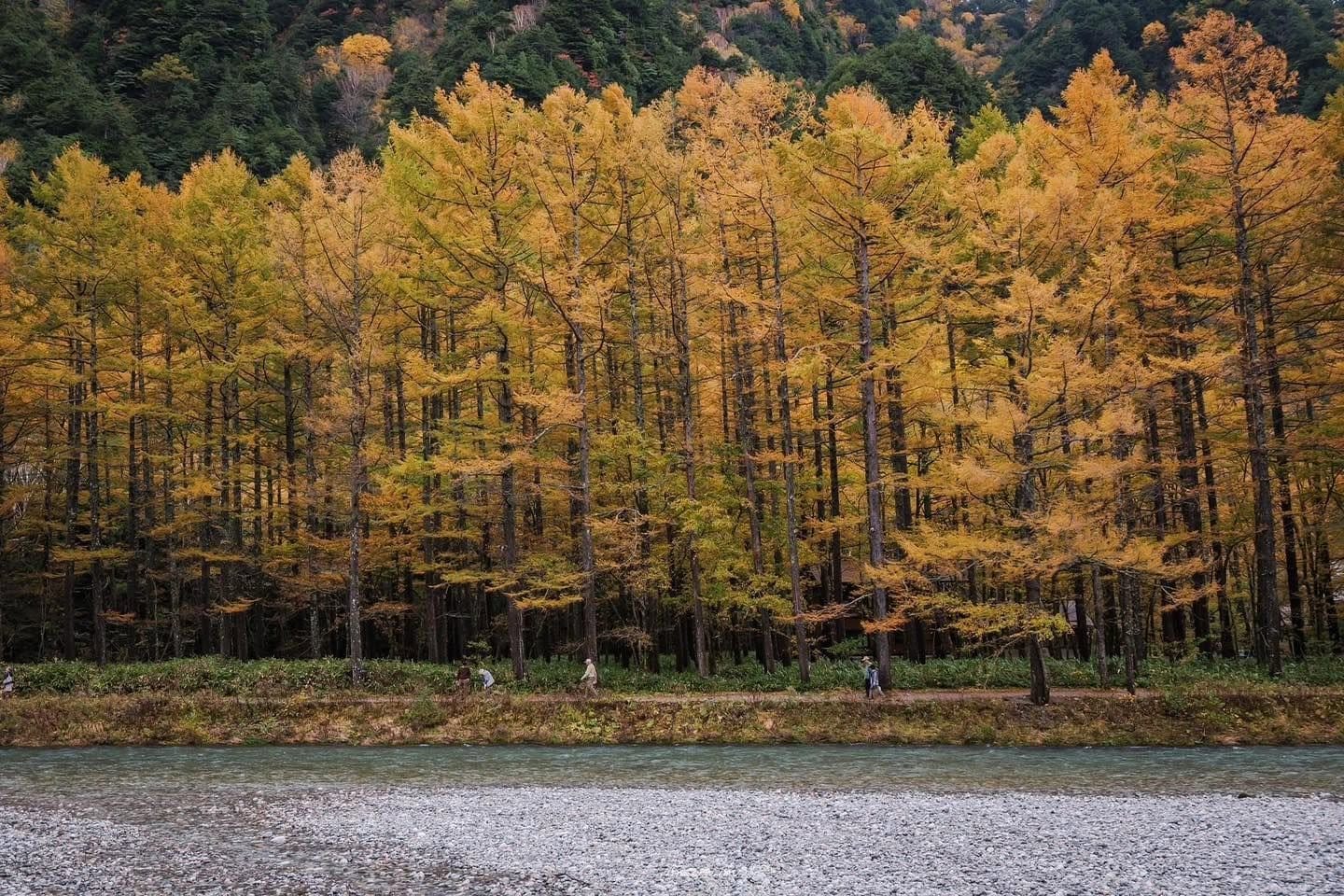
Hiking in Kamikochi in Fall: Choosing a Route to Match Your Fitness and the 15/11 Closure Deadline
16 min · tips
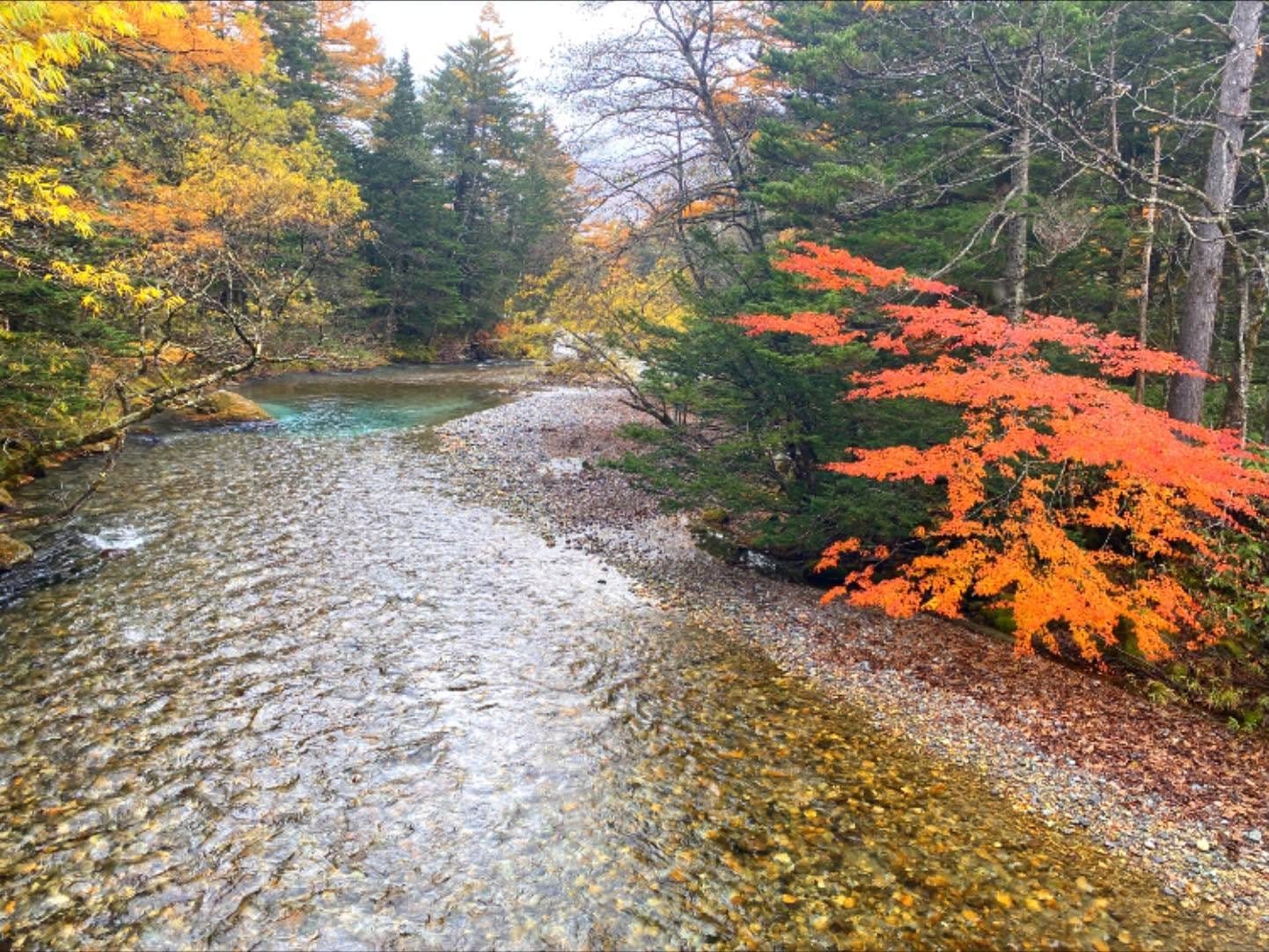
A Guide to the Best Angles for Kamikochi’s Autumn Colors: Where and When to Shoot
16 min · tips
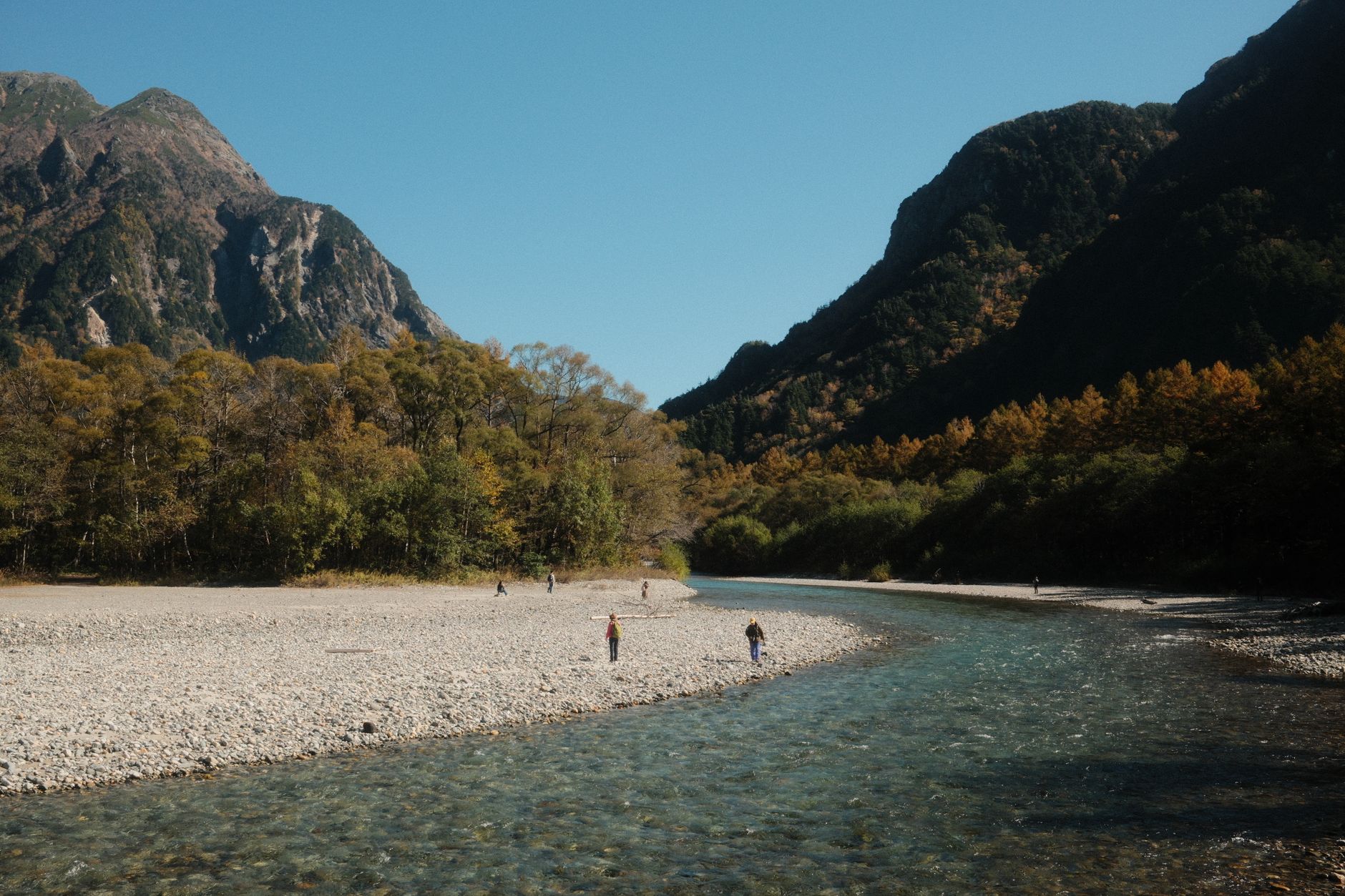
Kamikochi in 3–4 Days: Pairing Matsumoto and Norikura with the Progression of Fall Colors
16 min · tips
Kamikochi in Fall Foliage: Tracking the Golden Wave by Elevation
17 min · tips