
Kamikochi in 3–4 Days: Pairing Matsumoto and Norikura with the Progression of Fall Colors
From Tatamidaira at 2,700m down into the Azusa River basin and back to the moat of the Black Castle: the best order, how to connect the buses, and the timing you need to catch peak foliage.
Aug 12, 2026·✍️ olablog·⏱ 16 min read
From Tatamidaira at 2,700m down into the Azusa River basin and back to the moat of the Black Castle: the best order, how to connect the buses, and the timing you need to catch peak foliage.
Tap a region to browse articles
There’s something few people tell you when you’re planning an autumn-leaf trip through the Japanese Alps: fall here isn’t a single point in time but a descending slope. It starts at the summit, around 2,700m, in mid-September, when Tokyo is still running its air conditioning; then it drops a few hundred meters each week, filtering down into the basin, and only reaches the moat around a black-painted castle on the plains in early November. If you choose just one destination, you’re betting everything on a single week of the season.
I made exactly that mistake once: I booked a room in Kamikochi for late September because I figured, “The mountains must get cold early.” When I arrived, the forests were still lush green, with only a few red maples scattered along the edges. Meanwhile, less than two hours away by bus, Tatamidaira at the summit of Norikura was at peak color—brilliant red nanakamado shrubs against gray rock, the kind of scene that makes you look at someone else’s photo and wish you had been there.
The takeaway is simple: don’t choose one destination; choose an elevation route. Three places—Tatamidaira at the summit of Norikura at around 2,700m, Kamikochi at around 1,500m, and Matsumoto at around 600m—are close enough to combine into a 3–4-day loop, connected by bus and with Kamikochi as the central base. In the right order, you can catch at least one destination at peak color almost every week from late September to early November. In the wrong order, you’ll spend two days sitting on buses just to see... forests that are still green and trees that have already lost their leaves. (The Takayama–Shirakawa-go route is a different east–west itinerary; this article follows an elevation route. The two complement rather than replace each other.)
Three destinations, three elevations: understand the map first
Before getting into the itinerary, you need to picture where these three places are in relation to one another, because the map of this area is fairly counterintuitive.
Matsumoto is the city on the plains and the gateway to the entire region, with a major JR station and a bus terminal right beside it. This is where you arrive by train (the limited express Azusa from Shinjuku takes a little over 2 hours and 30 minutes, while Shinano from Nagoya takes about 2 hours), where you can leave your luggage, and where you’ll find Matsumoto Castle—known locally as Karasu-jo, or “Crow Castle,” because its wooden walls are covered in black lacquer. In autumn, that black exterior set against the yellow and red leaves around the moat, with the Alps just beginning to receive snow in the background, creates one of Nagano Prefecture’s most iconic views.
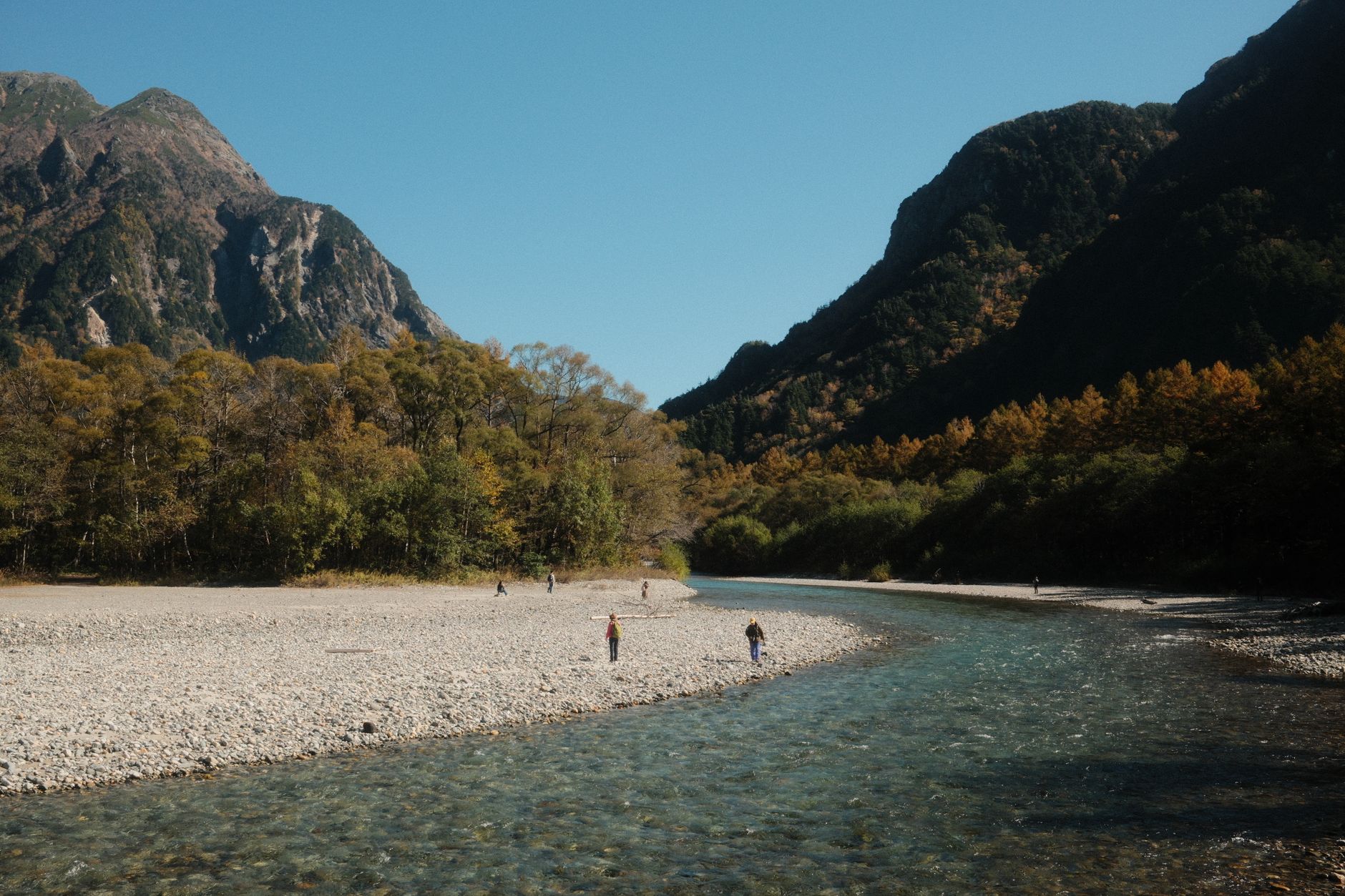
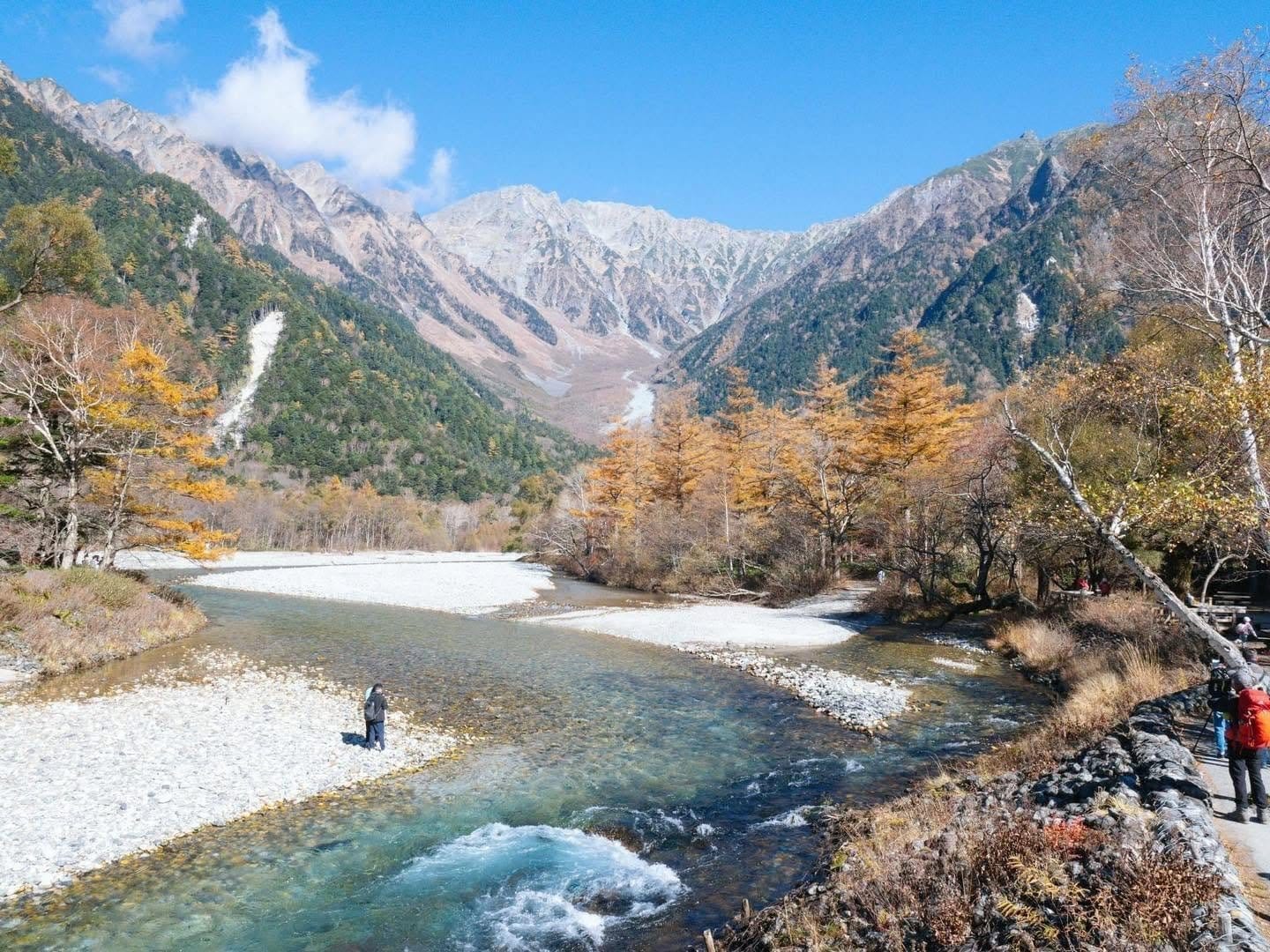
Kamikochi is a high basin at around 1,500m, stretching along the Azusa River and surrounded by the Hotaka Range and the Yakedake volcano. Private cars are completely prohibited—you must switch to a bus or taxi at Sawando (on the Nagano side) or around Hirayu Onsen (on the Gifu side). The area is also open only seasonally, usually from around late April to mid-November, before closing for winter.
Norikura is slightly confusing because there are two approaches leading to the same destination. That destination is Tatamidaira, at around 2,700m—the highest point in Japan reachable by public bus. From Gifu, you take the Norikura Skyline, which starts around Hirayu/Honokidaira. From Nagano, you take the Norikura Echo Line, starting from the Norikura Kogen Highlands. Private cars are prohibited on both routes; only shuttle buses and taxis are allowed. Both routes also close earlier than you might expect—usually around late October, depending on the first snowfall. This is the detail that ruins many travelers’ itineraries: by the time Kamikochi reaches its best colors, the road up to Norikura may already be closed.
The key logistical point is that Kamikochi and Norikura share a transportation bottleneck at Hirayu Onsen. So if you use Kamikochi as your base, you don’t need to backtrack to Matsumoto to get to Norikura—you simply pass through Hirayu.
Fall colors move from the top down: read this timeline before booking your room
The dates below are estimates based on recent years. They can shift by one or two weeks depending on summer temperatures and the first cold spell. Before finalizing your plans, check each area’s current foliage updates and the official Alpico Kotsu website—the operator of most buses in this region.
Tatamidaira and the Norikura slopes: the earliest in the country
At around 2,500–2,700m, there are almost no maple trees left. What you see at Tatamidaira is kusa-momiji—low shrubs and alpine grasses turning yellow and orange, interspersed with patches of vivid red nanakamado, all set against gray volcanic rock and a few small ponds. The colors usually begin to change around mid-September, with the best views from around mid- to late September. This is one of the earliest places in Japan where ordinary travelers can see the autumn colors—no mountain climbing required, just a bus ride.
A little farther down, the Norikura Kogen area (around 1,500m, with Sanbondaki Falls and several small ponds) usually reaches peak color around early to mid-October. If you visit during this window, taking the Echo Line from the Nagano side gives you two levels of autumn color in a single morning.
Kamikochi: two waves, so don’t confuse them
Kamikochi has two distinct “waves” of autumn color, and many people only know about the first.
The first, around mid- to late October: maples, katsura trees, and other broadleaf trees along the Azusa River turn red and orange. This is when photos of Kappa Bridge with the Hotaka Range behind it appear most frequently online.
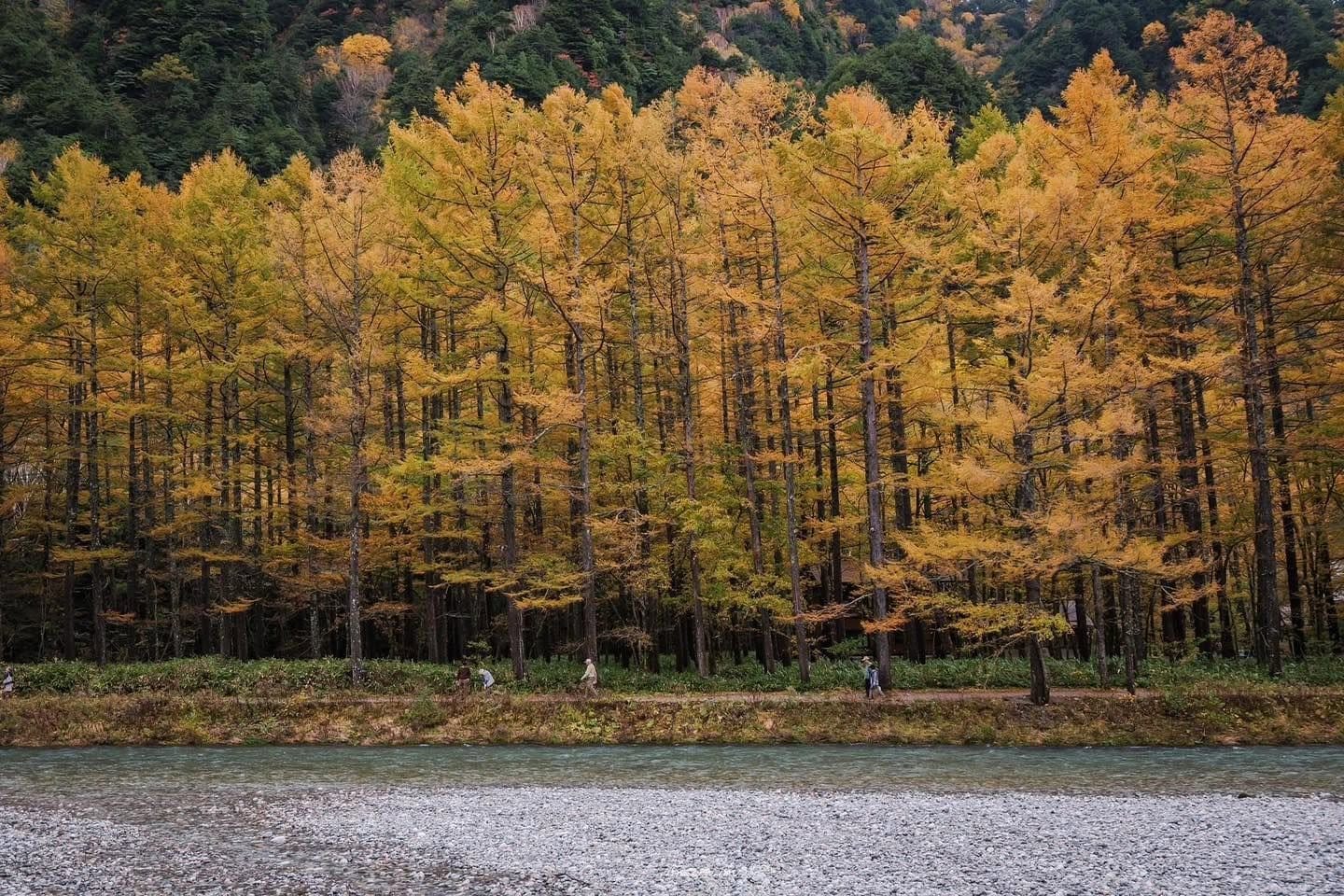
The second, around late October to early November: karamatsu—deciduous larches—turn golden yellow. The entire basin takes on a warm golden hue, and on a clear day, the Hotaka peaks are dusted with white snow above brilliant golden larch forests and the turquoise Azusa River below. That combination of three colors is what brings people back to Kamikochi again and again. This second wave comes very close to the seasonal closing date, so check the bus operating schedule carefully before booking.
Matsumoto: the latest, which is actually a good thing
On the plains, the trees around the castle moat and the city’s parks are usually at their best around early to mid-November. In other words, when Norikura has already closed and Kamikochi is winding down for the season, Matsumoto is just hitting its stride. That makes planning easy: putting Matsumoto at the end of your trip is almost always the logical choice.
The best order for each time period
This is the part I consider the most important in the article. With the same three destinations, you need to reverse the order depending on whether you travel in September or November.
If you’re traveling from late September to early October
Give Norikura absolute priority. The order is: Matsumoto (first night) → Tatamidaira → Kamikochi → Matsumoto. Visit the summit as early in your trip as possible, because the best window at that elevation is very short—only about two weeks—and weather above 2,700m can change by the hour rather than by the day. Kamikochi won’t have reached peak color yet, but it’s still well worth visiting: the river is clearest of the year, there’s less rain than in summer, and the riverside trails are much quieter than in late October.
If you’re traveling in mid-October
This is the most balanced period—and also the busiest. The order is: Matsumoto → Kamikochi (overnight in the basin) → Norikura Kogen or Tatamidaira → Matsumoto. Staying overnight in Kamikochi is the most worthwhile investment of the entire trip, and I’ll explain why below. In Norikura, the lower area—the Kogen and the stretch along the Echo Line—is usually more beautiful in mid-October than the summit. Tatamidaira may already be bare or experiencing early snowfall.
If you’re traveling from late October to early November
Accept that you may have to skip Tatamidaira, or check very carefully whether the road is still open. The order is: Kamikochi (for the golden karamatsu) → Norikura Kogen or Shirahone Onsen → Matsumoto (with the castle at its peak). Kamikochi is genuinely cold at this time of year, with frost covering the grass in the early morning, so warm clothing is not something to skimp on.
Connecting the three destinations by bus: the practical route map
Matsumoto to Kamikochi
There are two options, and both work well:
- Direct bus from the Matsumoto Bus Terminal (right beside the station) to Kamikochi, usually taking around 1 hour and 30 minutes to nearly 2 hours. It’s convenient because there’s no transfer, but there are only a limited number of services each day, and advance reservations are recommended during peak season.
- Matsumoto Dentetsu train from Matsumoto Station to the final stop at Shin-Shimashima Station (about 30 minutes), followed by a bus to Kamikochi (about 1 hour). There are more departures, it’s more flexible, and the train ride through the Azumino countryside is pleasant as well.
If you’re driving, you can only go as far as the Sawando parking area, leave your car there, and take a shuttle for about 30 minutes into Kamikochi. Hiring a private car with a driver to take you to Sawando or Hirayu makes sense for larger groups or travelers with older family members—but don’t expect to drive straight into Kamikochi. The vehicle ban is strictly enforced, with no exceptions for tourists.
Kamikochi to Norikura via Hirayu Onsen
This is the connection few people know about, and it’s also why Kamikochi makes such a practical base.
From the Kamikochi Bus Terminal, buses run to Hirayu Onsen on the Gifu side, usually taking around 25–30 minutes through the Kama Tunnel. At Hirayu, transfer to a bus on the Norikura Skyline to Tatamidaira. The climb usually takes around 50–60 minutes, with the views gradually opening up as you rise above the tree line. In theory, that means you can have breakfast in Kamikochi and be standing at 2,700m before noon—as long as you catch the right early bus and the weather cooperates.
A few things I learned by doing them wrong:
- Buses to Tatamidaira do not run at night, and the number of services is limited by season; the last bus down the mountain is usually earlier than you expect. Always take a screenshot of the final departure time before heading up.
- The Skyline can close unexpectedly because of strong winds, dense fog, or early snowfall. Don’t book a nonrefundable room on the other side of the mountain simply because you’re convinced you’ll make it across.
- Hirayu Onsen is worth staying in, not just transferring through: there are public baths, restaurants, and buses onward to Takayama if you want to connect to another route afterward.
The Nagano approach: Norikura Kogen and the Echo Line
If you don’t want to go around to the Gifu side, you can reach Norikura from Nagano: take a bus from Shin-Shimashima Station to Norikura Kogen (about 1 hour), stay there overnight, and then take an Echo Line shuttle to Tatamidaira the next morning (about 50 minutes to 1 hour). This route is slower but gives you an extra layer of scenery—the highland area, waterfalls, small ponds, and several pleasant onsen baths with cloudy water that feel wonderful after a day of walking.
Alpico Kotsu offers seasonal combination tickets/free passes for the Kamikochi–Norikura area. If you visit both destinations over 2–3 days, they’re usually cheaper than buying individual tickets. However, the coverage, conditions, and prices change from year to year, so check the official website close to your travel date rather than relying on figures in older articles.
Sample 4-day itinerary (with a shortened 3-day version)
The itinerary below is designed for mid-October. If you’re traveling in late September, swap days 2 and 3.
Day 1 – Matsumoto, getting settled and leaving your luggage
Arrive in Matsumoto around noon and leave your suitcase at your hotel or in a station locker. In the afternoon, visit Matsumoto Castle: climb the steep wooden stairs to the top floor of the main tower (they really are steep, so shoes that are easy to remove are a plus), then walk around the outer moat to find a view that includes the black castle walls, golden-leaved trees, and the mountains behind them. In the evening, wander through historic Nakamachi and Nawate streets, and try Shinshu soba or sanzoku-yaki—a hand-sized piece of deep-fried chicken thigh, a beloved local specialty in Matsumoto.
Spend the night in Matsumoto. The next morning, bring only a backpack and leave your suitcase at the hotel.
Day 2 – Entering Kamikochi and staying overnight in the basin
Take an early bus to Kamikochi. A useful tip: get off at Taisho Pond rather than riding all the way to the final stop, then walk downstream toward Kappa Bridge for about 1 hour. You’ll pass Taisho Pond, where the silhouettes of dead trees stand reflected in the water with smoky Yakedake behind them—a scene that’s best in the early morning.
In the afternoon, continue to Myojin Pond (about 1 hour from Kappa Bridge on a flat trail that almost anyone can manage), or, if you still have energy, take the steeper Dakesawa branch for an elevated view over the basin.
Stay overnight in Kamikochi. This is the key to the entire itinerary: day-trippers mostly leave around 4–5 p.m., and the basin becomes so quiet that you can clearly hear the river. The next morning, mist rising over the water at sunrise is something visitors on day trips never get to see. The trade-off is that there are very few rooms, and they need to be booked many months in advance.
Day 3 – Crossing over to Norikura
Take a gentle morning walk around Kappa Bridge, then catch the bus to Hirayu Onsen and transfer to Tatamidaira. At the summit, you can walk around the area near the bus terminal and visit viewpoints overlooking mountain lakes and the volcanic crater. Strong hikers can climb Mount Kengamine in about 1.5–2 hours round trip—but keep an eye on the final bus and don’t get carried away.
After descending, stay overnight at Hirayu Onsen, Shirahone Onsen (known for its milky-white water, which leaves you feeling warm for a long time afterward), or Norikura Kogen, depending on where you plan to go next.
Day 4 – Returning to Matsumoto at a leisurely pace
Return to Matsumoto before noon. If you have time, visit Daio Wasabi Farm in Azumino or the Utsukushigahara Highlands (the wind is cold this time of year, but the views stretch a long way), then take an afternoon or evening train back to Tokyo or Nagoya.
3-day version: skip day 4 and fit Matsumoto Castle into the afternoon of your final day before boarding the train. If you have to cut something else, cut Norikura rather than the overnight stay in Kamikochi—that is the hardest part of the itinerary to replace.
A few things that can easily ruin the trip
- Three elevations, three kinds of clothing. Matsumoto can reach 18–20°C during the day in October, Kamikochi is cool and chilly, and Tatamidaira can be around 5°C or lower with strong winds. Dress in layers, bring a windproof jacket, and pack thin gloves—they’re never a bad idea.
- Luggage. Don’t drag a suitcase into Kamikochi. There are lockers at the bus terminal, but there aren’t many, and they fill up very quickly during peak season. Leaving your luggage at your Matsumoto hotel or using a luggage-forwarding service is the easiest option.
- Cash. The higher you go, the less likely card payments become. Mountain lodges, small food stalls at Tatamidaira, and bus terminals often prefer cash.
- Weekends and long holidays. Buses into Kamikochi can have long queues at Sawando during peak season. Travel on weekdays if you can, and always aim for the earliest departure of the day.
- Wildlife. Wild monkeys wander right beside the trails in Kamikochi—don’t feed them, don’t approach them, and don’t leave food bags exposed. There are also bears in the mountains; stick to marked trails and avoid walking alone at dusk.
Frequently asked questions
Can I drive myself?
Yes, but only as far as the gateways. Private vehicles are prohibited in Kamikochi and on both roads up to Norikura. Leave your car at Sawando or around Hirayu/Honokidaira, then take a shuttle. If you plan to rent a car, remember to include overnight parking fees in your budget.
Can I visit all three destinations in 2 days?
In theory, yes, if you only make quick stops, but I don’t recommend it. Getting up to Tatamidaira and back already takes half a day, with the added risk of road closures due to weather. With two days, choose Kamikochi plus Matsumoto, and save Norikura for another trip.
How far in advance should I book a room in Kamikochi?
As early as possible. There are very few rooms in the basin, and accommodation during the autumn-color season is often fully booked months in advance. If you can’t find a room, practical alternatives include staying in Sawando, Shirahone Onsen, or Hirayu Onsen and taking the earliest bus into Kamikochi that day.
When does the road to Norikura close?
Usually around late October, though it may close earlier if snow arrives early; even while open, it operates only during set hours each day. This information changes from year to year, so check the official road and bus operator websites shortly before your trip.
Do I need specialized hiking shoes?
For the riverside trails along the Azusa River in Kamikochi and the area around the bus terminal at Tatamidaira, athletic shoes with good grip are sufficient. If you plan to hike Dakesawa, climb Kengamine, or take any route with a significant incline, high-top shoes with slip-resistant soles are much safer, especially when the ground is covered in morning frost.
Should I buy a combination pass or individual tickets?
If you’re visiting both Kamikochi and Norikura within 2–3 days, seasonal combination passes are usually a good deal. However, the coverage and prices change from year to year, so compare the options on the official website before buying.
What is the “safest” time to visit if I can only go once?
Around mid-October. Kamikochi is usually entering peak color, Norikura Kogen is beautiful, the road to Tatamidaira is still open even if the summit has already passed its brightest moment, and Matsumoto is just beginning to turn golden. This is the time of year when you’re least likely to go home empty-handed.
More from this region — Chubu (Nagano, Kanazawa)
View all →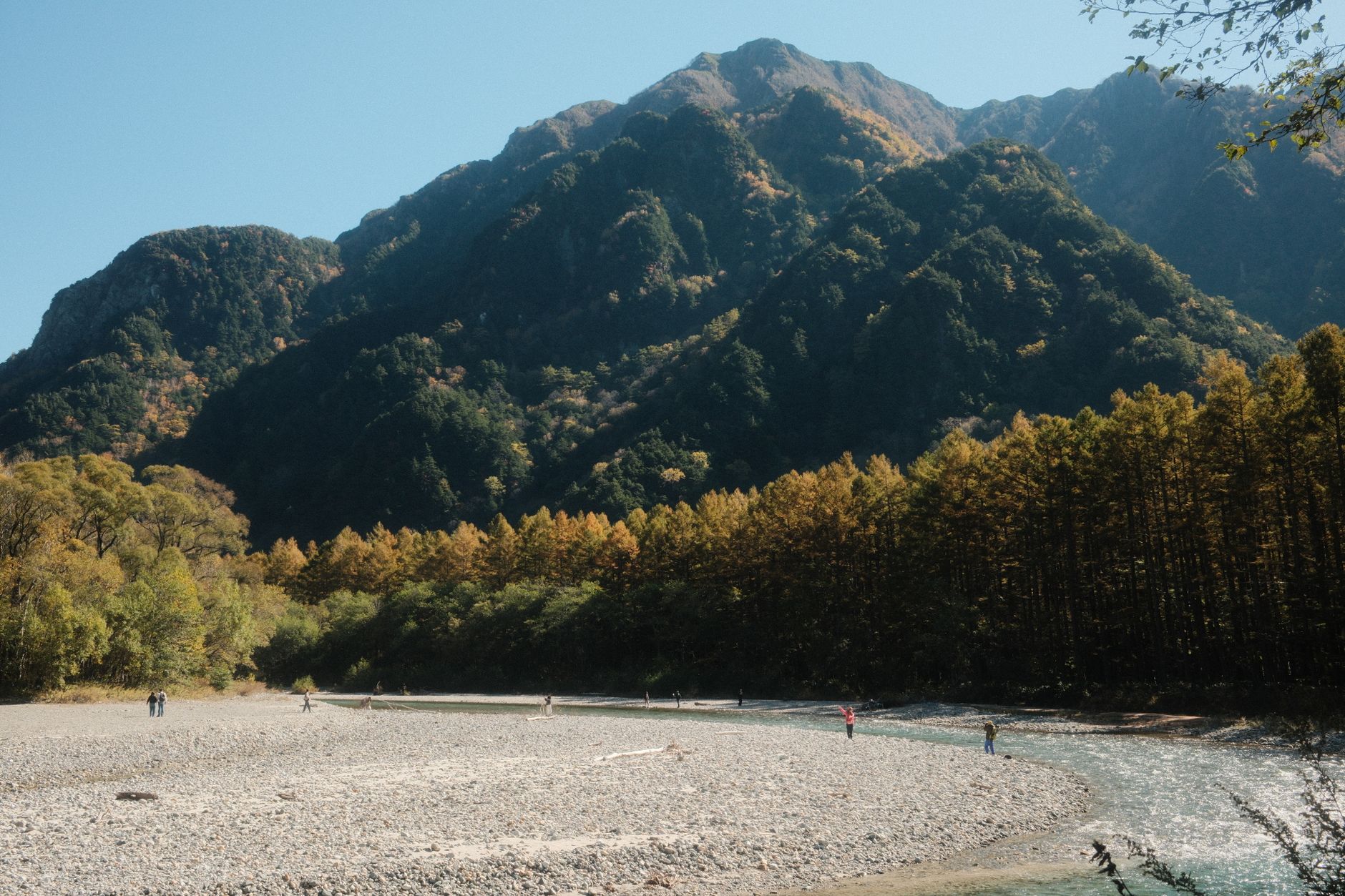
Kamikochi in Fall Foliage: Tracking the Golden Wave by Elevation
17 min · tips
Kamikochi in One Autumn Day: Catch the Early-Morning Mist and Make the Afternoon Bus
20 min · tips
Kamikochi in Fall: Avoiding the Crowds and Calculating the Full Cost for 1–2 Days
17 min · tips
Kamikochi in Autumn: A Golden Valley Along the Azusa River
19 min · tips