
Sore Legs in Kamikochi—Which Onsen Should You Choose: Hirayu, Sawando, or Shirahone?
After a day walking along the Azusa River through brilliant golden forest, a hot spring is the perfect reward. Here’s how to choose an onsen area, understand day-bathing prices, and fit a soak into your bus schedule.
Aug 12, 2026·✍️ olablog·⏱ 17 min read
After a day walking along the Azusa River through brilliant golden forest, a hot spring is the perfect reward. Here’s how to choose an onsen area, understand day-bathing prices, and fit a soak into your bus schedule.
Tap a region to browse articles
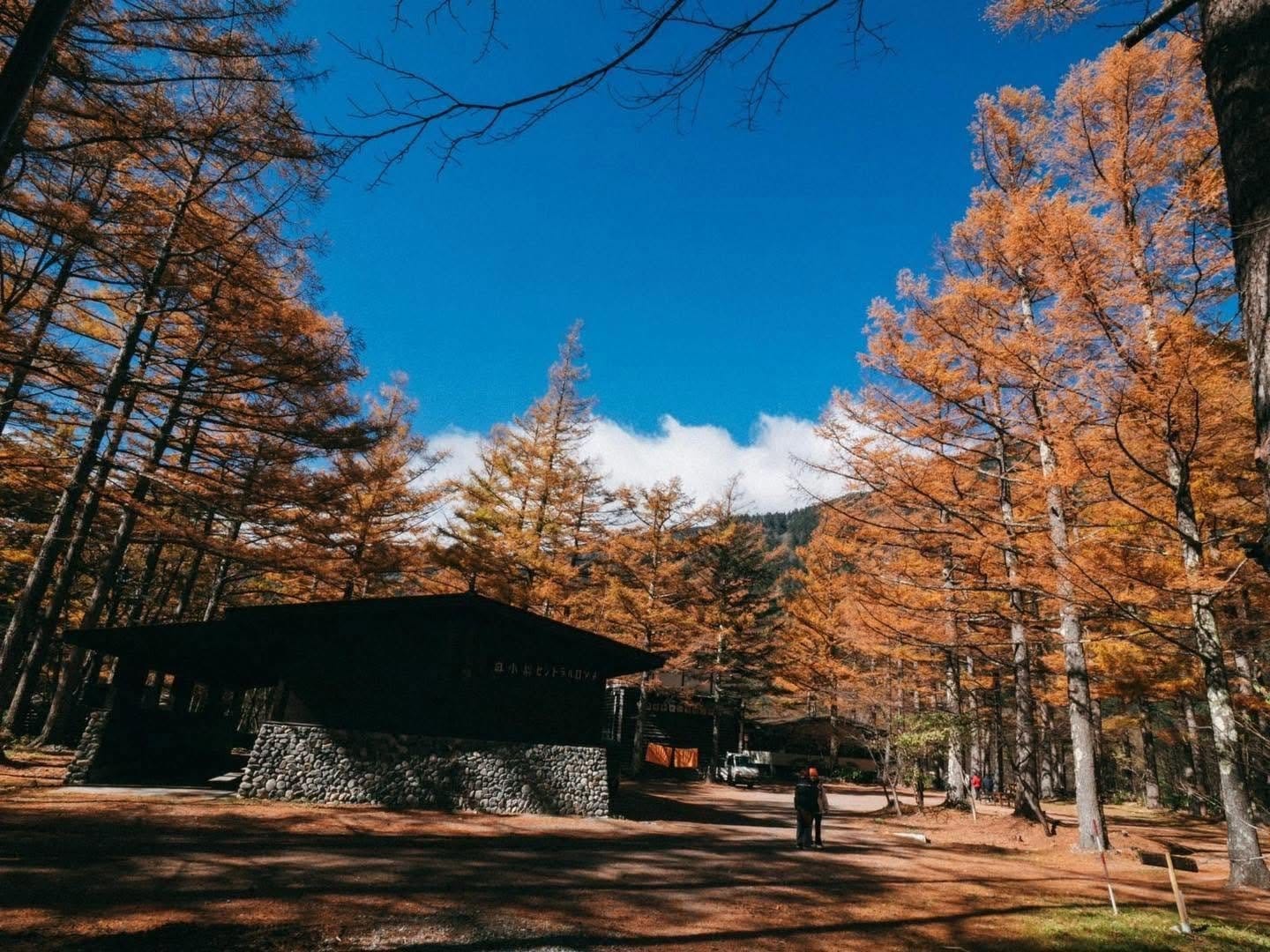
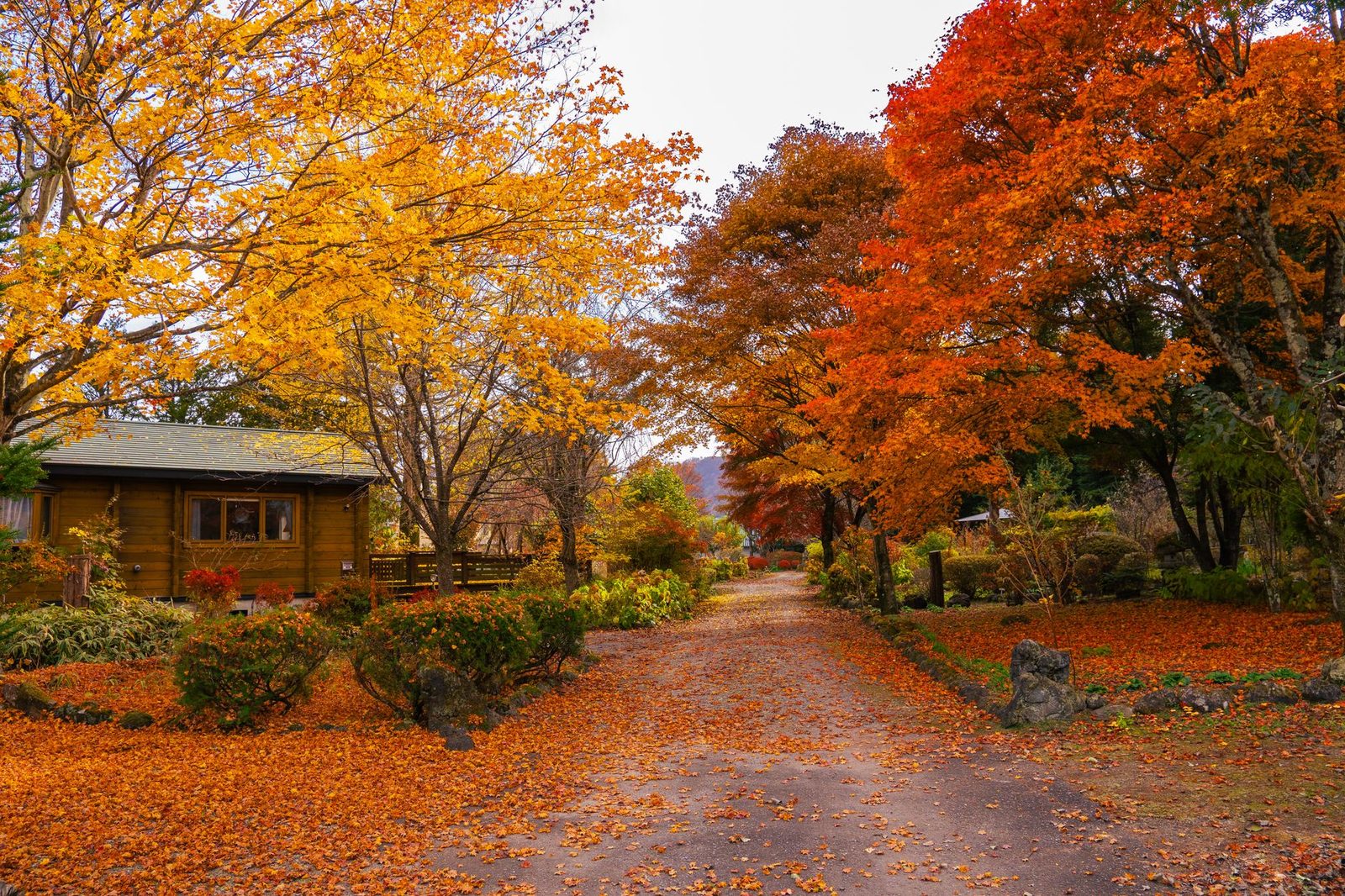
Late October in Kamikochi brings a very particular kind of cold. The sunlight still turns the Hotaka cliffs golden, and the Azusa River remains so clear and blue that you can see every stone on the riverbed. But the wind sweeping down from upstream cuts right through your sleeves. You walk from Kappa Bridge up to Myojin, loop around through Tokusawa, and head back—a flat route of roughly fifteen kilometers. It sounds easy enough, but by the time you sit down on a bench at the bus stop, your calves start complaining and all ten toes are frozen solid.
That is when the best part of the trip begins—and it is also the part that many Vietnamese visitors to Kamikochi for the first time miss. Because private vehicles are prohibited in Kamikochi, everyone has to pass through one of two gateways: Sawando on the Nagano side or Hirayu on the Gifu side. The interesting thing is that both gateways, along with Shirahone just off to one side, are centuries-old hot-spring areas. In other words, the bus system you have to use automatically drops you right outside a bathhouse. If it were out of the way, fair enough—but when it is this convenient, skipping the soak feels like a waste.
This guide is for anyone who has decided to visit Kamikochi during the fall foliage season and is wondering where to bathe, whether to visit for the day or stay overnight, roughly how much it will cost, and, most importantly, how to squeeze an hour in the hot water into an already tight bus schedule.
Why an onsen isn’t something to visit only “if it’s convenient”
Kamikochi sits at an elevation of around 1,500 meters. The autumn colors arrive much earlier here than on the plains, usually reaching their peak around the second half of October, and the entire valley closes for winter in mid-November. During this golden window, morning temperatures can fall to around 0 degrees, frost can whiten the grass around Taisho-ike, and by four in the afternoon the sun has already disappeared behind the mountains and the temperature drops quickly.
Your body goes through that entire cycle in a single day: freezing in the morning, warming up as you walk, then getting cold again while waiting for the bus. Add the long but flat distances, plus the many stretches of Kamikochi’s trail paved with wooden boards that put constant pressure on your heels. A hot soak afterward is not just indulgence; it is practically body maintenance so you can keep going the next day.
There is another practical reason. The last buses usually leave Kamikochi in the late afternoon during autumn, and everyone heads for the terminal at once. If you return to the gateway, bathe, have dinner there, and stay overnight, you avoid the crowds. The next morning, you can also catch the earliest bus back into the valley to photograph the morning mist at Taisho-ike—the most beautiful scene in Kamikochi, and one that day-trippers from Matsumoto almost never arrive early enough to see.
Where the three areas are in relation to one another
Picture it this way. Kamikochi is in the middle. Head east through the Kama Tunnel and you reach Sawando, in Matsumoto, Nagano Prefecture—the gateway for visitors coming from Tokyo or Matsumoto Station. Head west over the mountain pass and you reach Hirayu, in Takayama, Gifu Prefecture—the gateway for visitors coming from Nagoya, Takayama, or Kanazawa. Shirahone lies southeast of Sawando, on the way toward Norikura, at an elevation of around 1,400 meters. It requires a separate turnoff and is not on the main route.
The bus ride from either Sawando or Hirayu to Kamikochi takes roughly half an hour. From Sawando to Shirahone, it is another half hour or so along a winding mountain road.
Hirayu Onsen: the easiest gateway to stay in
If I could choose only one place to book a room and did not want to overthink things, I would choose Hirayu.
Hirayu is the oldest hot-spring village in Okuhida, sitting at an elevation of around 1,250 meters and surrounded by pine and maple forests. What sets it apart is that it is not merely a parking lot with a few inns. It is a proper hot-spring town, with a large bus terminal, restaurants, souvenir shops, and even a free footbath right beside the terminal.
Where to bathe
The obvious choice—and a good one for day-trippers—is the large public bath located right next to the Hirayu bus terminal, just a few minutes on foot. This kind of facility has numerous open-air baths spread through a wooded grounds, separate areas for men and women, natural stone pools, clouds of steam, and maple leaves drifting onto the water. Day-use admission is relatively inexpensive for the quality, usually ranging from a few hundred yen to under 1,000 yen, and towels are available to rent if you arrive empty-handed. Opening hours are fairly long, but you should still check the official website beforehand, especially during the peak autumn foliage season when they may be adjusted.
The biggest advantage is that you can leave your suitcase at the bus terminal, take a soak, eat a hot bowl of soba, and then continue on to Takayama or Shinhotaka without booking a room. For backpackers, this is the most flexible option of the three areas.
Ryokan worth staying at
Hirayu offers every price range, from family-run minshuku costing a few thousand yen per person to ryokan serving a full kaiseki dinner. The most common arrangement is a washitsu with tatami, dinner and breakfast, separate shared baths for men and women, plus a rotenburo. If you want privacy, look for a place with a kashikiri—a bath that can be reserved by the hour or for a specific time slot. This is the safest option if you are traveling with elderly relatives or have tattoos. Tattoo rules tend to be more relaxed in mountain areas than in cities, but every property has its own policy, so ask directly by email when booking.
Fitting it into your route
Hirayu is a transport hub, not a dead end. Buses run from here to Kamikochi, Takayama, the Shinhotaka Ropeway, and Matsumoto. That means you can enter Kamikochi in the morning, soak in Hirayu in the afternoon, then take the Shinhotaka Ropeway the next day to see the foliage from above and continue straight to Takayama without backtracking. For a Central Japan itinerary that comes in via Nagoya and leaves via Kanazawa, this is a particularly neat link.
Hirayu Otaki Waterfall is also nearby. In autumn, water cascades between walls of red foliage, and the falls are accessible by a short walk or bus ride from the village. If you return early while there is still daylight, visiting the waterfall before your soak makes for a very worthwhile afternoon.
Sawando: closest to Kamikochi and the most rustic
Sawando is the gateway on the Nagano side, where thousands of people leave their cars before boarding the shuttle. Because of this, many visitors assume that Sawando is nothing more than a gigantic parking lot. Not quite.
Scattered around the area are small guesthouses and several ryokan with their own hot-spring water. Most have a dozen or so rooms, with the owners cooking the meals themselves and driving to the terminal to pick up guests. Along the road from Sawando toward the Kama Tunnel, there are also several isolated hot-spring inns tucked against the mountainside, such as Nakanoyu and Sakamaki. Some accept outside visitors for day bathing during limited hours. Soaking in one of these places feels very intimate: a small bath, old wood, a window opening onto a single patch of forest changing color, and hardly any foreign visitors.
When to choose Sawando
Choose Sawando if your top priority is getting into Kamikochi as early as possible. If you stay here, you only need to get up, have breakfast, walk a few minutes to the terminal, and be among the first people to set foot in the valley while the mist is still hanging in the air. For photographers, that advantage is worth more than any amenity.
Sawando is also a good choice if you are driving a rental car, since leaving your vehicle overnight is straightforward and you do not have to drive the mountain roads after dark.
On the other hand, do not expect Sawando to have much of a town scene. There are few restaurants, they close early, and you will need a car to reach a convenience store. Most accommodations include two meals, and you should accept the arrangement rather than planning to find food late at night.
Day-use bathing
Sawando does not have a large public bath like Hirayu. What you are looking for is higaeri onyoku—day-use bathing at individual ryokan. These facilities generally open around midday and close before the time reserved for staying guests, charge anywhere from a few hundred to around 1,000 yen, and may suspend day bathing when the inn is full. So do not make a rigid plan to “bathe in Sawando this afternoon.” Call ahead to ask, or treat it as a backup option.
Shirahone: milky-white water, and why Japanese visitors travel so far to get there
If Hirayu is convenient and Sawando is close, Shirahone is somewhere you visit for its own sake, not simply because of Kamikochi.
The water at Shirahone contains sulfur and calcium minerals. When exposed to air, it turns an opaque milky white, sometimes with a faint blue tint. Put your hand into the water and it disappears beneath the surface at about a hand’s breadth. There is a light sulfur smell, the water feels silky, and your skin is noticeably softer afterward. Locals have a saying that bathing in Shirahone for three days will keep you from catching a cold for three years. It is just a saying, of course, but it shows how highly this area is regarded in Japanese bathing culture.
A rotenburo among the autumn forest
Shirahone’s greatest strength is its setting. The entire area sits inside a narrow gorge, with a stream running along the bottom and inns clinging to both sides. The rotenburo are often built low beside the stream, so you soak in milky-white water while listening to the current, then look up at sheer cliffs covered in golden and red leaves. In the middle of the season, the foliage reflected on the milky water creates a color palette that is difficult to describe and even harder to photograph—just sit back and enjoy it.
There is also a public outdoor bath beside the stream, operated by the local community, which opens seasonally and charges very little. However, its operating schedule changes from year to year, so you must check the latest information before visiting. Several larger ryokan in Shirahone are also known for their spacious outdoor baths, including one that maintains a traditional mixed-gender bathing area. That may sound shocking to Vietnamese visitors, but the water is completely opaque, so it is more discreet than you might expect, and the inn has its own rules about towels for female guests. If you are uncomfortable, simply choose a property with separate baths or a private bath that can be rented.
Ryokan worth staying at
Shirahone is somewhere I recommend staying overnight rather than merely bathing and leaving, because the road in is fairly circuitous. Most of the ryokan here are long-established, medium-sized inns whose dinners focus on salt-grilled river fish, mountain vegetables, and Shinshu-style miso hot pot. Many offer pickup from the bus stop if you notify them in advance—be sure to include your arrival time when booking, since the area is steep and walking around it can be strenuous.
A few practical notes about sulfur water: remove all silver jewelry before entering or it will tarnish black; do not wear light-colored swimwear in a kashikiri bath; drink water before and after soaking; and if you have sensitive skin, rinse off with clean water instead of leaving the minerals on your skin, as many people do.
A quick comparison of the three areas
| Hirayu | Sawando | Shirahone | |
|---|---|---|---|
| Location | Gateway on the Gifu side | Gateway on the Nagano side | Separate turnoff south of Sawando |
| Getting to Kamikochi | About half an hour by bus | About half an hour by bus, with the most frequent service | Requires a connection, with infrequent service |
| Water quality | Clear to slightly yellow, with a range of sources | Varies by property | Milky white, sulfurous, and the most distinctive |
| Day bathing | Easiest, with a large public facility | Limited and dependent on individual ryokan | Available, but check the schedule |
| Atmosphere | A serviced hot-spring town | Rustic, peaceful, few shops and restaurants | Quiet gorge, with a remote feel |
| Best for | Backpackers and travelers continuing to Takayama | Those who want the earliest possible start in the valley | Those who consider the onsen the main destination |
Money matters: how much should you budget?
I will not give an exact figure down to the yen because admission prices and opening hours in this area change seasonally, and the peak autumn foliage period is when changes are most common. But here is a rough guide for planning your budget:
- Day-bathing admission at a public facility or ryokan: usually around a few hundred to approximately 1,000–1,500 yen per person. Upscale ryokan may charge more.
- Towels: many places sell or rent small and large towels separately, for an additional few hundred yen. Bringing your own towel is the easiest way to save money.
- Ryokan stay with two meals: prices vary widely. A simple minshuku may cost around 10,000 yen per person, while a ryokan with a full dinner can cost 20,000 yen or more. Weekends in the middle of the foliage season are always more expensive and sell out early.
- Round-trip bus between the gateway and Kamikochi: a few thousand yen, plus daily parking fees if you are driving yourself.
These figures are only for estimating purposes. Before you leave, check the official website of the facility and the bus operator, especially the hours for day bathing. Those are the details most likely to change and the ones most likely to disrupt your plans.
Three ways to fit an onsen into your bus schedule
Option 1 — A simple day with a soak in Hirayu
Enter Kamikochi from Hirayu on an early bus, walk the Taisho-ike–Kappa Bridge–Myojin route, bring your own lunch, and return to the terminal in the early afternoon. Back in Hirayu, leave your luggage, enjoy a rotenburo, have dinner, then take an evening bus to Takayama or stay overnight. This is the easiest itinerary for first-time visitors.
Option 2 — Two days, staying in Sawando and then moving on to Shirahone
Arrive in Sawando in the afternoon on day one and go to bed early. On day two, enter Kamikochi early while the mist is still lingering, walk the full route to Tokusawa, then return to Sawando in the afternoon and continue on to Shirahone for your second night. On day three, take your time soaking in the milky-white water, have a late breakfast, and return to Matsumoto. This is my favorite itinerary because it clearly separates the hiking day from the day for rest and recovery.
Option 3 — Combine both prefectures
Enter via Sawando, leave via Hirayu, stay overnight in Okuhida, then take the Shinhotaka Ropeway the next day and continue to Takayama. This route takes advantage of Kamikochi’s two gateways, avoids backtracking, and lets you soak in two different hot-spring areas on the same trip.
For all three options, the general rule is: do not leave the soak until after the last bus. Check the bus schedule first, count back an hour and a half for bathing and changing, and only then decide how far to walk in the valley.
Small things that can easily ruin your soak
Bring a separate plastic bag for wet clothes. Stuffing a damp towel into your backpack all afternoon makes for an unpleasant surprise when you open it that evening. Pack lightweight flip-flops for walking around the bathing area. Do not get straight into the bath when your legs are still numb and stiff from walking—sit and rest for ten minutes, drink some water, then enter slowly. The water at these places is genuinely hot, not merely hotel-room warm.
If you plan to have a beer after bathing, drink it afterward, not beforehand. And if you are traveling with elderly parents, prioritize a place with an indoor bath next to the outdoor bath, so they can move in and out gradually instead of stepping straight from the changing room into 5-degree air.
Finally, try to soak at least once after nightfall. At this elevation, the autumn forest turns a deep blue-gray when the sunlight disappears, the steam rises more thickly, and the only sound left is the stream. That is what you will remember—not the photograph of Kappa Bridge that everyone has.
Frequently asked questions
Does Kamikochi have anywhere to bathe in an onsen, or do you have to go out to the gateways?
There are a few hotels in the valley with hot-spring water that allow outside visitors to bathe during a limited window in the middle of the day. The problem is that those hours often overlap with the time when you are hiking or need to catch a bus out. Treat this as a backup option; your main plan should still be at one of the gateways.
Can I fit in a soak on a day trip from Matsumoto?
Yes, if you choose Sawando or Hirayu and accept a shorter walk in the valley. But honestly, the schedule will be very tight and you will be watching the clock while you soak. If your budget allows, staying one night at a gateway completely changes the quality of the trip.
What if I have tattoos?
Mountain areas are generally more relaxed than cities. Many small inns do not mind, and some provide cover patches. But do not assume. The safest approach is to book a room with a private bath or reserve a kashikiri bath by the hour, and ask by email when booking.
Will the milky-white water at Shirahone damage clothing or jewelry?
Silver jewelry can tarnish black because of the sulfur, so remove it and place it in a locker. Ordinary clothing is fine if it is not left in contact with the water for long, but light-colored swimwear may gradually change color.
When should I go for the best foliage?
At Kamikochi’s elevation, the colors are usually at their peak in the second half of October, while the slightly lower onsen areas reach their best a few days to a week later. The entire region closes for winter around mid-November. Since the timing varies from year to year, check the local foliage reports about two weeks before your trip.
How far in advance should I book a ryokan?
For weekends during the foliage season, as early as possible—many properties open reservations several months in advance and sell out quickly. Weekdays are much easier, and avoiding weekends is the most effective money-saving tip if your schedule is flexible.
Is it difficult if I do not speak Japanese?
Not really. The bathing rules are the same everywhere: undress completely in the changing room, wash yourself at the seated shower stations before entering the bath, do not bring a large towel into the water, and do not wash clothes in the bath. Once you know those basics, you will be fine anywhere. Owners of small ryokan are usually very patient, and a translation app is always useful.
More from this region — Chubu (Nagano, Kanazawa)
View all →
Kamikochi Summer Hiking Trails: The Complete Guide from Kappa Bridge to Myojin Pond, Tokusawa, and Yokoo
12 min · ハイキング
Kanazawa
23 min · destinations
Kenroku-en, Kanazawa – One of Japan's Three Greatest Gardens
5 min · tips
Karuizawa in 2 Days and 1 Night in Autumn: Choose the Right Place to Stay and Half the Trip Is Done
15 min · tips