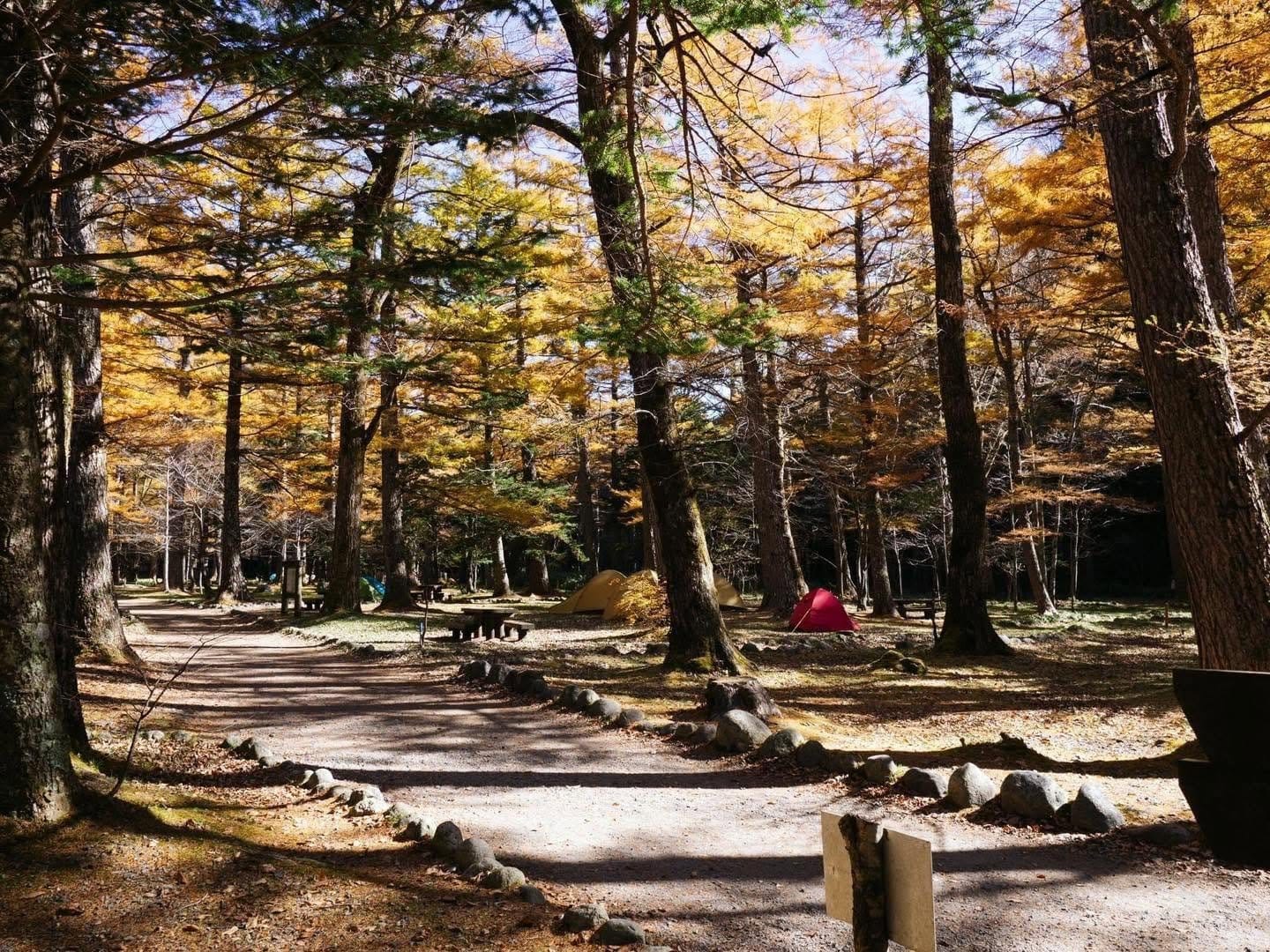
Kamikochi Summer Hiking Trails: The Complete Guide from Kappa Bridge to Myojin Pond, Tokusawa, and Yokoo
Enjoy the summer Alps on a Kamikochi hike. A detailed guide to the popular trails from Kappa Bridge to Myojin Pond, Tokusawa, and Yokoo, covering access, highlights, food, accommodation, and what to bring. The OlaChill editorial team presents a complete guide packed with useful information for everyone from beginners to experienced hikers.
Feb 26, 2026·✍️ olablog·⏱ 12 min read
Enjoy the summer Alps on a Kamikochi hike. A detailed guide to the popular trails from Kappa Bridge to Myojin Pond, Tokusawa, and Yokoo, covering access, highlights, food, accommodation, and what to bring. The OlaChill editorial team presents a complete guide packed with useful information for everyone from beginners to experienced hikers.
Tap a region to browse articles
Kamikochi, with its pristine wilderness, is one of Japan’s most celebrated mountain destinations. Summer, when the fresh greenery is especially vibrant, is an ideal time for comfortable hikes amid breathtaking scenery: the crystal-clear Azusa River and the magnificent Hotaka Mountain Range. As of 2026, restrictions on private cars entering Kamikochi remain in place, making environmental protection an important consideration for visitors. In this article, the OlaChill editorial team takes an in-depth look at the summer hiking routes from Kappa Bridge to Myojin Pond, Tokusawa, and Yokoo, covering everything from access and highlights to important precautions and recommended sample itineraries. Come enjoy a refreshing summer journey through Kamikochi’s beautiful natural landscape.
How to Get to Kamikochi and Trail Access Rules
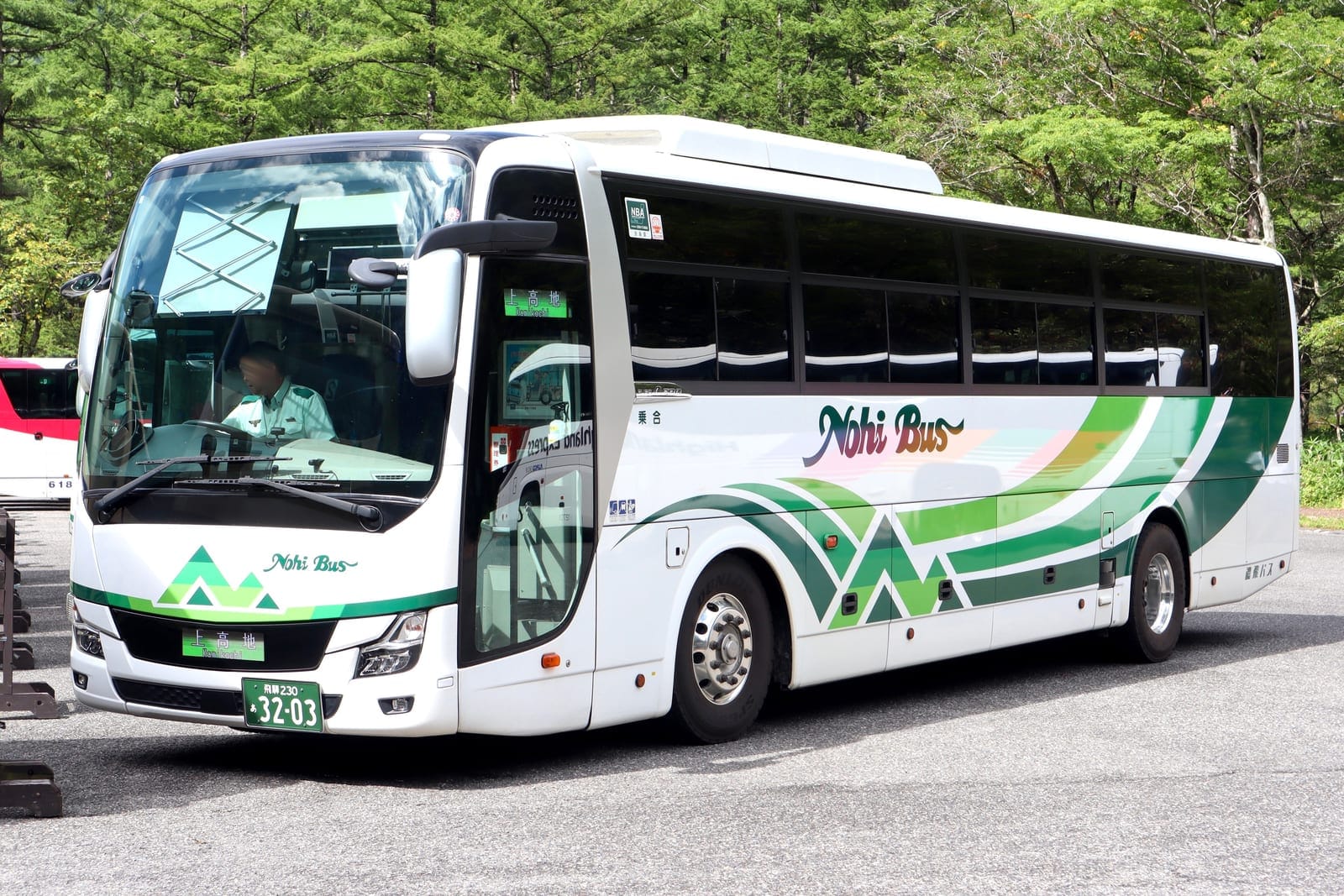
Private-car restrictions are in effect in Kamikochi year-round, so you cannot drive your own vehicle directly into the area. The standard approach is to use public transportation, or take a shuttle bus or taxi from one of the designated parking areas. The two main gateways are Sawando (さわんど) on the Nagano Prefecture side and Akandana (Hirayu Onsen) on the Gifu Prefecture side. Bus services generally operate from around mid-April to mid-November, with more frequent service during the summer period (July–August). As a guide, a one-way shuttle bus ticket from Sawando Parking Area to Kamikochi Bus Terminal costs 1,300円 (2,400円 round trip), while a taxi costs approximately 5,000円 one way (fixed fare), as of 2026.
There is no special fee for entering the area, but visitors are expected to follow the rules and etiquette for national parks established by the Ministry of the Environment. Collecting or bringing in plants and animals and littering are strictly prohibited. You should also take appropriate precautions against encounters with wildlife, such as carrying a bear bell. Kamikochi Bus Terminal has a general information center where you can check the latest weather conditions and trail updates. For a safe hike, we strongly recommend stopping there before setting out.
Exploring the Area Around Kappa Bridge
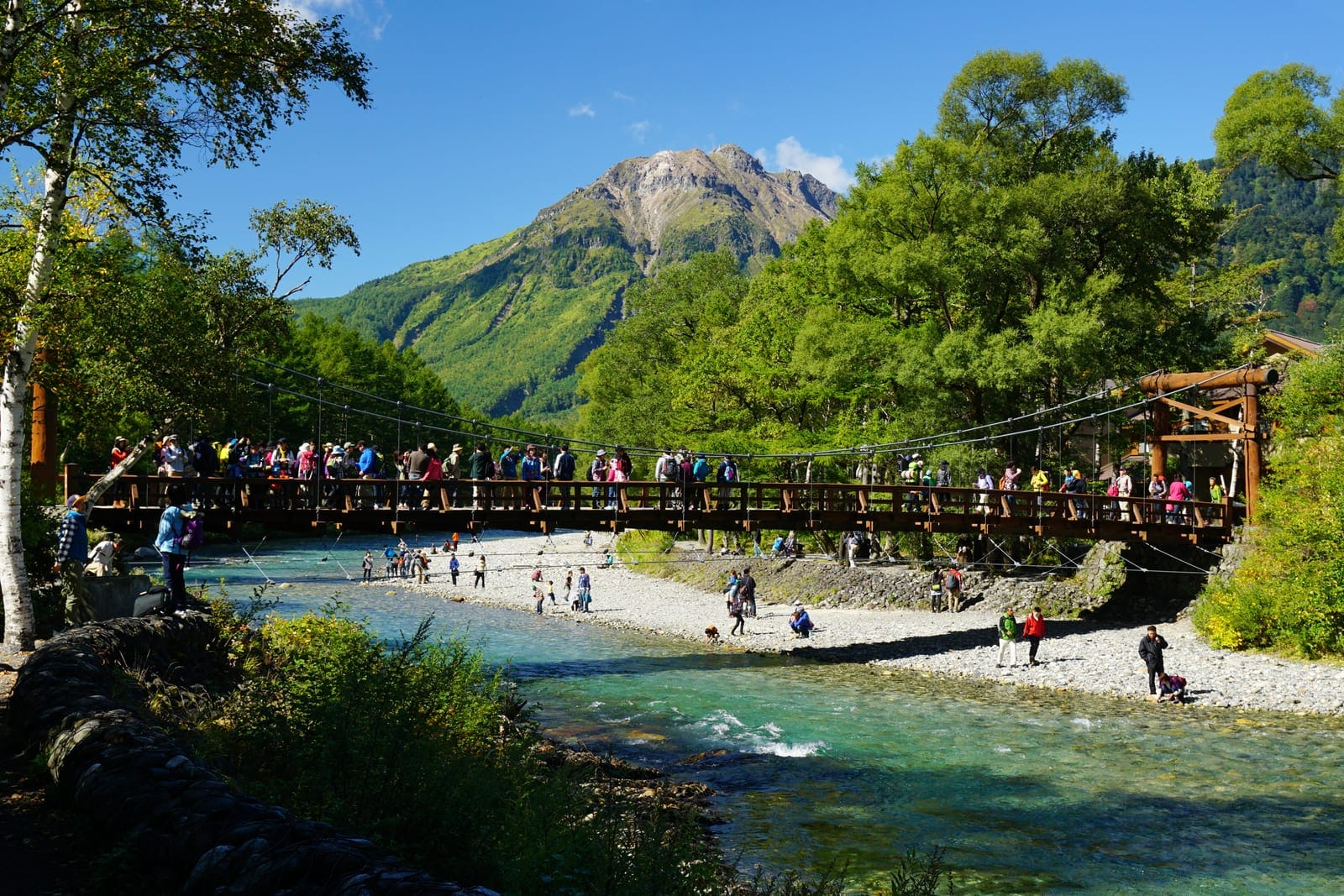
Kappa Bridge, one of Kamikochi’s defining landmarks, is a wooden suspension bridge spanning the Azusa River. From the bridge, you can see the Hotaka Mountain Range upstream and Mount Yake downstream. These spectacular views attract visitors from across Japan and around the world. On a clear summer day, the contrast between the blue sky, white clouds, and the Azusa River’s emerald-green water is particularly striking. Souvenir shops, restaurants, and accommodation are clustered around the bridge, making it an excellent base for hiking.
The area around Kappa Bridge has well-maintained, mostly flat walking trails that are easy for beginners to enjoy. For example, the Azusa River Right Bank Trail follows the right bank of the river and reaches Myojinkan in approximately 30 minutes, making it a relatively short route. Along the way, you can see monuments commemorating Kamikochi’s history and walk beneath beautiful shafts of sunlight filtering through the trees. The Azusa River Left Bank Trail offers a similarly enjoyable stroll through abundant nature. Both routes have very little elevation gain and can be comfortably walked in ordinary walking shoes. If you start to feel tired, take a break at one of the cafés near Kappa Bridge and enjoy Kamikochi’s clear mountain air.
The Trail to Myojin Pond and Its Mystical Scenery
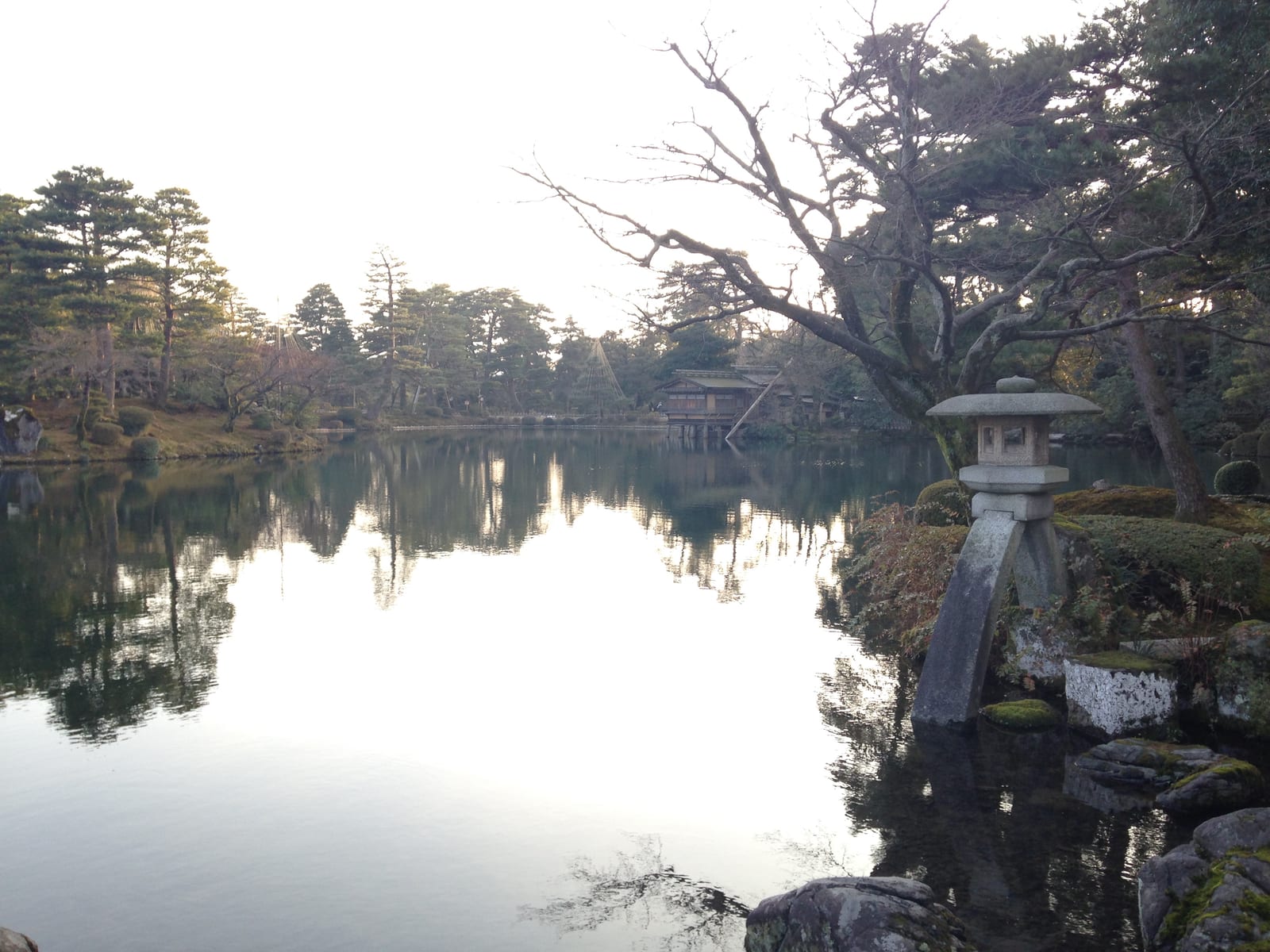
After approximately 1 hour of walking from Kappa Bridge, you will arrive at Myojin Pond, a site known for its spiritual atmosphere. Located within the grounds of Hotaka Shrine’s Okumiya, or inner shrine, Myojin Pond is shaped like a gourd. The highly transparent surface reflects the surrounding trees and Hotaka’s mountains like a mirror. On windless early mornings, you may be rewarded with a breathtaking reflection of the Hotaka peaks. Hotaka Shrine’s Okumiya stands beside the pond, and the Omifune Shinto ritual is held there every year on October 8.
Myojin Pond can be reached from either the right or left bank of the Azusa River from Kappa Bridge. The right-bank trail is generally more developed, while the left-bank route continues along a forest path that feels closer to nature. Both trails are approximately 3km one way and take about 1 hour, with almost no difference in elevation, so even beginners can enjoy the hike with confidence. However, the trail may include loose stones and exposed tree roots, making trekking shoes preferable to sneakers. Admission to Myojin Pond is 300円 (as of 2026), with the fee used to maintain Hotaka Shrine’s Okumiya. In summer, the fresh greenery around Myojin Pond is beautiful, and cool breezes drift across the water, helping visitors forget the noise of the city.
The Long Trail to Tokusawa and Yokoo: Immerse Yourself in Nature
Continuing farther beyond Myojin Pond brings you to the open Tokusawa area, once the site of a ranch. The trail from Myojin Pond to Tokusawa takes approximately 1 hour and covers about 3km. Mountain lodges such as Tokusawa-en and Tokusawa Lodge offer light meals and accommodation. Broad grassy meadows stretch across the area, and you may see visitors enjoying overnight stays in tents. In summer, alpine plants bloom across Tokusawa, with its expansive carpets of anemones being especially impressive. The view of Mount Mae-Hotaka from here is also exceptional, making this one of the most open and spacious areas in Kamikochi.
After walking for another approximately 1 hour and about 3km from Tokusawa, you will reach Yokoo. Yokoo is the trailhead for major Northern Alps peaks such as Mount Yari and the Hotaka mountains, and many climbers begin serious mountain ascents from here. Once you cross Yokoo Bridge, you are entering a genuinely alpine environment. The route to Yokoo is relatively flat, but beyond Tokusawa the trail becomes more demanding, so it is important to prepare your equipment carefully, including items such as light crampons and trekking poles. Yokoo Sanso mountain lodge offers accommodation and a place to rest. If you plan to go as far as Tokusawa or Yokoo, the round trip takes at least 5〜6 hours, so make a schedule with plenty of time to spare.
Food and Accommodation in Kamikochi
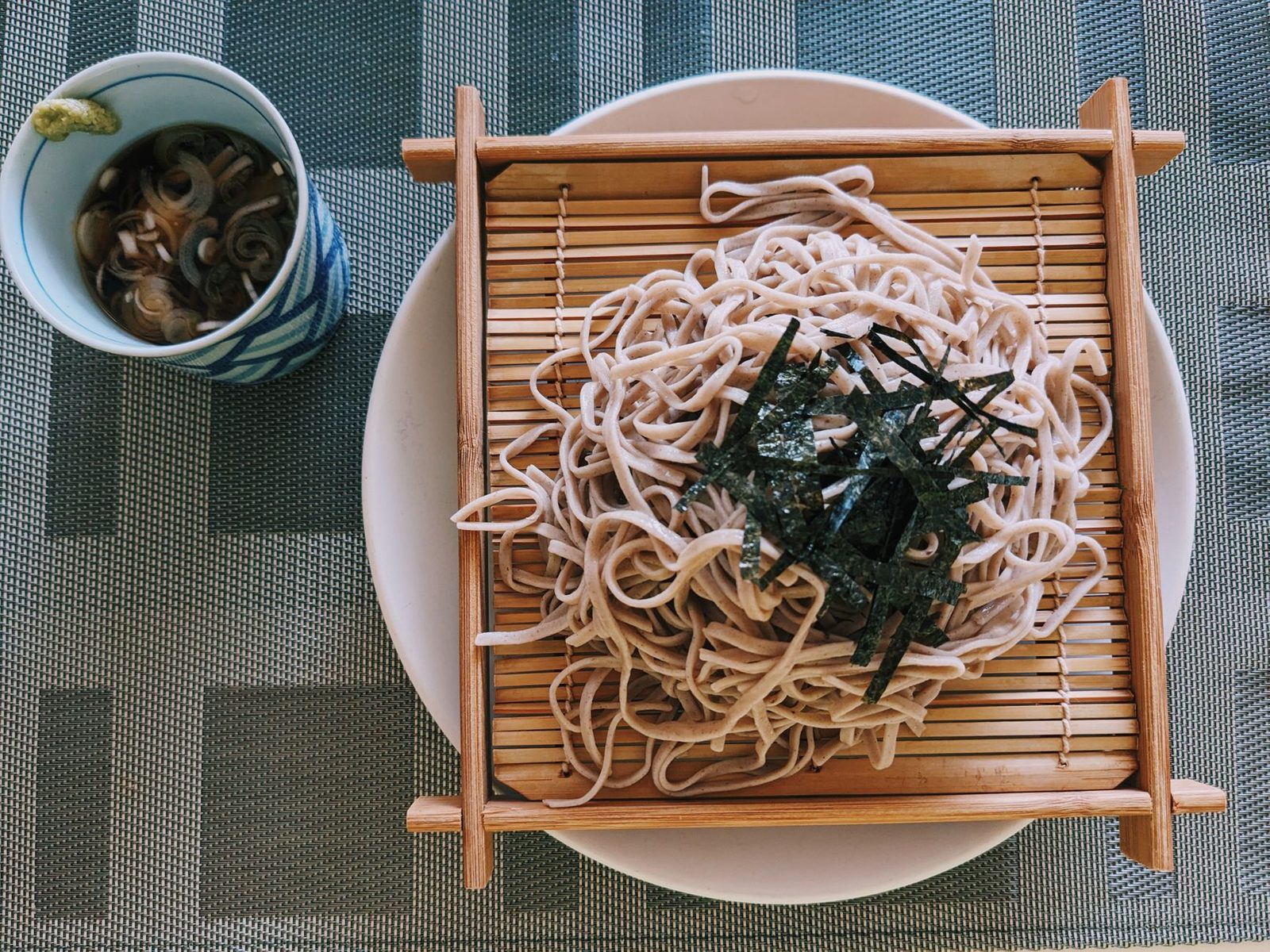
Kamikochi offers a wide variety of food made with local ingredients, as well as atmospheric places to stay. Around Kappa Bridge, options range from prestigious hotels such as Kamikochi Imperial Hotel, Kamikochi Lemeiesta Hotel, and Gosenjaku Hotel Kamikochi to casual eateries such as Kamikochi Shokudo and Kimonji Goya. At Kamikochi Shokudo, you can enjoy local dishes including Shinshu soba and sanzoku-yaki, a regional-style grilled chicken dish. Gosenjaku Hotel Kamikochi’s restaurant overlooking Kappa Bridge is another good choice for enjoying Western cuisine with a beautiful view.
Accommodation options are equally varied, from luxury hotels overlooking the Hotaka Mountain Range to mountain lodges that blend into the wilderness and campsites surrounded by nature. Around Myojin Pond, you will find Myojinkan and Kimonji Goya (which also offers accommodation); Tokusawa has Tokusawa-en and Tokusawa Lodge; and Yokoo has Yokoo Sanso. These facilities are used not only by mountaineers but also by hikers. Mountain lodges serve simple but hearty meals and offer opportunities to meet fellow guests. Because the peak summer season is particularly busy, early reservations are essential if you plan to stay overnight.
What to Bring, What to Wear, and Hiking Etiquette
Summer hiking in Kamikochi is relatively comfortable, but because this is a mountainous region, you need to prepare for sudden changes in weather. The basic approach to clothing is layering: wear a quick-drying T-shirt, add a long-sleeved shirt or fleece, and carry waterproof, windproof rainwear. Choose trekking pants that allow unrestricted movement. Trekking shoes with good grip are essential for protecting your feet from loose stones and tree roots and reducing the risk of slipping.
Your packing list should include plenty of drinking water (there are few places to refill along the way), trail snacks such as chocolate and nuts, a bear bell, hat, sunglasses, sunscreen, towel, first-aid supplies, a headlamp (for emergencies), map, compass, and garbage bag. Kamikochi is also a national park, so visitors are expected to help protect its rich natural environment. Stay on designated trails, do not collect plants, take all garbage home with you, never feed animals, and avoid making loud noises. Always use the designated toilets, and carrying a portable toilet can provide extra peace of mind.
Recommended Kamikochi Hiking Itineraries by Fitness Level
Kamikochi offers many ways to enjoy hiking depending on your fitness level and available time. Here are several representative sample routes.
Half-Day Route (For Beginners): Round Trip from Kappa Bridge to Myojin Pond
- Duration: Approximately 3 hours (excluding break time)
- Distance: Approximately 6km
- Route: Kamikochi Bus Terminal → Kappa Bridge (sightseeing and walking) → Myojin Pond (visit Hotaka Shrine’s Okumiya) → Kappa Bridge → Kamikochi Bus Terminal
- Highlights: The route remains relatively flat, making it easy and enjoyable for beginners. We recommend walking in the morning, then spending the afternoon around Kappa Bridge enjoying a meal and shopping for souvenirs. You can fully appreciate the mystical atmosphere of Myojin Pond.
Full-Day Route (Intermediate): Round Trip from Kappa Bridge to Tokusawa
- Duration: Approximately 5〜6 hours (excluding break time)
- Distance: Approximately 12km
- Route: Kamikochi Bus Terminal → Kappa Bridge → Myojin Pond → Tokusawa (lunch and break) → Myojin Pond → Kappa Bridge → Kamikochi Bus Terminal
- Highlights: In addition to the scenery around Myojin Pond, this route lets you experience Tokusawa’s expansive grasslands. Lunch at Tokusawa-en and a break on its terrace are especially enjoyable. This route is recommended for hikers who are confident in their stamina.
Route for Strong Hikers: Round Trip from Kappa Bridge to Yokoo
- Duration: At least approximately 8 hours (excluding break time)
- Distance: Approximately 20km
- Route: Kamikochi Bus Terminal → Kappa Bridge → Myojin Pond → Tokusawa → Yokoo (break) → Tokusawa → Myojin Pond → Kappa Bridge → Kamikochi Bus Terminal
- Highlights: This route continues as far as Yokoo, the trailhead for Mount Yari and the Hotaka mountains. Because the round trip covers considerable distance, an early-morning start is essential. You need sufficient stamina, proper equipment, and hiking experience. Crossing Yokoo Bridge gives you a glimpse of the entrance to a true alpine environment.
These routes are only general guidelines. Take your own fitness level into account and plan a manageable itinerary. Depending on the weather and your physical condition, you may also need the courage to turn back before reaching your destination.
Summary: Key Points to Remember
To get the most out of a summer hike in Kamikochi, keep these 5 points in mind.
- Use public transportation to access Kamikochi: Because of the private-car restrictions, take a shuttle bus or taxi from Sawando or Akandana. Checking the timetable in advance is important.
- Prepare suitable clothing and equipment: Layering that accommodates changing weather, slip-resistant trekking shoes, rainwear, and a bear bell are essential.
- Protect the environment and follow local etiquette: Take all garbage home, and never collect plants or feed animals. Remember to treat nature with respect.
- Build plenty of time into your schedule: If you plan to go as far as Tokusawa or Yokoo, carefully calculate the round-trip time and aim to leave early in the morning.
- Check the latest information: Always confirm weather conditions and trail status at Kamikochi Bus Terminal and the mountain lodges, and put safety first.
Frequently Asked Questions (FAQ)
Q. When is the best season to visit Kamikochi?
A. Kamikochi is beautiful throughout the year, but if you are focusing on summer hiking, the best season is from late July through August, when the fresh greenery is vibrant and alpine plants are in bloom. Temperatures are relatively comfortable during this period, the Azusa River is highly transparent, and you can enjoy refreshing hikes. However, Kamikochi can be affected by typhoons toward the end of summer, so it is important to check the latest weather forecast.
Q. What are the toilet facilities like in Kamikochi?
A. Well-maintained toilets are available at major hubs including Kamikochi Bus Terminal, the area around Kappa Bridge, the area around Myojin Pond, Tokusawa, and Yokoo. Many toilets charge a fee in the form of a voluntary contribution and are kept clean. Toilet paper is provided, but bringing your own is still a good precaution. Open-air toileting is strictly prohibited because it places a burden on the environment.
Q. Is it possible to encounter wildlife in Kamikochi?
A. Yes. Kamikochi is home to wild Japanese macaques, Japanese serow, Asiatic black bears, and other animals, so encounters are possible. Monkeys may be accustomed to people, so take care not to feed them or leave your belongings unattended. To reduce the risk of encountering a bear, carry a bear bell, avoid hiking alone, and avoid entering the mountains early in the morning or around dusk. If you do encounter one, remain calm, slowly retreat, and avoid making eye contact.
Q. Are there places to eat during the hike?
A. Several restaurants and cafés are located around Kappa Bridge. Mountain lodges such as Myojinkan near Myojin Pond, Tokusawa-en and Tokusawa Lodge in Tokusawa, and Yokoo Sanso in Yokoo may also serve light meals, lunch, and sometimes hot food. However, menus are often limited, so bringing your own trail snacks is recommended. These places are especially busy in summer, so allow plenty of time when stopping for a meal.
Q. How is mobile phone reception in Kamikochi?
A. Reception is relatively good around Kamikochi Bus Terminal and Kappa Bridge, but coverage becomes less reliable as you continue beyond Myojin Pond toward Tokusawa and Yokoo. The major carriers docomo, au, and SoftBank cover a reasonable portion of the area, but you should be prepared for dead zones in the mountains. As an emergency precaution, downloading an offline map app and checking the locations of public telephones can also be useful.