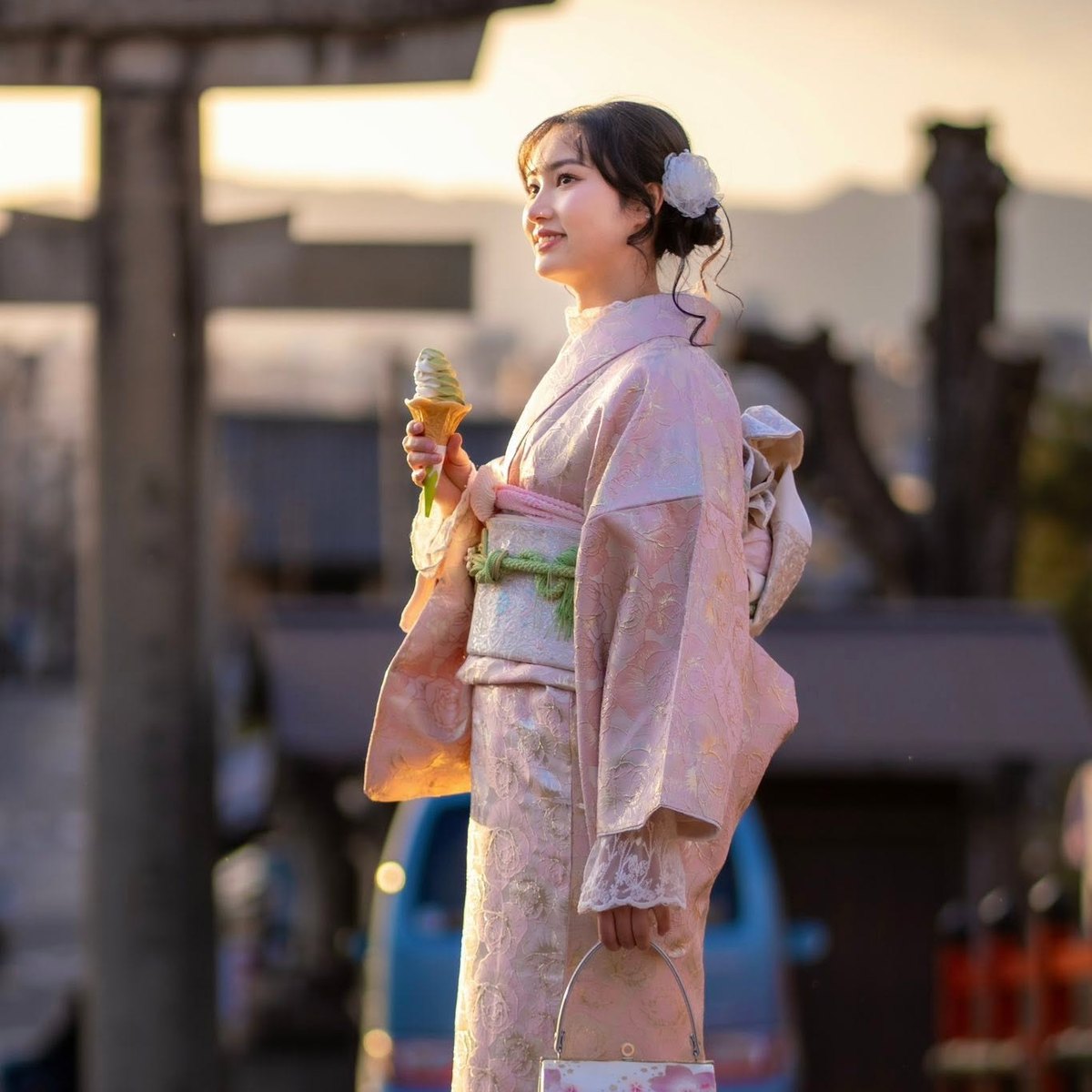
Kimono Rental in Kyoto: How to Choose and What to Expect
How to choose where and what to rent in Kyoto, what the plans include and cost, how the dressing and return work, how the season changes the choice, and the etiquette that keeps the outfit — and you — comfortable all day.
May 4, 2026·✍️ olablog·⏱ 6 min read
How to choose where and what to rent in Kyoto, what the plans include and cost, how the dressing and return work, how the season changes the choice, and the etiquette that keeps the outfit — and you — comfortable all day.
Tap a region to browse articles
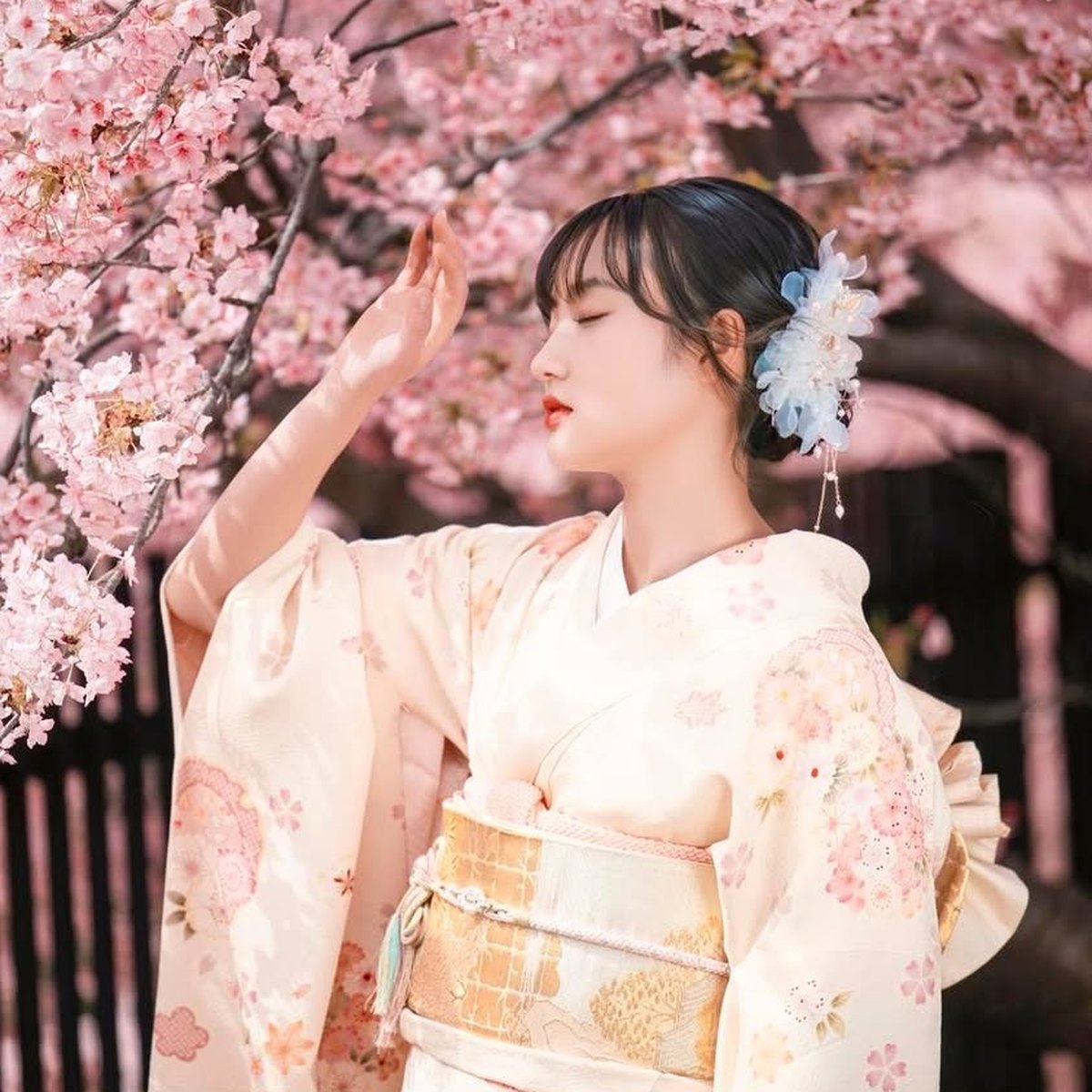
Renting a kimono is the one Kyoto experience that almost nobody regrets and almost everybody under-plans. The outfit itself is easy — a shop dresses you, you walk out — but three decisions made beforehand determine whether the day is a pleasure or a slog: where you are dressed, which garment you choose, and what time you start. This guide takes each in turn, then covers the dressing, the return, the seasons and the small points of etiquette, so that the only thing left to decide on the day is the colour.
Decision one: where you are dressed
Kyoto's kimono streets are concentrated on the Higashiyama slope — Kiyomizu-dera at the top, the stepped lanes of Sannenzaka and Ninenzaka below it, the Yasaka Pagoda, Kōdai-ji, Yasaka Shrine and, at the bottom, Gion. Being dressed inside that area means the whole sequence is on foot and there is no train to take in wooden sandals. Being dressed at the station or across the river means a taxi or a train each way in geta, which is fine once and tiresome twice.
OlaChill Kyoto Kiyomizu is at Higashiyama-ku, Kiyomizu 4-190-3, B1F — in the Kiyomizu quarter itself, below the temple. From the door, the temple is a fifteen-minute climb and the lanes are downhill from there; our ten Kyoto kimono spots are listed in exactly that walking order.
Decision two: which garment
The shop carries fourteen plans; the differences are cut and formality, not colour. All prices include tax and the full accessory set — obi, footwear, bag, under-robe, tabi socks.
| Plan | Notes | Price |
|---|---|---|
| Komongi | Everyday women's kimono, small repeating pattern; the walking choice | ¥5,500 |
| Kimono Ren | Modern large-motif prints; casual to wear, bold in photos | ¥7,000 |
| Houmongi | Semi-formal, pattern flows across the seams | ¥12,000 |
| Tomesode | Formal, black ground, pattern at the hem | ¥12,000 |
| Furisode / Design Furisode | Long sleeves; for a dedicated photo session | ¥19,000 / ¥25,000 |
| Men's Traditional Kimono | Kinagashi style, haori over kimono | ¥5,000 |
| Montsuki | Crested haori and hakama, formal | ¥10,000 |
| Yukata (Men / Women) | Single-layer cotton, June–September | ¥4,000 / ¥4,500 |
| Children (Yukata / Kimono) | Boys and girls | ¥3,000–¥8,000 |
For a day of walking, Komongi or Men's Traditional Kimono. For one dramatic set of pictures, Furisode. In summer, yukata without hesitation. Our guide to the kimono types compares them in detail.
Hair styling is not part of any plan; it is a ¥1,500 add-on that takes about fifteen minutes and is the most worthwhile extra there is, because an updo shows the back collar — the prettiest line of the outfit — and stays in place all day. Make-up is ¥5,000.
Decision three: when you start
The shop opens at 09:00. Dressing takes about half an hour, so a 09:00 slot puts you on Sannenzaka by 09:45, when the lane is still quiet, and a 11:00 slot puts you there at noon, when it is not. On cherry-blossom and autumn-leaf weekends the early slots go first; book a few days ahead for those. Booking is four steps on the Kiyomizu product page: plan, date and time, your details, payment. Paying online takes 10% off; paying at the shop in yen or by card is at the list price. Cancellation is free up to two days before, 50% the day before, and the full amount on the day.
What happens in the shop
Write your height in the booking notes so a garment of the right length is waiting. Come in clothes that are easy to change out of, with a wide or low neckline. You choose the kimono from the rack; the staff choose an obi and accessories to match, and dress you — tabi socks first, then the under-robe, then the kimono with its collar set, then the obi tied at the back. Your own clothes and bag go into a free locker; you carry a phone and a small wallet in the pouch that comes with the plan. If it rains, the shop lends umbrellas.
The kimono must be back before 18:00. If you want the lanterns of Gion in the evening, add a next-day return (¥1,100, back before 10:00 the next morning) or a hotel return (¥1,100, the outfit is collected from your hotel).
The seasons
Kyoto's calendar changes the choice of garment and the choice of route more than the price, which is the same all year.
- Spring (late March–April): cherry blossom in Maruyama Park and along the canals; a lined kimono in soft colours; the busiest fortnight of the year, so book early and start early.
- Summer (June–September): hot and humid; yukata, an early start and an afternoon indoors. The Gion Festival in July fills the city.
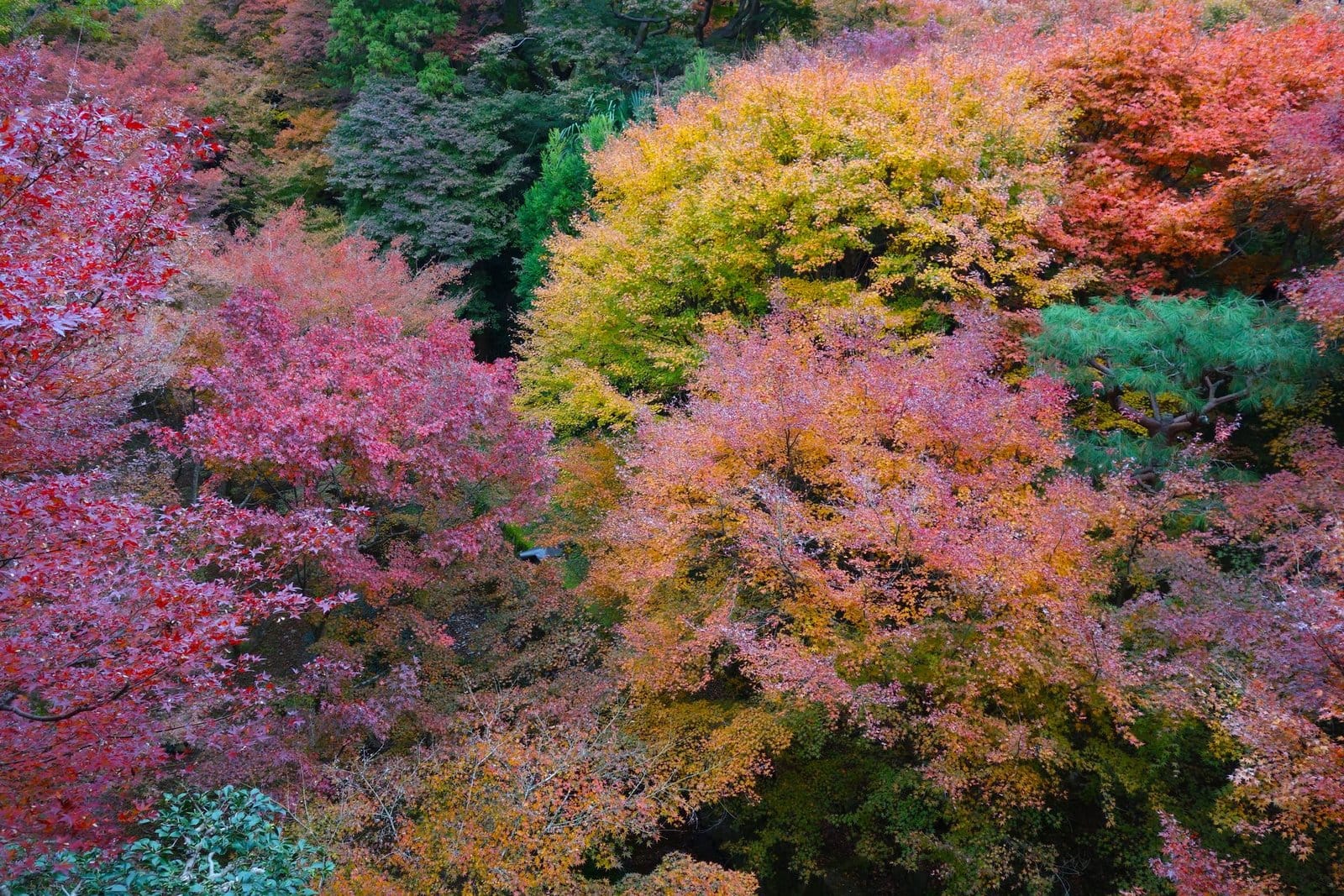
- Autumn (November): maples at Kōdai-ji and Kiyomizu; the most photogenic light of the year for a kimono; the second-busiest season.
- Winter (December–February): quiet lanes, clear air, occasional snow on the pagoda; the shop adds a haori jacket and a shawl, and the early slots are easy to get.
Our article on the best season for kimono goes deeper into colours and patterns for each.
Etiquette that keeps you comfortable
- The left panel goes over the right — the shop dresses you that way; do not reverse it when adjusting.
- Short steps, toes slightly in, whole foot on the ground: it is how you stay upright on stone steps in geta.
- Sit on the front of a chair, not against the back, so the obi knot is not crushed.
- Do not loosen a layer yourself; go back to the shop for an adjustment.
- Keep food and drink simple and away from the sleeves; a cleaning fee applies only to heavy staining.
- On the lanes, stand to the side for photographs so others can pass; on Hanamikoji, give a maiko room.
The full set of rules is in our kimono etiquette guide.
What's included, price, where, how to book
- Included: the garment, obi, footwear, bag and accessory set; dressing by staff; free locker; umbrella loan. Tax included.
- Price: fourteen plans from ¥3,000 (children's yukata) to ¥25,000 (Design Furisode); most adults choose ¥5,000–¥7,000. Hair styling ¥1,500; make-up ¥5,000; next-day or hotel return ¥1,100. Online payment 10% off.
- Where: OlaChill Kyoto Kiyomizu, Higashiyama-ku, Kiyomizu 4-190-3, B1F. Open 09:00–18:00.
- How to book: Kiyomizu booking page — plan, date and time, details, payment. Free cancellation up to two days before.
Book the 09:00 slot: OlaChill Kyoto Kiyomizu. Dressed below the temple, with Sannenzaka a few minutes away.