
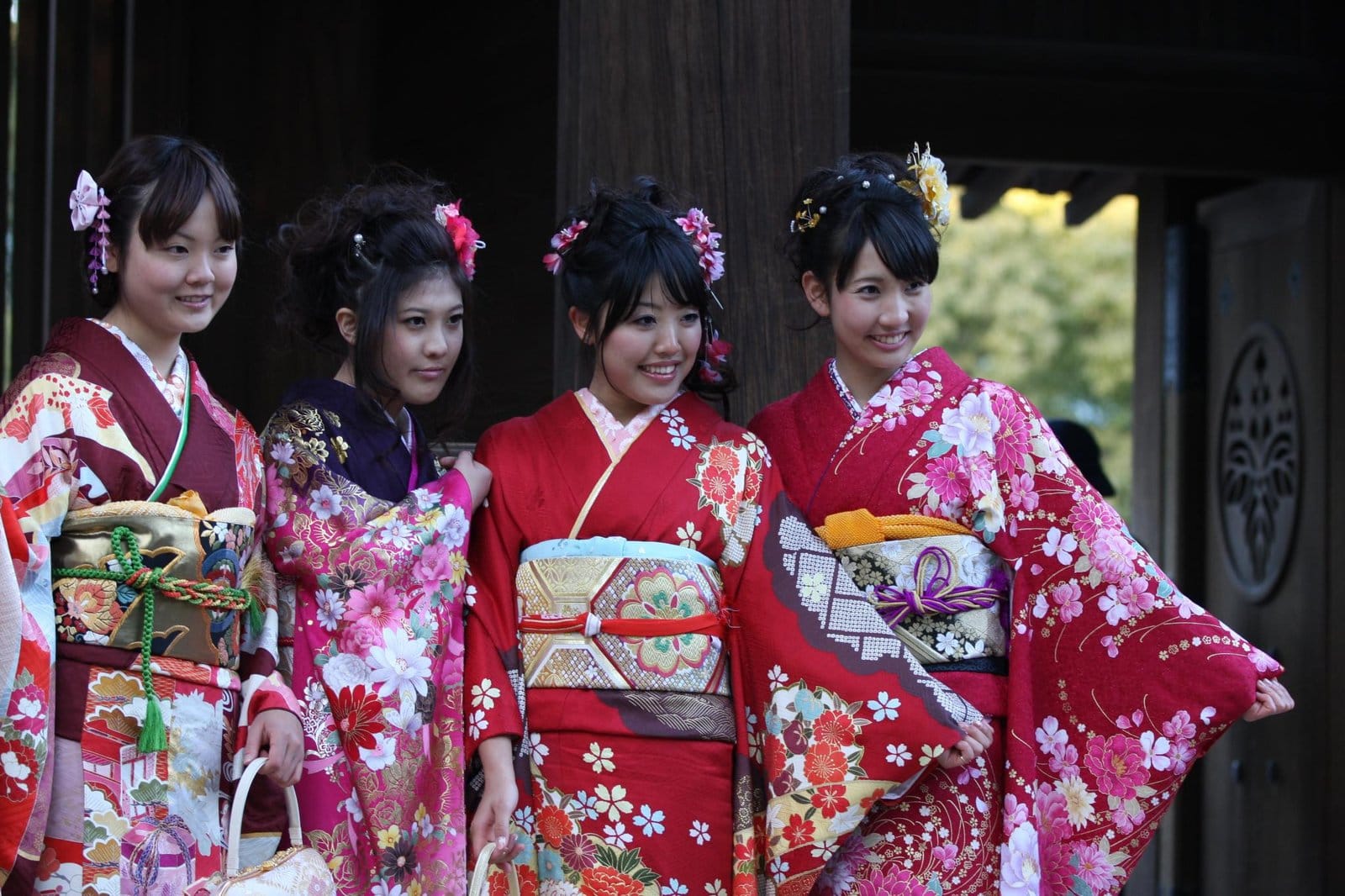
When is the Best Season to Wear Kimono in Japan? Sakura, Autumn Leaves, White Snow, and Summer Yukata
A seasonal guide to wearing kimono in Japan: spring cherry blossoms, autumn foliage, winter snow, and summer yukata festivals, including color coordination tips for each season.
Aug 8, 2026·✍️ olablog·⏱ 7 min read
A seasonal guide to wearing kimono in Japan: spring cherry blossoms, autumn foliage, winter snow, and summer yukata festivals, including color coordination tips for each season.
The Japanese have a wonderful concept to describe their acute awareness of changing seasons: kisetsukan (季節感) — a sensitivity to the subtle shifts of nature throughout the year. Kimono is the ultimate physical manifestation of this sensibility: every season calls for its own fabric, motifs, and color palette. For travelers visiting Japan, this raises an intriguing question: which season is best for wearing a kimono? The short answer is that every season has its own unique charm — but each 'charm' unfolds in a completely different way. This article will guide you through all four seasons, highlighting the best photo spots for each time of year and sharing practical color choices to help you stand out while blending seamlessly into the scenery.
Spring: Kimono Beneath the Sakura Blossoms
Late March to mid-April is the most coveted time of the year for travelers in Japan. Blooming cherry blossoms transform every street, canal bank, and temple yard into a soft pink backdrop — and wearing a kimono in such a setting makes it nearly impossible to take a bad photograph. Spring weather is also ideal: pleasantly cool around 10–20°C (50–68°F), allowing you to layer up comfortable traditional garments without overheating while exploring on foot all day with your IC card like Suica or Pasmo in hand.
When it comes to choosing your kimono colors, there are two distinct styling approaches. The first is 'tone-on-tone': opt for soft pinks, creams, or ivory to harmonize with the blossoms, creating a soft, silk-painting aesthetic. The second is contrast: deep navy blue, bold indigo, or rich burgundy stand out sharply against the pastel pink background — helping you separate clearly from the floral scenery in photos. Sakura patterns on your garment during cherry blossom season are a classic choice; additionally, butterfly and peony motifs capture the spring mood beautifully. The only caveat: this is peak tourist season across Japan, so rental shops book up extremely fast — be sure to reserve your spot as far in advance as possible.
Summer: The Stage for Yukata and Festivals
From June through September, hot and humid weather makes multi-layered silk kimonos feel heavy and impractical — and that is when the yukata (浴衣) takes center stage. Made from a single layer of lightweight cotton, quick to put on, and the cheapest garment to rent (¥4,000 for men and ¥4,500 for women at OlaChill, accessories and tax included), the yukata is the quintessential attire for Japan's summer festivities: riverside fireworks nights, traditional matsuri (festivals) decorated with lanterns and game stalls, and night markets held outside temple gates.
While traditional kimonos offer an elegant and refined beauty, yukatas bring a vibrant, carefree energy. Summer-appropriate colors include cool, refreshing tones: indigo blue, crisp white, mint green, and lavender, paired with motifs like morning glories (asagao), fireworks, goldfish, or water waves. Accessories also change during this season: a round uchiwa fan tucked behind your obi sash, a small fabric kinchaku pouch, and wooden geta sandals worn barefoot. An insider tip: choose an evening with a local fireworks display to wear your yukata — you will naturally blend into the crowd of locals also dressed in traditional wear, giving you an authentic cultural experience far beyond any staged photoshoot.
Autumn: Koyo — The Year’s Most Vibrant Color Palette
From mid-November to early December, maple and ginkgo leaves shift into brilliant shades of red, orange, and yellow. The koyo (紅葉 / autumn leaves) season is regarded by many photographers as the single best backdrop for kimono photos in Japan, even surpassing cherry blossom season due to its deep, rich tones and softer ambient light. Historic temple gardens in 京都(Kyoto), golden ginkgo-lined avenues in city parks, and stone steps dusted with fallen leaves all serve as magnificent, ready-made backdrops.
The crisp autumn weather of 8–18°C (46–64°F) provides perfect conditions for wearing a full, multi-layered kimono — keeping you comfortably warm as you travel between spots using your JR Pass or local trains. For garment colors, autumn pairs best with warm, earthy shades: wine red, terracotta orange, tea brown, mustard yellow, and moss green. If you want to pop against a forest of crimson leaves, try cooler jewel tones like teal or deep plum. Fitting seasonal patterns include maple leaves, large chrysanthemums, pampas grass, and dragonflies — classic symbols of autumn in traditional Japanese art.
Winter: The Serene Beauty of Snow and Uncrowded Streets
Winter is a season few international tourists associate with kimono, making it a true hidden gem. Temples and shrines are blissfully quiet, the air is crisp and clear, and if you are lucky enough to catch falling snow, a dark-toned kimono set against a blanket of white creates a striking, magical scene impossible to recreate at any other time of year. Golden temples like 金閣寺(Kinkakuji Temple) dusted in white snow or the peaceful, snowy stone slopes of 二年坂(Ninenzaka Slope) are magnificent sights reserved strictly for winter travelers.
Rental shops during this season equip you with warm haori (羽織) jackets, faux-fur shawls, and encourage heat-tech thermal innerwear, so cold weather is far less of an issue than you might imagine. The best winter kimono colors are rich, luxurious dark tones: crimson red, navy blue, charcoal black accented with gold patterns, or deep purple — offering maximum contrast against white snow and gray winter skies. Camellia (tsubaki) motifs, plum blossoms, and crane patterns are iconic winter choices. As an added bonus, rental prices and appointment slots during this off-peak season are far more flexible and affordable.
Quick Reference Guide: Matching Kimono Colors by Season
- Spring: Pastel pink, cream, soft blue; sakura and butterfly patterns — best photographed under blossom canopies, along canal banks, and in temple courtyards.
- Summer (Yukata): Indigo blue, crisp white, mint green; fireworks and goldfish motifs — best photographed at summer festivals, night markets, and riverbanks.
- Autumn: Wine red, terracotta orange, moss green; maple leaf and chrysanthemum patterns — best photographed in temple gardens and golden ginkgo avenues.
- Winter: Crimson red, navy blue, gold-accented black; camellia and crane patterns — best photographed in quiet temple yards and snowy landscapes.
A general rule of thumb: if your background is vibrant and colorful (like spring blossoms or autumn leaves), solid colors or subtle, small patterns work best; if the backdrop is muted or dark (like white snow, dark timber architecture, or gray stone paths), bold, rich colors and large, dramatic patterns will truly shine.
Conclusion: The Best Season is Whenever You Arrive
Whether it is romantic sakura, energetic summer yukata, fiery autumn leaves, or quiet winter snow, the kimono has a unique way of shining in every single season. Ultimately, the "best season" is simply whichever one coincides with your trip to Japan. The key is choosing the right type of garment and color palette for that specific time of year; nature in Japan will happily take care of the rest. To get tailored seasonal advice and secure your spot on a clear sunny day, book a plan and a time slot at OlaChill Tokyo Asakusa or OlaChill Kyoto Kiyomizu and visit the OlaChill blog to track blossom forecasts and leaf-peeping schedules for your upcoming adventure.
More from this region — Other
View all →
Matcha Lattes and Parfaits in Japan: Where to Go, What to Order
6 min · culture
Matsue: Japan’s Black Castle and Lake Shinji Sunsets
8 min · destinations
Men's Kimono Rental: Kinagashi or Montsuki Hakama, and When to Wear Each
9 min · culture

Metasequoia Namiki – Japan's Most Breathtaking Tree-Lined Avenue
5 min · tips