
Matcha Lattes and Parfaits in Japan: Where to Go, What to Order
How to find a real matcha latte or parfait in Kyoto, Uji and Tokyo: whisked tea versus sweet mixes, how the layers work, and how to avoid the long queues.
May 4, 2026·✍️ olablog·⏱ 6 min read
How to find a real matcha latte or parfait in Kyoto, Uji and Tokyo: whisked tea versus sweet mixes, how the layers work, and how to avoid the long queues.
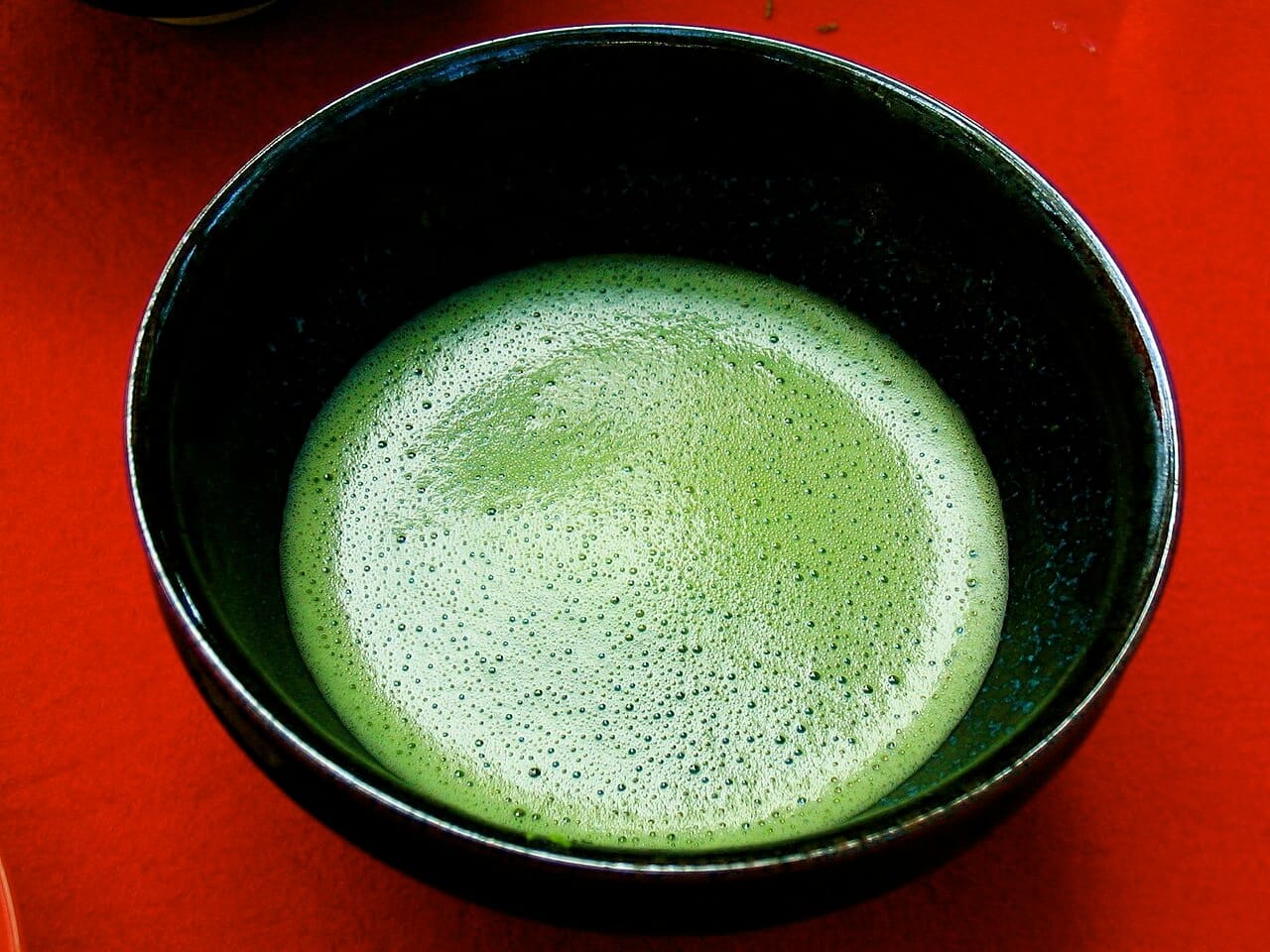
A matcha latte in Japan can mean two quite different drinks. One is made the way a tea shop makes it: powder sifted into a bowl, whisked with hot water until smooth, then poured over milk. The other is a sweet pre-mixed powder stirred into milk by a machine. Only the first tastes of tea, and matcha parfaits show the same split. This guide helps you find the good version of each without half a day in a queue.
What makes a good matcha latte
Start with the colour. Fresh, well-stored matcha turns milk a bright jade green; a dull olive or khaki shade usually means old powder or a mix that is mostly sugar. Then look at the counter. Shops that care about their tea keep a bamboo whisk (chasen) and a bowl near the register and whisk every drink to order. Many say where their tea comes from, most often Uji in Kyoto Prefecture, Nishio in Aichi or Yame in Fukuoka, and some let you choose the strength.
Sweetness is the other thing to watch. Tea shops often serve lattes lightly sweetened or let you add syrup yourself, while chain cafes usually sweeten theirs by default. To taste the tea itself, order a plain bowl of usucha (thin matcha) before or with your latte. A good usucha is creamy, with a savoury, grassy depth rather than a harsh bitterness. For something milder, try a hojicha latte: hojicha is roasted green tea, so it tastes toasty and usually has less caffeine than matcha.
How a Japanese matcha parfait is built
A Japanese parfait is a layered dessert in a tall glass, and the layers are what matter. A typical matcha parfait has matcha ice cream or soft serve, whipped cream, sweet red bean paste (anko), chewy rice-flour dumplings (shiratama) and cubes of tea jelly. It may also include warabi mochi dusted with roasted soybean flour (kinako), and there is often a crunchy layer of cereal or sponge cake near the bottom. The best ones keep bitter and sweet in balance right to the bottom of the glass instead of piling all the tea on top.
The seasons show up in the glass too. Spring brings cherry blossom and strawberry versions, summer adds shaved ice and fruit, and autumn is chestnut season, when many tea cafes pair matcha with sweet Japanese chestnuts. A shop's seasonal special is usually the one the kitchen is proudest of.
Where to go in Kyoto and Uji
Kyoto is the natural home of both desserts, since many old tea merchants also run cafes. In Gion, Saryo Tsujiri, the cafe of the tea merchant Gion Tsujiri on Shijo-dori, has long been known for its tall matcha parfaits, and there is often a queue. On Teramachi-dori, Ippodo's main store has a tearoom where you can sit down with matcha or other teas and taste the difference, a good lesson before you buy powder to take home.
Uji is the town that made Kyoto's tea famous, about 17 minutes from Kyoto Station by JR Nara Line rapid train. Nakamura Tokichi, a tea merchant since the 1850s, runs a cafe near JR Uji Station known for green tea jelly and parfaits, and Itohkyuemon is another long-established name with generous parfaits. Expect a wait at the popular cafes, often managed with numbered tickets, so arriving close to opening time helps. Our Uji matcha guide covers the town's tea history and its other sweets.
Where to go in Tokyo
Tokyo's advantage is choice. Department stores around Tokyo Station and Ginza have branches of Kyoto tea houses. Saryo Tsujiri, for example, has a cafe inside Daimaru Tokyo, which connects directly to Tokyo Station, so you can have a Kyoto-style parfait without going to Kyoto, though it gets busy too. Omotesando and Aoyama are home to newer tea cafes that treat matcha the way specialty coffee shops treat single-origin beans. In Asakusa, near Senso-ji, the tea shop Suzukien sells matcha gelato in several strengths, from mild to very intense, made with Nanaya of Shizuoka. Convenience-store and chain-cafe matcha lattes are fine for a quick fix, but treat them as sweet drinks rather than a taste of tea.
When to go and how to beat the queues
Popular tea cafes fill quickly on weekends and holidays, and early to mid afternoon is the worst time. Weekday mornings just after opening are easiest, and late afternoon is often calmer once day-trippers leave. The longest lines of the year come with the cherry blossoms, Golden Week (late April to early May) and the autumn leaves in November. Many shops use numbered tickets or an online waiting list, so register first and walk around nearby until your number comes up.
In summer, look for matcha kakigori, shaved ice soaked in matcha syrup; the classic Uji kintoki adds sweet red beans. In winter, a hot latte or a bowl of usucha makes a warm break between temples.
Practical tips
- Eat a parfait from the top down and take photos quickly; soft serve and cream collapse fast in a warm room.
- A parfait is filling. If you plan two tea stops in a day, make the second a drink or a bowl of usucha with a small sweet.
- Many cafes ask every guest to order at least one item, so sharing one parfait around a table may not be accepted.
- Buy matcha powder in small tins and keep it sealed, away from light and heat; once opened, colour and aroma fade within weeks.
- Ask before photographing staff whisking tea, and keep your voice low in traditional tearooms.
Plan your trip
For an easy matcha day in Kyoto, start with an early parfait in Gion, spend the afternoon in Uji among the tea shops and Byodo-in, and finish with a tin of powder from a tea merchant. In Tokyo, pair a tea cafe in Omotesando with a gelato stop in Asakusa. For more ideas in both cities, see our guide to matcha cafes and kissaten in Tokyo and Kyoto.
More from this region — Other
View all →
Matsue: Japan’s Black Castle and Lake Shinji Sunsets
8 min · destinations
Men's Kimono Rental: Kinagashi or Montsuki Hakama, and When to Wear Each
9 min · culture

Metasequoia Namiki – Japan's Most Breathtaking Tree-Lined Avenue
5 min · tips
Japan's Southern Alps – A Vast, Untouched Wilderness Most Tourists Never Find
6 min · tips