The Best Matcha Cafes and Kissaten in Tokyo and Kyoto
A curated guide to the best matcha cafes and kissaten in Tokyo and Kyoto: historic machiya townhouses, hand-whisked matcha lattes, and off-peak timing tips for a peaceful experience.
Aug 8, 2026·✍️ olablog·⏱ 6 min read
A curated guide to the best matcha cafes and kissaten in Tokyo and Kyoto: historic machiya townhouses, hand-whisked matcha lattes, and off-peak timing tips for a peaceful experience.
Tap a region to browse articles
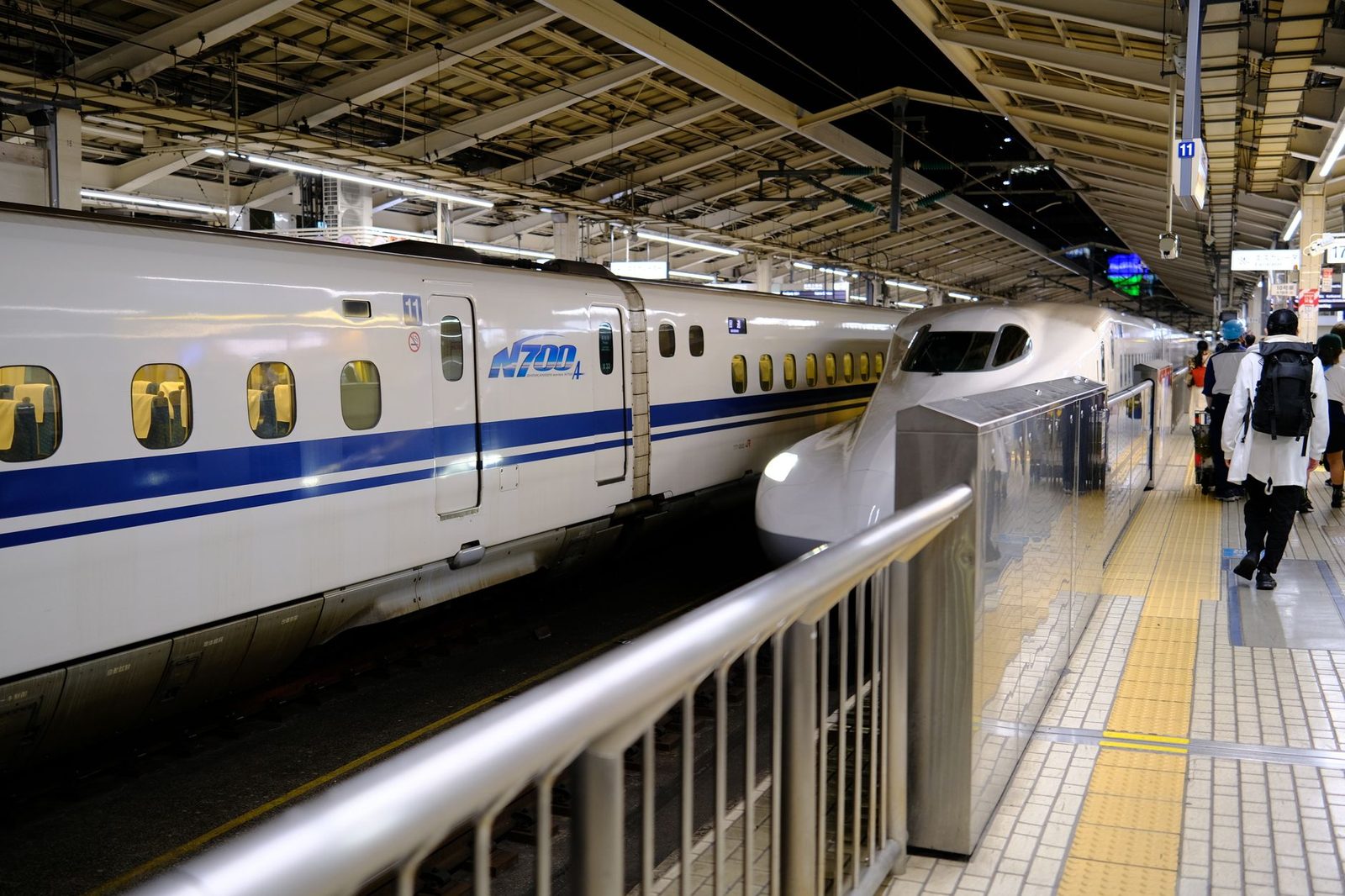
There are two types of establishments in Japan that tempt travelers to linger for an entire afternoon: sleek, studio-lit modern matcha cafes, and kissaten—retro coffee shops dating back to the Showa era (1926–1989), complete with plush velvet seats, warm amber lighting, and a rhythm of time that feels pleasantly suspended. Both serve as perfect rest stops between packed sightseeing itineraries navigated via your Suica or IC card, and when they serve exceptional matcha, it becomes an irresistible combination. Below is a curated map of the most atmospheric spots worth visiting across 東京 (Tokyo) and 京都 (Kyoto), along with pro timing tips to avoid waiting in long lines.
What is a Kissaten and Why Should You Visit?
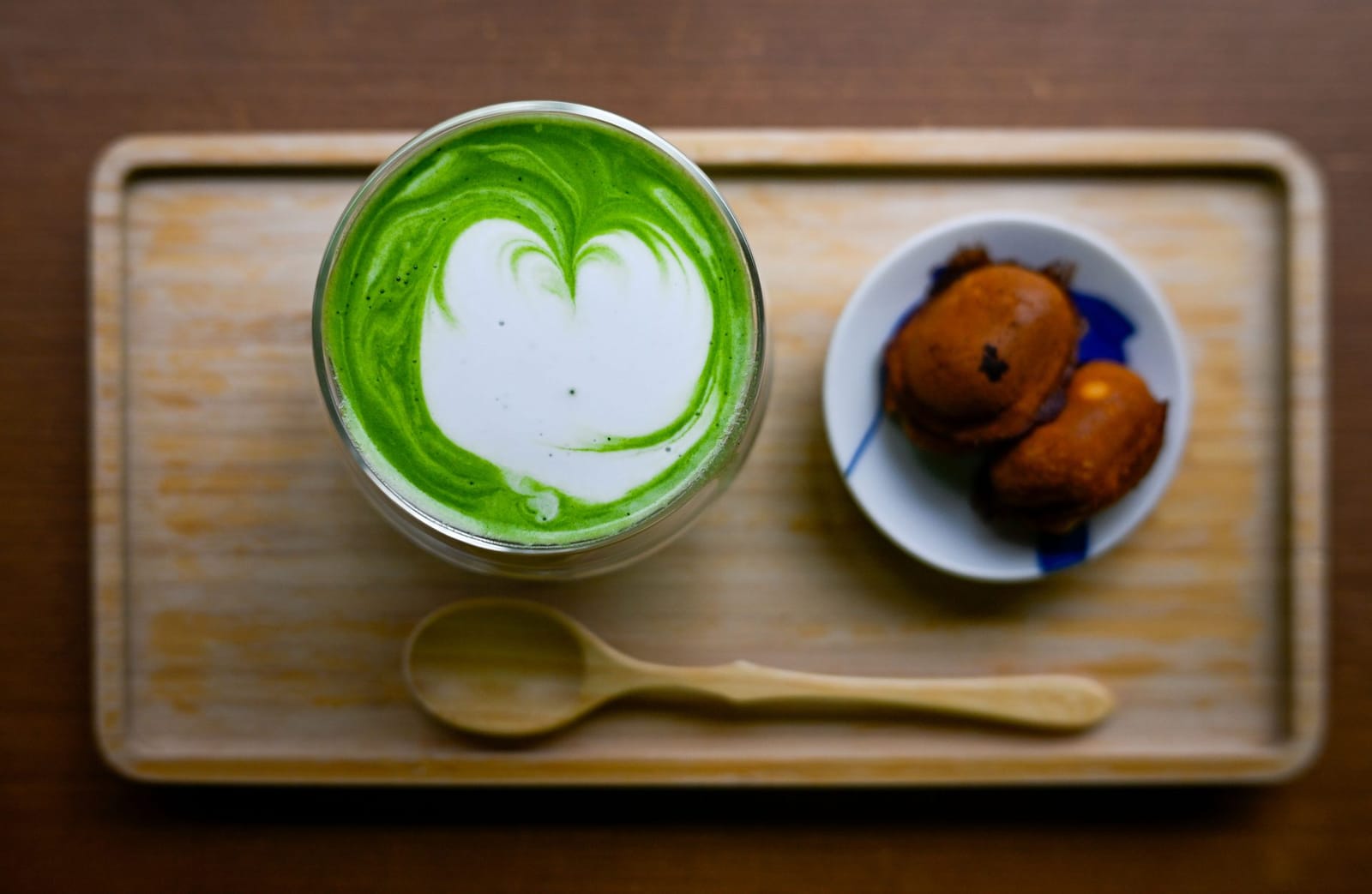
Kissaten (喫茶店 - literally "tea-drinking shop") evolved during the Showa period into the quintessential retro Japanese coffee house. Here, elderly master roasters brew siphon coffee cup by cup, menus feature thick-cut buttered toast and firm caramel custard puddings, and you certainly will not find loud Wi-Fi chatter or wall-to-wall power outlets. Unlike modern coffee chains, kissaten sell "time" far more than mere beverages. Today, many historic kissaten have added matcha lattes and matcha pudding to their offerings—a fascinating crossover between Western coffee house culture and traditional Japanese tea. A drink at a kissaten typically costs around ¥500–¥900 (approx. $3.30–$6.00 USD, based on ~$1 = ¥150), slightly more than corporate chains, but you are welcome to sit as long as you like without anyone ever rushing you out.
Kyoto: Enjoying Matcha inside Historic Machiya Townhouses
京都 (Kyoto) is the ultimate destination to experience matcha within traditional machiya architecture—historic wooden townhouses featuring narrow street fronts, deep layout corridors, and tranquil moss-covered inner courtyards (tsuboniwa). Here are a few recommended areas:
- 祇園 – 東山 (Gion – Higashiyama Area): Head to legendary tea houses such as 辻利 (Tsujiri) or cozy hidden gems tucked away in the stone-paved lanes surrounding 高台寺 (Kodaiji Temple). Sit cross-legged on traditional tatami mats, gaze out at a Japanese garden, and sip a bowl of ceremonial usucha (thin matcha) paired with seasonal wagashi sweets (a set costs roughly ¥1,000–¥1,500 / approx. $6.70–$10.00 USD).
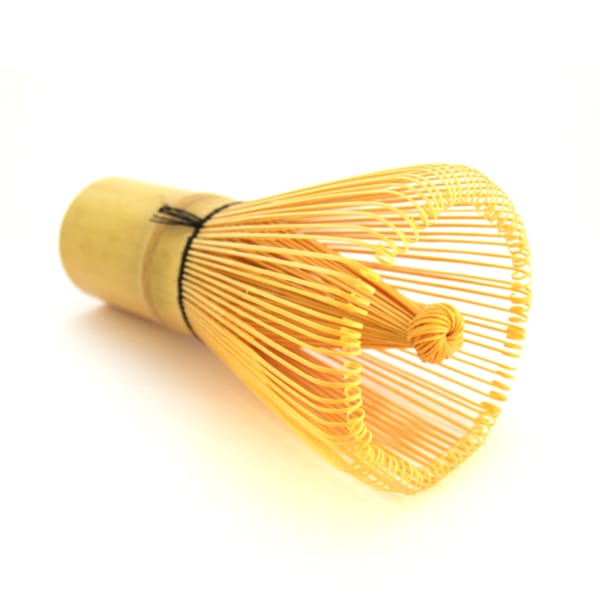
- Around 錦市場 – 烏丸 (Nishiki Market – Karasuma): Numerous renovated machiya now house minimalist, design-forward cafes. Here, staff whisk your matcha latte by hand using a bamboo chasen right before your eyes before pouring milk—a world away from pre-mixed syrup drinks.
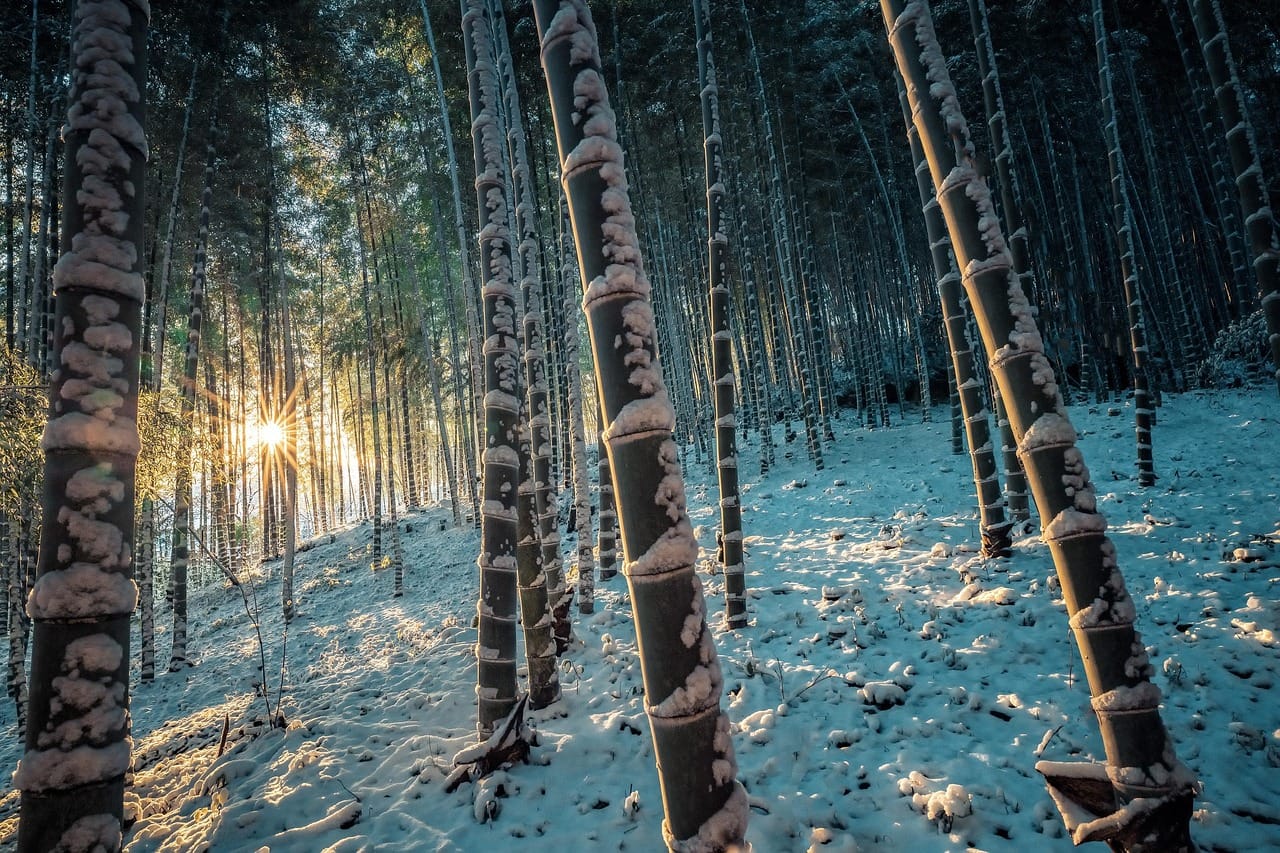
- 嵐山 (Arashiyama): After exploring the iconic bamboo grove, seek out cafes along the 桂川 (Katsura River); your cup of matcha tastes undeniably better accompanied by the sweeping scenic backdrop.
In Kyoto, atmospheric spots are often intimate, seating only 10 to 20 guests. Therefore, the best strategy is to arrive right when they open in the morning or after 4:00 PM (16:00) when large tour groups have already cleared out.
Tokyo: From Showa-Era Kissaten to Next-Gen Matcha Cafes
東京 (Tokyo) offers the full spectrum of tea and coffee culture. If you crave a nostalgic atmosphere, wander through historic neighborhoods like 神保町 (Jimbocho), 上野 (Ueno), 浅草 (Asakusa), and 谷中 (Yanaka)—hubs of decades-old kissaten where you can order a warm matcha au lait alongside thick buttered toast while vintage vacuum-tube speakers play soft jazz in the background. For a modern take, trendy districts like 表参道 (Omotesando), 青山 (Aoyama), and 蔵前 (Kuramae) host specialty green tea cafes operating much like single-origin coffee roasters. You can select your tea leaves by region (such as 宇治/Uji, 八女/Yame, or 西尾/Nishio), and baristas hand-whisk each bowl to order for about ¥700–¥1,400 per serving (approx. $4.70–$9.30 USD). Kuramae—often dubbed the "Brooklyn of Tokyo" and easily accessible via local subway lines or your JR Pass routes—is ideal for discovering artisan micro-cafes nestled alongside craft workshops along the 隅田川 (Sumida River).
Hand-Whisked vs. Standard Matcha Lattes: What's the Difference?
A proper, high-quality matcha latte starts with finely sifted green tea powder whisked vigorously with hot water using a bamboo chasen until fully dissolved and froth-capped, before steamed hot milk or ice is added. This traditional method preserves the natural umami depth, gentle sweet finish, and vibrant jade green color of the tea. In contrast, "industrial" commercial versions made from pre-mixed sugary powders or artificial matcha syrups taste aggressively sweet and artificially flavored. Telling signs of a dedicated tea cafe include menus specifying the tea's geographic origin, options to customize strength levels, and the visible presence of bamboo whisk tools at the counter. If they offer oat milk alternatives or houjicha (roasted green tea) lattes, that is an even stronger sign that you have found true tea connoisseurs.
Timing Your Visit: Secrets from Frequent Travelers
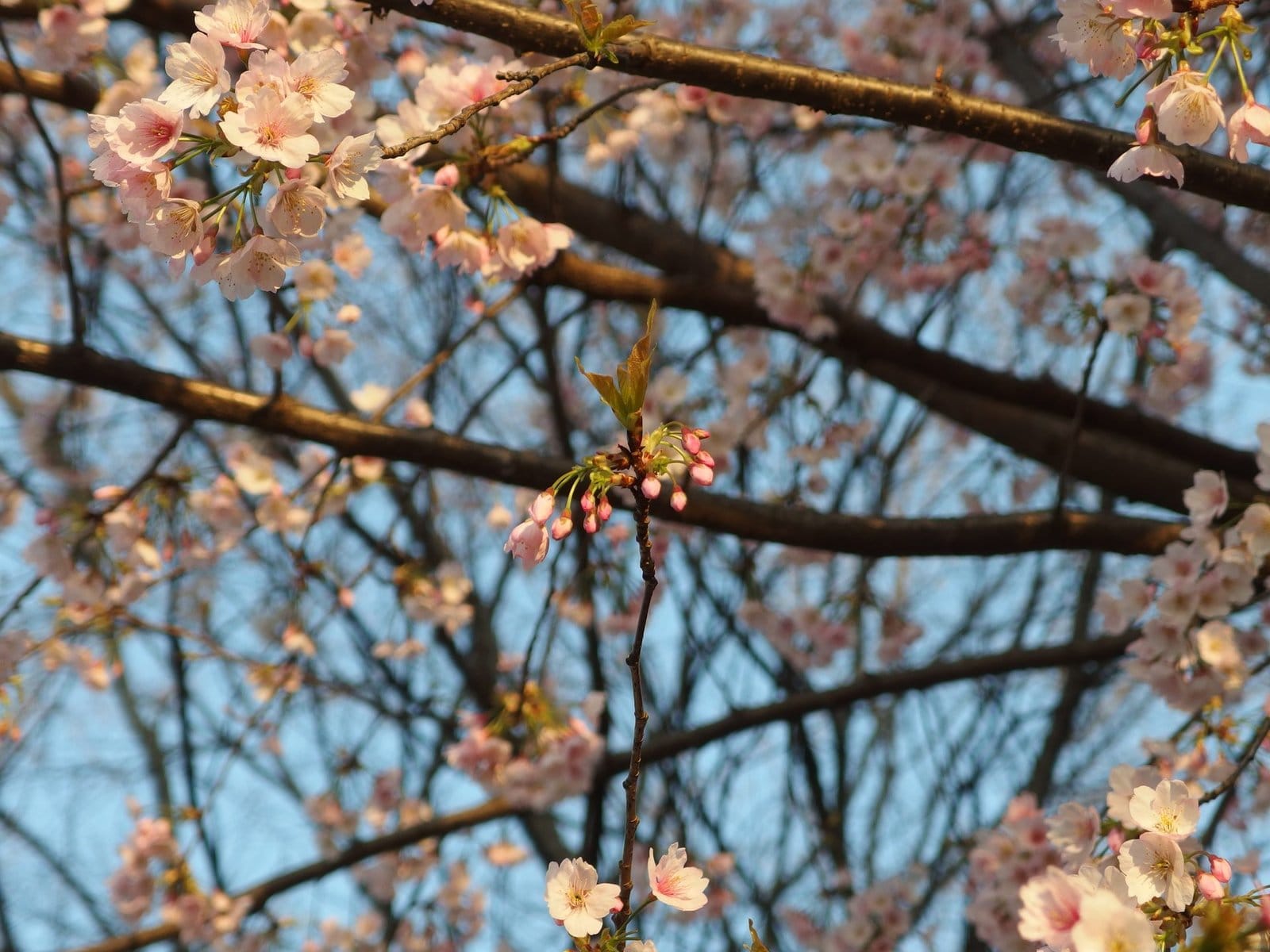
A golden rule applies across both cities: 9:00–11:00 AM on weekdays is the ideal window—cafes have just opened, ingredients are fresh, and most tourists are busy visiting shrines or temples. The period after 4:30 PM (16:30) is equally pleasant as tour groups leave central areas. Be sure to avoid the peak hours of 1:00–3:00 PM (13:00–15:00) on weekends, especially in 祇園 (Gion) and 表参道 (Omotesando), where lines can easily stretch over an hour. During peak cherry blossom (spring) and autumn foliage seasons, factor in an extra 30–50% waiting time everywhere you go. Note that many independent spots close on Tuesdays or Wednesdays, so double-check opening days on map apps before tapping your Suica card and traveling across town.
An Afternoon Well Spent
Amidst a busy travel schedule across Japan, intentionally "wasting" an afternoon inside a cozy tea house is deeply rewarding: no rigid itineraries, no step counting, just a steaming bowl of fresh matcha and the ambient murmur of city life drifting through wooden window frames. These unhurried moments often turn out to be the most cherished memories of your trip. If you are looking for a balanced itinerary combining iconic sights with peaceful downtime like this, check out our OlaChill Japan Tours or read more Tokyo–Kyoto culinary tips on the OlaChill Blog.