
Kyoto Temples with Beautiful Goshuin and a One-Day Stamp Itinerary
Discover Kyoto's best temples and shrines for collecting beautiful goshuin stamps: Fushimi Inari, Kiyomizu-dera, Kinkakuji, Yasaka, plus a practical 1-day walking itinerary.
Aug 8, 2026·✍️ olablog·⏱ 7 min read
Discover Kyoto's best temples and shrines for collecting beautiful goshuin stamps: Fushimi Inari, Kiyomizu-dera, Kinkakuji, Yasaka, plus a practical 1-day walking itinerary.
Tap a region to browse articles
If a goshuin (御朱印) is a traveler's pilgrimage journal, Kyoto (京都) is undoubtedly the finest place to write its most exquisite pages. Japan's ancient capital boasts an extraordinary density of sacred sites, many famous for dynamic calligraphy, unique red seals, and captivating seasonal limited editions that fascinate collectors worldwide. Best of all, key highlights sit close enough together that you can build an enviable collection in a single day by pairing atmospheric walking routes with brief transit rides. This guide highlights the most rewarding shrines and temples for goshuin in Kyoto and details a seamless one-day itinerary.
伏見稲荷大社 (Fushimi Inari Taisha Shrine): A Radiant Start with the Fox Deity Stamp
Japan's iconic sanctuary of thousands of vermilion torii gates provides the ultimate starting point for a goshuin-collecting day. The stamp from 伏見稲荷大社 (Fushimi Inari Taisha Shrine) features energetic calligraphy paired with the red seal of the head grand shrine dedicated to Inari—the deity of agriculture and prosperity associated with divine fox messengers (kitsune). Remarkably, in addition to the main hall stamp, visitors willing to hike up the mountain trail can collect additional unique stamps at upper sanctuaries—a satisfying reward for active feet. The temple grounds remain open 24/7, making early arrival ideal; get there before 8:00 AM to photograph the quiet torii pathways before lining up right as the stamp window opens around 8:00–8:30 AM. Stamp fees are standard at ¥300–¥500 ($2–$3.50 USD). Access is easy via the JR Nara Line using your JR Pass or tapping an IC card like Suica or ICOCA.
清水寺 (Kiyomizu-dera Temple): Calligraphy Above Ancient Higashiyama Slopes
Perched dramatically on a hillside with its historic wooden veranda, this world-renowned sanctuary stands as an enduring emblem of Kyoto, and its goshuin is equally famous. Master calligraphers here write the title of Kannon (Guanyin), the principal deity honored in the main hall, using bold, ink-rich brushstrokes prized by collectors. Because the complex features several stamp counters, attentive visitors can leave with multiple unique pages in a single visit. Approaching the temple via historic stone slopes like 二年坂 (Ninenzaka) and 三年坂 (Sannenzaka) offers one of the city's finest strolls—allowing you to collect stamps while taking in traditional architecture.
八坂神社 (Yasaka Shrine): Iconic Stamp in the Heart of Gion
Standing at the entrance of the famous 祇園 (Gion) geisha district, 八坂神社 (Yasaka Shrine) honors the deity celebrated during the grand Gion Matsuri festival every July. The goshuin at Yasaka bears a distinctive crest seal unique to the shrine, alongside special limited-edition stamps issued during festival seasons. Its location is exceptionally convenient: the grand West Gate opens directly onto Gion's central intersection, while the rear connects directly to 円山公園 (Maruyama Park). Although shrine grounds stay open all night, stamp counters operate during standard day business hours, so plan a daytime visit.
金閣寺 (Kinkaku-ji / Golden Pavilion): A Radiant Stamp from the Golden Temple
The world-famous Golden Pavilion provides a goshuin marked by the elegant, flowing calligraphy characteristic of the Rinzai Zen tradition. For many travelers, having a page stamped in sight of the glittering golden structure reflected in the pond makes a treasured keepsake. Another charming feature of 金閣寺 (Kinkaku-ji) is that your admission ticket comes as a calligraphy paper amulet (ofuda)—placing this alongside your stamped page creates a matching pair of keepsakes. Located in northwestern Kyoto away from the eastern 東山 (Higashiyama) area, reaching it requires a short city bus ride or a 30–40 minute taxi ride (around ¥2,000–¥3,000 / $13–$20 USD) from downtown.
Additional Temples and Shrines Worth Adding to Your Book
- 知恩院 (Chion-in Temple): The head temple of Jodo Buddhism features one of Japan's grandest wooden Sanmon gates; its solemn goshuin calligraphy is held in high regard, and its position next to 円山公園 (Maruyama Park) allows for easy route integration.
- 高台寺 (Kodai-ji Temple): Built in memory of warlord Toyotomi Hideyoshi by his wife Nene, this temple frequently offers unique seasonal goshuin art alongside special evening illumination events.
- 建仁寺 (Kennin-ji Temple): Kyoto's oldest Zen temple sits right at the edge of 祇園 (Gion), famous for its monumental ceiling painting of twin dragons; its goshuin features bold, expressive Zen calligraphy.
- 平安神宮 (Heian Jingu Shrine): Marked by a giant vermilion torii gate and expansive white gravel courtyard, its seal bears the emblem of the historic Heian Imperial Palace.
- 銀閣寺 (Ginkaku-ji / Silver Pavilion): If extending your eastern route north along 哲学の道 (Philosopher's Path / Tetsugaku-no-michi), the Silver Pavilion's stamp serves as the perfect counterpart to 金閣寺 (Kinkaku-ji) in your stamp book.
1-Day Itinerary: Higashiyama Walking Tour + Short Transit
This balanced daily schedule helps you collect 5–6 stamps in a single day while blending walking with convenient transport:
- 7:30 AM – 伏見稲荷大社 (Fushimi Inari Taisha Shrine). Board a short JR Nara Line train from 京都駅 (Kyoto Station) to 稲荷駅 (Inari Station) (covered by JR Pass). Photograph the uncrowded torii gates early, offer a prayer, and present your book when the stamp counter opens around 8:00–8:30 AM.
- 9:30 AM – Transit to Kiyomizu. Take a short train toward central Kyoto, then transfer to a city bus or taxi toward the base of the temple hill (tap your Suica or ICOCA IC card for easy payment). Purchase a dedicated goshuincho (stamp notebook) here if you don't have one yet—major temple designs feature beautiful woven fabric covers.
- 10:00 AM – 清水寺 (Kiyomizu-dera Temple). Pay respects, receive your stamp, and admire panoramic Kyoto views from the wooden balcony.
- 11:30 AM – Stroll Down 三年坂 (Sannenzaka) & 二年坂 (Ninenzaka). Enjoy lunch along historic lanes featuring local fresh tofu (yudofu) or soba noodles; stop at 高台寺 (Kodai-ji Temple) along the way for an extra stamp.
- 1:30 PM – 八坂神社 (Yasaka Shrine) & 円山公園 (Maruyama Park). Obtain your stamp at 八坂神社 (Yasaka Shrine) and relax under shaded trees; visit neighboring 知恩院 (Chion-in Temple) if you wish to add another page.
- 2:30 PM – Explore 祇園 (Gion). Walk down 花見小路 (Hanamikoji Street) and along the picturesque 白川 (Shirakawa Canal); stop at 建仁寺 (Kennin-ji Temple) at the end of the street to collect a Zen temple stamp.
- 3:30 PM – 金閣寺 (Kinkaku-ji / Golden Pavilion). Catch a taxi or bus to the northwest district (budget extra travel time for peak afternoon transit). Collect your stamp before counters close, then take time to view the golden pavilion gleaming in late afternoon sunlight.
- 5:00 PM – Wrap Up. Head back to central Kyoto, grab a coffee, and open your goshuincho to admire your complete day of hand-written treasures.
Essential Tip: Goshuin offices typically close around 4:00 PM to 4:30 PM, earlier than general site entry gates, so always make receiving your stamp an immediate priority upon arrival rather than waiting until the end of your visit. Keep a stash of ¥100 and ¥500 coins handy throughout the day, and follow standard temple etiquette: offer a prayer at the main shrine or hall first before asking for a stamp.
Conclusion: One Day, One Book, a Thousand Years of Ancient Capital History
Collecting goshuin in Kyoto is a rewarding way to practice slow travel: instead of rushing past famous landmarks for a quick photo, you have a meaningful reason to pause at every site, offer a prayer, watch calligraphers work with precise brushstrokes, and take home a personalized piece of living tradition. Following this 1-day itinerary, your stamp notebook will capture a unique story stretching from vermilion gates to quiet golden reflections. For a hassle-free journey across Kyoto with expert guidance, check out OlaChill's Japan Tours, or explore more helpful guides on the OlaChill Blog before planning your trip.
More from this region — Kyoto, Nara & Kansai
View all →
Solo Travel in Japan: The Ultimate Guide from Tokyo to Kyoto
9 min · experiences

Fushimi Inari in Kimono: Torii Tunnels, Crowd-Free Hours and Walking in Zori
6 min · culture
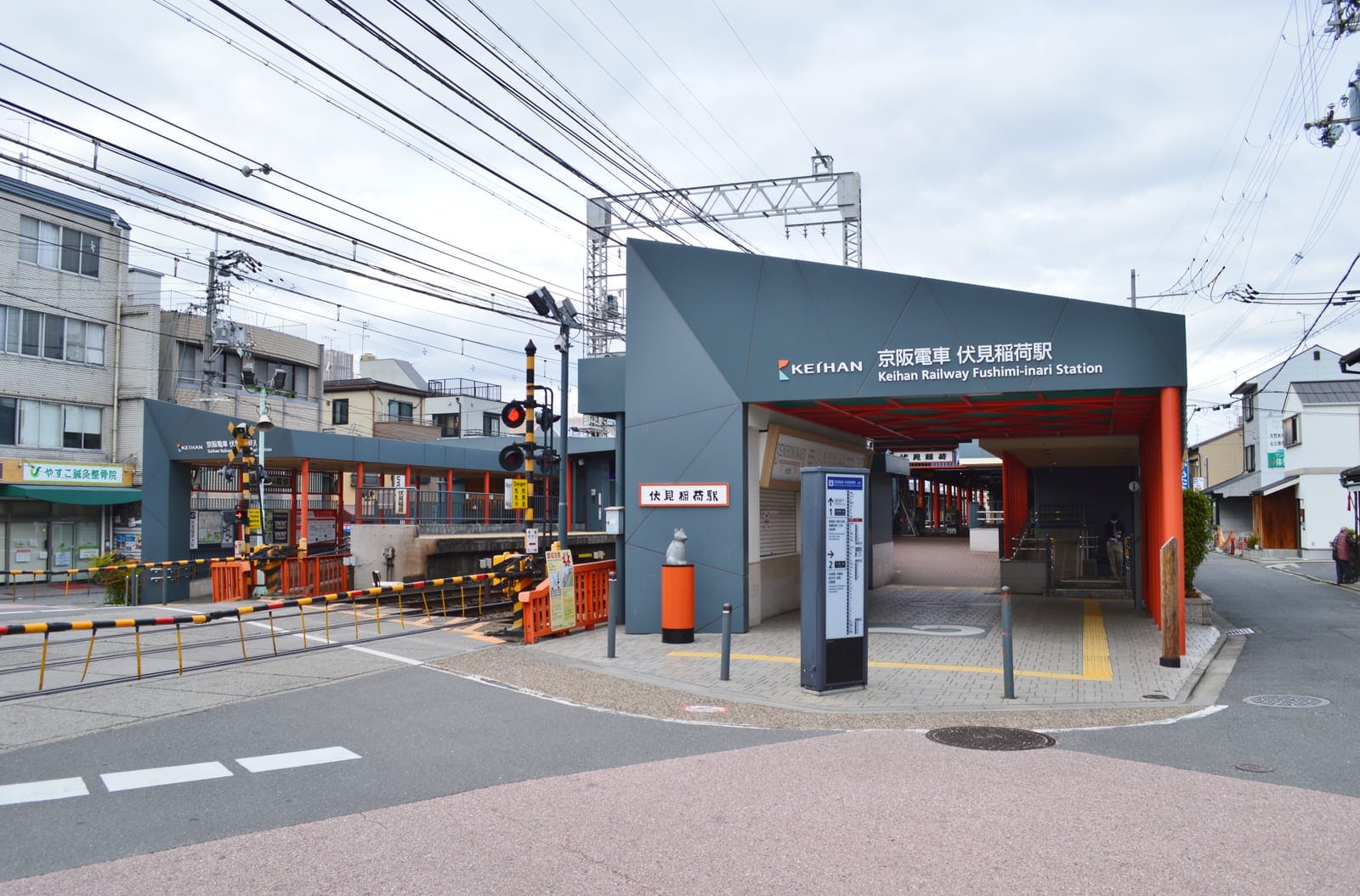
Fushimi Inari at 6 AM — How to Photograph 10,000 Torii Gates With No One in the Shot
3 min · destinations
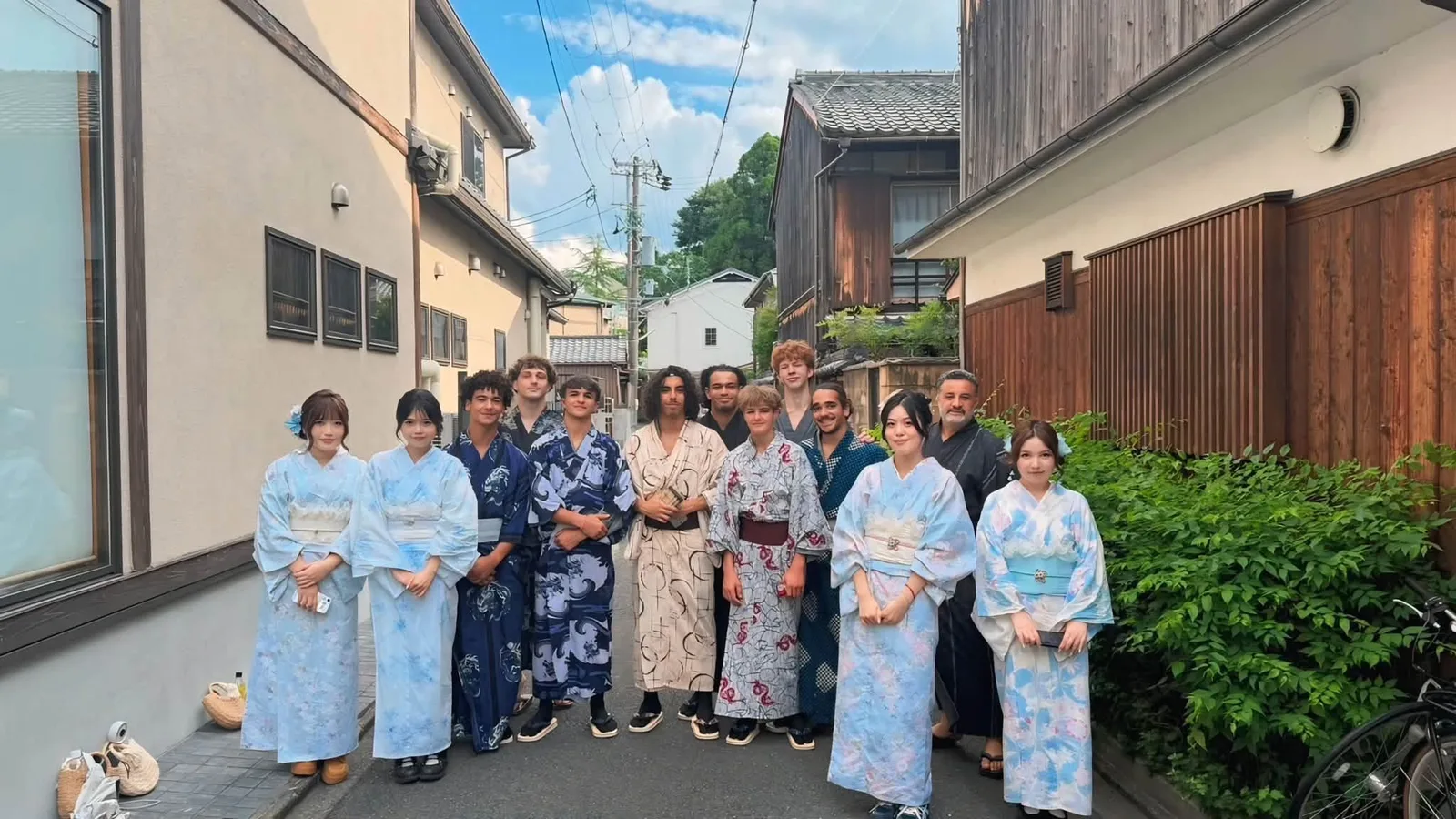
Gion Matsuri in Kimono: Yoiyama Nights, Float Routes and Where to Change
7 min · culture