
Fushimi Inari at 6 AM — How to Photograph 10,000 Torii Gates With No One in the Shot
The practical guide to visiting Fushimi Inari before sunrise: how early is early enough, the optimal route, the best photo spots, and how to be back in Kyoto in time for breakfast.
Apr 8, 2026·✍️ olablog·⏱ 3 min read
The practical guide to visiting Fushimi Inari before sunrise: how early is early enough, the optimal route, the best photo spots, and how to be back in Kyoto in time for breakfast.
Tap a region to browse articles
Why You Need to Be There by 6 AM
Fushimi Inari Taisha (伏見稲荷大社) is one of the most visited sites in all of Japan — after 8 AM, getting a crowd-free shot of the iconic torii tunnel is basically a pipe dream. The fix: arrive before 7 AM, ideally right at 6.
The good news: the shrine is open 24/7 and completely free to enter — no tickets, no reservations, no excuses.
Getting There from Central Kyoto
- JR Nara Line: Kyoto Station → Inari Station (2 stops, ~5 min, ~$1). The shrine is a 3-minute walk from the platform.
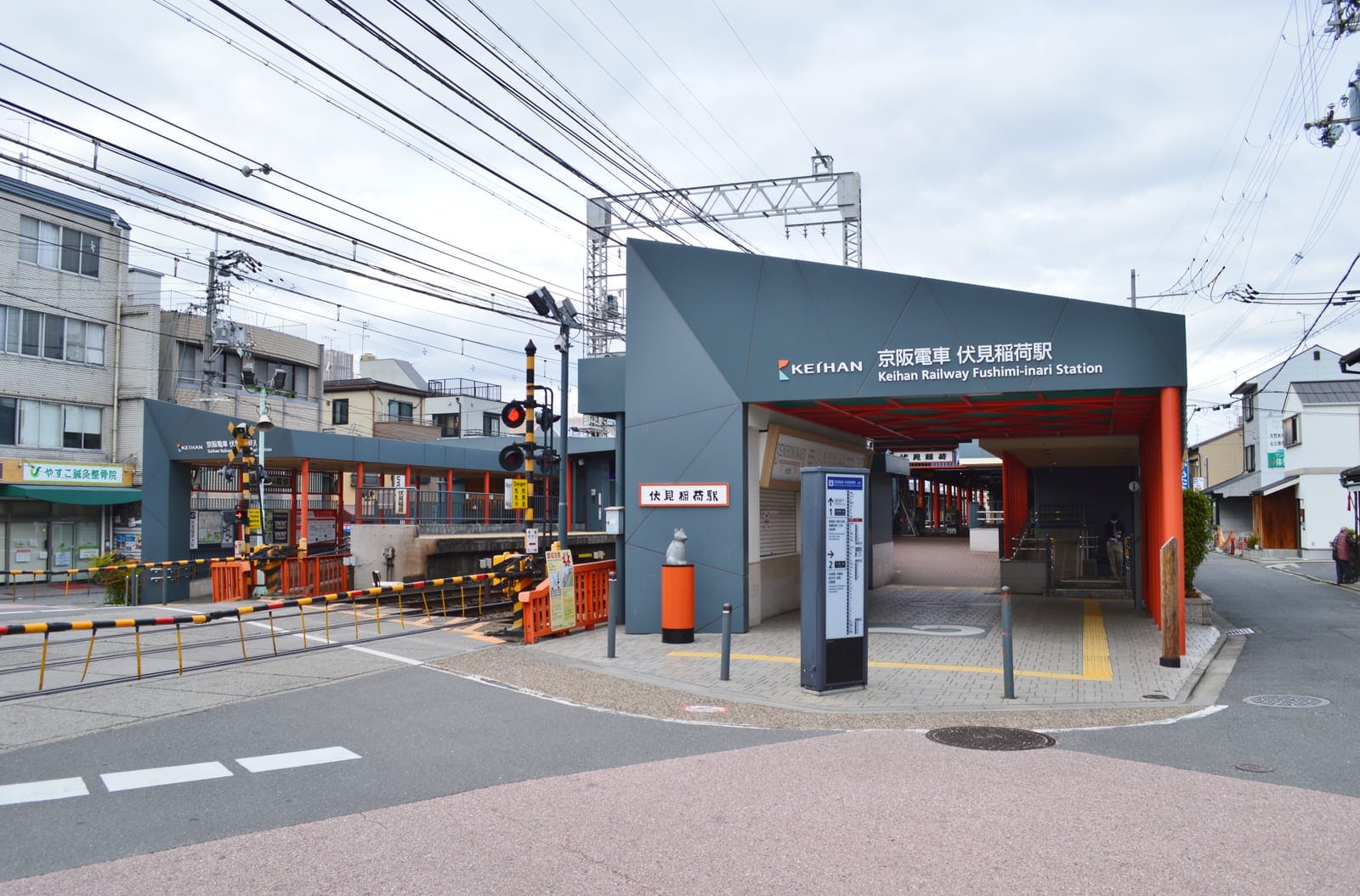
- Keihan Line: Sanjo → Fushimi-Inari Station (~10 min, ~$1.50)
- Taxi from Gion: ~$10–14
The first JR train departs Kyoto Station at 5:30 AM — you'll be walking under the first torii by 5:40. If you have an IC card (Suica or ICOCA), just tap in and go.
The Optimal 6:00–8:00 AM Route
- 6:00 AM — Romon Gate (大門): the blazing-red main entrance. Your first hero shot.
- 6:15 AM — Enter Senbon Torii (千本鳥居): the famous tunnel of thousands of vermilion gates. Almost entirely yours at this hour.
- 6:45 AM — Yotsutsuji Intersection (四つ辻): a rest point roughly halfway up with a sweeping panorama over Kyoto — stunning at sunrise.
- 7:30 AM — Head back down. Tour groups start arriving around now; you'll be walking past them on your way out.
- 8:00 AM — Back in Kyoto for breakfast. Well earned.
The Best Photo Spots
- Inside the Senbon Torii tunnel — shoot straight down the corridor around 6:30 AM when early light filters between the gates
- Behind the torii row — face back toward the gates to capture the black kanji inscriptions on the red pillars
- Kitsune (fox) statues — tucked throughout the smaller sub-shrines along the path; easy to miss if you're rushing
- Yotsutsuji viewpoint — the classic elevated cityscape shot, best while the sky is still glowing
Photography Tips
- Wear comfortable walking shoes — you're looking at roughly 2.5 miles of walking with steady elevation gain
- Go wide — a 24mm lens (or equivalent) lets you capture the full gate-framing-sky effect
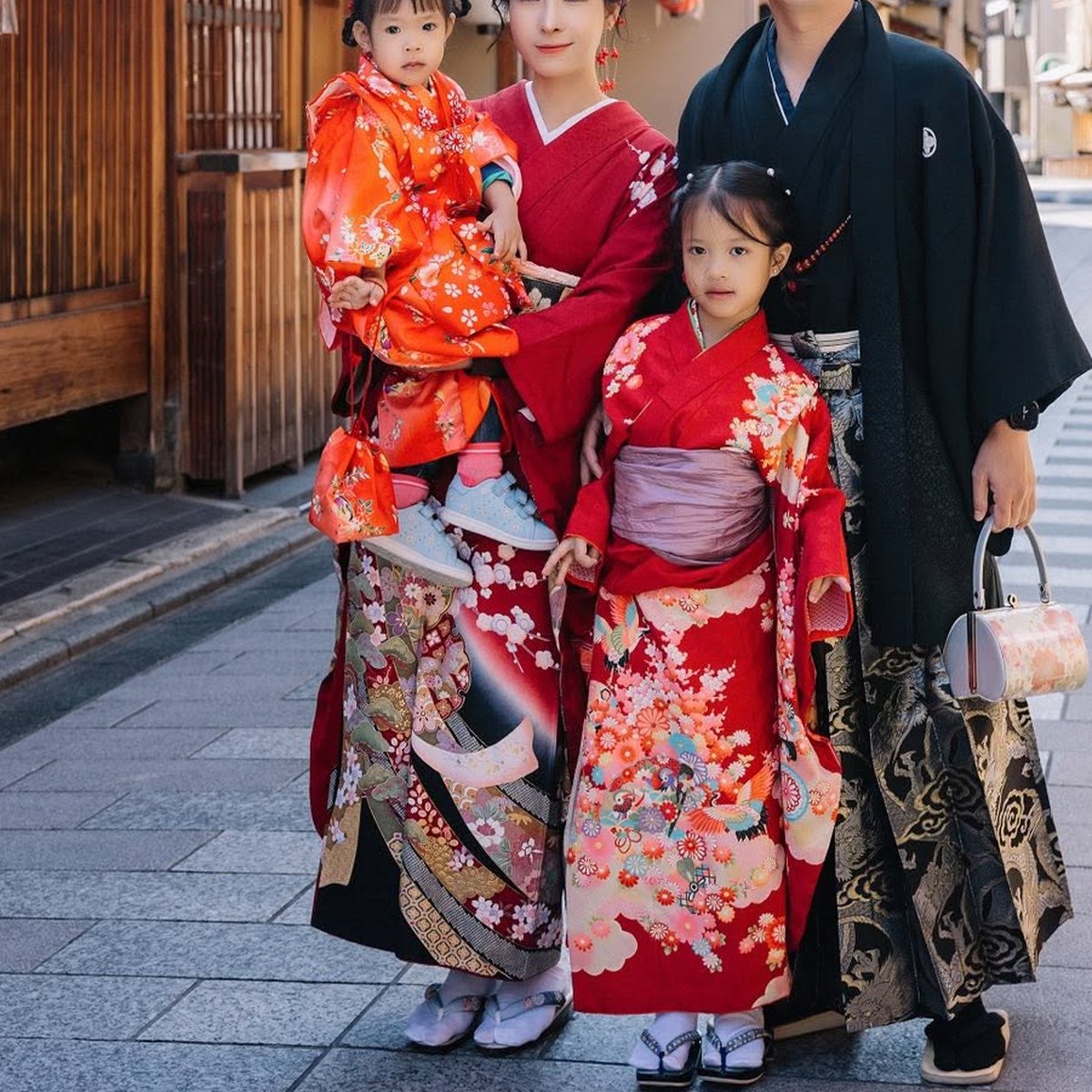
- Kimono rental (available across Kyoto from ~$20) makes for stunning portraits — just know that hiking a mountain in a kimono is a commitment
- Bring a small flashlight or use your phone torch if you're visiting in winter, when 6 AM is still pitch dark
Making a Full Day of It
You'll be back in Kyoto by 8 AM with the whole day ahead:
- 9:00 AM — Breakfast near Kyoto Station (the Isetan food hall on the 11th floor is excellent)
- 10:00 AM — Arashiyama Bamboo Grove via the JR Sagano Line
- 2:00 PM — Gion and Pontocho for afternoon wandering
- 6:00 PM — Kaiseki dinner (book ahead — this is Kyoto)
Practical Notes
- No ATMs near the shrine — carry cash if you're planning to grab a taxi back
- Restrooms are available at the Romon Gate and at Yotsutsuji
- Food stalls along the approach don't open until around 9 AM, so eat before you go
Visiting as a Group
If you're traveling with a group of 10 or more and don't want to deal with early-morning train logistics, chartering a private bus from your hotel is worth considering — typically around $200–330 one-way for a 26-seat coach.
More from this region — Kyoto, Nara & Kansai
View all →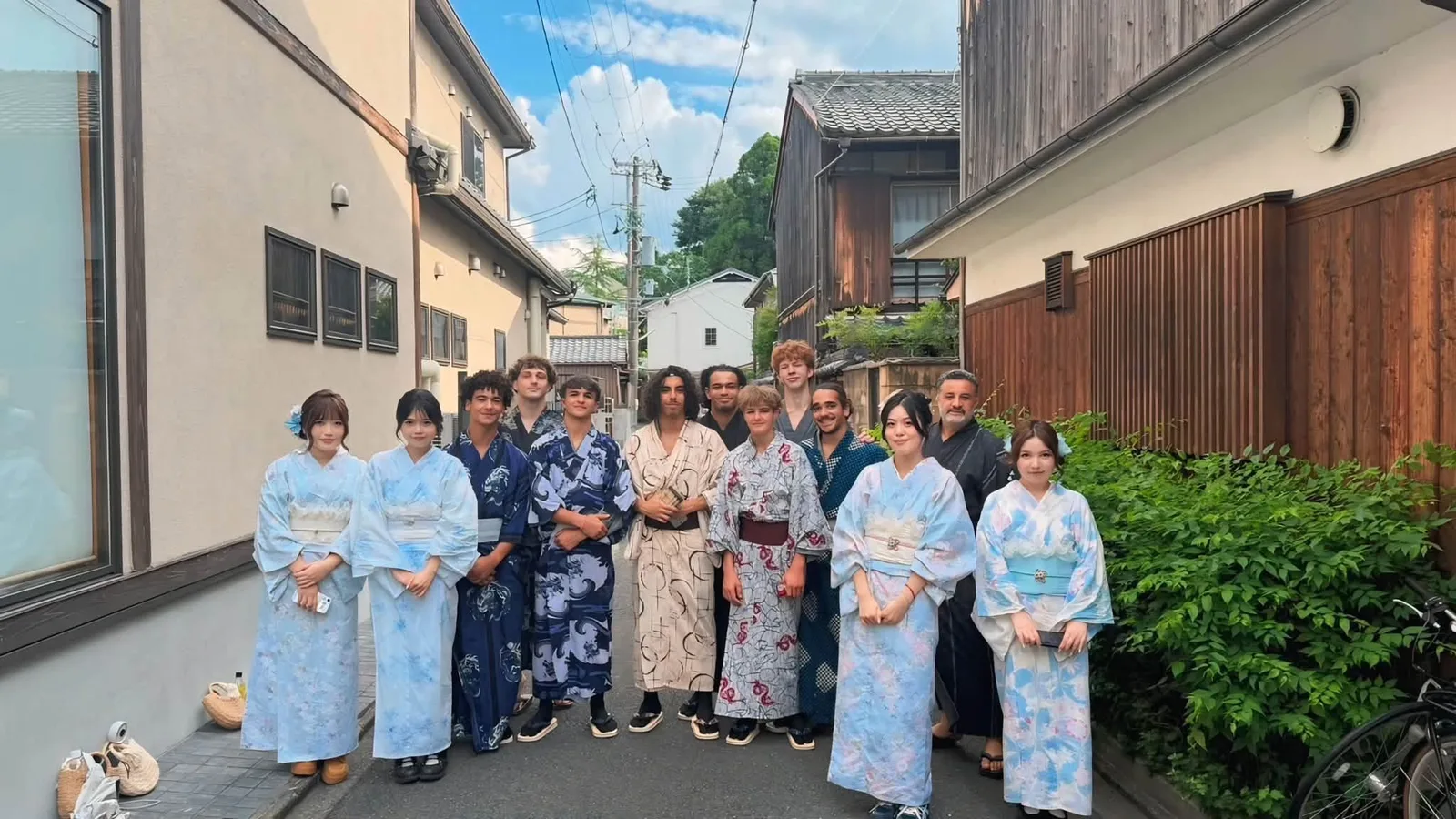
Gion Matsuri in Kimono: Yoiyama Nights, Float Routes and Where to Change
7 min · culture
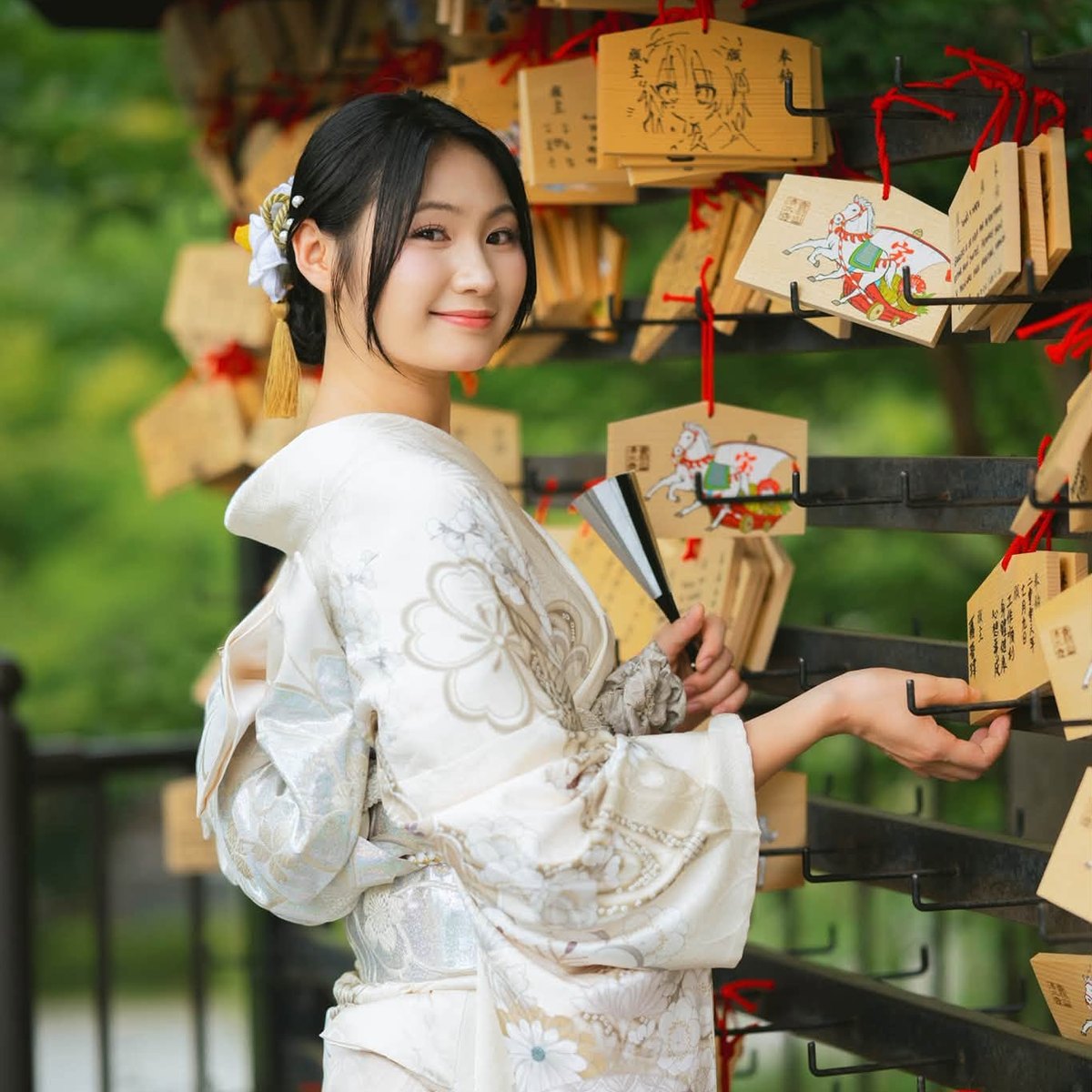
Hatsumode in Kimono: First Shrine Visit of the Year in Asakusa and Kyoto
7 min · culture
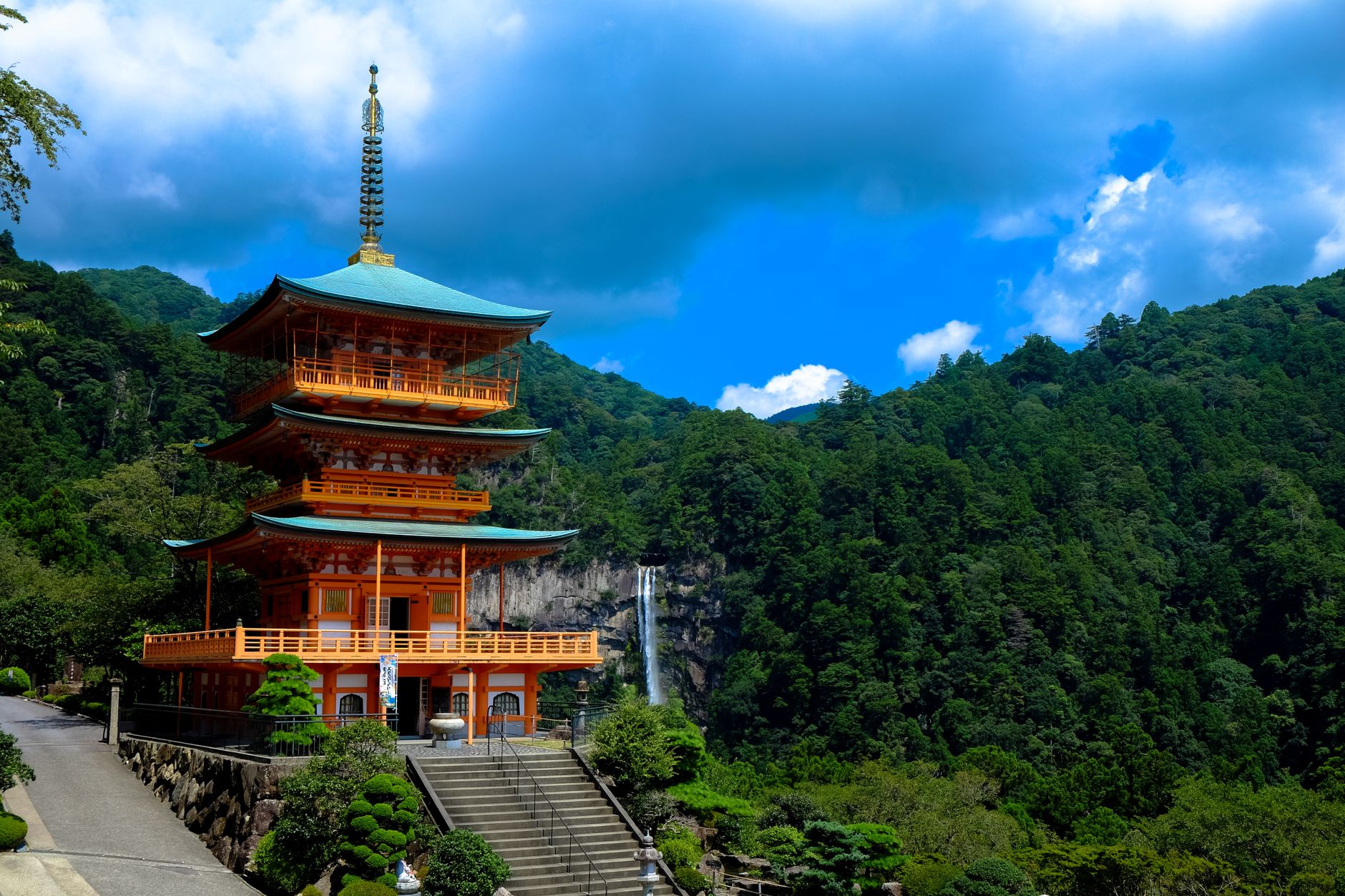
Kumano Kodo Guide: Nakahechi Route, Shrines and Seasons
5 min · experiences
Hina Matsuri in Kimono: Doll Displays, Sweets and a Spring Kimono Walk in Kyoto
6 min · culture