
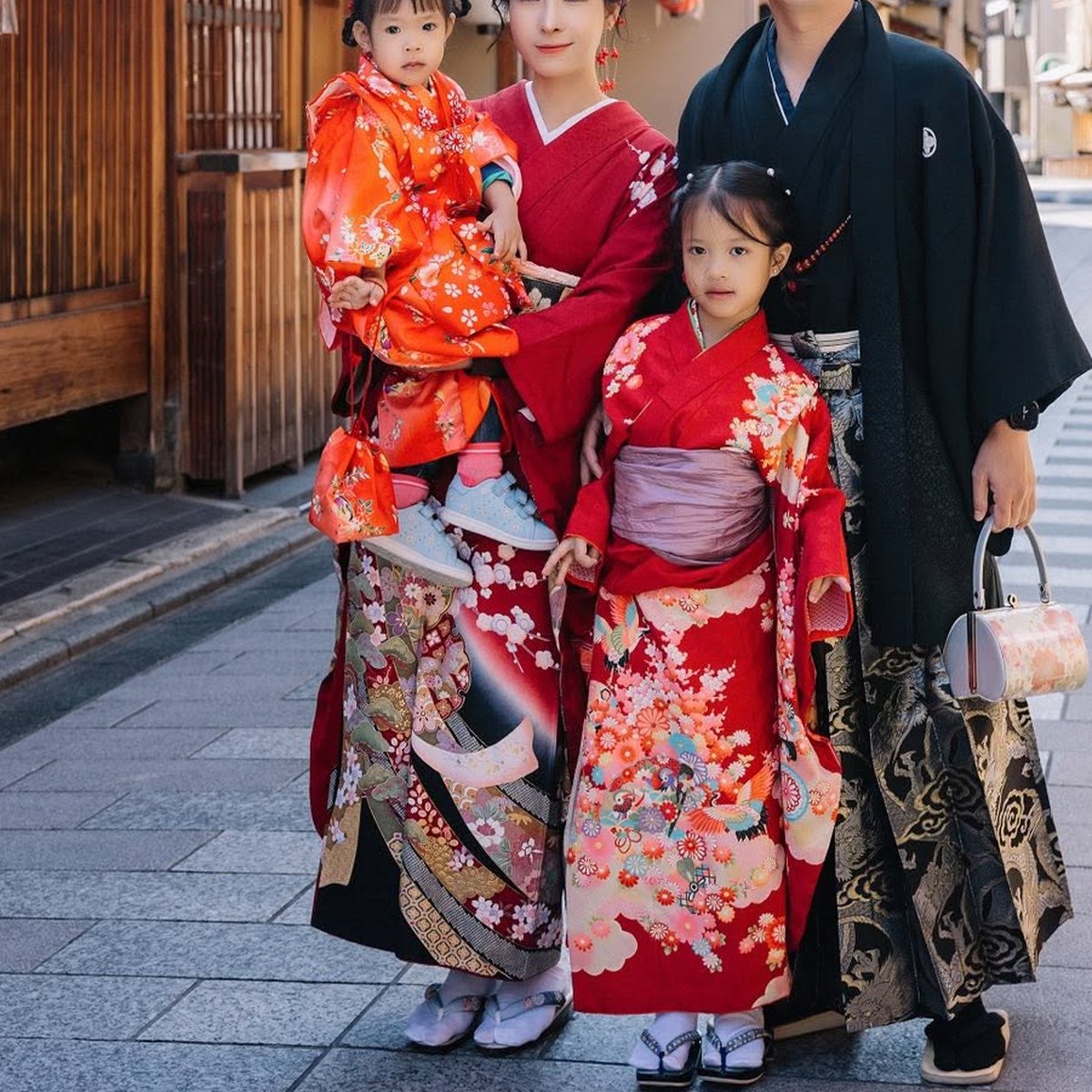
Hina Matsuri in Kimono: Doll Displays, Sweets and a Spring Kimono Walk in Kyoto
Hina Matsuri (Girls' Day) on March 3 in Kyoto in kimono: doll displays at the Doll Temple, the Shimogamo floating-doll rite, sweets and a plum-season walk.
Sep 14, 2026·✍️ olablog·⏱ 6 min read
Hina Matsuri (Girls' Day) on March 3 in Kyoto in kimono: doll displays at the Doll Temple, the Shimogamo floating-doll rite, sweets and a plum-season walk.
Tap a region to browse articles
Hina Matsuri (雛祭り), Girls' Day, falls on March 3 every year. Families with daughters set out a tiered display of hina dolls, an emperor and empress in Heian court dress with their attendants, musicians and tiny lacquered furniture, and eat sweets in pink, white and green. In Kyoto, where the dolls were originally made and where the court they depict once lived, the first week of March means doll exhibitions in temples, plum blossoms at the shrines, and the year's first mild days: the natural moment for a kimono walk before the cherry-blossom crowds arrive.
What the day is about
The dolls trace back to Heian-period paper figures that were rubbed on the body to absorb misfortune and then floated away on a river. Over centuries the paper dolls became elaborate porcelain-faced sets displayed on red-carpeted steps, and the floating-away survives as the nagashi-bina rite. The display goes up in mid-February and, by superstition, must be put away promptly after March 3 or the daughter will marry late.
The food is specific: hina-arare (pastel puffed rice crackers), hishimochi (a three-layer diamond of pink, white and green rice cake), chirashi-zushi (scattered sushi with egg and shrimp), clam soup, and shirozake or amazake, a sweet, nearly alcohol-free rice drink.
Where to see hina dolls in Kyoto
| Place | What you see | Dates (each year) |
|---|---|---|
| Hōkyō-ji (宝鏡寺), the "Doll Temple", Kamigyo | A former imperial convent with a spring exhibition of historic hina dolls given by the imperial family | Roughly March 1 to early April |
| Shimogamo Shrine (下鴨神社) | Nagashi-bina: paper dolls in straw boats floated on the Mitarashi stream by children and a couple in full Heian dress | March 3 morning |
| Ichihime Shrine (市比賣神社), near Kawaramachi-Gojo | A shrine for women's wishes with a Hina Matsuri ceremony and a "living doll display" of women in court dress | March 3 |
| Kyoto department stores and Nishiki Market | Seasonal sweets and small doll sets on sale from mid-February | Late February to March 3 |
| Nijo Castle and the Kyoto Imperial Palace grounds | Plum trees in flower, the seasonal backdrop | Late February to mid-March |
Hōkyō-ji is the must-see: the dolls are centuries old, the convent garden is quiet, and photography of the displays is usually allowed without flash. Go in the morning; by early afternoon on March 3 the small rooms are full, and a kimono in a crowded doll room is a liability for both you and the dolls.
Two smaller stops are worth folding in if you have time: the Kyoto Museum of Traditional Crafts in Okazaki often has a seasonal doll corner explaining how the faces and costumes are made, and the shop-lined stretch of Teramachi-dori north of Marutamachi sells small hina figures made by Kyoto craftsmen, which are far easier to take home than a full tiered set.
Kimono for early March in Kyoto
The first week of March is 6 to 13°C, bright and changeable. A lined kimono with a haori jacket or shawl is right. Colour is the fun part: the day's palette is pink, white and pale green, and the plum blossoms are white and deep pink. A cream or pale pink Komongi (¥5,500 at OlaChill's Kyoto Kiyomizu shop) with a green or plum obi is exactly seasonal. For a girl, the girl's kimono set is ¥8,000 and comes with the full children's accessory set; add DECO unlimited hair accessories (¥1,100) for the tiny flower ornaments the day calls for.
The hair set (¥1,500) matters more in March than in summer: wind on the river at Shimogamo will undo a loose style in minutes.
Plan your day (March 3)
- 09:00 Dressing at the Kiyomizu shop, hair set, bags in the free lockers.
- 09:45 Keihan from Kiyomizu-Gojo to Demachiyanagi (about 9 minutes), then a 10-minute walk through the Tadasu-no-mori forest to Shimogamo Shrine.
- 10:30 Nagashi-bina rite at the Mitarashi stream. Arrive early; the stream bank is small.
- 11:30 Walk or taxi west to Hōkyō-ji (about 20 minutes on foot along Imadegawa-dori) for the doll exhibition.
- 12:45 Lunch: chirashi-zushi is on every menu this week. The streets around Doshisha University have good, inexpensive options.
- 14:00 Plum blossoms: Kitano Tenmangu is 15 minutes west by bus and its plum grove peaks in early March, or return south and walk the Kyoto Imperial Palace grounds, where the plum orchard is free.
- 16:00 Back toward Higashiyama. Buy hina-arare and a box of sweets at a wagashi shop, and return the kimono before 18:00.
If you have a daughter with you, shorten the day: Shimogamo in the morning, lunch, and a doll exhibition is plenty for four hours in kimono.
A quieter alternative: Sannenzaka and the sweet shops
If you would rather stay in Higashiyama, the lanes below Kiyomizu-dera have wagashi shops selling hishimochi and hina-arare all week, and early March is the last quiet period before the sakura season. Walk Sannenzaka and Ninenzaka, take photos at the Yasaka Pagoda, and have amazake at a tea house. Our Kyoto kimono photo-spot map has the route.
Checklist
- Haori or shawl (ask the shop; one is lent on cold days)
- Thermal top with a low neckline, leggings, thick tabi
- Cash for the doll temple admission and sweets
- Small camera or phone with space; the displays deserve close-ups
- If travelling with a girl: snacks, a change of clothes, and a stroller for the walk to Shimogamo
FAQ
Is Hina Matsuri a public holiday? No. Shops, temples and offices are open as normal, which is why it is such an easy day to enjoy as a visitor.
Can boys or men take part? Of course. The day celebrates girls, but the exhibitions, sweets and plum blossoms are for everyone. Boys have their own day, Kodomo no Hi, on May 5 with carp streamers.
Is it too cold for kimono in early March? No, provided you layer underneath and take the haori. The problem days are wet ones; the shop lends umbrellas free, and our rainy-day kimono guide has the rest.
Can we buy a hina doll set to take home? Small sets and single figures are sold at Kyoto craft shops and department stores. A proper tiered set is large, expensive and fragile; most visitors buy a pair of small dolls or a hanging tsurushi-bina ornament.
When do the cherry blossoms start? Usually late March in Kyoto, three weeks after Hina Matsuri. The best season to wear kimono guide compares the seasons.
Book a kimono for Hina Matsuri
Reserve a Komongi and, if you have a daughter, the girl's kimono set at the Kyoto Kiyomizu shop for the first week of March. Styles and prices are on the kimono rental page.
More from this region — Kyoto, Nara & Kansai
View all →Ise Jingu – Japan's Sacred Shrine Deep in a Thousand-Year-Old Forest
6 min · tips
Kimono and a Tea Ceremony in Gion: How a Full Day Fits Together
9 min · culture
Kimono in Kyoto: Where to Wear It, Best Photo Spots and How to Plan the Day
7 min · culture

Kimono in Nara: Where to Wear It, Best Photo Spots and How to Plan the Day
7 min · culture