
Kimono and a Tea Ceremony in Gion: How a Full Day Fits Together
One ticket covers the kimono and the tea ceremony in Gion — what the ceremony is actually like, whether you must kneel, where to walk afterwards, and how to join it with Kiyomizu into one full day.
Sep 14, 2026·✍️ olablog·⏱ 9 min read
One ticket covers the kimono and the tea ceremony in Gion — what the ceremony is actually like, whether you must kneel, where to walk afterwards, and how to join it with Kiyomizu into one full day.
Tap a region to browse articles
Two of the things visitors most want to do in Kyoto — wear a kimono and sit through a tea ceremony — are usually sold separately, in two shops, with a walk between them in unfamiliar footwear and a nagging worry about whether the second booking will still be waiting when you arrive. In Gion the two can be one ticket: the venue dresses you in a kimono, then seats you for the ceremony, in the same building, with nothing to carry in between. This guide explains what that combined experience is really like, answers the questions people are too polite to ask — can I sit on a chair? what if I hate matcha? — and then builds the rest of the day around it, from Kiyomizu in the morning to the lanterns of Hanamikoji at dusk.
How the combined ticket works
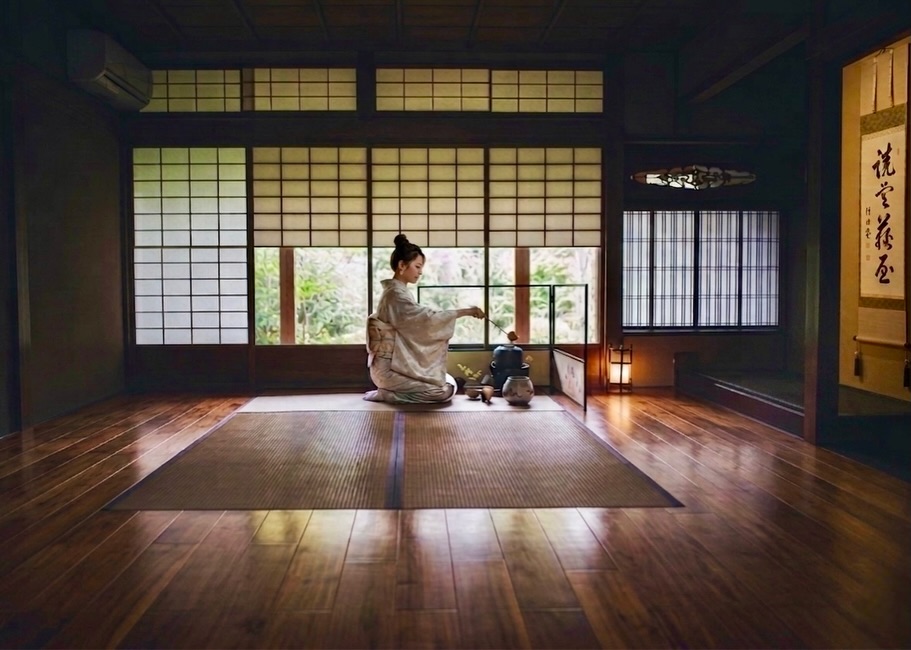
The Kyoto Kimono and Tea Ceremony in Gion is a single reservation. You arrive at the venue in Gion at your booked time, choose a kimono from their rack, are dressed by staff, and go straight into the tea room. The ceremony is led by a host who explains each step in English; afterwards you keep the kimono on and walk out into Gion. Return of the kimono is to the same venue.
Because the kimono is part of the ticket, you do not also book a rental plan at OlaChill Kyoto Kiyomizu for the same day — the venue provides it. The price is shown on the product page and confirmation follows after booking rather than instantly, so book a few days ahead rather than the night before.
What the ceremony is actually like
A guest ceremony for visitors lasts roughly 45 minutes to an hour and runs in a fixed order, which is part of its calm:
- Entering. You leave your shoes at the step and enter the tea room. The host greets you; you bow back. There is a scroll and a seasonal flower in the alcove — it is polite to look at them for a moment, since the host chose them for you.
- The sweet. A small wagashi is served first, before the tea. You eat it whole in two or three bites with the little pick provided. It is sweet on purpose: the matcha that follows is bitter, and the two are meant to be tasted in that order.
- The tea is made. The host cleans each utensil in front of you, warms the bowl, measures the powdered tea, adds hot water and whisks it to a light foam. Nobody speaks much. This is the part people remember.
- Drinking. The bowl is set in front of you with its "front" facing you. Pick it up with the right hand, rest it on the left palm, turn it a quarter-turn clockwise so you do not drink from the front, and drink in three or four sips. Turn it back and set it down. The host will demonstrate; nobody expects you to know.
- Your turn. Many guest ceremonies end with each guest whisking a bowl for themselves. It is harder than it looks and the host will fix your foam with a smile.
Photography is usually allowed at the end, not during the making of the tea. Ask.
Do I have to kneel?
The formal posture is seiza — kneeling with the feet tucked under — and most visitors find it uncomfortable after a few minutes. You are a guest, not an apprentice: it is fine to sit cross-legged, to shift your legs to one side, or to ask for a small stool or a chair. A kimono actually makes seiza easier than trousers do because the fabric holds the knees together; just smooth the front panel down as you go down, and sweep the hem clear as you get up. If you have knee problems, say so when you arrive and seating will be arranged before the ceremony starts, not after you are already in pain.
What to wear under the kimono, and what to bring
The venue provides the kimono, obi, footwear and bag. Come in clothes that are easy to change out of, with a low or wide neckline so nothing shows at the collar. Bring only a phone and a small wallet — the pouch holds both — and leave the rest in the locker. Take off rings and bracelets before the ceremony; they chip tea bowls, and the host will quietly ask you to anyway.
Hair up is better than hair down, both for the back-collar line of the kimono and because leaning over a tea bowl with loose hair is awkward. If you would like it styled, ask when booking.
The full day: Kiyomizu in the morning, tea in Gion, Hanamikoji at dusk
The tea ceremony is the fixed point; everything else moves around it. Book an afternoon slot — around 14:00 — and the day arranges itself.
09:00–12:30 — Kiyomizu and the lanes, in your own shoes
Start early at Kiyomizu-dera, before the coaches. Come down through Sannenzaka and Ninenzaka while the shops are opening and the stone lanes are still quiet, past the Yasaka Pagoda, and into Maruyama Park. This is a morning of slopes and steps; do it in comfortable shoes, not in kimono. Our ten Kyoto kimono spots list them in walking order.
12:30 — Lunch on the edge of Gion
Eat before the ceremony, not after: matcha on an empty stomach is a mistake, and a wagashi is not lunch. The streets between Yasaka Shrine and Shijō-dōri are full of set-lunch places.
13:45 — Arrive at the venue, dress, tea ceremony
Allow 30 minutes for choosing and dressing, then the hour of the ceremony. You are back outside in kimono by about 15:30, when the light in Gion starts to soften.
15:30–17:30 — Gion in kimono
Now the streets you walked in trainers in the morning are worth walking again, slowly, in the right clothes. Yasaka Shrine is a few minutes away and has no admission charge; its vermilion gate at the top of Shijō-dōri is the natural first photograph. Then the Shirakawa canal — willows, stone bridges, low wooden façades, the quietest water in central Kyoto — and finally Hanamikoji, Gion's main street, as the lanterns come on and the teahouse doors open. If you pass a maiko on her way to an evening engagement, step aside and do not block her path; a photograph from a respectful distance is fine, following her is not.
17:30 — Return the kimono
Back to the venue before closing. Change, and you are two minutes from the restaurants of Pontochō and the Kamo River for the evening.
If you would rather split it into two days
Some travellers want the tea ceremony as the calm centre of one day and a long photographic kimono day on another. That works just as well: book the combined Gion ticket for the tea day, and a separate rental plan at OlaChill Kyoto Kiyomizu for the photo day, choosing Houmongi or Furisode for the pictures. The two bookings are independent.
What's included, price, where, how to book
- Included in the combined ticket: kimono, obi, footwear and bag from the venue's rack; dressing by staff; the tea ceremony with an English-speaking host; the wagashi sweet and a bowl of matcha; the kimono for the rest of the afternoon until return.
- Not included: transport to Gion, meals, hair styling unless requested.
- Price: shown on the product page at the time of booking. Confirmation is not instant.
- Where: the venue in Gion, Higashiyama-ku, Kyoto — the exact meeting point is in your confirmation. Yasaka Shrine and Hanamikoji Street are a few minutes' walk.
- How to book: choose the date and time on the product page, enter your details, and wait for the confirmation. Book several days ahead, earlier in spring and autumn.
Book the Gion afternoon: Kyoto Kimono and Tea Ceremony in Gion — one ticket, dressing and ceremony in the same building. For a separate photo day, OlaChill Kyoto Kiyomizu.
Frequently asked questions
Do I have to sit on the floor for the whole ceremony? No. Kneeling is traditional, but you may sit cross-legged, to one side, or on a stool or chair — just ask on arrival.
I don't like matcha. Should I skip it? Drink what you can; nobody counts. The sweet beforehand softens the bitterness, and the point of the hour is the ritual rather than the drink.
Is it in English? Yes, the host explains each step in English. Japanese-speaking guests are welcome to follow in Japanese.
Can children come? Older children who can sit quietly for 45 minutes enjoy it; young children usually do not. For a family, the rental plans at Kiyomizu with a short walk are a better fit than the tea room.
How long does the whole visit take? About 90 minutes at the venue — 30 for choosing and dressing, an hour for the ceremony — then the kimono is yours until return.
Can I take photographs? At the end, yes; during the preparation of the tea, usually not. The host will say when.
Do I still need to book a kimono at OlaChill Kyoto Kiyomizu for the same day? No. The kimono is included in the tea-ceremony ticket. Book Kiyomizu separately only for a different day.
What happens if my plans change and the booking has to be cancelled? The cancellation terms for the tea-ceremony ticket are shown on its product page before you pay; read them there, since they belong to the venue rather than to the rental shop.
More from this region — Kyoto, Nara & Kansai
View all →
Kimono in Kyoto: Where to Wear It, Best Photo Spots and How to Plan the Day
7 min · culture

Kimono in Nara: Where to Wear It, Best Photo Spots and How to Plan the Day
7 min · culture
Kimono in Wakayama: Where to Wear It, Best Photo Spots and How to Plan the Day
7 min · culture
Kimono Rental in Kyoto: How to Choose and What to Expect
6 min · culture