
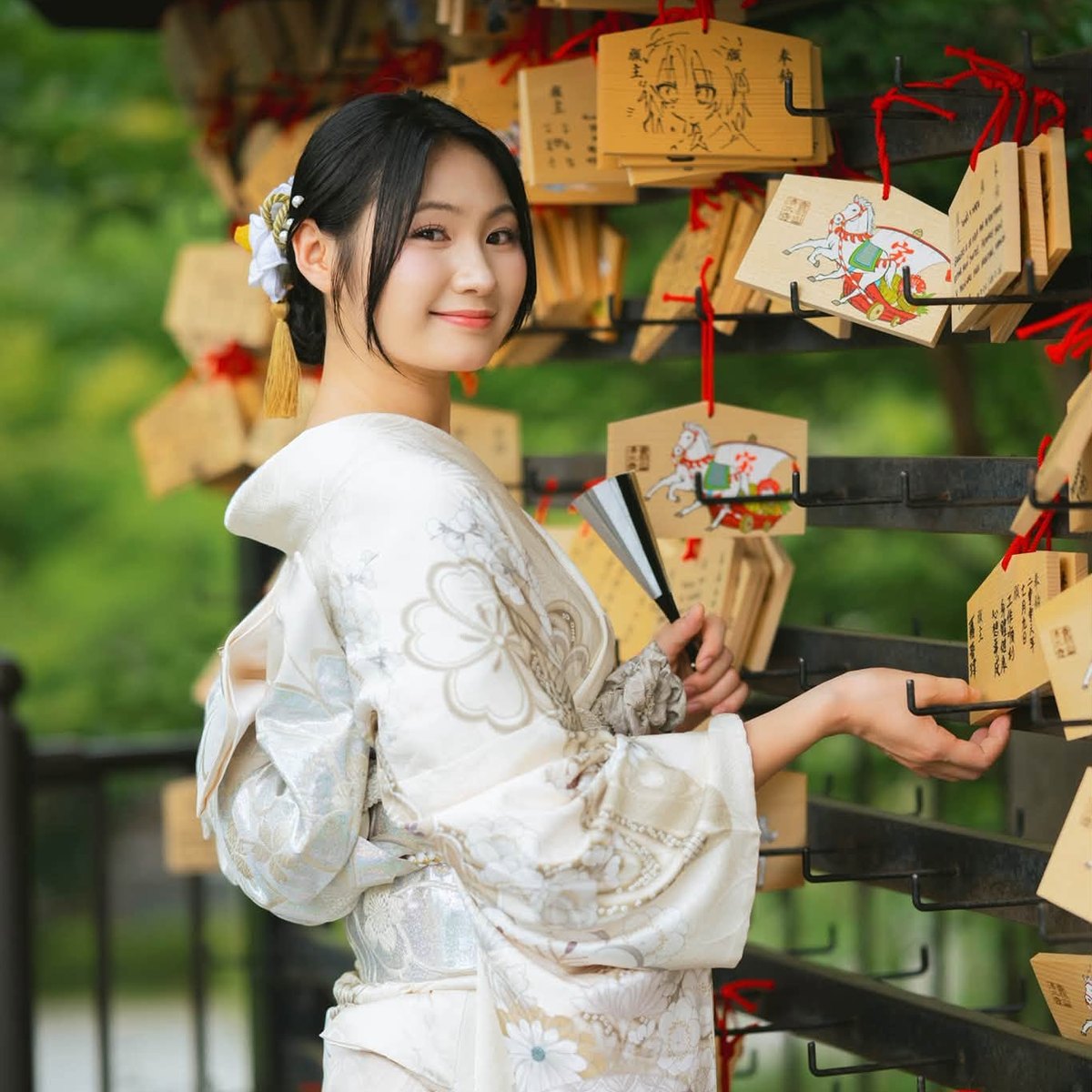
Hatsumode in Kimono: First Shrine Visit of the Year in Asakusa and Kyoto
Hatsumode, the first shrine visit of the year, in kimono: which shrines in Asakusa and Kyoto, how to handle January crowds and cold, and what to do there.
Sep 14, 2026·✍️ olablog·⏱ 7 min read
Hatsumode, the first shrine visit of the year, in kimono: which shrines in Asakusa and Kyoto, how to handle January crowds and cold, and what to do there.
Tap a region to browse articles
Hatsumode (初詣) is the first shrine or temple visit of the new year, and for the first three days of January it is the thing Japan does: millions of people queue along shrine approaches, throw a coin, pray for the year, draw a fortune slip and buy a new charm. It is also, along with Coming of Age Day, the time when ordinary people wear their best kimono. Sensoji in Asakusa and the great shrines of Kyoto are among the busiest hatsumode sites in the country, which makes them both the best and the most demanding places to do it in kimono. Here is how to make it work.
When to go
| Time | Crowds | Kimono comfort |
|---|---|---|
| New Year's Eve night to January 1 dawn (ninen-mairi) | Extreme at the famous shrines; queues of an hour or more, bells, amazake stalls | Very cold, standing for hours; only with next-day return and serious layers |
| January 1 to 3, daytime | Peak; Sensoji and Fushimi Inari run one-way pedestrian systems | Manageable if you go early morning (before 09:00) or late afternoon |
| January 4 to 7 | Busy but moving; shrines still in New Year mode with charms and stalls | The sweet spot for kimono |
| January 8 to 15 | Quiet; a normal visit with the New Year decorations still up | Easiest of all, and Coming of Age Day falls in here |
Hatsumode is valid any time in January; the "first visit" is the point, not the date. If you can choose, January 4 to 7 gives you the atmosphere without the crush.
Asakusa: Sensoji and Asakusa Shrine
Sensoji (浅草寺) receives around three million visitors in the first three days of the year. OlaChill's Tokyo Asakusa shop is one minute from the Kaminarimon gate, which is convenient and also means you should book the first slot of the morning so you are dressed and through the temple before the queue backs up along Nakamise.
- Enter through Kaminarimon, walk Nakamise (stalls sell New Year sweets and charms), pass the Hozomon gate to the main hall. On January 1 to 3 the police feed the crowd through in blocks; the queue from Kaminarimon to the offering box can be 40 minutes.
- Asakusa Shrine, beside the main hall, is the Shinto shrine; many people visit both.
- Draw an omikuji fortune (¥100), and if it is bad, tie it to the rack; if good, keep it.
- Buy a hamaya arrow or an omamori charm for the year.
- Warm up with amazake from the stalls in the temple grounds.
Alternative in Tokyo: Meiji Jingu (about 35 minutes from Asakusa) is the country's busiest hatsumode site but has enormous space; the forest approach in kimono is beautiful once you are inside.
Kyoto: which shrine to choose from Kiyomizu
OlaChill's Kyoto Kiyomizu shop is a short walk below Kiyomizu-dera, which itself is open for hatsumode and offers a famous view of the city in winter light.
- Yasaka Shrine (八坂神社), a 20-minute walk down through Ninenzaka and Maruyama Park. Kyoto's most popular New Year shrine: on New Year's Eve the Okera-mairi rite lets you carry home a sacred flame on a rope. Very crowded January 1 to 3, fine after.
- Fushimi Inari (伏見稲荷大社), the busiest shrine in western Japan at New Year. Keihan from Kiyomizu-Gojo, about 7 minutes. Go for the torii tunnels but expect a one-way flow up the mountain in the first three days; the lower gates are enough in kimono.
- Heian Shrine (平安神宮), wide gravel courtyard, easy to move in kimono, a 35-minute walk or a short taxi.
- Kitano Tenmangu, the shrine of learning, where students pray before entrance exams in January and February; plum trees begin flowering in late January.
Cold: how to wear kimono in January
Tokyo and Kyoto in the first week of January are 2 to 9°C, often clear. Kimono is warmer than it looks, and the shop lends a haori jacket or shawl on cold days, but the extremities suffer. Wear a thin thermal top with a low neckline (the kimono collar sits back off the nape), thermal leggings, and thick tabi socks; bring hand warmers (kairo) for your pockets, which are inside the sleeves. Standing in a queue is where you get cold, so pick the hour, not just the shrine.
Style for hatsumode is formal-leaning. A Houmongi (¥12,000) or Tomesode (¥12,000) at OlaChill matches the occasion; the Komongi (¥5,500) is fine for a January 5 visit; the Furisode (¥19,000) is what young women wear and is worth it if this is your one formal kimono day. Men look right in the men's traditional kimono (¥5,000) with haori or the Montsuki with hakama (¥10,000). Add the hair set (¥1,500); January wind is unkind to loose hair.
Plan your day
- 09:00 Dress at the shop, take the shawl, hand warmers into sleeves, bags into the free lockers.
- 09:45 Straight to the shrine before the mid-morning surge. Coin, bow, clap, omikuji, charm.
- 11:00 Photos on the temple grounds while the light is low and clean.
- 12:00 A hot lunch: soba (the New Year noodle), oden or a set lunch at a place with tables.
- 13:30 Second shrine if you want, or a quiet walk (Sumida Park in Tokyo, Nene-no-michi in Kyoto).
- 15:30 Tea and a sweet somewhere warm.
- 17:00 Back to the shop before 18:00, or next-day return (+¥1,100) if you want an evening in kimono with the New Year lanterns lit.
Checklist
- Check the shop's New Year opening days when you book; early January hours can differ from the usual 09:00 to 18:00
- Thermal top (low neck), leggings, thick tabi, hand warmers
- ¥5 coins are the traditional offering (the word for five yen, go-en, sounds like "good fortune"); have a few ready
- Small bag, no backpack
- A folding umbrella if snow is forecast; wet gravel and geta are a poor combination
FAQ
Is it rude for a non-Japanese visitor to do hatsumode in kimono? Not at all. Shrines welcome everyone in January, and wearing kimono is read as respect for the occasion. Follow the sequence: bow at the gate, wash hands at the basin, coin, two bows, two claps, one bow.
Which is better for hatsumode, Sensoji or Meiji Jingu? Sensoji for atmosphere, stalls and proximity to our shop; Meiji Jingu for space and the forest. In kimono on January 1 to 3, Meiji Jingu is easier on the feet.
Is a reservation required for the New Year period? Yes. Book online (10% off) and confirm the date, since early January slots are limited.
Can I do the New Year's Eve midnight visit in kimono? With next-day return, yes, but the combination of hours of standing, cold and crowd makes yukata-season enthusiasm look easy. A morning visit on January 2 or 3 in kimono is the wiser choice; see our New Year in Japan guide.
What if it snows? Rare in Tokyo, occasional in Kyoto. Snow on a shrine roof with a kimono in the foreground is a photograph worth the cold feet; our snow-dusted shrines hatsumode guide shows why.
Book a kimono for hatsumode
Reserve at the Tokyo Asakusa shop or the Kyoto Kiyomizu shop for early January, and tell us if you plan a formal set so we hold the right size. Prices and styles are on the kimono rental page.
More from this region — Kyoto, Nara & Kansai
View all →Walking the Kumano Kodo: A Guide to the World Heritage Pilgrimage Route
2 min · experiences
Hina Matsuri in Kimono: Doll Displays, Sweets and a Spring Kimono Walk in Kyoto
6 min · culture
Ise Jingu – Japan's Sacred Shrine Deep in a Thousand-Year-Old Forest
6 min · tips
Kimono and a Tea Ceremony in Gion: How a Full Day Fits Together
9 min · culture