
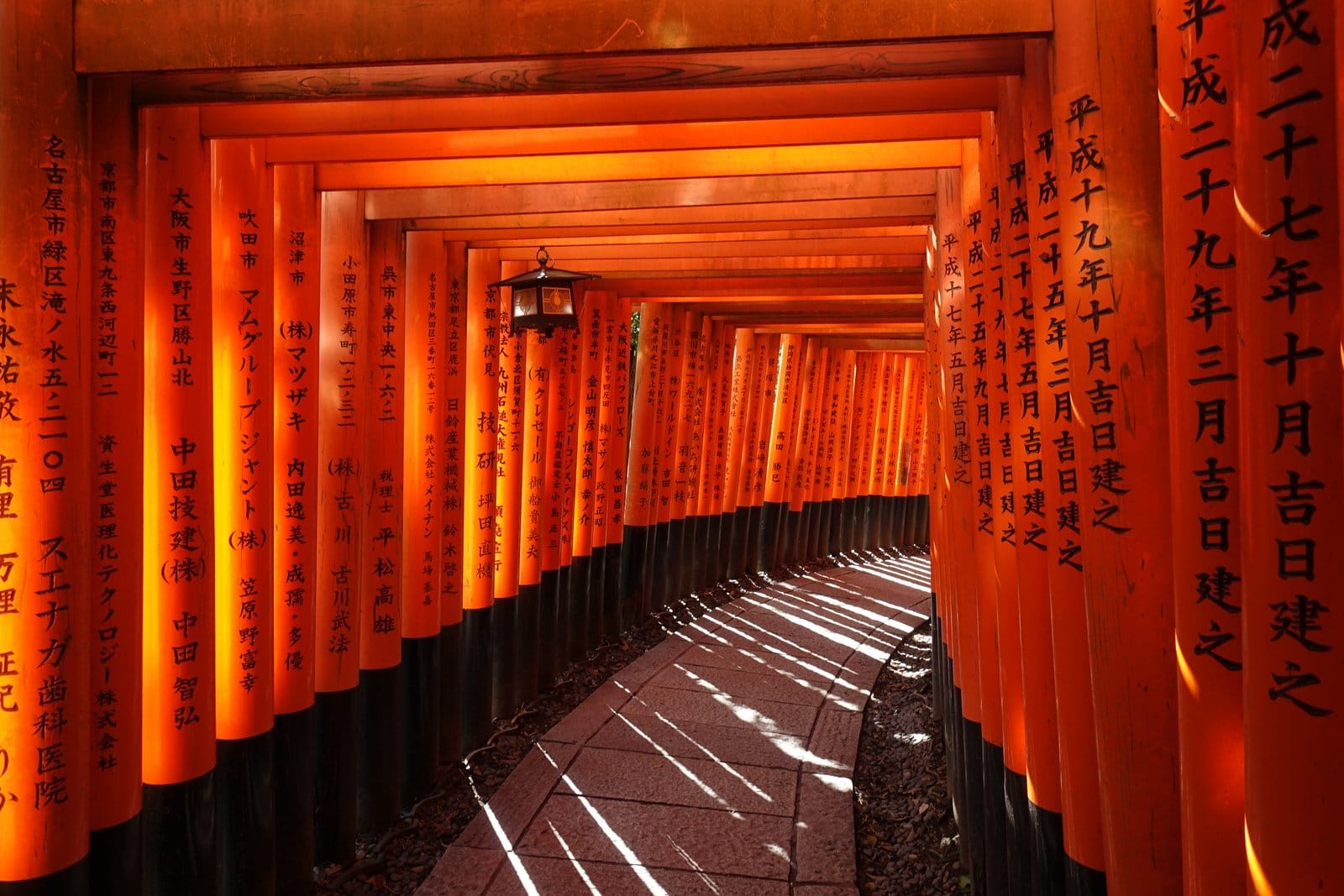
New Year in Japan
Plan your New Year trip to Japan from India/Bangladesh. Navigate Hatsumode, Fukubukuro, closures, and vegetarian Osechi options like a local.
Jul 10, 2026·✍️ olablog·⏱ 20 min read
Plan your New Year trip to Japan from India/Bangladesh. Navigate Hatsumode, Fukubukuro, closures, and vegetarian Osechi options like a local.
Planning a trip to Japan over the New Year period offers a unique blend of solemn traditions and exhilarating retail therapy, but it also demands meticulous planning. Unlike many parts of the world where New Year’s Eve is a boisterous affair, Japan welcomes the new year with a quieter, more reflective grace, followed by a fascinating week of cultural rituals and incredible shopping opportunities. This guide will help first- and second-time visitors from India and Bangladesh navigate this special time, from understanding the revered Hatsumode ritual to mastering the art of Fukubukuro shopping, all while addressing practical concerns like closures and finding vegetarian-friendly Osechi cuisine. Expect to spend around ¥1,000-2,000 (approx. ₹560-₹1,120) on a simple shrine visit, excluding transport.
Hatsumode: Your First Shrine Visit of the New Year
Hatsumode, the first visit to a Shinto shrine or Buddhist temple of the New Year, is perhaps the most significant cultural event in Japan. Millions participate, making it a truly immersive experience. This tradition, typically observed between January 1st and 3rd, is a time for expressing gratitude for the past year and making wishes for health, happiness, and prosperity in the coming one. For visitors from India and Bangladesh, it shares a spiritual resonance with temple or mosque visits during major festivals, but with its own distinct Japanese flavour.
The atmosphere at popular Hatsumode sites is a unique blend of festive anticipation and respectful solemnity. Expect long queues, especially at major shrines like Meiji Jingu in Tokyo, Senso-ji Temple also in Tokyo, or Fushimi Inari Taisha in Kyoto. While the crowds can be daunting, the collective energy is palpable. People typically queue to approach the main hall, offer a small monetary donation (usually a ¥5 coin, pronounced go-en, which is a pun on "good縁" or "good fortune/connection"), clap twice, bow, and then make their wishes. This entire process might take hours at peak times on January 1st, so consider visiting on January 2nd or 3rd, or even later in the morning on January 1st, if you wish to avoid the most intense crowds.
Beyond the main offering, there are several other rituals. Many people purchase omikuji, paper fortunes (typically ¥100-¥200, approx. ₹56-₹112), which predict their luck for the year. If you receive a bad fortune, it's customary to tie it to a designated tree or string rack within the shrine grounds, believing that the bad luck will stay there instead of following you home. Another popular item is omamori, protective amulets (ranging from ¥500-¥1,500, approx. ₹280-₹840) for various purposes like safe travel, academic success, or good health. These make meaningful souvenirs. You'll also see ema, small wooden plaques where visitors write their wishes and hang them at the shrine. The cost for an ema is usually around ¥500 (approx. ₹280).
For your first Hatsumode, especially if you're staying in Tokyo, Meiji Jingu is an excellent choice. It's easily accessible via the JR Yamanote Line (Harajuku Station) or Tokyo Metro (Meiji-jingumae Station). The vast, forested grounds offer a tranquil approach, even with the crowds. Senso-ji Temple in Asakusa, reachable by Tokyo Metro Ginza Line or Toei Asakusa Line, provides a more bustling, traditional shitamachi (downtown) experience, with the Nakamise-dori market street leading up to the main temple. If you're in Kyoto, Fushimi Inari Taisha, famous for its thousands of vermilion torii gates, is a truly iconic site, accessible via JR Inari Station.
Practical Tips for Hatsumode:
- Timing: The busiest times are New Year's Eve midnight to early morning January 1st, and mid-day January 1st. Consider visiting in the late afternoon on January 1st or on January 2nd/3rd for slightly fewer crowds. Some shrines, especially large ones, are open 24 hours during this period.
- What to Wear: Dress warmly. January in Japan is cold, and you'll be standing outdoors for extended periods. Comfortable shoes are a must.
- Getting There: Public transport is the best option. Major stations around popular shrines will be exceptionally busy. JR and subway lines often run extended or 24-hour services on New Year's Eve, but always check the specific schedule for your lines.
- Offerings: While any amount is acceptable, ¥5 coins are traditionally preferred for good luck. You can get these at convenience stores or by breaking larger notes at stalls near the shrine.
- Food Stalls: Many shrines will have numerous food stalls (yatai) selling traditional festival foods like takoyaki (octopus balls), yakisoba (fried noodles), and amazake (sweet fermented rice drink). While delicious, vegetarian options might be limited, as many items use dashi or meat. Look for plain crepes, baked potatoes, or sweet treats.
Sample Hatsumode Day (Meiji Jingu, Tokyo):
- 9:00 AM: Depart from your hotel. Head to Harajuku Station via JR Yamanote Line or Meiji-jingumae Station via Tokyo Metro. Ensure your IC card (Suica/Pasmo) is loaded, or have your JR Pass ready.
- 9:30 AM: Arrive at Meiji Jingu. Walk through the giant torii gate and the gravel path. Enjoy the serene atmosphere despite the crowds.
- 10:00 AM: Join the queue for the main shrine. Use this time to observe the surroundings and soak in the atmosphere.
- 11:00 AM (approx.): Make your offering, bow, clap, and make your wishes.
- 11:30 AM: Explore the grounds. Purchase an omikuji and an omamori.
- 12:30 PM: Exit the shrine. You might find some food stalls near the entrance for a quick bite, but be mindful of vegetarian options.
- 1:00 PM: Head back to Harajuku/Shibuya for lunch at a pre-researched restaurant with vegetarian options.
Fukubukuro: The Thrill of Lucky Bags
Fukubukuro, or "lucky bags," are a quintessential New Year shopping phenomenon in Japan. Imagine buying a sealed bag or box where you don't know the exact contents, only the general category (e.g., clothing, cosmetics, electronics, food). The thrill lies in the surprise, and the economics are compelling: the value of the items inside is almost always significantly higher than the price of the bag. For shoppers from India and Bangladesh who appreciate a good bargain, Fukubukuro offer an exhilarating opportunity, much like a limited-time festive sale but with an added element of mystery.
These lucky bags typically go on sale starting January 1st or 2nd, with some online pre-sales beginning in late December. Major department stores like Isetan, Mitsukoshi, Daimaru, and Takashimaya are prime hunting grounds. Electronics retailers like Bic Camera and Yodobashi Camera offer highly sought-after bags, often containing cameras, laptops, or home appliances. Fashion brands, both domestic and international, also participate, as do specialty stores for stationery, cosmetics, and even cafes like Starbucks and Tully's Coffee.
The price of a Fukubukuro can range from a modest ¥1,000 (approx. ₹560) for a small stationery or food bag, up to ¥50,000 (approx. ₹28,000) or even ¥100,000 (approx. ₹56,000) for high-end electronics or luxury fashion. The potential savings are substantial; a ¥10,000 bag might contain goods worth ¥30,000 or more. This makes them incredibly popular, leading to massive queues forming hours before stores open on New Year's Day. Some dedicated shoppers even camp out overnight.
Strategy for Buying Fukubukuro:
- Research is Key: Don't go in blind. In the weeks leading up to New Year, many brands will subtly hint at the contents or themes of their Fukubukuro. Follow your favourite Japanese brands on social media, check their official websites, and read Japanese shopping blogs for hints. Some retailers even display sample items or provide a "teaser" of one item inside.
- Target Specific Brands/Items: If you have a particular item or brand you're interested in, focus your efforts there. For example, if you want a new camera, target electronics stores. If you're looking for clothing, identify specific fashion brands known for their Fukubukuro.
- Arrive Early: This cannot be stressed enough. For popular brands and high-value bags, queues start forming well before opening hours (often 8 AM or 9 AM, even earlier for some). If you arrive at opening time, the most coveted bags might already be sold out.
- Know Your Size (for clothing): Many fashion Fukubukuro come in specific sizes (S, M, L). Be sure to grab the correct one, as returns are generally not accepted.
- Department Store Strategy: If targeting a large department store, plan your route. Identify which brands you want to prioritize and head directly there. Some stores might distribute numbered tickets to manage queues for very popular bags.
- Online Pre-orders: Some brands offer online pre-orders in December. This is an excellent way to secure a bag without the physical queue, though shipping might be Japan-domestic only, so you'd need a local address or a hotel willing to receive it.
- Consider the "Waste": While the value is high, remember you might receive items you don't necessarily need or like. If you're on a tight budget, consider if the gamble is worth it. For visitors with limited luggage space, a giant electronics bag might not be practical.
Mistakes to Avoid:
- Buying blindly: While the mystery is fun, buying a random bag just for the sake of it can lead to buyer's remorse, especially if the contents aren't useful.
- Underestimating crowds: The queues are real, and they are long. If you're not prepared for a potentially cold wait, you might miss out.
- Not checking for "open" bags: Some stores might have "open" Fukubukuro where you can see one or two items inside, or even "lucky boxes" that are not fully sealed. This reduces the mystery but guarantees you get something you like.
Fukubukuro shopping is an experience in itself, a vibrant contrast to the quiet Hatsumode. It's an economic boon for retailers and a thrilling treasure hunt for consumers, offering a unique glimpse into Japanese consumer culture.
The Quietest Week: Navigating Closures and Limited Services
While New Year in Japan offers unique experiences, it's crucial for visitors to understand that the country largely shuts down for a period, typically from December 29th or 30th until January 3rd or 4th. This is considered the most important family holiday, akin to Diwali or Eid for many in India and Bangladesh, where people travel to their hometowns to spend time with relatives. This means that many businesses, services, and even some tourist attractions will be closed or operate on limited schedules.
What Closes:
- Government Offices and Banks: Almost all government offices, post offices, and banks will be closed during this period. Ensure you have enough cash on hand, though ATMs at convenience stores (konbini) usually remain operational.
- Small Shops and Restaurants: Many independent and family-run shops, as well as smaller restaurants, will close. This can significantly impact dining options, especially outside of major tourist hubs.
- Some Museums and Art Galleries: Check the official websites for specific opening hours. Many museums close for a few days around New Year and then reopen after January 3rd.
- Clinics and Hospitals: While emergency services will always be available, regular clinics will be closed. For non-emergencies, finding a doctor might be challenging. Ensure you have travel insurance and know how to contact emergency services (119 for ambulance/fire, 110 for police).
What Stays Open:
- Convenience Stores (Konbini): 7-Eleven, FamilyMart, Lawson – these are your lifelines. They remain open 24/7, offering food, drinks, toiletries, ATMs, and even basic pharmacy items. They are indispensable for snacks, quick meals, and emergency supplies.
- Major Department Stores: As mentioned in the Fukubukuro section, these typically reopen on January 1st or 2nd for their New Year sales.
- Major Tourist Attractions: While some might close, many popular attractions like theme parks (e.g., Tokyo Disneyland, Universal Studios Japan), large temples/shrines (for Hatsumode), and some major shopping malls will remain open, often with special holiday hours. Always verify directly.
- Public Transportation: Trains (JR, Shinkansen, subways) and major bus lines generally operate, though local lines might run on a reduced holiday schedule (similar to a Sunday timetable). Shinkansen services are usually very busy, especially on peak travel days (Dec 28-31 and Jan 2-4), so booking tickets well in advance is crucial.
- Chain Restaurants: Larger chain restaurants, especially those in shopping malls or major stations, are more likely to be open than independent eateries. Look for places like Yoshinoya, Sukiya, McDonald's, or larger izakayas.
Impact on Travel and Planning:
- Dining: Be prepared for limited dining options. Research restaurants that are confirmed to be open, or rely more heavily on convenience stores and supermarkets (though even supermarkets might have shorter hours). Consider bringing some non-perishable snacks from home, especially if you have specific dietary needs.
- Book Everything in Advance: Accommodation, Shinkansen tickets (especially if you don't have a JR Pass), and any tours should be booked months ahead. Demand is high, and prices can increase.
- Flexibility: Build some flexibility into your itinerary. If a specific museum or shop is closed, have a backup plan. Embrace the quietness; it's a unique aspect of Japanese New Year.
- Cash: Always carry sufficient cash. While credit cards are widely accepted in major cities, smaller establishments might be cash-only, and with banks closed, finding a currency exchange can be difficult.
Navigating Japan during this quiet week requires a bit more foresight than usual, but it also offers a rare opportunity to experience the country in a more authentic, local light, away from the usual tourist hustle.
Osechi-Ryori: A Culinary Deep Dive (with Vegetarian Focus)
Osechi-ryori is the traditional Japanese New Year's food, a collection of colourful dishes packed into special tiered lacquer boxes called jubako. Each dish is carefully prepared and symbolises a wish for the coming year, such as good health, fertility, or prosperity. Traditionally, Osechi is prepared in the last days of the old year and eaten cold over the first three days of the New Year, allowing families to relax and enjoy the holiday without cooking. For visitors from India and Bangladesh, the concept of a special festive meal with symbolic dishes might be familiar, much like festive thalis or biryani spreads, but the specific ingredients and preparation methods present a unique challenge, especially for vegetarians.
The primary challenge for vegetarians with traditional Osechi lies in dashi, the ubiquitous Japanese soup stock made from katsuobushi (bonito flakes) and kombu (kelp). Many dishes, including vegetable preparations, are simmered in dashi, making them unsuitable for vegetarians. Furthermore, Osechi often features a variety of seafood, such as kazunoko (herring roe, for fertility), ebi (prawns, for longevity), and datemaki (rolled omelette with fish paste). Meats like chashu (braised pork) can also appear.
Strategies for Vegetarian Visitors:
- Seek out Vegetarian-Specific Osechi: This is the most reliable option, though it requires pre-planning. Some high-end department stores (like Isetan, Mitsukoshi), specialty vegan/vegetarian restaurants, or dedicated online stores offer vegetarian or vegan Osechi jubako. These are often clearly labelled as "vegetarian," "vegan," or "plant-based." You will need to order these well in advance (often by early December) for pick-up or delivery on December 30th or 31st. Prices can be significant, ranging from ¥10,000 (approx. ₹5,600) for a small, single-serving box to ¥50,000 (approx. ₹28,000) or more for a larger family-sized set.
- Identify Potentially Vegetarian Dishes: If you encounter a traditional Osechi spread, here are some dishes that might be vegetarian, but always confirm if possible:
- Kuromame (black soybeans): Symbolise good health. Often prepared simply with sugar and soy sauce.
- Kuri Kinton (sweet mashed chestnuts with sweet potatoes): Symbolises economic prosperity. Usually vegetarian.
- Kamaboko (fish cake): NOT vegetarian. While it looks like a simple white and pink cake, it's made from fish paste.
- Kobu Maki (kelp rolls): While kobu (kelp) is vegetarian, these rolls often contain fish or meat as a filling, or are simmered in dashi.
- Renkon (lotus root): Often simmered in dashi, but can be prepared without.
- Gobo (burdock root): Similar to renkon, often dashi-based.
- Tazukuri (candied sardines): NOT vegetarian.
- Kohaku Namasu (daikon and carrot salad): A simple vinegared salad, often vegetarian.
- Takenoko (bamboo shoots): Can be vegetarian if prepared without dashi. The safest bet is to assume anything simmered or in a broth contains dashi unless explicitly stated otherwise.
- Supermarket and Konbini Alternatives: For a DIY approach, supermarkets and convenience stores are your friends.
- Konbini: Stock up on items like onigiri (rice balls, choose plain or vegetarian fillings like umeboshi/pickled plum), sandwiches (check ingredients carefully), salads (look for simple green salads with separate dressing), fruits, and instant noodles (many brands have vegetarian options, look for "veggie" or "shojin" labelling, and check for dashi).
- Supermarkets: You can find fresh produce, bread, tofu, soy milk, and various processed vegetarian foods. Japanese supermarkets also sell pre-made salads, some of which might be vegetarian. Look for ingredients to prepare simple meals at your accommodation if it has a kitchenette.
- Dining Out: During the New Year period, finding open restaurants can be tough, and finding vegetarian-friendly ones even tougher.
- International Cuisine: Indian, Middle Eastern, or Italian restaurants are often more likely to have clearly labelled vegetarian options. Research these in advance and check their holiday opening hours.
- Dedicated Vegetarian/Vegan Restaurants: Use apps like HappyCow to locate these, but again, confirm their New Year schedules.
- Temple Cuisine (Shojin Ryori): If you are visiting a temple that serves Shojin Ryori, this Buddhist vegetarian cuisine is an authentic and safe option, though it might not be readily available for casual dining during New Year.
- Ask Politely: Learn a few key Japanese phrases: "Watashi wa bejitarian desu" (I am vegetarian), "Niku o tabemasen" (I don't eat meat), "Sakana o tabemasen" (I don't eat fish), "Dashi nuki de onegaishimasu" (Please without dashi). Be aware that even with these phrases, misunderstandings can occur, as the concept of strict vegetarianism (especially regarding dashi) is not universally understood.
Preparing for Osechi as a vegetarian requires forethought, but with the right approach, you can still enjoy delicious and culturally significant meals during your New Year trip. Embrace the konbini as your culinary safety net!
Getting Around Japan During New Year
Navigating Japan's renowned public transportation system during the New Year period requires some strategic planning, especially for first-time visitors from India and Bangladesh accustomed to booking systems like IRCTC or metropolitan networks like the Delhi Metro. While Japan's trains and subways are incredibly efficient, the New Year holiday sees a massive surge in domestic travel, primarily by Japanese people returning to their hometowns or visiting shrines.
Shinkansen (Bullet Train): The Shinkansen is the backbone of inter-city travel, connecting major cities like Tokyo, Kyoto, Osaka, and Hiroshima. During New Year, especially from December 28th to 31st (outbound from major cities) and January 2nd to 4th (inbound to major cities), Shinkansen trains can be fully booked days, if not weeks, in advance.
- Booking:
- JR Pass Holders: If you have a Japan Rail Pass, you can reserve seats for free. However, even with a pass, you must reserve seats for peak New Year travel dates as soon as possible after activating your pass. This can be done at any JR Ticket Office (Midori no Madoguchi) at major JR stations. Show your pass and itinerary. Non-reserved cars will be extremely crowded, often standing-room-only.
- Individual Tickets: If you don't have a JR Pass, purchase tickets online via the JR East Train Reservation System (for routes in Eastern Japan), JR West (for Western Japan), or Smart EX (for Tokaido Sanyo Shinkansen, which connects Tokyo-Osaka). Alternatively, buy them at JR Ticket Offices. It's highly recommended to book at least 1-2 months in advance for peak travel days. A one-way ticket from Tokyo to Kyoto typically costs around ¥13,000-¥14,000 (approx. ₹7,280-₹7,840) for a reserved seat.
Local Trains and Subways: In major cities like Tokyo, Osaka, and Kyoto, local train lines and subway systems generally operate with slightly modified schedules during the New Year period.
- New Year's Eve (Dec 31st): Many major city lines (e.g., Tokyo Metro, Toei Subway, JR Yamanote Line) often run extended services, sometimes even 24 hours, to accommodate Hatsumode visitors. This is a great convenience but also means trains will be very crowded, especially heading towards popular shrine areas like Harajuku (for Meiji Jingu) or Asakusa (for Senso-ji).
- January 1st-3rd: Expect a "holiday schedule," which usually means slightly less frequent trains, similar to a Sunday timetable. Check specific line schedules via apps like Japan Transit Planner or Google Maps closer to your travel date.
- IC Cards: For local travel, an IC card (Suica or Pasmo in Tokyo, Icoca in Kansai) is indispensable. Purchase one at any major station ticket vending machine or office. Load it with funds (e.g., ¥5,000-¥10,000, approx. ₹2,800-₹5,600) and simply tap in and out. This eliminates the need to buy individual tickets for each ride.
Airport Access: Getting to and from major airports like Narita (NRT), Haneda (HND), and Kansai (KIX) also requires foresight.
- Narita International Airport: Narita Express (N'EX) and Keisei Skyliner are the main train services. Book tickets in advance, especially for travel on Dec 28-31 and Jan 2-4. A one-way N'EX ticket from Narita to Tokyo Station is around ¥3,070 (approx. ₹1,720).
- Haneda Airport: Tokyo Monorail and Keikyu Line offer frequent services to central Tokyo. These are generally less affected by New Year crowds than Shinkansen, but allow extra time.
- Kansai International Airport: JR Haruka Express and Nankai Rapit are the primary train options to Osaka/Kyoto. Again, book ahead.
Mistakes to Avoid:
- Not Booking Shinkansen Early: This is the biggest mistake. If you're travelling between cities, secure your seats as soon as your travel dates are firm.
- Underestimating Local Crowds: Even if trains are running, they will be packed, especially around Hatsumode sites. Be prepared for a lack of personal space, similar to peak-hour Mumbai local trains or Delhi Metro.
- Ignoring Holiday Schedules: Always check for reduced service on local lines, especially if you have tight connections.
- Not Having an IC Card: While not a "mistake," it makes travel significantly smoother.
Japan's transport system remains highly reliable even during New Year, but a little preparation will ensure a much smoother and less stressful journey.
Accommodation and Planning
Booking your accommodation and crafting your itinerary for a New Year trip to Japan demands careful attention. The peak holiday season, coupled with the unique operating hours of many businesses, means that advance planning is not just recommended, but essential. For visitors from India and Bangladesh, who might be used to more dynamic booking options for last-minute travel in their home countries, Japan's New Year period requires a different approach.
Accommodation:
- Book Well in Advance: Begin your accommodation search and booking at least 4-6 months before your intended travel dates, ideally even earlier if you're targeting popular locations like Kyoto or specific types of lodging like traditional ryokan (Japanese inns). Many hotels, especially those popular with tourists, will be fully booked by September or October.
- Elevated Prices: Expect hotel prices to be higher than usual during the New Year period. This is standard for peak season travel. Budget for this increase when planning your overall trip costs.
- Types of Accommodation:
- Hotels: Western-style hotels are abundant in major cities. Look for options near major train stations for convenience.
- Ryokan: For a traditional experience, consider a ryokan. Many offer kaiseki (multi-course) dinners and breakfasts. If you are vegetarian, specifically inquire if they can accommodate your dietary needs when booking. Some ryokan are very flexible, others less so. Be prepared that a fully vegetarian kaiseki might be difficult to arrange, especially during peak times.
- Airbnb/Guesthouses: These can be good options, especially if you prefer a kitchen for self-catering, which can be invaluable for vegetarians navigating limited restaurant options during New Year. Always check reviews and host responsiveness.
- Location Strategy:
- Tokyo: Consider staying near major hubs like Shinjuku, Shibuya, or Tokyo Station for excellent transport links and access to department stores/restaurants that might be open.
- Kyoto: Staying near Kyoto Station or in the Gion/Kawaramachi area offers good access to temples and dining.
- Consider Kitchenettes: If self-catering is a priority (especially for vegetarians), look for hotels with kitchenettes.
More from this region — Other
View all →
Decree 283/2026: Workers who illegally remain abroad face fines of 80–100 million VND from September 10, 2026
6 min · news
Japan Shrine and Temple Etiquette: A Detailed Beginner's Guide
7 min · culture
Nichinan Coast Drive: Moai Statues and Ocean Roads
8 min · destinations
Night Illumination Tours by Private Bus in Japan
8 min · tips