
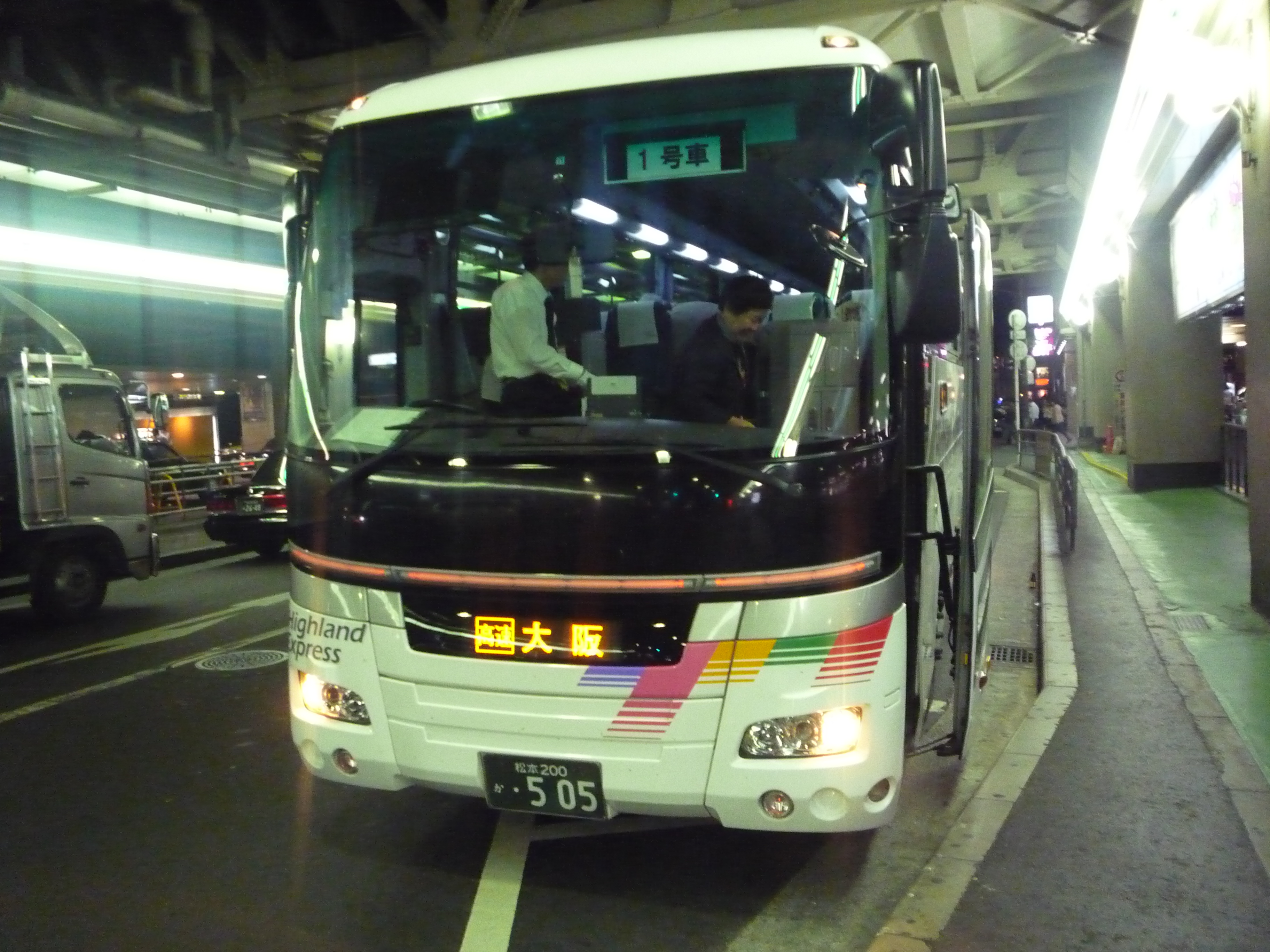
Overnight vs Daytime Bus Travel in Japan: Which Is Better for Your Group?
Compare overnight and daytime travel by 45–50-seat coach in Japan, including comfort, safety, driver rules, and trip-planning trade-offs.
Aug 21, 2026·✍️ olablog·⏱ 9 min read
Compare overnight and daytime travel by 45–50-seat coach in Japan, including comfort, safety, driver rules, and trip-planning trade-offs.
Overnight or Daytime? The Choice Affects More Than Your Schedule
For a large group travelling around Japan, the decision to move overnight or during the day can change the entire rhythm of your trip. An overnight journey may appear to save the cost of one hotel night, while a daytime transfer lets everyone enjoy the scenery and arrive ready to explore.
With a 45–50-seat full-size coach, the choice also involves driver regulations, rest planning, passenger fatigue, luggage, road conditions, and the practical realities of arriving in a new city early in the morning.
There is no universally better option. The right choice depends on your route, group profile, hotel check-in times, sightseeing plans, and how much comfort your travellers need between destinations.
The Case for Overnight Coach Travel
It can reduce accommodation needs
The most obvious advantage is that your group travels while people would otherwise be sleeping. If the route fits your itinerary, you may avoid booking a hotel for the night between two destinations.
This can be especially useful when:
- You are moving between distant regions
- Your group has a tight multi-city itinerary
- Accommodation is difficult to secure during busy travel periods
- You want to maximise daytime sightseeing
- Your next destination has an afternoon hotel check-in
However, avoiding one hotel night does not automatically make the overall trip cheaper. You may need early-morning facilities, luggage storage, breakfast arrangements, or an additional rest period after arrival. The coach also needs to be scheduled legally and safely, which can affect the route and timing.
Roads may be quieter
Japan’s major roads can be busy during commuter hours, around tourist attractions, and during holiday periods. Overnight travel may avoid some daytime congestion, particularly when the route uses motorways between cities.
Less traffic can make the journey feel smoother and may help the group arrive closer to schedule. Even so, road conditions can change because of rain, snow, roadworks, accidents, or restrictions in mountainous areas. A night departure is not a guarantee of a faster journey.
It may suit an energetic itinerary
If your group is comfortable resting on the coach, overnight travel can create more usable sightseeing time. You might depart after dinner, travel while the group sleeps, and begin the next part of the itinerary in the morning.
This can work well for:
- Student and youth groups
- Sports teams with fixed event schedules
- Groups visiting several regions
- Travellers who are accustomed to long-distance night travel
The important question is not only whether the coach can travel overnight, but whether passengers can sleep well enough to enjoy the following day.
The Trade-Offs of Travelling Overnight
A coach seat is not a hotel bed
A full-size coach provides a comfortable travel environment, but it does not offer a private bed. Seats recline only to a limited degree, lighting and road movement can disturb sleep, and some passengers may find it difficult to rest for several hours.
People who are particularly affected by motion, noise, or limited legroom may arrive tired. This can be a serious issue if the morning includes walking tours, theme parks, skiing, business meetings, or other physically demanding activities.
Consider your group carefully. Families with young children, older travellers, and passengers with medical or mobility concerns may prefer a daytime transfer with a proper overnight stay.
Arrival time can be inconvenient
An overnight coach may arrive before hotel check-in, restaurant opening hours, or the start of your planned activities. Your group may need somewhere to freshen up, store luggage, eat breakfast, or rest.
Before choosing an overnight schedule, confirm:
- Whether the hotel accepts early luggage drop-off
- When rooms can realistically be accessed
- Whether a public bath, lounge, or other rest facility is nearby
- Where the coach can stop safely for drop-off
- Whether the first activity can be delayed if passengers are tired
An early arrival is useful only when the rest of the itinerary is prepared for it.
Weather is more difficult to assess at night
Snow, heavy rain, fog, and icy roads can affect travel times and route choices. Mountain roads and rural areas may be particularly sensitive to seasonal conditions. Your operator should monitor the route and make safety-based decisions, but groups should still allow flexibility.
During winter, a daytime departure may offer better visibility and more practical options if the route needs to be adjusted.
Why Daytime Travel Often Feels Easier
Daytime coach travel is usually the more comfortable choice for groups that want to arrive rested. Passengers can see Japan’s changing landscapes, take proper breaks, and stay engaged throughout the journey.
A daytime transfer makes it easier to:
- Schedule regular rest stops
- Serve meals at suitable times
- Manage children and older passengers
- Respond to changes in weather or traffic
- Enjoy views of coastlines, mountains, towns, and rural scenery
- Arrive at the hotel during normal check-in hours
It also creates a clearer separation between travel and sleep. Your group travels during the day, checks in, has dinner, and rests properly at the destination.
The disadvantage is that daytime traffic can be heavier, especially near large cities and popular attractions. A route that looks short on a map may take considerably longer when it passes through congested urban areas. If you have timed tickets or a reservation, your itinerary should include a sensible buffer.
Driver Hours, Rest, and Safe Scheduling
Overnight travel must be planned around Japan’s rules for professional drivers. Operators must manage driving time, breaks, required rest, and overall working hours. These requirements are not optional simply because a group wants to reach the destination before breakfast.
For a long overnight route, the plan may involve:
- Scheduled breaks at suitable service areas
- A change of driver where appropriate
- A rest period before or after the journey
- A route adjustment to keep the schedule safe
- A later arrival if traffic or weather creates risk
A licensed Japanese operator will assess whether the requested itinerary is realistic for one coach and its crew. This is one reason a private charter schedule should be discussed in detail rather than treated like a simple point-to-point transfer.
Passengers should also understand that a legally planned overnight journey may include stops. A break is part of safe operation, not wasted time. Everyone may need to leave the coach, use facilities, stretch, and return promptly.
Overnight vs Daytime: Quick Comparison
| Consideration | Overnight coach | Daytime coach |
|---|---|---|
| Accommodation | May reduce the need for one hotel night | Usually requires accommodation at the destination |
| Passenger comfort | More difficult to sleep and rest fully | Easier to stay comfortable and refreshed |
| Traffic | May avoid some daytime congestion | More exposure to commuter and sightseeing traffic |
| Scenery | Limited visibility | Excellent for enjoying Japan’s landscapes |
| Arrival planning | May arrive before check-in and normal opening hours | Usually aligns more easily with hotels and activities |
| Safety planning | Requires careful management of driver hours, rest, and night conditions | Still requires legal breaks and safe scheduling, but visibility is better |
| Best for | Tight itineraries and groups comfortable with night travel | Families, older travellers, sightseeing groups, and comfort-focused trips |
Budgeting for a 45–50-Seat Coach
A full-size coach can be a practical choice when your group wants to travel together with luggage, but the final cost depends on route length, dates, toll roads, parking, driver arrangements, overnight requirements, and vehicle availability.
A 45-seat coach is ¥99,000 for the 10-hour day (60 seats ¥129,000), plus expressway tolls and parking. The exact quote comes from the booking form after your route and schedule are reviewed.
An overnight plan may also involve costs connected with driver accommodation, parking, early-morning operations, or schedule changes. Conversely, a daytime route may require an extra hotel night for passengers. Compare the complete trip cost rather than looking only at the coach fare.
How to Choose for Your Group
Choose an overnight move when saving daytime hours is especially valuable, your passengers can rest reasonably well on a coach, and your destination has a practical plan for early arrival.
Choose daytime travel when comfort, sightseeing, weather visibility, and a relaxed arrival matter more than saving a hotel night.
When requesting a quote, provide:
- Group size and luggage volume
- Departure and arrival locations
- Preferred travel date and backup date
- Desired departure and arrival windows
- Hotel names or planned stops
- Passenger age range and mobility considerations
- Whether the group prefers overnight or daytime travel
Request a free charter bus quote from OlaChill and receive a reply within 24 hours.
FAQ
Is an overnight charter bus safe in Japan?
Yes, when the journey is planned by a licensed operator within professional driving, break, and rest requirements. Weather, road conditions, and driver fatigue are assessed as part of the schedule.
Will passengers sleep comfortably on a 45–50-seat coach?
Comfort levels vary. A full-size coach offers a proper travel seat and more space than a standard vehicle, but it is not a substitute for a hotel bed. Travellers should bring a neck pillow, eye mask, light blanket, and earplugs if they plan to sleep.
Can the bus arrive before our hotel check-in time?
Yes, but you should confirm luggage storage and early-morning arrangements with the hotel in advance. Your group may need breakfast, showers, or a rest facility before rooms are available.
Does travelling overnight always cost less?
No. It may reduce accommodation needs, but driver arrangements, route complexity, parking, and early arrival logistics can affect the total cost. Compare the complete itinerary rather than the bus charge alone.
More from this region — Other
View all →
Japan's Northern Alps – Soaring Peaks Above 10,000 Feet
5 min · tips

Noto Peninsula Road Trip – Wild Coastlines, Sea Breezes & Fishing Villages
7 min · tips
A Night at a Ryokan — The Complete A to Z Guide to Traditional Japanese Inns
9 min · experiences
Obon Season Group Travel in Japan: Bus Options, Costs, and Smart Alternatives
8 min · tips