
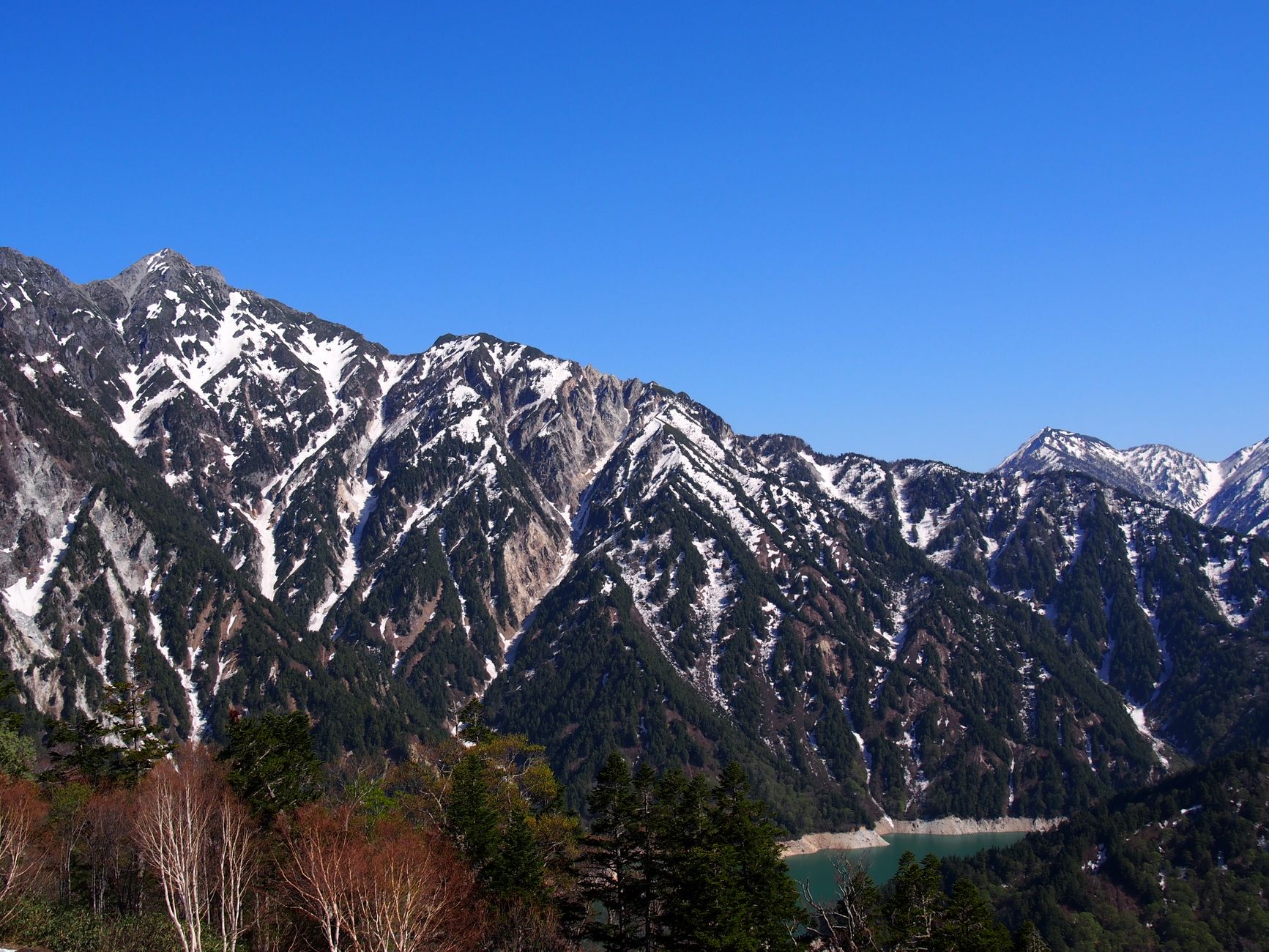
Japan's Northern Alps – Soaring Peaks Above 10,000 Feet
Your complete guide to the Northern Japanese Alps across Nagano and Toyama: best time to visit, how to get there, top viewpoints, and a ready-to-use 1–2 day itinerary.
Mar 21, 2026·✍️ olablog·⏱ 5 min read
Your complete guide to the Northern Japanese Alps across Nagano and Toyama: best time to visit, how to get there, top viewpoints, and a ready-to-use 1–2 day itinerary.
Japan has no shortage of jaw-dropping scenery, but the Northern Alps — straddling Nagano and Toyama prefectures — ranks among the country's most spectacular natural showpieces. This isn't just a destination; it's an immersion. Every ridge, valley, and snow-capped summit has a way of stopping you mid-stride and making you forget whatever was on your itinerary.
1. Why the Northern Alps Will Blow Your Mind
The scale here is the first thing that gets you. The Nagano–Toyama corridor unfolds like a landscape painting that no Instagram filter could improve — golden at sunrise, deep violet at dusk, and something completely different every hour in between. Think the Swiss Alps, but quieter, more dramatic, and with better convenience stores.
The roads leading into the Northern Alps are half the experience. They wind through forested slopes, open onto sweeping valley vistas, and occasionally hug sheer cliff edges in ways that make passengers grip the door handle — in the best possible way. Travelers who've done it consistently say the drive is as memorable as the destination itself.
2. Can't-Miss Photo Spots
The Northern Alps region is packed with viewpoints, from the obvious to the deeply local-knowledge variety. Here are the highlights:
Main observation deck: 180-degree panoramic views across the entire range. Sunrise and sunset here are widely considered the finest in the region.
Ancient cedar avenue: Century-old trees form a dramatic green tunnel overhead — stunning in summer, and absolutely electric in autumn when the foliage turns.
Mirror lake/river reflections: A nearby lake or river throws back a perfect upside-down reflection of the peaks — the kind of symmetrical shot that travel magazines pay good money for.
Summit panorama point: Climb to the area's highest accessible viewpoint for an unobstructed 360° sweep across Nagano and Toyama.
3. Best Time to Visit
Every season delivers something different in the Northern Alps, but August and September hit the sweet spot:
- Most stable weather of the year — ideal for driving mountain passes and staying out all day
- Peak seasonal scenery: late summer wildflowers give way to early autumn color
- Best natural light for photography: 6–9 AM and 4–6 PM
- Visitor numbers are manageable — busy enough to feel alive, not so crowded you're queuing for viewpoints
A winter visit rewards you with otherworldly snowscapes, but mountain roads can ice up fast — budget extra time and consider snow tires or chains. Spring cherry blossoms and full autumn foliage are equally compelling if your schedule allows.
4. The Best Way to Explore — Drive It Yourself
Public transport will get you to the gateway towns, but a rental car is the only way to truly unlock the Northern Alps. No bus timetables forcing you to sprint past a perfect viewpoint. No train stopping somewhere inconvenient. You pull over when the light is right, linger as long as you like, and duck down back roads that don't appear on any tour itinerary.
Most mountain routes here are well-maintained with clear signage in both Japanese and romaji. Passing lanes and rest areas (道の駅, michi-no-eki) appear at sensible intervals, making long drives genuinely comfortable rather than exhausting.
✨ Pro tip: Book a private car through OlaChill and explore the Northern Alps entirely on your own schedule — driver included or self-drive, your call.
5. Sample 1–2 Day Itinerary
Day 1
- 6:00 AM – Head to the main observation deck for sunrise. The early light on the peaks is worth every minute of the early alarm.
- 8:00 AM – Breakfast at a local restaurant; look for Nagano's famous soba or Toyama's fresh seafood on the menu.
- 9:30 AM – Drive the main scenic route, stopping freely at viewpoints along the way.
- 12:00 PM – Lunch at a roadside restaurant or a michi-no-eki rest stop.
- 2:00 PM – Explore secondary attractions: a nearby historic village, waterfall, or alpine lake.
- 5:00 PM – Check in to your hotel or ryokan.
- 6:30 PM – Soak in the onsen (if your accommodation has one), then settle in for a kaiseki dinner.
Day 2
- 7:00 AM – Early breakfast and an early start to beat the day-trippers.
- 8:30 AM – A quieter back-road route or a viewpoint that didn't make the tour-group circuit.
- 11:00 AM – Lake reflection shots — the light at this angle is perfect mid-morning.
- 1:00 PM – Lunch and a slow afternoon to decompress.
- 3:00 PM – Head to your next stop, or begin the return journey.
6. Practical Tips
- 📷 Golden hour matters: The 30 minutes on either side of sunrise and sunset are non-negotiable for photographers. Set that alarm.
- 🚗 Book your rental car early: August and September are high season — reserve at least 1–2 weeks ahead to avoid getting stuck with whatever's left.
- ⛽ Fill up when you can: Gas stations are spread out across Nagano and Toyama. Don't assume there'll be one around the next bend.
- 📱 Download offline maps: Google Maps offline for the Nagano–Toyama area is a genuine lifesaver in mountain zones where cell coverage drops out.
- 🍙 Stock up at convenience stores: 7-Eleven and FamilyMart punch well above their weight in Japan — onigiri, sandwiches, hot drinks. Grab supplies before heading into the mountains.
- ☁️ Check the weather forecast religiously: Mountain conditions change fast, especially in winter and the rainy season (June–July). A weather app refresh before you leave the hotel is a good habit to build.
More from this region — Other
View all →
Noto Peninsula Road Trip – Wild Coastlines, Sea Breezes & Fishing Villages
7 min · tips
A Night at a Ryokan — The Complete A to Z Guide to Traditional Japanese Inns
9 min · experiences
Obon Season Group Travel in Japan: Bus Options, Costs, and Smart Alternatives
8 min · tips

Okonomiyaki and 8 Must-Try Japanese Street Foods
7 min · food