Okonomiyaki and 8 Must-Try Japanese Street Foods
From Osaka okonomiyaki and takoyaki to taiyaki and dango: 8 must-try Japanese street foods, top food hubs like Dotonbori, Ameyoko, and Nakamise, plus practical ordering tips for international travelers.
Aug 8, 2026·✍️ olablog·⏱ 7 min read
From Osaka okonomiyaki and takoyaki to taiyaki and dango: 8 must-try Japanese street foods, top food hubs like Dotonbori, Ameyoko, and Nakamise, plus practical ordering tips for international travelers.
When thinking of Japanese cuisine, many immediately picture high-end sushi spots or upscale ramen shops. But for true food enthusiasts, the authentic soul of Japanese culinary culture lives in smoky roadside stalls and vibrant market alleys: the sizzle of okonomiyaki on a scorching teppan grill, the intoxicating aroma of freshly turned takoyaki, and the eager queues waiting for piping hot, red-bean-filled taiyaki. For travelers who thrive on vibrant street snack culture, Japanese street food is undoubtedly one of the most exciting highlights of any trip. Here is a guide to okonomiyaki alongside 8 quintessential street foods you simply cannot miss.
Okonomiyaki – "Japanese Savory Pancakes" and the Great Osaka vs. Hiroshima Rivalry
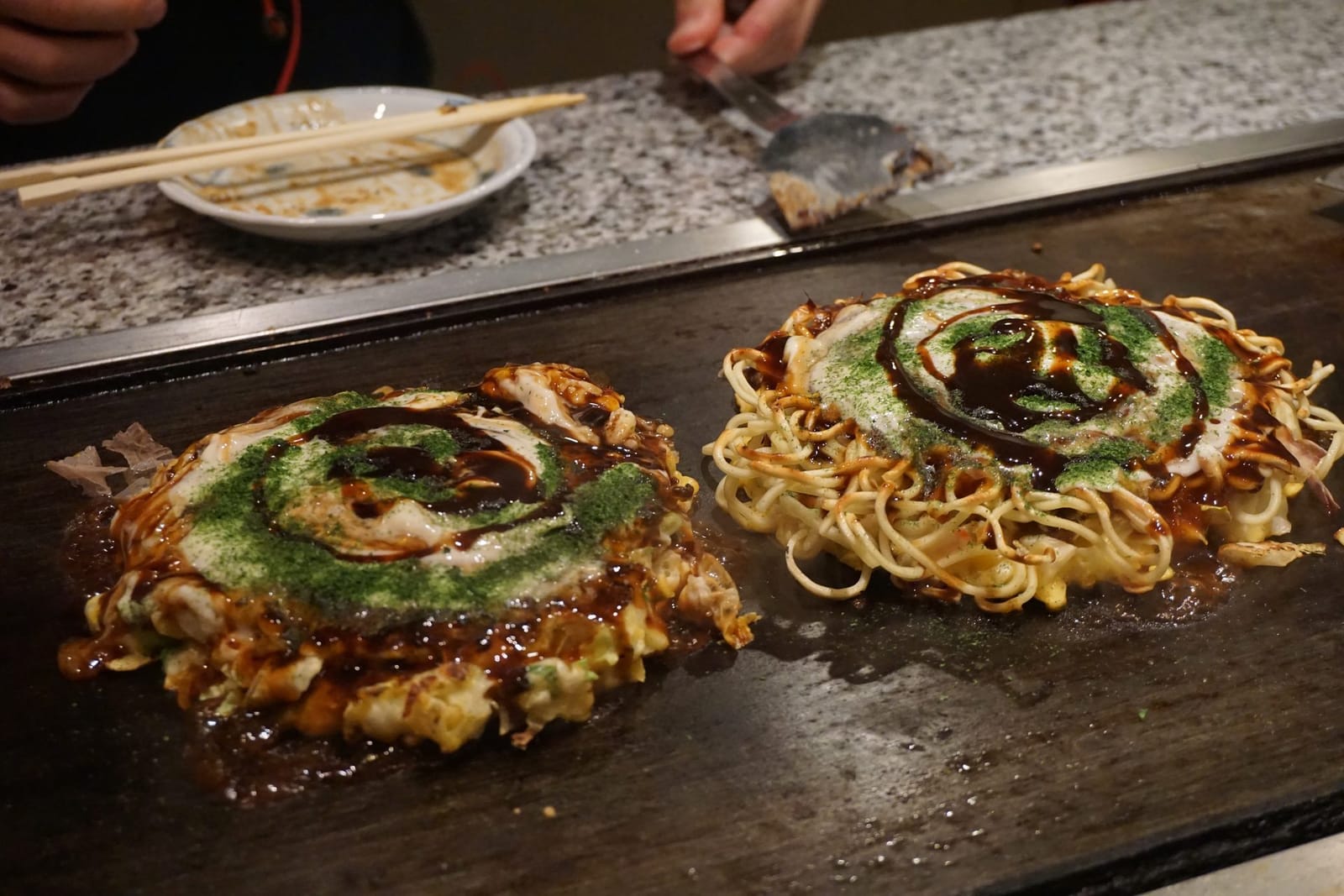
Literally translating to "grilled as you like," okonomiyaki is a savory teppan-cooked pancake made from a batter of wheat flour, eggs, shredded cabbage, and your choice of toppings like pork belly, shrimp, or squid. It is finished with a generous drizzle of rich okonomiyaki sauce, creamy Japanese mayonnaise, powdered seaweed (aonori), and katsuobushi (bonito flakes) that "dance" in the heat. Often dubbed "Japanese savory pancakes" or "Japanese pizza," eating one is every bit as fun and satisfying as it sounds.
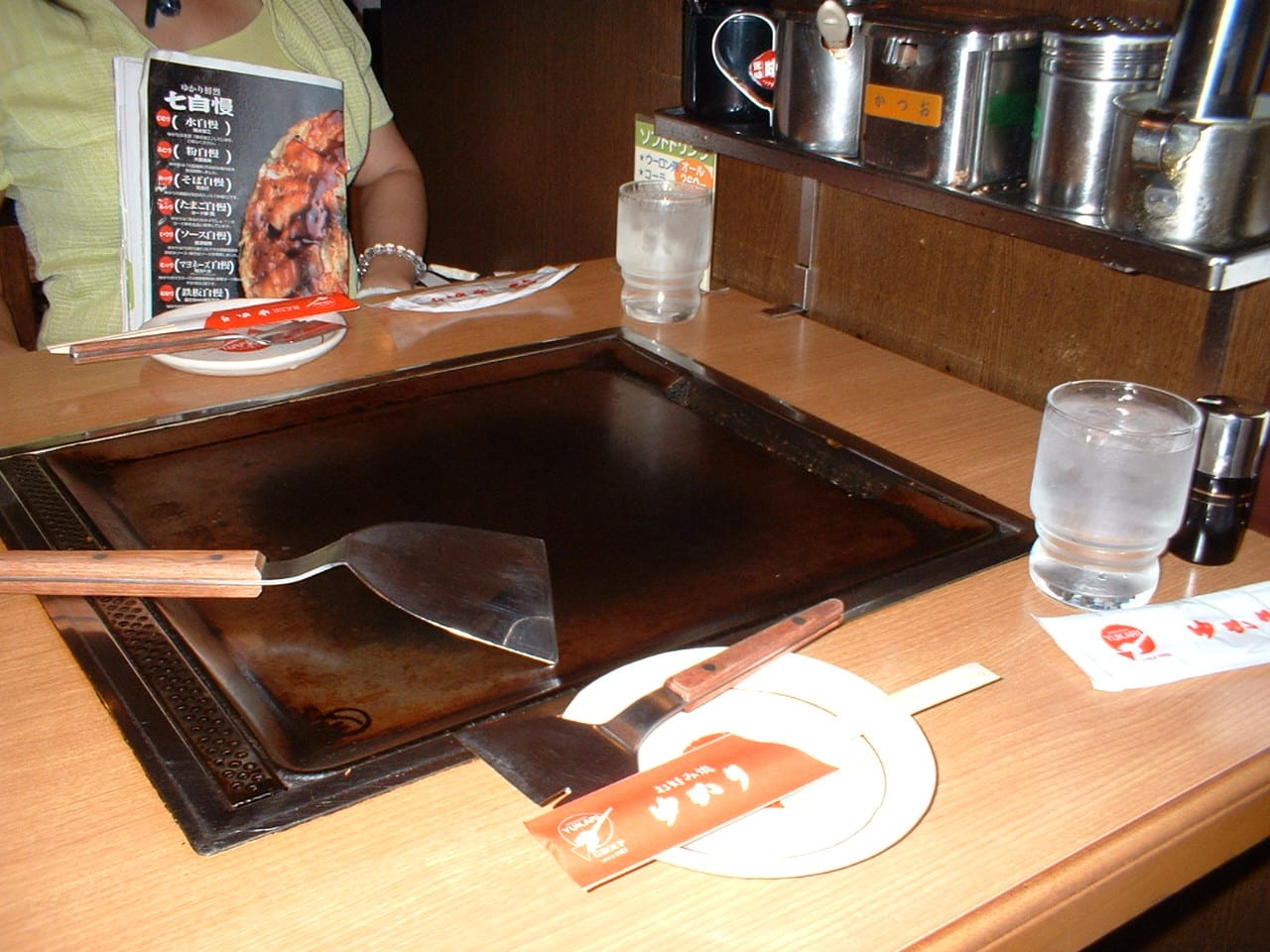
Fascinatingly, Japan boasts two distinct culinary schools when it comes to okonomiyaki. The 大阪(Osaka style) blends all ingredients straight into the batter before pouring it onto the flat-top grill, producing a thick, fluffy, and tender pancake. Conversely, the 広島(Hiroshima style) layers its ingredients meticulously: a thin batter crepe, heaps of cabbage, pork, and notably a layer of fried yakisoba noodles tucked inside, making it heartier with complex textual layers. Devotees of both styles have debated for decades without a clear winner—so the best strategy is to try both! Many specialty restaurants even allow guests to cook their own pancakes on built-in table grills, making it a fantastic group dining experience.
Takoyaki – Piping Hot Octopus Balls, the Iconic Pride of 大阪(Osaka)
If 大阪(Osaka) has a single iconic street food mascot, it is unquestionably takoyaki: spherical batter balls cooked in specialized cast-iron molds, hiding a tender piece of diced octopus inside, coated with savory sauce, mayonnaise, and dancing bonito flakes. Watching vendors flick and rotate the balls at lightning speed with metal picks is a mesmerizing performance in itself. One essential rule of thumb: freshly made takoyaki are as hot as molten lava inside, so be sure to blow on them thoroughly before taking a bite to avoid burning your tongue—a rite of passage almost every first-time visitor experiences!
Sweet Corner: Taiyaki, Imagawayaki, Dango, and Senbei
Taiyaki is an adorable sea-bream-shaped baked cake with a crispy, waffle-like crust. While traditional versions are filled with sweet red bean paste (anko), modern variations offer rich custard cream, chocolate, or sweet potato. Locals playfully debate whether to eat it head-first or tail-first—starting from the tail ensures the sweet filling gets pushed toward the very last bite!
Imagawayaki (also known as obanyaki or kaitenyaki depending on the region) is the thick, disc-shaped relative of taiyaki, packed with hot red bean paste or oozing custard cream. Both treats are budget-friendly, typically costing around 150–300 JPY ($1.00–$2.00 USD) each, making them wonderful hand-warmers while strolling outdoors on a chilly day.
For a taste of traditional confectionery, try dango—chewy rice flour dumplings skewered on bamboo sticks, lightly charred over charcoal, and brushed with a glossy sweet-savory mitarashi soy glaze or dusted with roasted soybean powder (kinako). The iconic three-colored Hanami dango (pink, white, and green) is a celebrated symbol of the spring cherry blossom season. Lastly, do not pass up senbei—crispy toasted rice crackers flavored with soy sauce, wrapped in nori seaweed, or spiced with chili. In historic neighborhood alleys, artisanal vendors grill senbei right in front of you, filling the air with a savory aroma; tasting a warm, freshly toasted cracker on the spot is a completely elevated experience compared to pre-packaged supermarket versions.
Yakitori and Karaage – The Savory Duo for Meat Lovers
Yakitori refers to charcoal-grilled chicken skewers offering everything from juicy thigh and breast meat to crispy skin and chicken-scallion skewers (negima). They come seasoned with either a sweet-savory tare sauce or a light dusting of sea salt. In the evening, duck into smoky narrow alleys (yokocho) crammed with cozy izakayas and order a few skewers paired with an ice-cold draft beer—the quintessential way Japanese locals unwind after a long workday.
Karaage—Japanese-style fried chicken—is a crowd-pleaser that wins over almost every traveler instantly. Boneless chicken pieces are marinated in soy sauce, ginger, and garlic, coated in potato starch, and fried to a golden crunch while remaining exceptionally juicy inside. Typically served in handy paper cups for easy snacking on the move, a quick squeeze of fresh lemon juice takes it over the top.
Where to Find the Best Street Food: 道頓堀(Dotonbori), アメ横(Ameyoko), and 仲見世(Nakamise)
道頓堀(Dotonbori, Osaka) – The absolute mecca of Japanese street food, recognized by its giant mechanical crab signs and the famous Glico Running Man neon billboard. Stretching along the Dotonbori canal, you'll find dense clusters of stalls selling takoyaki, okonomiyaki, and kushikatsu (deep-fried skewers). Osaka locals live by the phrase "kuidaore"—to eat oneself into bankruptcy—and this vibrant strip is the ultimate place to embrace that philosophy.
アメ横(Ameyoko Market, Tokyo) – A bustling open-air market street running underneath the elevated train tracks between 上野駅(Ueno Station) and 御徒町駅(Okachimachi Station). Easily accessible using your JR Pass or IC card (SUICA/PASMO) on the Yamanote Line, it features stalls selling fresh seafood, fruit skewers, karaage, and international snacks. Its energetic atmosphere and affordable price points make it ideal for an afternoon street-food crawl.
仲見世通り(Nakamise Shopping Street, Tokyo) – The historic approach leading to the iconic 浅草寺(Senso-ji Temple) in 浅草(Asakusa). Both sides of the pedestrian street are lined with dozens of heritage stalls offering traditional baked goods: ningyo-yaki, hot senbei, matcha soft-serve ice cream, and dango skewers. It offers a seamless blend of sightseeing and snacking. If you prefer having a local expert guide you through the historic culinary alleys without worrying about navigating, day tours from Tokyo by OlaChill often conveniently pair Asakusa with top-rated dining spots.
Ordering Tips and Japanese Street Food Etiquette
- Point at display models or menu pictures: Almost all street stalls display realistic plastic food models (sampuru) or photo menus with clear pricing, making ordering effortless even without knowing Japanese. Learning the phrase "Kore o kudasai" ("This one, please") is all you need.
- Carry loose cash and coins: Many smaller market stalls do not accept credit cards. While IC cards (Suica/Pasmo) or mobile QR codes are becoming more common, physical cash remains king at street markets.
- Avoid walking while eating (tabearuki) in crowded areas: Japanese cultural etiquette prefers that you consume your food directly beside the stall where you bought it before moving on. Pay attention to local signage and use the trash bins provided right at the vendor's stall.
- Queue in an orderly line: Long queues are usually a reliable stamp of quality; cutting in line is considered extremely rude.
- Individual street snacks generally range from 200–600 JPY ($1.30–$4.00 USD) each, so order small portions at each stop to sample as many local delicacies as possible throughout the day.
Exploring Japanese street food is the fastest way to connect with the authentic rhythm of local everyday life: unpretentious, comforting, and filled with regional pride. From a sizzling okonomiyaki in 道頓堀(Dotonbori) to a sweet dango skewer in front of 浅草寺(Senso-ji Temple), every single bite adds a memorable piece to your journey. Arrive hungry, leave thoroughly satisfied—and be sure to check out OlaChill's food section for more insider culinary tips before packing your bags!