
A Night at a Ryokan — The Complete A to Z Guide to Traditional Japanese Inns
The complete guide to staying overnight at a ryokan: selecting the perfect inn, kaiseki dinner etiquette, onsen bathing rules, tatami futon sleeping, pricing breakdown, and recommendations near Tokyo.
Aug 8, 2026·✍️ olablog·⏱ 9 min read
The complete guide to staying overnight at a ryokan: selecting the perfect inn, kaiseki dinner etiquette, onsen bathing rules, tatami futon sleeping, pricing breakdown, and recommendations near Tokyo.
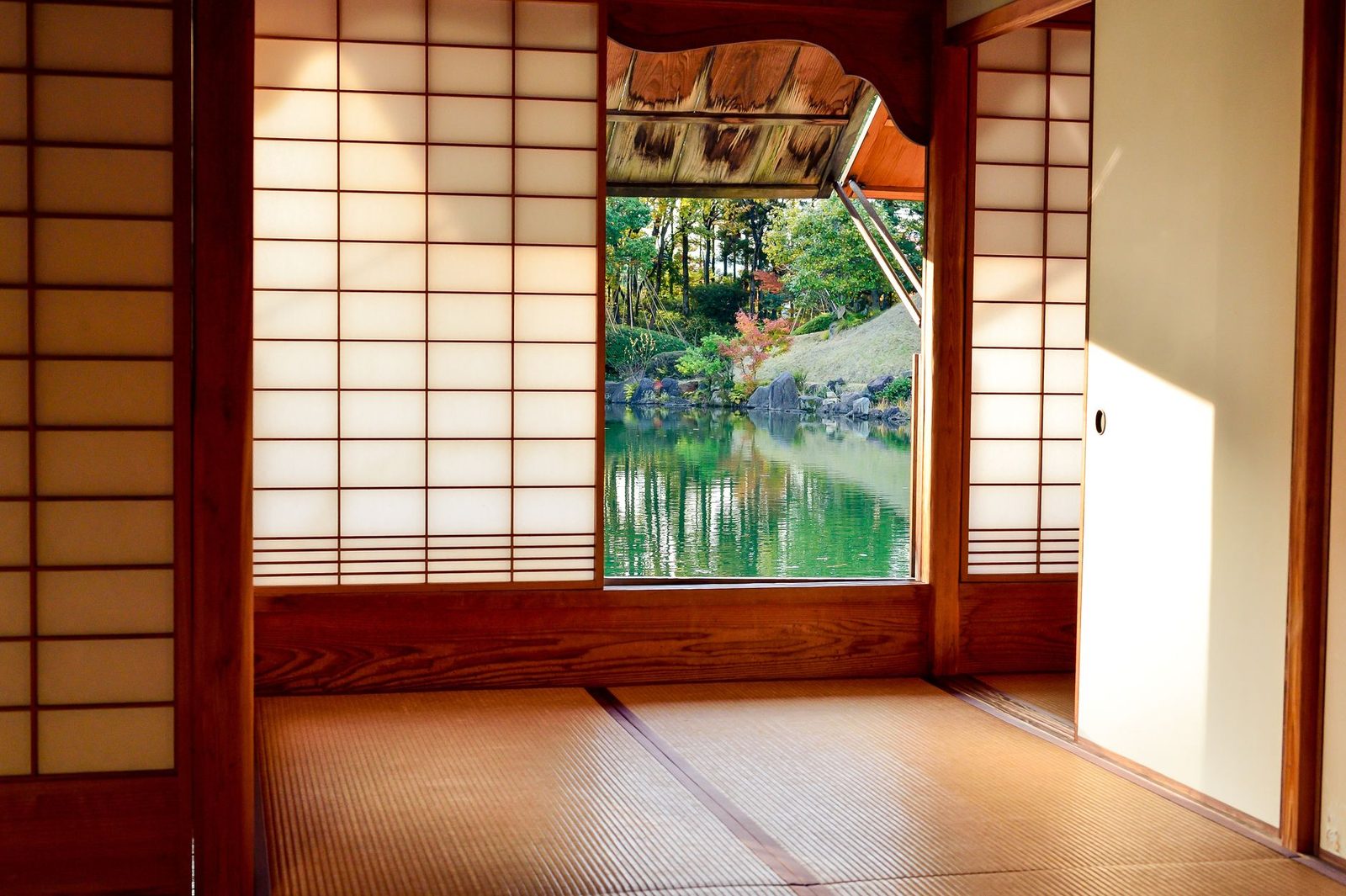
There are some travel experiences that even the most ultra-modern five-star luxury hotel can never replace, and spending a night at a ryokan (旅館 - traditional Japanese inn) is undeniably one of them. A ryokan is far more than just a place to lay your head; it is an immersive, holistic ritual from the second you remove your shoes in the entryway until your departure after breakfast the following morning: welcome tea, comfortable yukata robes, an exquisite kaiseki dinner, steaming onsen thermal baths, and a plush futon laid neatly over natural tatami straw mats when you return to your room. Many international travelers remark that a night spent at a traditional ryokan was the exact moment they truly "understood" Japan during their entire journey. This guide will help you prepare every detail to ensure your stay is flawless.
How is a Ryokan Different from a Hotel, and How Do You Choose the Right One?
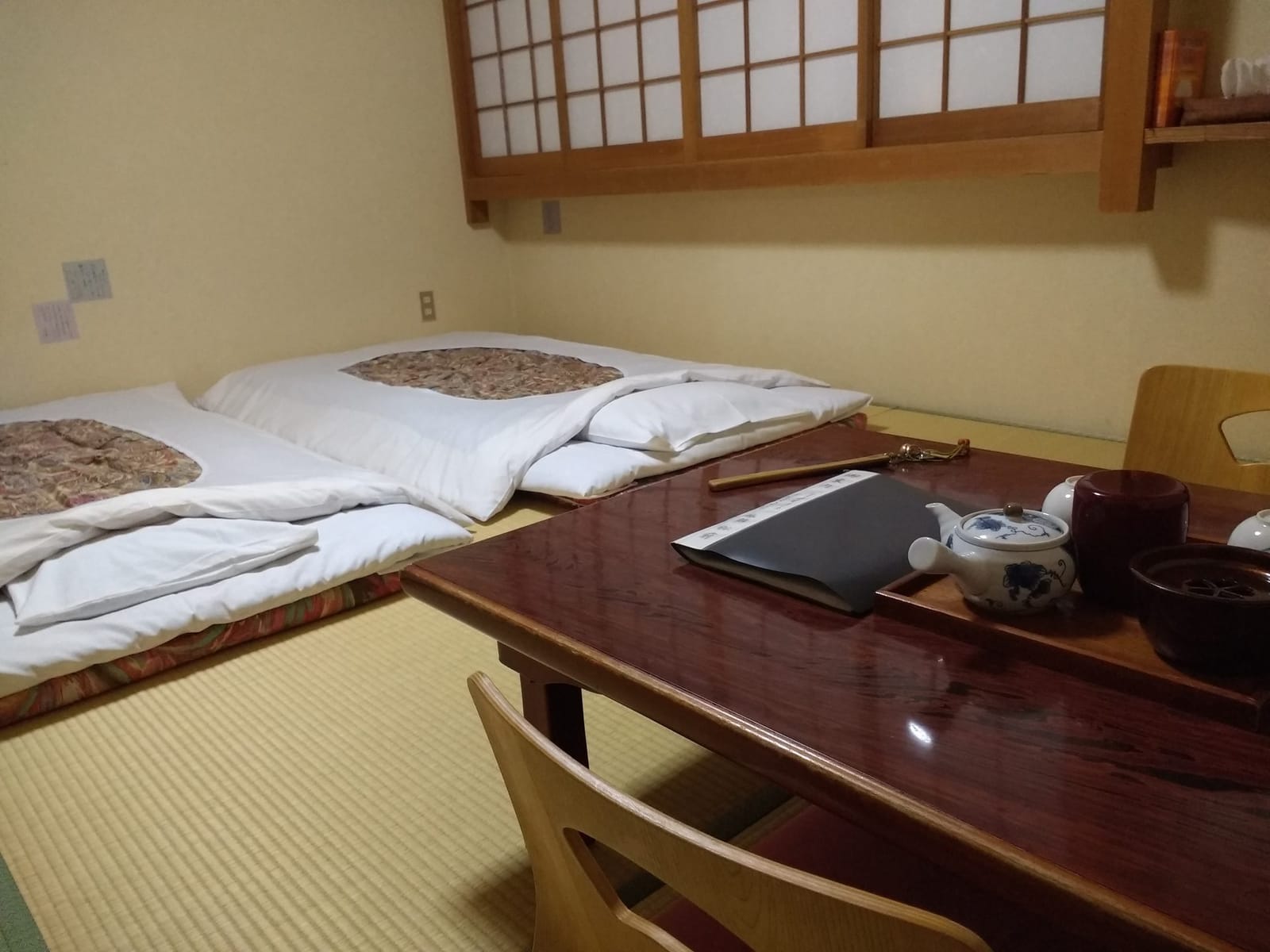
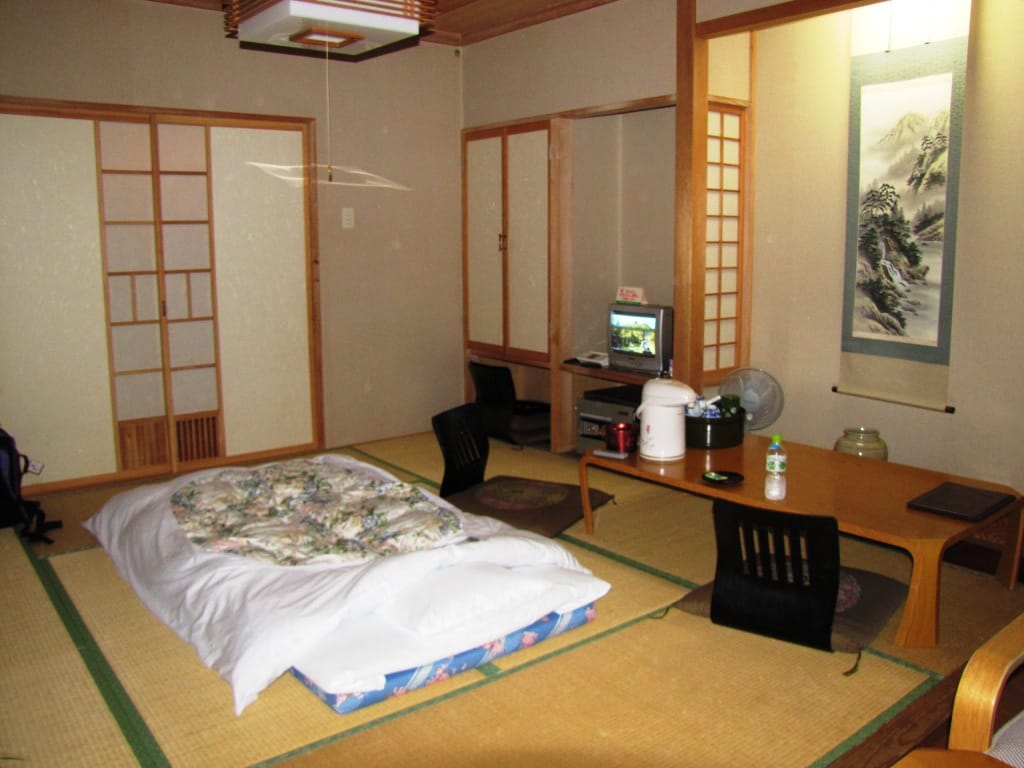
The single biggest difference is that at a ryokan, you are paying for an all-inclusive cultural experience rather than simply renting a room. Room rates are almost always calculated per person rather than per room, and standard rates include a multi-course kaiseki dinner and a traditional breakfast—two elaborate meals that account for a substantial portion of the overall stay's value. Guest rooms feature natural woven tatami mats and no standard Western beds; attentiveness is key, as the inn's staff will discreetly lay out your futon bedding while you dine in the evening.
When selecting the ideal ryokan for your trip, consider four essential factors:
- Presence of an Onsen: Not every ryokan features natural thermal hot spring water (onsen / 温泉). If hot springs are your primary priority, choose established hot spring towns such as 箱根(Hakone), 草津(Kusatsu), 城崎(Kinosaki), or 別府(Beppu).
- Private Baths (kashikiri-buro / 貸切風呂): Ideal for couples, families with young children, or travelers with tattoos who prefer not to bathe publicly. High-end luxury rooms may even feature a private outdoor open-air bath (rotenburo) attached directly to your balcony.
- Dining Arrangements: Read the property details carefully to see whether dinner is served privately in your guest room (heya-shoku) or in a communal dining room. Be sure to notify the inn well in advance if you are vegetarian or have severe seafood allergies—ryokan kitchens source fresh seasonal ingredients in exact quantities, making last-minute menu changes on-site virtually impossible.
- Scale and Ambience: Small, family-run ryokan with only a few rooms offer an intimate, heartwarming atmosphere where the innkeepers attend to you personally; larger resort-style onsen hotels offer extensive bath facilities and modern conveniences, though with a bit less individual privacy.
A practical timing tip: plan to arrive at your ryokan by 5:00 PM (17:00). Arriving late means not only risking missing the strict dinner service schedule, but also missing out on the magical late-afternoon hours when you can put on a yukata and unwind—a quintessential highlight of the ryokan stay.
Kaiseki Dinner — A Culinary Performance
Kaiseki (懐石) represents the ultimate pinnacle of Japanese haute cuisine: a meticulously orchestrated multi-course banquet of eight to over ten small dishes served in a precise traditional sequence—seasonal appetizers, delicate sashimi, simmered delicacies, grilled specialties, fried dishes, steamed rice, soup, and seasonal dessert. Each dish consists of just a few refined bites presented like a miniature work of art, highlighting hyper-seasonal and regional ingredients: sweet snow crab in winter, salt-grilled ayu sweetfish in summer, or fragrant matsutake mushrooms in autumn.
Don't be intimidated by complex dining etiquette: simply enjoy each course in the order it is brought out, use your chopsticks, and savor the meal slowly. A kaiseki dinner typically unfolds over 90 minutes to two full hours—treat it as the evening's main event rather than a meal to rush through. Local regional sake (nihonshu) is the ultimate pairing companion; feel free to ask the staff for their top local recommendations. Breakfast the next morning is equally bountiful, featuring grilled fish, Japanese omelets, steaming rice, miso soup, and pickled vegetables—so make sure you don't plan breakfast anywhere else.
Proper Onsen Etiquette — Essential Rules Made Easy
Experiencing a natural hot spring bath is often the part that makes first-time foreign visitors feel most nervous, but the traditional rules are actually quite clear and simple:
- Wash thoroughly before entering the water. The bathhouse area features rows of individual shower stations equipped with low stools; scrub yourself clean and rinse off all soap completely before stepping into the hot bath.
- Enter the bath water completely naked. Onsen soaking is strictly done in the nude, with completely separate facilities for men and women. The small hand towel provided is meant exclusively for drying off—never submerge your towel into the bathwater; most bathers fold it neatly and rest it on top of their heads while soaking.
- Maintain a tranquil atmosphere, refrain from swimming, and never take photos. An onsen is a quiet sanctuary dedicated to peaceful relaxation, not a recreation pool.
- Tattoos: Some traditional establishments still restrict guests with visible tattoos. For small tattoos, waterproof cover-up patches are usually sufficient; for extensive body art, book a ryokan offering private baths (kashikiri) or properties explicitly advertised as tattoo-friendly.
A pro insider tip: try to soak at least twice—once right before dinner, and again late at night or early in the morning when the open-air bath (rotenburo) is quiet and atmospheric steam rises into the crisp air. Always remember to stay hydrated by drinking water before and after your soak to prevent lightheadedness.
A Night on a Futon and Tatami Room Etiquette
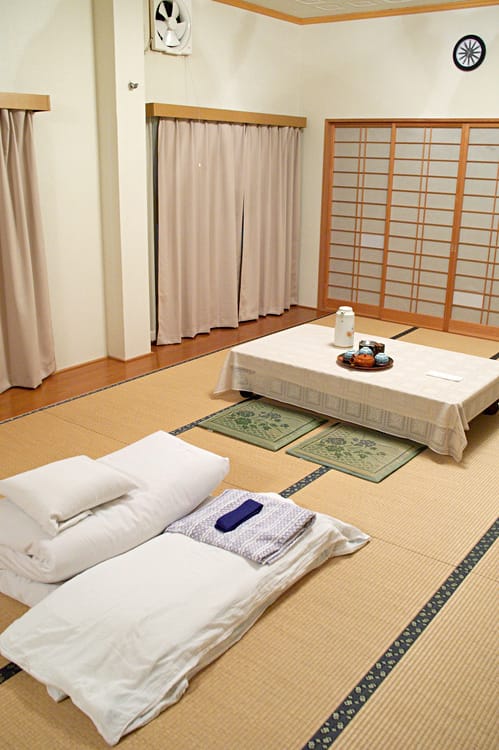
When you return to your room after dinner, you will find it seamlessly transformed: the low tea table has been moved to the side, and thick futon mattresses have been laid out neatly in the center of the room with warm duvets and pillows. Sleeping on a futon atop natural straw tatami mats is surprisingly comfortable and far more supportive than many Western travelers anticipate. Keep a few simple rules in mind: never drag wheeled suitcases across delicate tatami mats (always pick your luggage up), avoid stepping directly on the raised wooden door thresholds or cloth mat borders, and leave outdoor shoes and indoor slippers at the entryway—walk only in socks or bare feet inside tatami rooms. When putting on your yukata, always wrap the left side over the right side (wrapping right over left is reserved exclusively for traditional funerals); wearing your yukata down to the dining room or out for a stroll through the hot spring town is completely natural and encouraged.
How Much Does a Night at a Ryokan Cost?
Rates are generally charged per person (rather than per room) and include both a multi-course dinner and breakfast ($1 USD ≈ ¥150 JPY):
- Budget-friendly: Around ¥10,000–¥18,000 per person (~$65–$120 USD) — smaller or basic traditional inns, simpler meals, and potentially shared bath facilities.
- Mid-range: Around ¥20,000–¥35,000 per person (~$130–$230 USD) — the most popular segment, offering authentic hot spring baths, superb kaiseki meals, and attentive hospitality.
- Luxury: From ¥40,000 to well over ¥100,000 per person (~$260–$665+ USD) — premium rooms featuring private open-air balcony baths, master chefs, and personalized in-room dining service.
Weekend rates and peak holiday seasons (autumn foliage, New Year holidays, and Golden Week in late April/early May) are significantly higher than weekday rates. If you are traveling on a budget, an excellent tip is to book a mid-range ryokan between Sunday and Thursday nights—you will enjoy the exact same high-end service and cuisine at a far more affordable price.
Great Ryokan Destinations Near Tokyo for Time-Conscious Travelers
You don't need to travel far across Japan to enjoy an authentic overnight ryokan retreat:
- 箱根(Hakone) (approx. 90 minutes from 新宿駅(Shinjuku Station) aboard the Odakyu Romancecar; easily accessible using your IC Card / Suica / Pasmo or regional transport passes): The quintessential choice featuring hundreds of ryokan across all price points, easily paired with Lake Ashi cruises and Mount Fuji views.
- 日光(Nikko) & 鬼怒川温泉(Kinugawa Onsen) (approx. 2 hours from 浅草駅(Asakusa Station) via Tobu Railway): Combine UNESCO World Heritage shrines and temples in Nikko with a scenic riverside hot spring getaway in Kinugawa.
- 伊豆(Izu Peninsula) – 熱海(Atami), 伊東(Ito), 修善寺(Shuzenji) (45 minutes to 2 hours): Atami is under an hour from Tokyo via the JR Shinkansen bullet train (fully covered by the JR Pass), making it ideal for tight travel schedules; historic Shuzenji offers a peaceful, classical atmosphere complete with bamboo groves.
- 草津(Kusatsu Onsen) (approx. 3–4 hours): Located further out in Gunma Prefecture, but widely recognized as having some of the most therapeutic, top-rated natural hot spring waters in all of Japan.
For a typical 5 to 7-day itinerary centered around Tokyo, a popular formula used by smart travelers is to stay in city hotels for most nights, while reserving one night in the middle of the trip for a relaxing ryokan retreat in 箱根(Hakone) or 伊豆(Izu) to reset your pace. Explore curated sample itineraries featuring authentic ryokan stays on our OlaChill Japan Tours page, or learn more about bathhouse culture in our dedicated Japan travel blog.
A night spent at a ryokan might not be the most high-tech night of your entire trip—but it will almost certainly be the single memory you treasure most. Slowing down your pace, soaking deep in mineral-rich hot spring waters, enjoying a meal cooked with immense local pride, and falling asleep on a plush futon scented with fresh straw mats: this is Japan at its absolute gentlest and most soulful.
More from this region — Other
View all →
Obon Season Group Travel in Japan: Bus Options, Costs, and Smart Alternatives
8 min · tips

Okonomiyaki and 8 Must-Try Japanese Street Foods
7 min · food
Tips for Choosing an Accommodation with a Private Open-Air Bath
1 min · experiences
Your First Onsen in Japan: Step-by-Step Bathing Etiquette
5 min · experiences