Japan Shrine and Temple Etiquette: A Detailed Beginner's Guide
A step-by-step guide to Japanese shrine and temple etiquette: passing torii gates, purifying at temizuya, the 2-2-1 bow-clap rule, incense rituals, omamori charms, and omikuji fortunes.
Aug 8, 2026·✍️ olablog·⏱ 7 min read
A step-by-step guide to Japanese shrine and temple etiquette: passing torii gates, purifying at temizuya, the 2-2-1 bow-clap rule, incense rituals, omamori charms, and omikuji fortunes.
Standing before the vermilion 鳥居(torii gate) of a Japanese shrine, many first-time travelers suddenly hesitate: Should I bow? How many times do I clap? Which coin should I toss into the offering box? The Japanese are exceptionally forgiving toward international visitors, and no one will judge you for making a mistake. However, knowing the proper etiquette elevates your experience immensely—transforming you from a mere spectator into an active participant. This guide walks you step-by-step through the entire process, from entering the grounds to drawing an おみくじ(omikuji fortune).
First, Distinguish Between Shrines and Temples
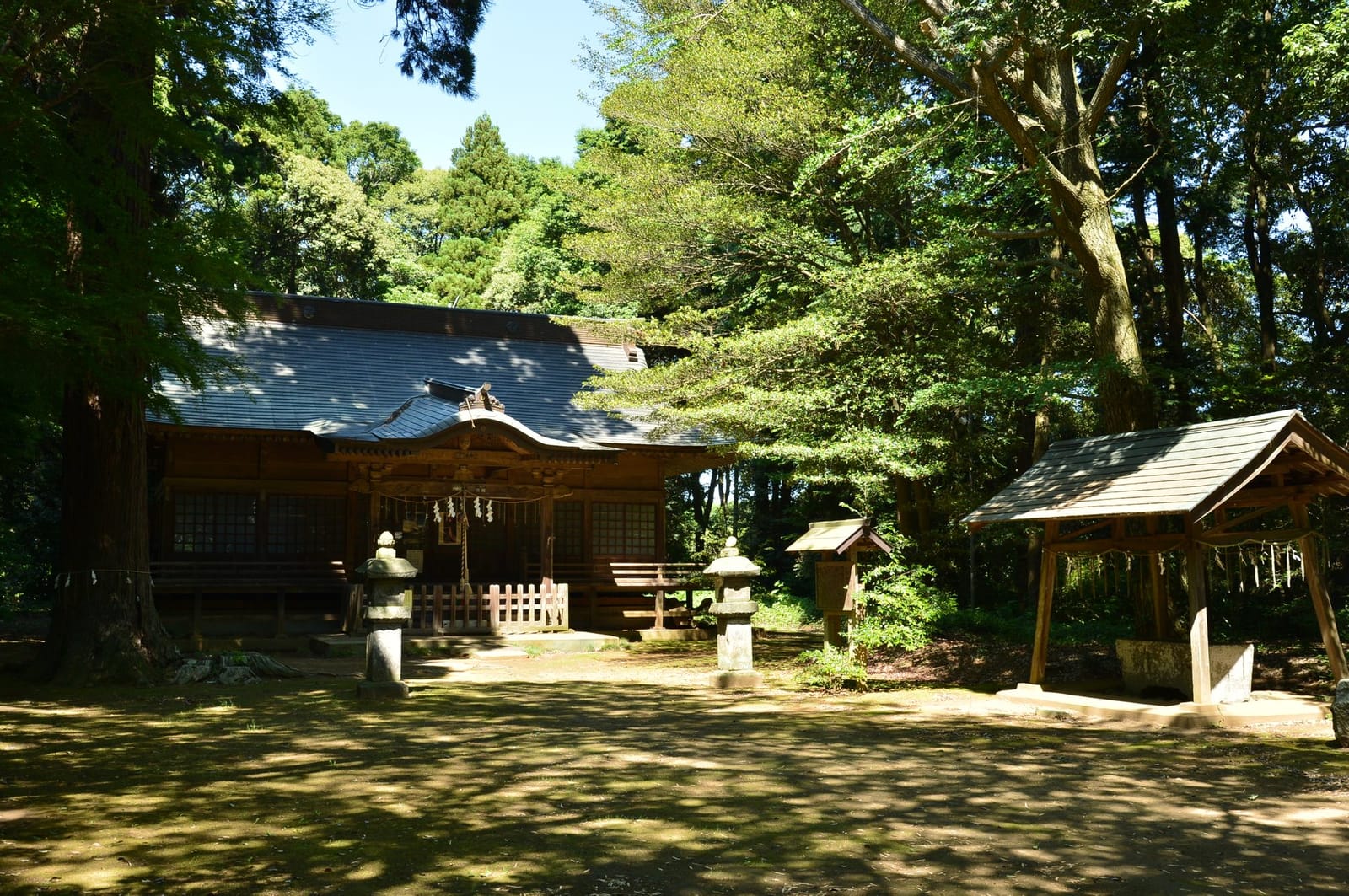
The most common point of confusion is that Japan has two parallel religious traditions. Shinto shrines (神社 - jinja) honor Shinto spirits known as kami, recognizable by 鳥居(torii gates) and 注連縄(shimenawa sacred ropes); rituals here involve clapping hands. Buddhist temples (お寺 - otera) honor Buddha, characterized by imposing wooden 山門(sanmon gates) with guardian statues and a large incense burner in the courtyard; rituals here require quiet prayer with hands pressed together without clapping. A handy rule of thumb: if you see a torii gate, clap; if you see incense smoke, press your hands silently in prayer. 明治神宮(Meiji Jingu Shrine) is a shrine, whereas 浅草寺(Sensoji Temple) in 浅草(Asakusa) is a temple—Tokyo’s two most popular sacred sites belong to these two entirely distinct traditions.
Crossing the Torii Gate: The Threshold Between Two Worlds
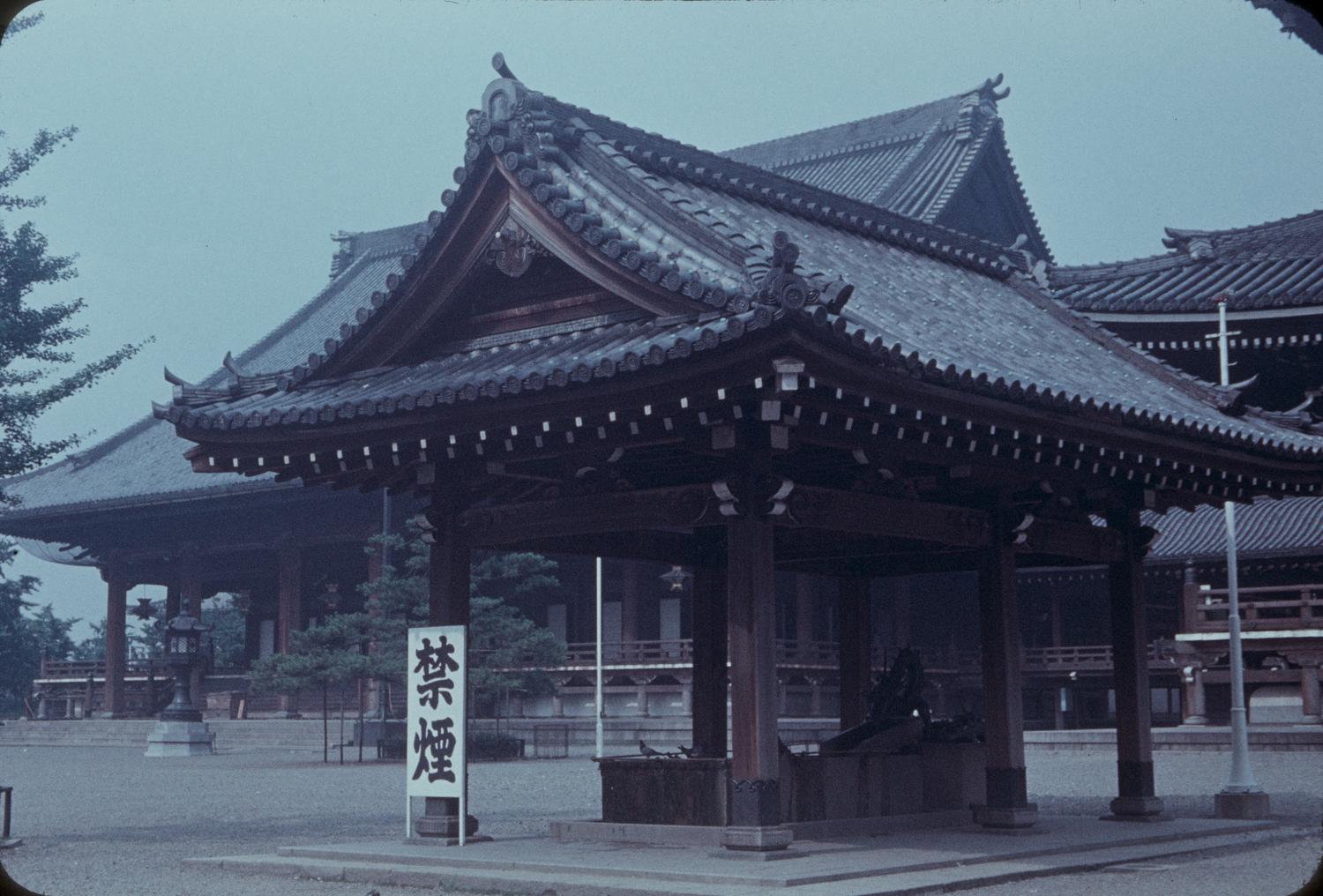
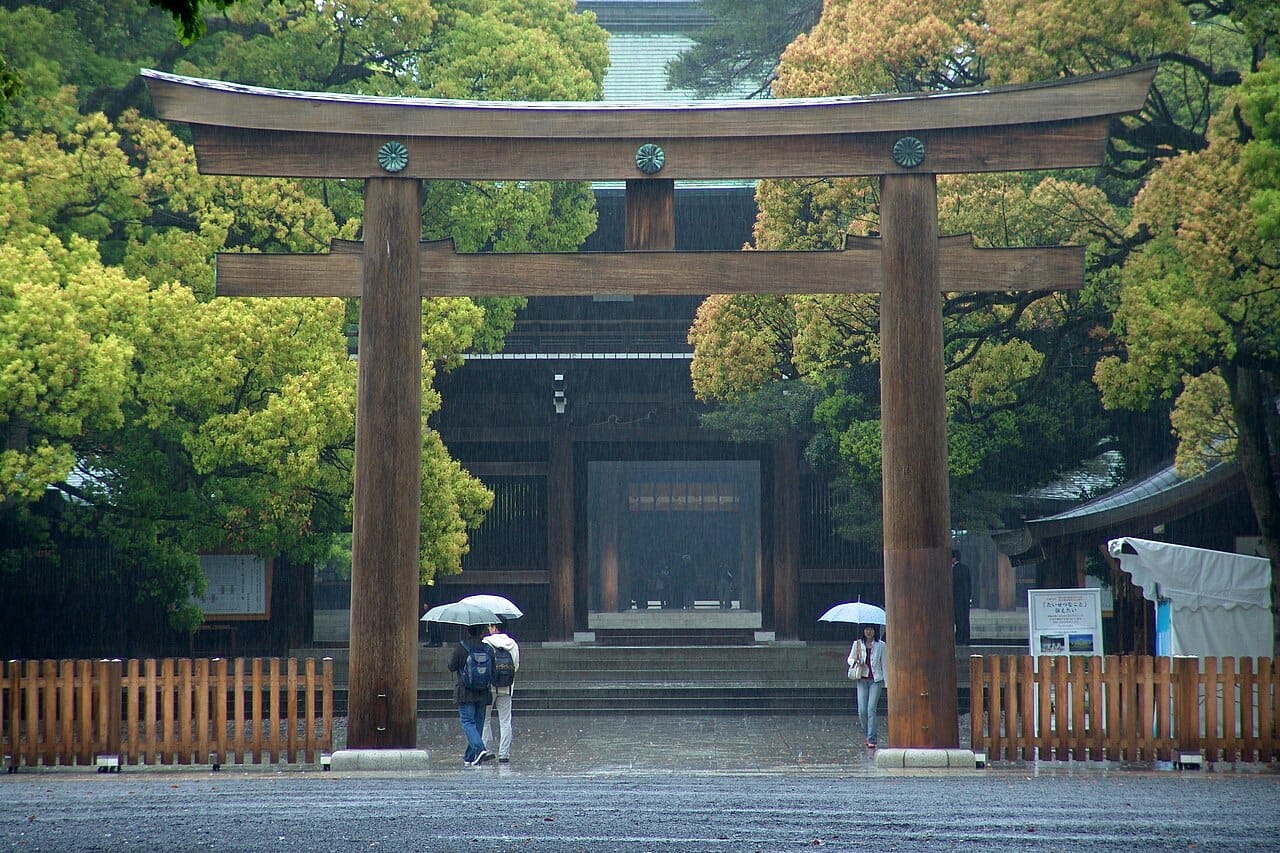
A 鳥居(torii gate) marks the boundary between the secular world and sacred space. Before stepping through, pause for a moment and take a slight bow. When walking along the 参道(sando - the main path leading to the shrine), avoid walking directly down the center. The central pathway, called 正中(seichu), is traditionally reserved for the spirits (kami), so you should walk slightly to the left or right side. When exiting the shrine grounds, many locals turn back toward the gate and bow once more. At Buddhist temples, a similar etiquette applies to the 山門(sanmon gate): bow slightly before entering, and be mindful not to step directly onto the wooden door threshold.
Purification at the Temizuya: Cleansing Before Your Visit
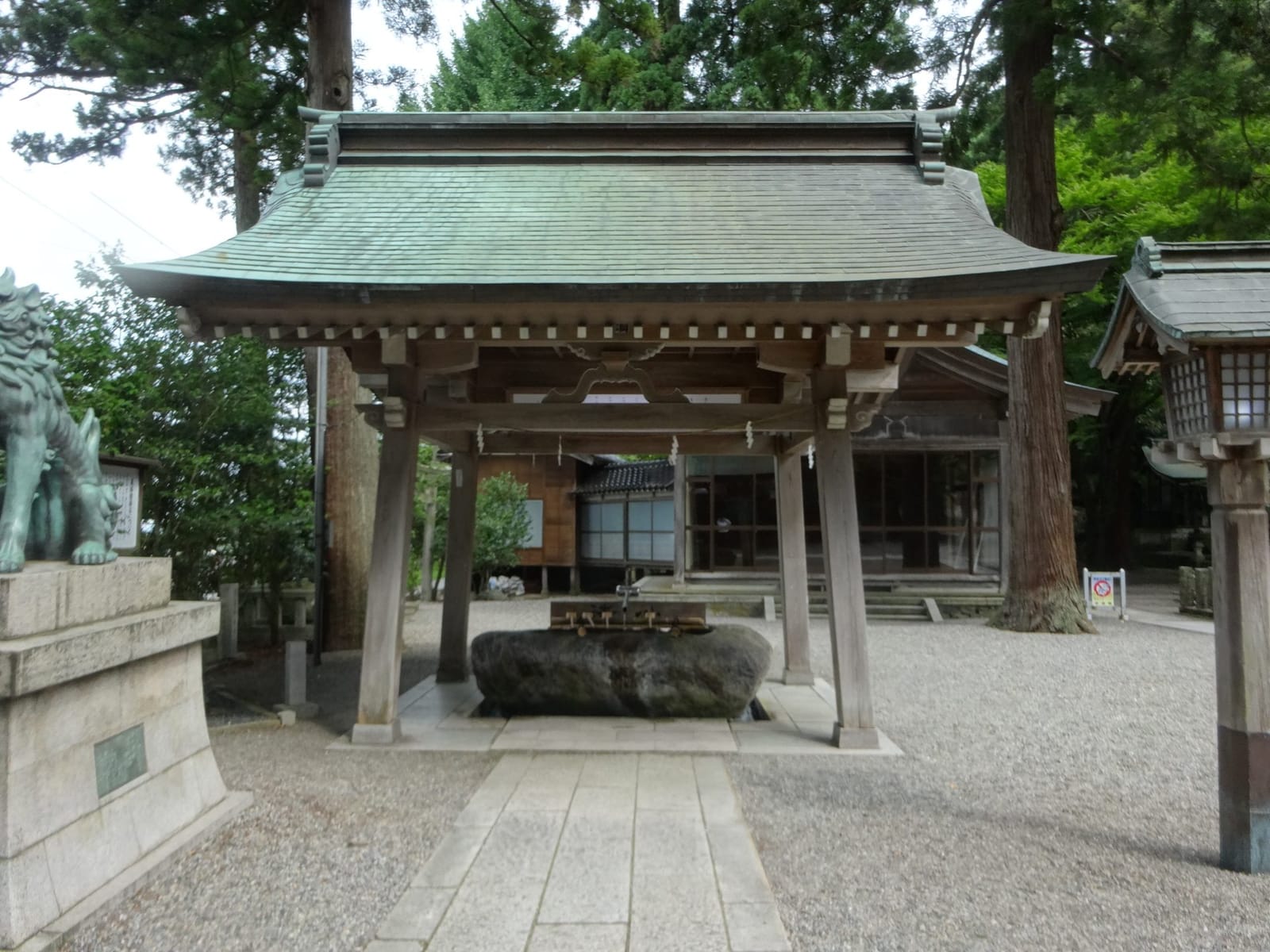
Near the entrance, you will always find a 手水舎(temizuya or chozuya)—a stone water pavilion featuring bamboo ladles. The standard sequence should ideally be completed using just one scoop of water:
- Hold the ladle with your right hand, scoop water, and wash your left hand.
- Switch the ladle to your left hand and wash your right hand.
- Switch the ladle back to your right hand, pour a small amount of water into your cupped left hand, gently rinse your mouth (never touch the ladle directly to your lips), and discreetly spit into the drainage trough.
- Wash your left hand once more, then tilt the ladle vertically so the remaining water flows down to rinse the handle, and place the ladle face-down back where you found it.
Never drink the water, and never spit back into the water basin. If there are no ladles provided (many sites transitioned to continuous flowing spouts post-pandemic), simply cupping your hands to rinse them is completely sufficient.
The 2-2-1 Worship Method at Shinto Shrines
Upon reaching the main hall, the standard ritual is known as "二拝二拍手一拝" (ni-hai, ni-hakushu, ichi-hai)—2 bows, 2 claps, 1 bow:
- Gently drop a coin into the 賽銭箱(saisenbako - offering box). A 5-yen coin (~$0.03 USD) is favored because "go-en" (五円) is a homophone for "good fortune" or "blessed connections"; the amount does not matter, but avoid throwing it forcefully.
- If there is a large bell with a rope hanging in front, ring the bell once or twice to announce your presence to the kami.
- Bow deeply twice (at roughly a 90-degree angle).
- Clap your hands twice, holding your right hand slightly lower than your left hand, then bring your palms together to pray silently for a few seconds.
- Bow deeply once more before stepping back.
A notable exception: 出雲大社(Izumo Taisha Shrine) in 島根県(Shimane Prefecture) requires four claps instead of two. At Buddhist temples, omit clapping entirely: drop your coin, press your hands together quietly at chest height, bow your head in silent prayer, bow lightly, and step away.
Burning Incense at Temples and the Meaning of Smoke
In front of the main hall at major temples, you will find a large incense burner called 常香炉(jokoro). Purchase a small bundle of incense (about ¥100 / ~$0.70 USD), light it, and remember never to blow out the flame with your breath—human breath is considered impure in sacred spaces; instead, gently wave your hand to extinguish the flame so only smoke remains. Insert the incense into the burner, then use your hands to wave the aromatic smoke toward your body. The Japanese believe this sacred smoke has healing powers: waving it over your head invites wisdom, while waving it over your shoulders or back promotes good health. At 浅草寺(Sensoji Temple), watching visitors "bathe" in the billowing smoke around the incense burner is one of the most iconic sights in 浅草(Asakusa).
Omamori and Omikuji: Bringing Blessings Home
お守り(Omamori) are protective brocade amulets sold at the 授与所(juyosho - shrine or temple counter), each designed for a specific purpose: academic success (学業 - gakugyo), warding off evil (厄除け - yaku-yoke), love and matchmaking (縁結び - en-musubi), traffic safety (交通安全 - kotsu-anzen), and more. Prices generally range from ¥500 to ¥1,500 (~$3.50 to $10 USD). A key rule: never open the amulet pouch to peek inside, as doing so releases its spiritual protection. Traditionally, after one year, omamori should be returned to a shrine or temple to be ritually burned; however, if you live overseas, keeping them as respectful mementos is perfectly fine.
おみくji(Omikuji) are paper fortune slips (usually costing ¥100 to ¥300 / ~$0.70 to $2.00 USD) obtained by shaking a wooden cylinder to retrieve a numbered stick or drawing a scroll at random. Fortunes range from 大吉(daikichi - great good luck) to 吉(kichi - good luck) down to 凶(kyo - bad luck). If you draw a bad fortune, don't worry—simply fold the paper and tie it onto the designated wire racks or wooden frames on the grounds to leave your bad luck behind at the shrine. If you draw a good fortune, keep it in your wallet as a lucky charm. Major destination spots like 浅草寺(Sensoji Temple) offer bilingual English-Japanese omikuji slips.
Remember to keep your voice down within the holy grounds, ask or look for signs before taking photos inside main halls (where photography is often forbidden), dress respectfully when visiting major sacred sites, and respect line queues during crowded holidays. While shrine and temple etiquette may sound like a lot of steps on paper, you will easily remember them once you try them in person—and there is a special sense of connection when performing each ritual correctly in a thousand-year-old sanctuary. Once you have mastered these basics, pick out some of Japan's most breathtaking shrines and temples to put your knowledge into practice—detailed recommendations can be found in our guides on the OlaChill blog, or let our local guides lead the way on one of our OlaChill Japan tours.