Chartering a 45-Seat Bus in Kyoto: A Complete Group Travel Guide
Plan a smooth Kyoto group trip with practical advice on 45–50-seat coaches, pickup points, parking, routes, pricing and peak-season travel.
Aug 21, 2026·✍️ olablog·⏱ 8 min read
Plan a smooth Kyoto group trip with practical advice on 45–50-seat coaches, pickup points, parking, routes, pricing and peak-season travel.
Tap a region to browse articles
Kyoto is one of Japan’s most rewarding destinations for group travel—and one of the most difficult to navigate with a large vehicle. Narrow historic streets, pedestrian-heavy sightseeing districts and strict parking rules can make a standard tour bus inconvenient unless the itinerary is planned carefully.
For school groups, company trips, wedding parties, cruise excursions and large family holidays, a 45–50-seat full-size coach offers comfort and reliable coordination. Everyone travels together, luggage stays in the coach’s storage compartment, and a licensed Japanese operator can handle local roads, traffic and designated bus access.
This guide explains how to charter a large coach in Kyoto, where groups commonly meet, how bus parking works, which day trips are popular and what to consider when requesting a 10-hour estimate.
Why choose a 45–50-seat coach in Kyoto?
A full-size coach is designed for large groups that would otherwise need several taxis, vans or smaller buses. It is especially useful when your group has luggage, older travelers or a fixed schedule involving multiple hotels and sightseeing stops.
Typical advantages include:
- Seating for approximately 45–50 passengers, depending on the vehicle layout
- Underfloor luggage storage for suitcases and day bags
- Air conditioning and comfortable high-back seats
- A professional Japanese driver familiar with local roads
- Easier headcounts and group communication
- One coordinated vehicle instead of several separate transfers
The main limitation is access. A large coach cannot stop directly in front of every temple, restaurant or hotel. Your itinerary should combine legal loading points, short walks and reserved bus parking.
Convenient central pickup points
Kyoto Station
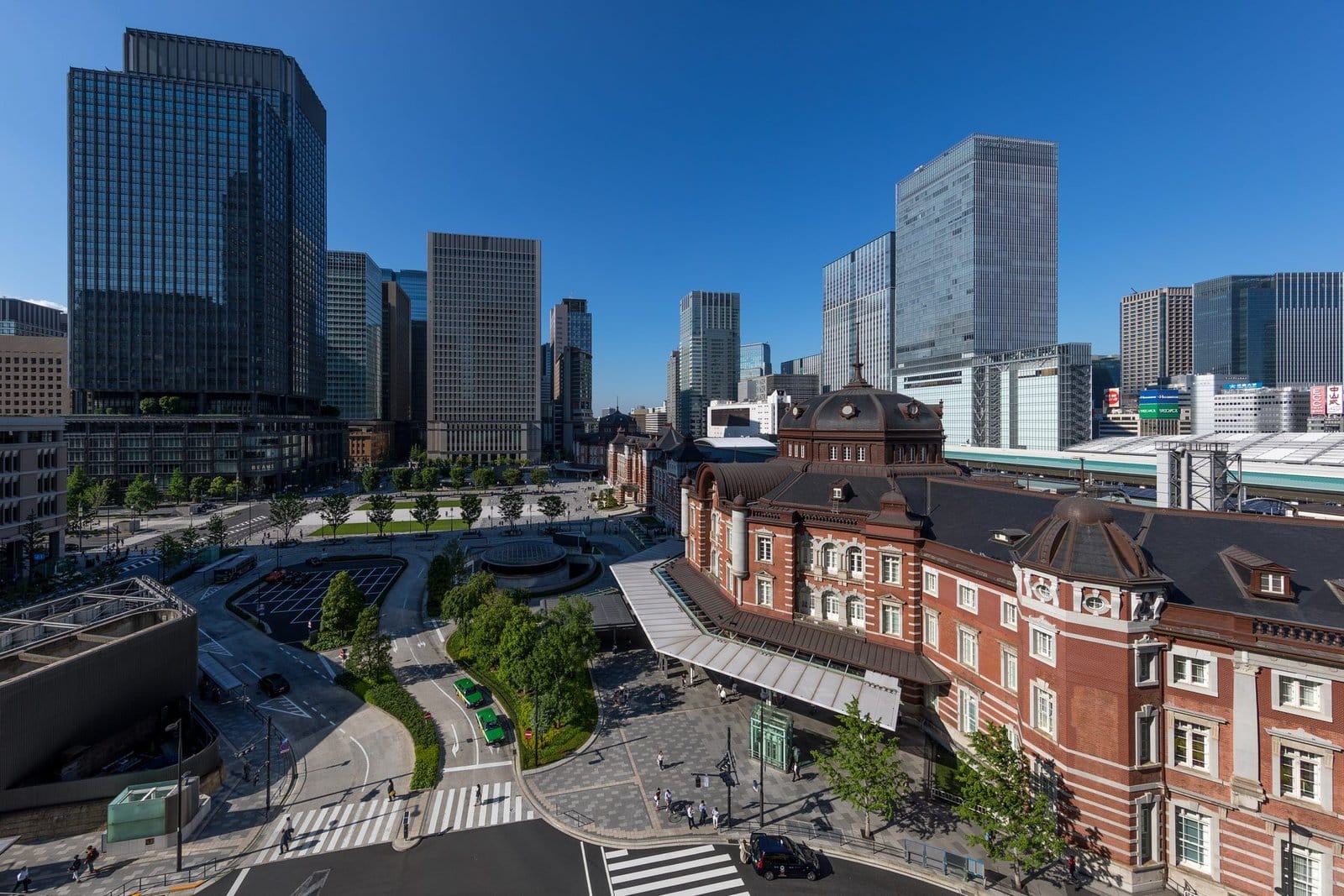
Kyoto Station is the most practical meeting area for many groups. The Hachijo-guchi side has access to major hotels, airport transfers and highway connections. Depending on traffic controls and the exact location, your coach may use a designated loading area rather than wait directly outside the hotel entrance.
Kyoto Station is a good starting point for:
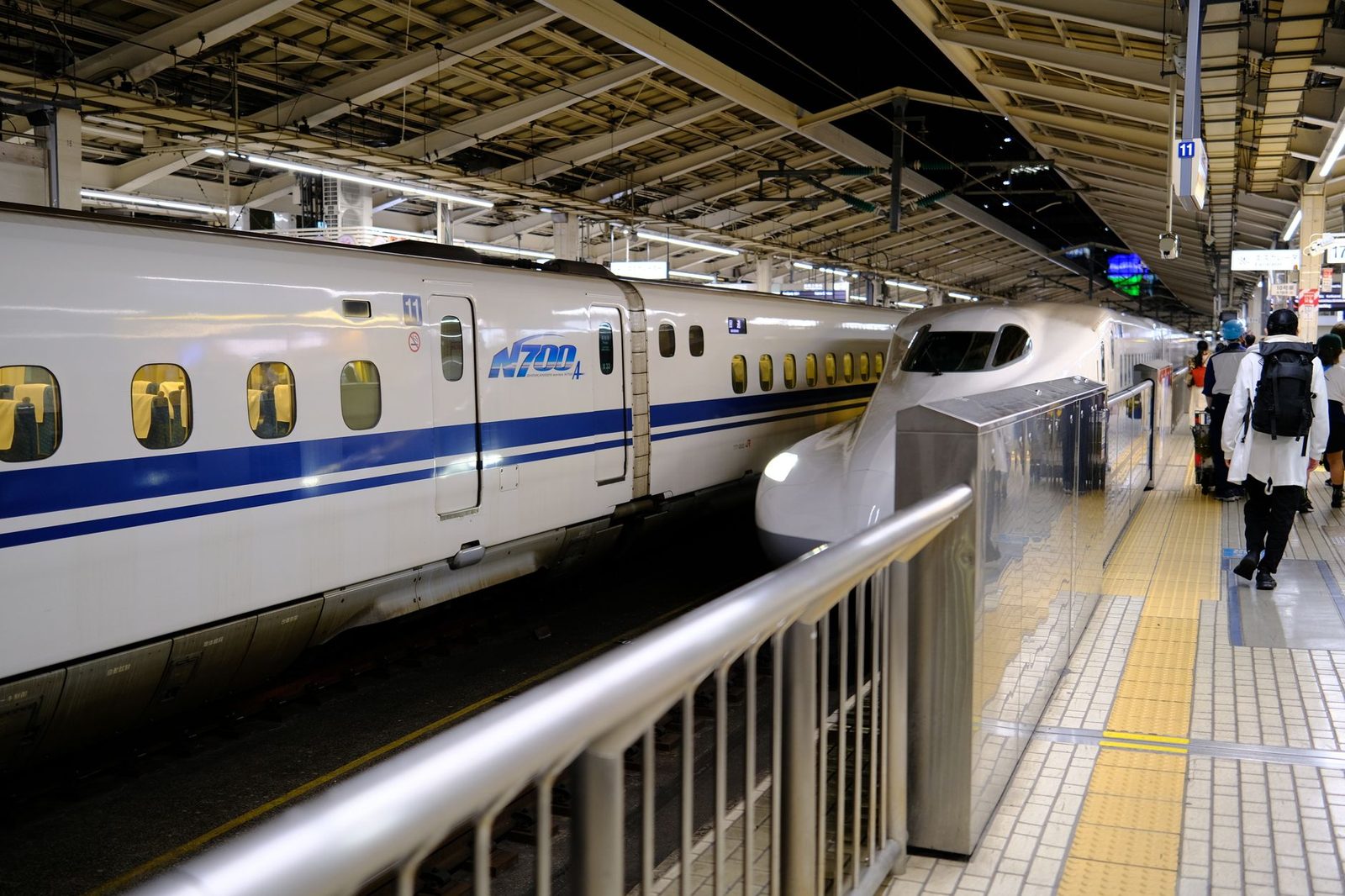
- Groups arriving by Shinkansen
- Travelers staying around the station
- Day trips to Nara, Osaka or Lake Biwa
- Multi-hotel pickups arranged in advance
Because the station area can become congested, give passengers a clear meeting instruction, including the station exit, nearby landmark and time to walk to the coach.
Shijo, Karasuma and central Kyoto hotels
Hotels around Shijo, Karasuma and Kawaramachi are convenient for travelers but often sit on busy streets with limited curb space. A 45–50-seat coach may need to collect passengers from a nearby wider road or an approved hotel loading area.
Ask your hotel whether it can accept a full-size coach. A hotel’s ability to welcome taxis or small minibuses does not automatically mean it can accommodate a large touring coach.
Kyoto’s major gateway hotels
Large hotels on the outskirts of the central districts may offer better coach access and easier departure arrangements. If your group is staying in a resort-style property or conference hotel, confirm the vehicle height, turning space and loading procedure before booking.
Bus parking in Kyoto: what groups need to know
Parking is one of the most important parts of a Kyoto coach itinerary. A driver cannot simply leave a large bus at a sightseeing area while passengers explore. At popular attractions, buses may need to use a designated parking facility, reserve a time slot or follow a specific unloading route.
The most useful planning rules are:
- Reserve parking wherever the attraction requires it.
- Check whether the parking reservation is made by the tour operator, hotel or group organizer.
- Build walking time into the schedule from the bus lot to the entrance.
- Avoid planning several attractions that all require long transfers from remote parking.
- Confirm height, length and access restrictions for the specific coach.
- Keep the bus moving when possible instead of using it as a waiting room.
At Kiyomizu-dera, Gion, Nishiki Market and many traditional lanes, the coach will usually drop passengers at an approved point and continue to a designated parking area. The group then meets the driver at a pre-arranged location and time.
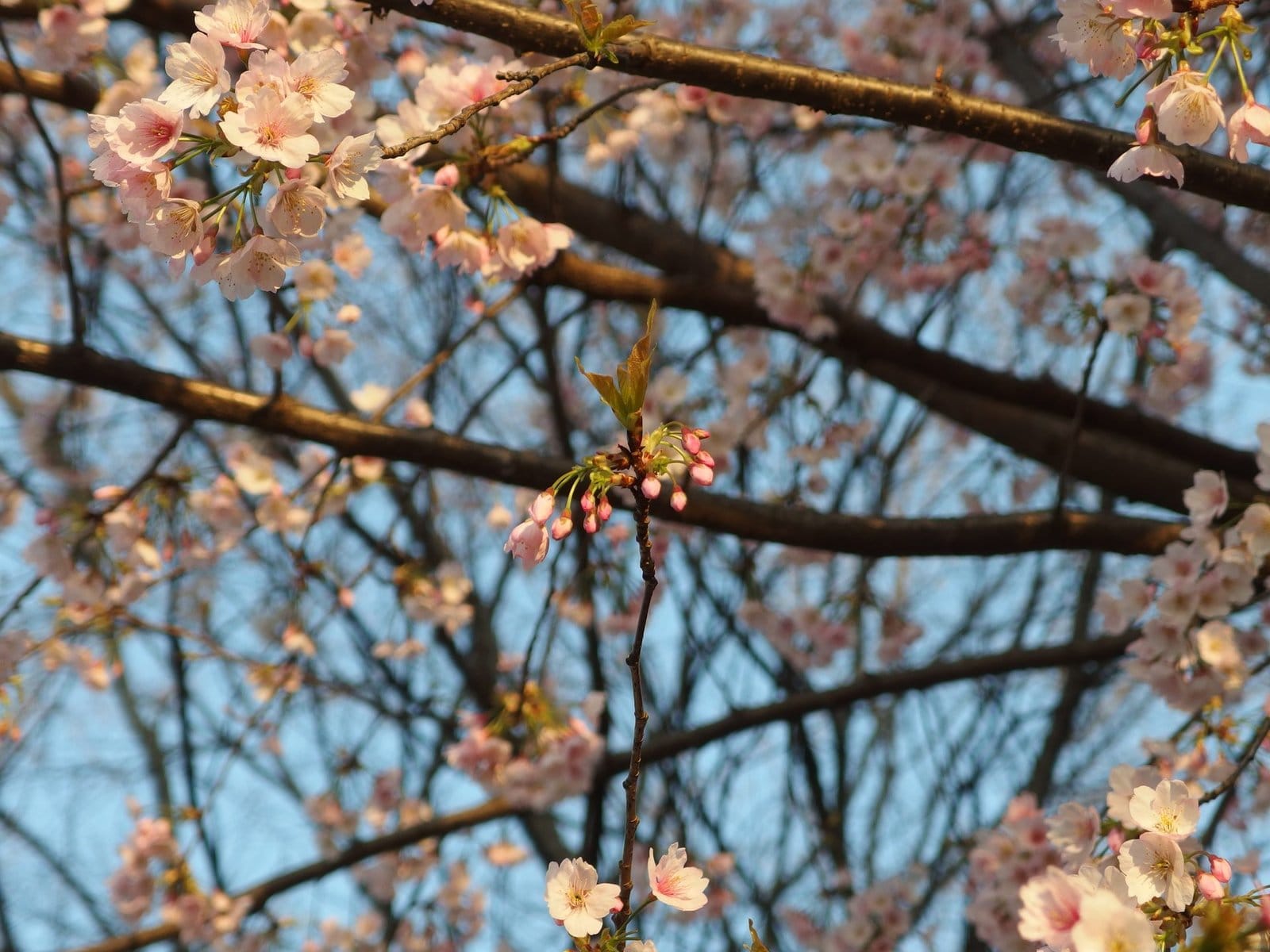
Parking availability can become particularly tight during cherry blossom season, autumn foliage, weekends and Japanese holiday periods. A licensed local operator can suggest realistic pickup points and adjust the route when a major attraction has temporary traffic restrictions.
Popular full-day routes from Kyoto
A 10-hour charter allows a group to combine several stops, although the ideal route depends on traffic, walking speed and parking availability. Trying to cover too many famous sights can turn the day into a series of rushed photo stops.
Classic Kyoto highlights
A common route may include Fushimi Inari, Kiyomizu-dera, Gion or Higashiyama, and Arashiyama. These areas offer different experiences, from shrine gates and temple views to traditional streets and riverside scenery.
Because each district has different access rules, the itinerary should allow for walking between the bus stop, parking area and attraction entrance.
Arashiyama and northern Kyoto
A more relaxed route can focus on Arashiyama, Kinkaku-ji and Ryoan-ji. This combination works well for groups interested in gardens, temples and scenic neighborhoods. Departing early is helpful, especially when the bamboo grove and Togetsukyo Bridge area are busy.
Kyoto and Nara
Nara is a popular day trip from Kyoto for groups who want to see Todaiji Temple, Nara Park and Kasuga Taisha. The route is straightforward by charter coach, but the schedule should account for walking distances and the time required to gather passengers in busy park areas.
Kyoto and Lake Biwa
Lake Biwa, Otsu and nearby cultural sites offer an alternative to the most crowded Kyoto districts. This option can suit repeat visitors or groups looking for scenery, relaxed sightseeing and a less concentrated route.
Kyoto with Osaka or Kobe
A private coach can also connect Kyoto with Osaka or Kobe, either as a one-way transfer or as part of a wider Kansai itinerary. Confirm whether the charter includes a return to Kyoto, overnight accommodation for the driver or additional operating time.
Price for a 10-hour charter day
OlaChill's standard price for a 45-seat coach is ¥99,000 for a 10-hour day (29 seats ¥69,000, 60 seats ¥129,000), with extra hours at ¥15,000 each. Expressway tolls, parking, and the driver's meals and lodging on overnight trips are billed separately.
| Coach | Seats | 10-hour day |
|---|---|---|
| Medium bus | 29 | ¥69,000 |
| Large coach | 45 | ¥99,000 |
| Extra-large coach | 60 | ¥129,000 |
Your written quote lists tolls, parking and any extra hours for your actual route before you book.
Tips for peak travel seasons
Kyoto becomes especially demanding during cherry blossom season, autumn foliage from mid-November to early December, weekends and major Japanese holidays. The coach itself is only one part of the planning challenge; hotels, restaurants, attraction reservations and bus parking can also sell out.
For a smoother trip:
- Request a quote as early as possible.
- Share the passenger count, luggage quantity and preferred vehicle size.
- Provide hotel names and exact pickup addresses.
- List must-see attractions in priority order.
- Plan an early departure for Arashiyama and Fushimi Inari.
- Avoid changing the route repeatedly on the day.
- Ask about accessible boarding arrangements for travelers with limited mobility.
- Keep a group leader at the front and rear of the group during walks.
- Prepare a mobile contact number for the organizer and driver.
- Leave time for traffic near Kyoto Station, Higashiyama and Arashiyama.
A realistic itinerary is usually better than an ambitious one. In Kyoto, a short distance on the map can take much longer when roads are crowded or the group must walk from a bus parking area.
How to request your coach
When completing a charter request, include:
- Travel date and operating hours
- Number of passengers
- Number and approximate size of suitcases
- Pickup and drop-off locations
- Planned sightseeing stops
- Whether the coach must remain in Kyoto or travel to another city
- Accessibility or child-seat requirements
- Preferred language for trip coordination
For a licensed Japanese operator and a 45–50-seat full-size coach, request a free quote from OlaChill; the team replies within 24 hours.
FAQ
Can a 45-seat bus enter Kyoto’s historic districts?
Sometimes, but not every street is suitable for a full-size coach. Your operator will usually arrange a legal drop-off point and direct the bus to designated parking while the group explores on foot.
Is bus parking included in the charter price?
It depends on the quotation and route. Some parking or toll-related costs may be listed separately, so ask for an itemized estimate before confirming the trip.
Can the bus pick up passengers at a Kyoto hotel?
Often, but the hotel must have suitable access and permission for a large coach. If the entrance is on a narrow or busy road, the pickup may take place at a nearby approved location.
Is a 10-hour charter enough for Kyoto sightseeing?
It can be enough for a focused itinerary with several major stops. For a relaxed schedule, choose fewer areas and allow time for walking, meals, parking transfers and traffic.
Should groups book a coach early for autumn and spring?
Yes. Vehicle availability and bus parking become more limited during popular seasons. Early planning gives you a better chance of securing the right coach and a practical route.