Japan's Southern Alps – A Vast, Untouched Wilderness Most Tourists Never Find
Your complete guide to the Minami Alps across Yamanashi, Nagano & Shizuoka: best time to visit, how to get around, top viewpoints, and practical travel tips.
Jan 15, 2026·✍️ olablog·⏱ 6 min read
Your complete guide to the Minami Alps across Yamanashi, Nagano & Shizuoka: best time to visit, how to get around, top viewpoints, and practical travel tips.
Japan has no shortage of jaw-dropping scenery, but the Southern Alps (南アルプス) — straddling Yamanashi, Nagano, and Shizuoka prefectures — is the kind of place that makes seasoned travelers stop mid-sentence and just stare. While the crowds pile into Kyoto and scramble for Fuji Five Lakes viewpoints, this remote mountain heartland sits largely undiscovered, offering raw alpine grandeur that feels genuinely wild. Coming here isn't just a day trip; it's a full immersion into a Japan that most guidebooks barely mention.
1. What Makes the Southern Alps So Special
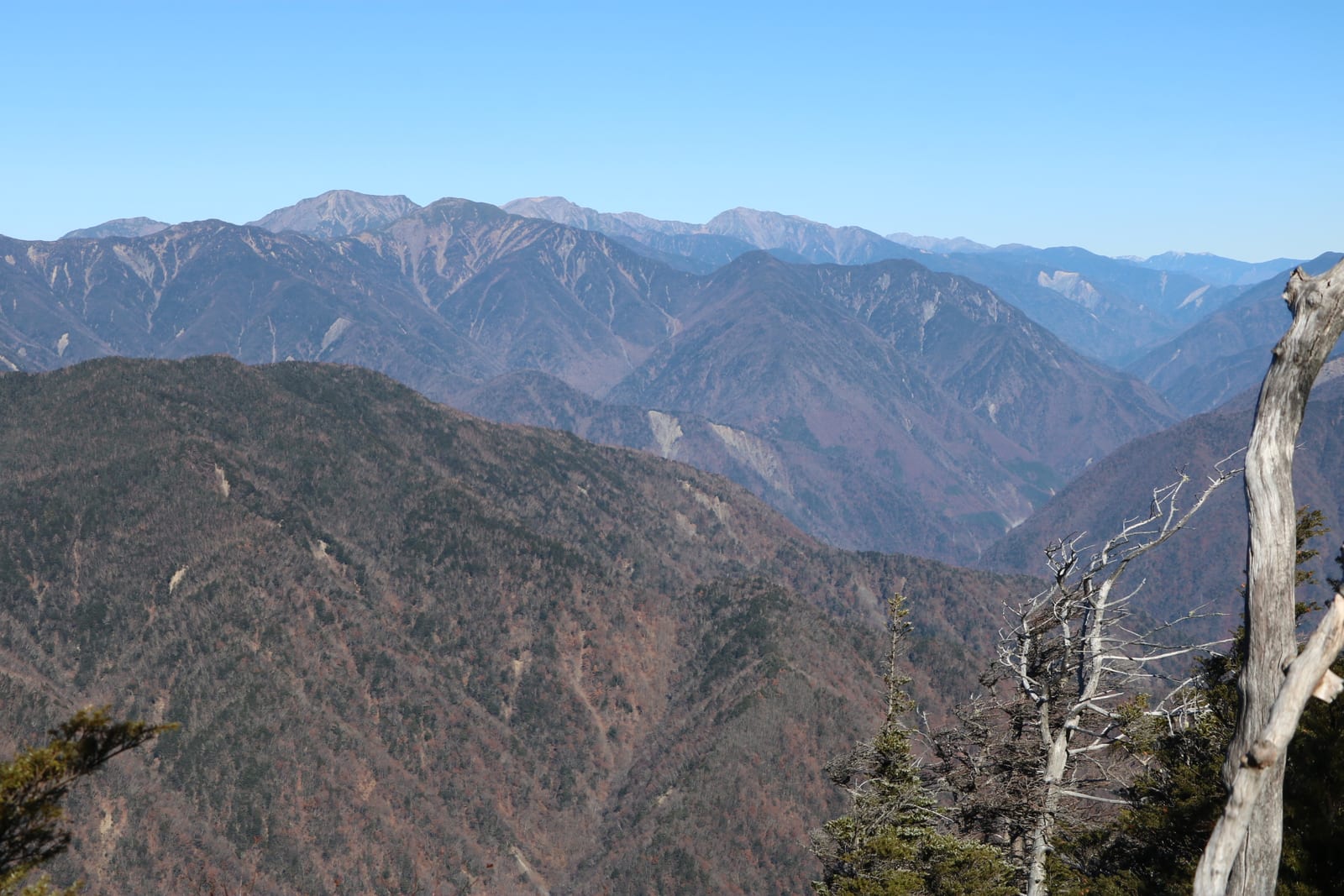
The scenery here operates on a different scale from Japan's well-trodden tourist circuit. The Yamanashi–Nagano–Shizuoka border region unfolds like a painting that only nature could pull off — ridgelines stacked behind ridgelines, river valleys carved deep into uplifted sedimentary rock, and light that shifts from a warm gold at sunrise to a dusky violet-pink at dusk. No two hours look the same.
The drives in and around the Southern Alps are half the attraction. Roads coil through mountain passes, run alongside braided riverbeds, and hug forested slopes where the tree canopy closes overhead. Travelers consistently say the journey to the Southern Alps is as memorable as anything they find once they arrive — less a point-to-point transfer, more a road trip that happens to have a destination at the end of it.
2. Top Spots You Shouldn't Miss
The Southern Alps region packs in far more viewpoints, hidden corners, and photo opportunities than you can cover in a single visit. Here are the highlights:
Main Observation Deck: A sweeping 180-degree panorama across the entire Southern Alps range. Sunrise and sunset here consistently rank as the best in the region — set your alarm.
Ancient Cedar Trail: A tunnel of centuries-old trees that arches overhead like a natural cathedral. It's especially striking in summer when the canopy is fully green and the light filters through in long shafts.
Reflection Point (Lake or River): A nearby lake or slow-moving river acts as a near-perfect mirror, doubling the mountain scenery above. Ideal for symmetry shots on a calm, windless morning.
Summit Viewpoint: Hike or drive to the area's highest accessible point for a full panorama stretching across all three prefectures — the kind of view that earns a permanent spot on your camera roll.
3. Best Time to Visit
Every season reframes the Southern Alps in a completely different light, but August is the sweet spot. Here's why:
- Most stable weather of the year — ideal for long drives and hiking without weather anxiety
- Scenery hits peak summer lushness, with vivid greens across every slope
- Natural light is perfect for photography during the golden hours: 6–9 a.m. and 4–6 p.m.
- Visitor numbers are manageable — busy enough to feel alive, quiet enough to find space at the viewpoints
Winter brings ethereal snow-draped landscapes that look straight out of a Studio Ghibli film, but mountain passes can ice over quickly, so check conditions carefully. Spring cherry blossoms and autumn foliage (mid-October to early November) are both spectacular runners-up.
4. The Best Way to Explore — Hit the Road
Public transport into the Southern Alps is limited, infrequent, and frankly frustrating for covering serious ground. Renting a car is by far the best call. It frees you from rigid bus and train timetables, lets you pull over whenever a viewpoint catches your eye, and opens up the small mountain roads and forest tracks that no scheduled service will ever take you down.
Roads throughout the region are well-maintained and clearly signposted in both Japanese and romaji. Mountain stretches are generally wide enough for comfortable two-way traffic, and rest areas (道の駅, michi-no-eki) are spaced sensibly along the main routes — great spots to stretch your legs, grab local produce, and plan the next section of your drive.
✨ Tip: Book a private car through OlaChill and explore the Southern Alps entirely on your own schedule — driver-included or self-drive, your choice.
5. Sample 1–2 Day Itinerary
Day 1
- 6:00 a.m. — Arrive at the main observation deck for sunrise over the Southern Alps in golden morning light
- 8:00 a.m. — Breakfast at a local restaurant; look for regional Yamanashi or Shizuoka specialties (venison, river fish, local soba)
- 9:30 a.m. — Drive the main scenic route, stopping freely at pull-outs and viewpoints along the way
- 12:00 p.m. — Lunch at a michi-no-eki rest stop or a roadside restaurant
- 2:00 p.m. — Side trips: a nearby historic village, waterfall, or alpine lake
- 5:00 p.m. — Check in to your hotel or ryokan
- 6:30 p.m. — Soak in the onsen (if available), then sit down to a full kaiseki dinner
Day 2
- 7:00 a.m. — Breakfast and an early start to beat the day-trippers
- 8:30 a.m. — Take a lesser-known back road or local hidden viewpoint
- 11:00 a.m. — Head to the reflection lake or river for mirror-image shots
- 1:00 p.m. — Lunch and a slow afternoon break
- 3:00 p.m. — Continue to your next destination or begin the return journey
6. Practical Tips Before You Go
- 📷 Shoot during golden hour: The 30 minutes before and after sunrise and sunset give you the best light — soft, directional, and flattering on the terrain.
- 🚗 Book your car early: August fills up fast. Reserve at least one to two weeks ahead to lock in your preferred vehicle type.
- ⛽ Fill up the tank whenever you can: Gas stations are sparse in the mountain sections of Yamanashi, Nagano, and Shizuoka — don't assume there's one around the next bend.
- 📱 Download offline maps: Save the Southern Alps region in Google Maps before you leave cell coverage. Signal drops out regularly in the valleys and on mountain passes.
- 🍙 Stock up at convenience stores: A 7-Eleven or FamilyMart in the last town before the mountains is your best friend — grab onigiri, sandwiches, and drinks for the road.
- ☁️ Check the forecast religiously: Mountain weather changes fast, especially in winter and during Japan's rainy season (June–July). A clear morning can turn grey by noon.