Mosques and Prayer Rooms Across Japan
A comprehensive guide for Muslim travelers from India and Bangladesh, covering mosques, prayer rooms, halal food, and etiquette in Japan.
Jul 10, 2026ยทโ๏ธ olablogยทโฑ 51 min read
A comprehensive guide for Muslim travelers from India and Bangladesh, covering mosques, prayer rooms, halal food, and etiquette in Japan.
Japan, a nation celebrated for its rich culture, breathtaking landscapes, and advanced infrastructure, is increasingly becoming a welcoming destination for Muslim travelers. With a growing awareness of diverse needs, the country has seen a significant rise in accessible prayer facilities, from grand city mosques to convenient prayer rooms in airports and shopping centers. This guide offers an in-depth, practical directory for first- and second-time visitors from India and Bangladesh, ensuring a spiritually fulfilling and smooth journey across the Land of the Rising Sun. A typical 7-day Japan Rail Pass, for instance, costs ยฅ50,000 (approximately โน28,000), a worthwhile investment for exploring multiple cities while keeping prayer needs in mind.
Tokyo Camii and Major City Mosques: Your Spiritual Anchors
For Muslim travelers, especially those accustomed to the visible presence of mosques in their home countries, locating a dedicated place of worship in Japan is often a primary concern. While less ubiquitous than in India or Bangladesh, Japan's major cities host beautiful and welcoming mosques that serve as vital community hubs and spiritual anchors.
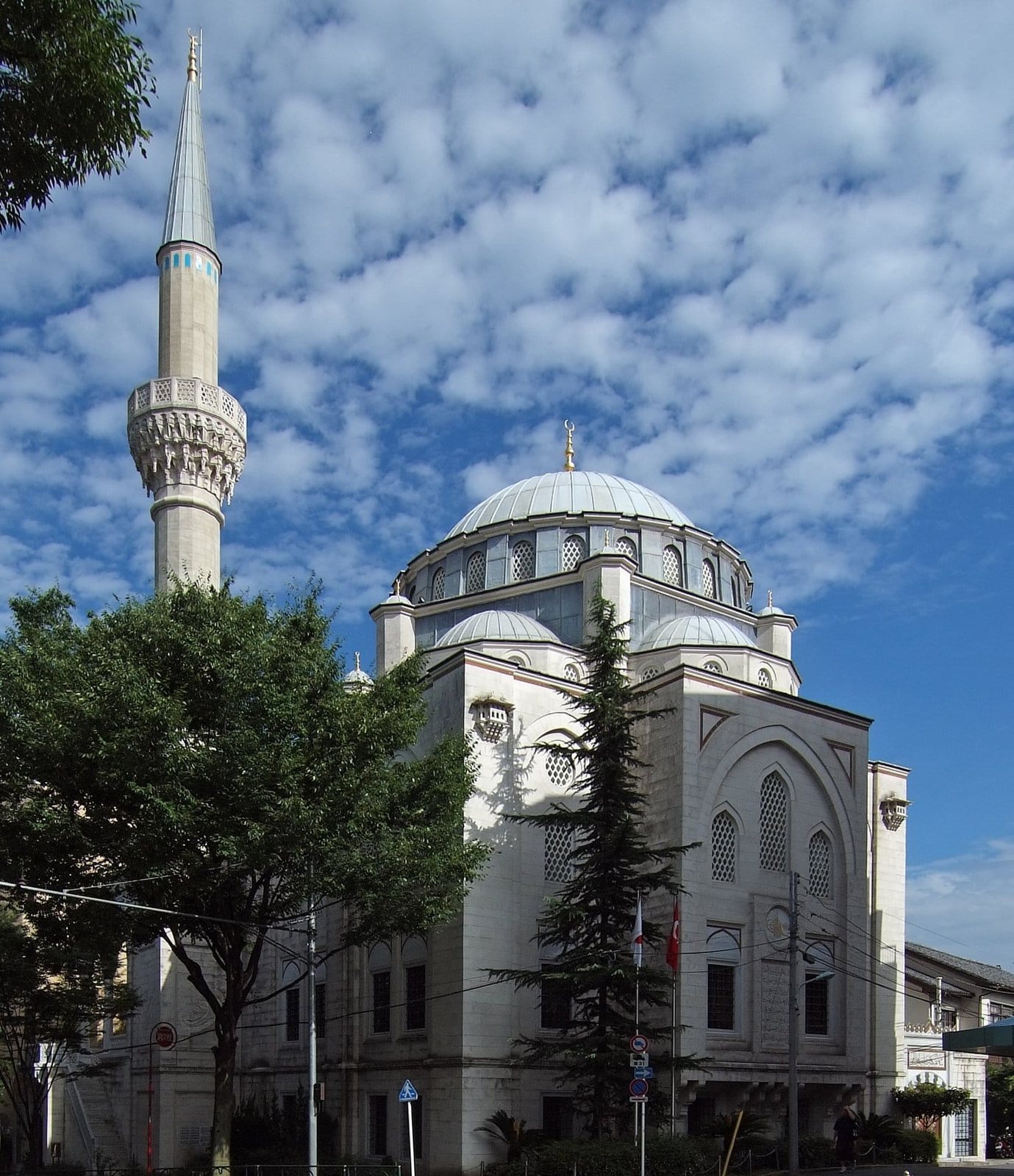
Tokyo Camii: A Jewel of Islamic Architecture Undoubtedly the most prominent mosque in Japan, Tokyo Camii and Turkish Culture Center stands as a magnificent testament to Ottoman architecture. Located in Shibuya, Tokyo, it's not merely a place of worship but also a cultural institution, often described as the "most beautiful mosque in Asia." Its intricate design, vibrant stained glass, and serene atmosphere offer a profound sense of peace. For visitors, Tokyo Camii is an essential stop, providing a familiar spiritual environment.
- Accessibility: The mosque is easily reachable via public transport. From Yoyogi-Uehara Station on the Chiyoda Line or Odakyu Line, it's about a 10-15 minute walk. The area around Shibuya-ku is generally well-connected by Tokyo Metro, much like the Delhi Metro system, making navigation straightforward.
- Prayer Times: Daily prayers are held regularly. Jummah (Friday) prayers are a significant gathering, attracting a diverse congregation. It's advisable to check their official website for the most current prayer schedule, as timings fluctuate with the seasons. During Jummah, the mosque can be quite crowded, so arriving a bit early is recommended.
- Facilities: Tokyo Camii provides ample ablution (wudu) facilities for both men and women. Prayer mats are available, and the mosque is generally well-equipped for visitors.
Other Significant Mosques in Major Cities: While Tokyo Camii is a highlight, other major cities also offer important mosques:
- Osaka: Osaka boasts several mosques, including the Osaka Mosque and the Osaka Ibaraki Mosque. The Osaka Ibaraki Mosque, established in 2006, features appealing off-white and cream architecture with arches and filigree in muted gold. It's conveniently located between Osaka and Kyoto, accessible by public transport. Jummah prayers are held here, typically around 1:00 PM.
- Kyoto: Masjid Kyoto (Kyoto Mosque) is located near the Imperial Palace. It is open from Tuesday to Saturday, 12:00 to 18:00. On Fridays, there are three prayer times for Jummah: 12:30 PM, 1:00 PM, and 1:30 PM, although these are currently for men only. Visitors planning to use the facilities outside these hours should make prior arrangements.
- Kobe: The Kobe Mosque, or Kobe Muslim Mosque, holds the distinction of being Japan's first mosque, built in 1935. Its historical significance and unique architecture make it a worthwhile visit if your itinerary includes Kobe.
When planning your visits, remember that prayer times in Japan, like elsewhere, are based on the sun's position and change throughout the year. Using a reliable prayer time app (more on this later) is crucial to align your schedule with local prayer timings.
Airport Prayer Rooms: Landing with Peace of Mind
The moment you land in Japan, knowing thereโs a dedicated prayer space can significantly ease travel anxiety. Japan's major international airports are increasingly equipped with well-maintained prayer rooms, offering a tranquil space for passengers to perform their daily prayers before or after flights. These facilities are a testament to Japan's commitment to Muslim-friendly tourism.
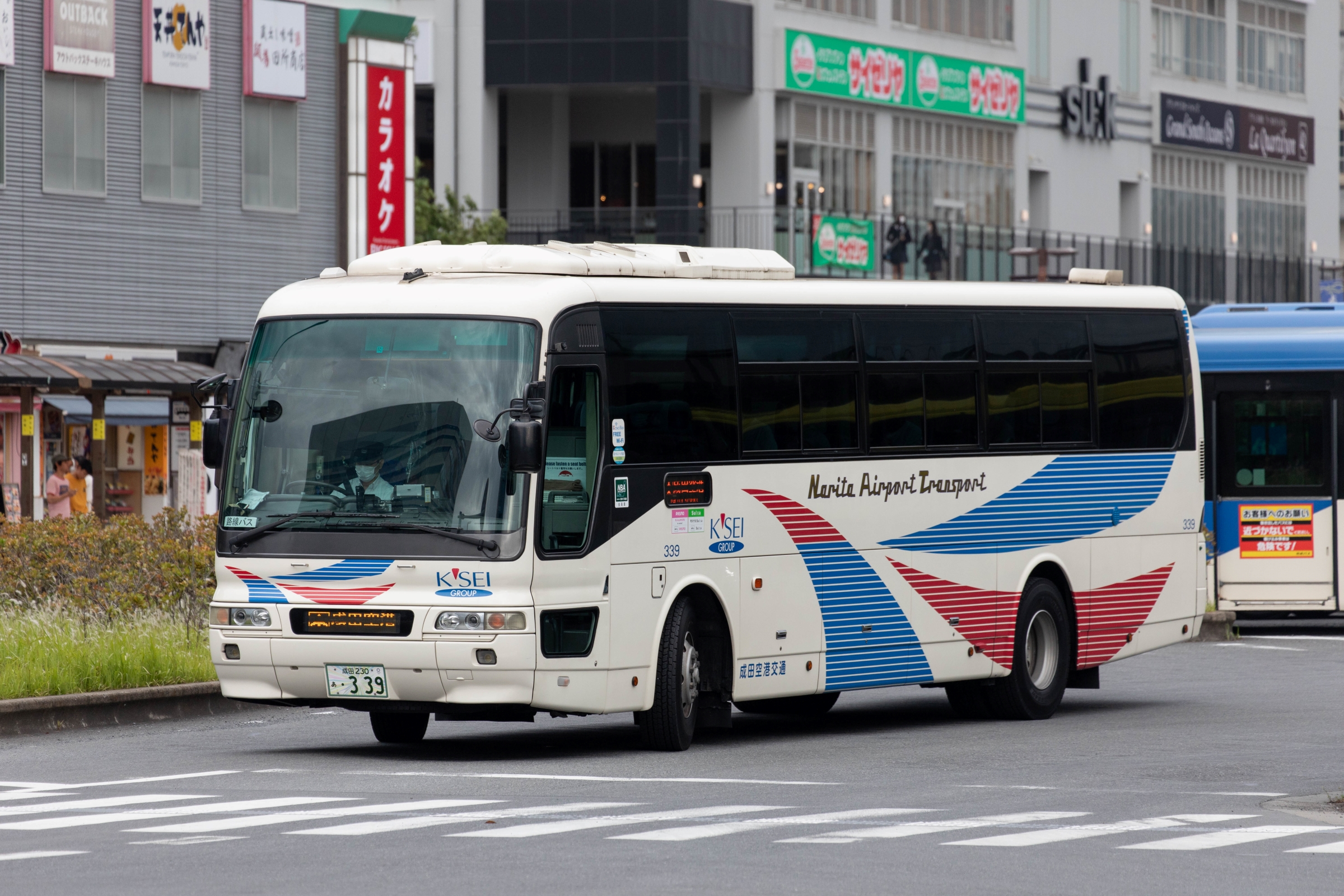
Narita International Airport (NRT): Tokyo's Gateway Narita, one of Tokyo's main international gateways, provides prayer rooms across its terminals.
- Terminal 1: Prayer rooms are available in both the North Wing and South Wing, on the 5th floor (before security) and in the satellite areas (after security).
- Terminal 2: Similar facilities can be found on the 3rd floor (before security) and in the main building (after security).
- Facilities: These rooms are typically clearly marked with signs, offer separate spaces for men and women, and include wudu (ablution) facilities. Qibla directions are usually indicated. They are generally open 24 hours.
Haneda Airport (HND): Tokyo's City Airport Haneda, closer to central Tokyo, also offers convenient prayer facilities.
- Terminal 2: Prayer rooms are located on the 3rd floor International Departure Lobby and 2nd floor International Airside Area.
- Terminal 3: A prayer room is available in the Departure Lobby and is open to all travelers.
- Note: There is no prayer room in Terminal 1.
- Facilities: Haneda's prayer rooms are equipped with purification (wudu) facilities, carpets, and Qibla directions. Some even provide prayer mats and prayer garments (mukena).
Kansai International Airport (KIX): Osaka's Hub For those arriving in or departing from the Kansai region (Osaka, Kyoto, Nara), KIX offers excellent prayer facilities.
- Terminal 1: KIX has three prayer rooms. One is on the 3rd floor (before security), next to the Korean Air Lounge. The other two are located in the international departure gate area at the North Wing and South Wing gates (after security).
- Hours: All prayer rooms at KIX are open 24 hours a day.
- Facilities: These rooms are separated by gender, include washing spaces for wudu, and provide rental prayer equipment and Qiblat displays. Some even have copies of the Quran and Hadith available.
Chubu Centrair International Airport (NGO): Nagoya's Gateway Serving the Nagoya and central Japan region, Centrair also provides prayer facilities.
- Terminal 1: Prayer rooms are available on Level 2 (Arrivals Lobby, non-restricted area) and the 3rd floor (International Departure Restricted Area).
- Terminal 2: A prayer room is on the 1st floor (Arrivals Lobby, non-restricted area).
- Hours: Open during regular terminal hours, though the 3rd-floor international departure room in Terminal 1 may not be available during late-night flights.
- Facilities: These rooms are divided by partitions for men and women, with cleaning facilities in nearby toilets for wudu. No reservation is required.
These airport prayer rooms are invaluable for maintaining your prayer schedule, especially during long layovers or immediately upon arrival/before departure.
Prayer Rooms in Malls and Department Stores: Shopping with Ease
Japan's shopping landscape, renowned for its towering department stores and bustling malls, is increasingly accommodating Muslim travelers by integrating prayer rooms. This thoughtful addition allows you to enjoy retail therapy without missing your prayer obligations. For visitors from India and Bangladesh, where large shopping centers often include prayer facilities, this trend in Japan offers a welcome sense of familiarity.
Tokyo's Premier Shopping Districts: In Tokyo, several major department stores have introduced dedicated prayer spaces:
- Takashimaya Shinjuku Store: Located in one of Tokyo's busiest districts, Shinjuku Takashimaya was among the first to offer a prayer room. It is situated on the 11th floor. This initiative was taken to accommodate the surge of Muslim travelers, particularly from Southeast Asia. If you have trouble finding it, the staff are usually helpful. The prayer room is typically open during store hours, which are generally from 10:00 AM to 8:00 PM.
- Matsuya Ginza: In the upscale Ginza district, Matsuya Ginza also provides a prayer room on the rooftop of its main building. This offers a convenient option for those exploring the luxury boutiques and department stores in the area. It is generally open from 10:00 AM to 8:00 PM daily.
- Tokyo Midtown Roppongi: This modern complex in Roppongi, known for its art, dining, and shopping, includes a discreet prayer space. It's a short walk from Roppongi Station, making it accessible for those visiting this vibrant area.
Osaka's Shopping Hubs: Osaka, known for its lively Dotonbori and extensive shopping arcades, is also seeing an increase in Muslim-friendly facilities. While specific department store prayer rooms might be less widely publicized than in Tokyo, major malls are becoming more inclusive. For example, some larger complexes like Grand Front Osaka may offer designated quiet spaces that can be used for prayer; it is always worth inquiring at the information desk.
General Tips for Mall Prayer Rooms:
- Inquire at Information Desks: If a prayer room isn't immediately visible, always ask at the main information desk (็ทๅๆกๅ ๆ, sลgล annaijo). Staff are generally aware of such facilities and can guide you.
- Look for Signs: Many prayer rooms are indicated by international symbols or "Prayer Room" signs in English.
- Wudu Facilities: Most dedicated prayer rooms in malls will have basic wudu facilities, or point you to nearby restrooms that are suitable.
- Hours: Prayer rooms in commercial establishments adhere to the store's operating hours, so plan your prayers accordingly.
The availability of these spaces means you can comfortably browse, shop, and dine (keeping halal considerations in mind) without interrupting your daily prayers, enhancing your overall travel experience.
Prayer Rooms in Train Stations and Tourist Attractions: Praying On The Go
Japan's efficient railway network is often the backbone of any tourist itinerary, connecting bustling cities and serene natural escapes. Recognizing the needs of Muslim travelers, major train stations and even some popular tourist attractions have begun to offer prayer facilities, enabling you to maintain your spiritual routine even while navigating a packed schedule.
Tokyo Station: A Central Hub As one of Japan's busiest railway stations, analogous to a mega-junction like Delhi's New Delhi Railway Station, Tokyo Station is a crucial point for many travelers. In a significant step towards Muslim-friendly infrastructure, JR East introduced a dedicated prayer room here.
- Location: The prayer room is located within the JR East Travel Service Center, near the Marunouchi North Exit.
- Access: To use the room, you typically need to inform the staff at the information center, who will unlock it for you.
- Facilities: The room is modest but clean, approximately 8 square meters, and can accommodate two to three people. It includes a stainless-steel sink for wudu and a rosette indicating the Qibla direction.
- Hours: It is open daily, though hours can vary. One source states 10:00 AM to 5:00 PM, while another mentions 8:30 AM to 7:00 PM on weekdays and until 5:00 PM on weekends and holidays. Itโs always best to confirm on site.
While Tokyo Station currently holds the distinction of having the first prayer room in a Japanese train station, the availability of such facilities in other stations remains limited. However, the trend is growing, and it's always worth checking with station information counters in major cities.
Prayer Facilities at Tourist Attractions: As Japan embraces Muslim tourism, some popular tourist sites are also making provisions for prayer.
- Nijo-jo Castle (Kyoto): This UNESCO World Heritage site, a former imperial villa, offers a prayer space. If you wish to use it, inquire at the Castle Estate office.
- Kyoto International Community House: This facility offers a small room (maximum 5 people) available for praying. It's open from 9:00 AM to 9:00 PM, closed on Mondays (or the following day if Monday is a holiday).
- Other Potential Locations: While not always explicitly advertised as "prayer rooms," many larger tourist facilities, museums, or cultural centers may have multi-faith quiet rooms or nursing rooms that can be respectfully utilized for prayer when needed. Always ask discreetly at the information desk. It's advisable to carry a portable prayer mat and a light prayer garment, as these facilities might not provide them.
Integrating prayer times into a busy sightseeing schedule requires planning. Having these station and attraction-based prayer options can significantly reduce stress and allow for a more fulfilling exploration of Japan.
Jummah Logistics on a Tour Schedule: Navigating Friday Prayers
For Muslim travelers, especially those on a multi-city tour, observing Jummah (Friday congregational prayers) requires careful planning. Unlike in India or Bangladesh, where mosques are often within easy reach, locating and timing your visit to a Japanese mosque for Jummah necessitates foresight. Here's how to integrate Jummah logistics into your tour schedule:
1. Prioritize Mosque Locations: Before finalizing your Friday itinerary, identify the nearest major mosque in the city you'll be in.
- Tokyo: Tokyo Camii is the most prominent, but also consider Shin-Okubo Masjid or Otsuka Masjid.
- Osaka: Osaka Mosque or Osaka Ibaraki Mosque are primary options.
- Kyoto: Masjid Kyoto is the main mosque in the city.
2. Check Jummah Timings: Jummah prayer times can vary slightly between mosques and are generally held sometime between 12:00 PM and 2:00 PM, depending on the season and the specific mosque.
- Example Timings (as of July 2026):
- Osaka: Jummah prayer at Osaka Mosque is typically at 1:00 PM. Osaka Ibaraki Mosque also has a 12:30 PM Jummah prayer.
- Kyoto: Masjid Kyoto offers three Jummah prayer times: 12:30 PM, 1:00 PM, and 1:30 PM (for men only). It is crucial to verify the exact timings on the mosque's official website or by calling them, as prayer times are dynamic.
3. Factor in Travel Time: Japan's public transport is incredibly efficient, but navigating a new city takes time. Use navigation apps like Google Maps (which is highly effective in Japan) to calculate travel time from your hotel or current attraction to the mosque. Aim to arrive at least 30-45 minutes before the scheduled prayer to allow for travel, finding the mosque, performing wudu, and securing a spot, especially if it's a popular mosque like Tokyo Camii.
4. Sample Jummah Day Planning (Osaka Example): Imagine you are in Osaka on a Friday.
- Morning (9:00 AM - 11:00 AM): Visit Osaka Castle or explore a nearby district like Namba.
- Late Morning (11:00 AM - 12:00 PM): Start making your way to the Osaka Mosque (or Osaka Ibaraki Mosque, depending on your location). This might involve a train ride on the Osaka Metro, similar to navigating the Delhi Metro, followed by a short walk.
- Jummah Prayer (12:30 PM - 1:30 PM): Perform your prayers.
- Post-Jummah (1:30 PM onwards): You can then look for a halal restaurant nearby for lunch, or head back to continue sightseeing.
5. Utilizing JR Pass for Inter-City Jummah: If your Friday involves inter-city travel, consider how your Japan Rail Pass (which costs ยฅ50,000 or approximately โน28,000 for 7 days) fits in. You can reserve seats on Shinkansen (bullet trains) online if you purchase your JR Pass through the official website, allowing you to plan train schedules around Jummah. For example, you might travel from Tokyo to Osaka in the morning, perform Jummah, and then continue your journey later in the afternoon. However, remember that the fastest Nozomi and Mizuho Shinkansen services are not covered by the standard JR Pass, requiring an additional ticket.
6. Backup Plan: Using Prayer Rooms or Hotel Rooms: If reaching a mosque for Jummah becomes genuinely impractical due to tight schedules or remote locations, remember that you can still perform Dhuhr prayer individually in a designated prayer room (if available), a quiet corner, or your hotel room. Always carry a travel prayer mat for such situations.
Careful planning for Jummah ensures that you can uphold your religious obligations while fully enjoying your Japanese adventure.
Halal Food and Vegetarian Options Near Prayer Facilities: Savoring Japan Responsibly
Food is an integral part of travel, and for Muslim travelers from India and Bangladesh, ensuring halal or vegetarian options is often a significant concern. Japan's culinary scene, while globally acclaimed, can present challenges due to the widespread use of non-halal ingredients like pork, alcohol (mirin, sake), and certain animal fats. However, with increasing awareness, finding suitable meals, especially near prayer facilities, is becoming easier.
Understanding Halal in Japan: It's crucial to understand that "no pork" does not automatically mean "halal" in Japan. Meats like chicken and beef may not be halal-slaughtered, and many ingredients, including soy sauce, miso, and even some sweets, can contain alcohol or animal-derived products. Therefore, vigilance and specific inquiry are necessary.
Finding Halal-Certified Restaurants: The best approach is to seek out halal-certified restaurants. These establishments adhere to strict guidelines, ensuring all ingredients and preparation methods are permissible.
- Near Mosques: Areas surrounding larger mosques, such as Tokyo Camii or Osaka Mosque, often have a higher concentration of Muslim-friendly restaurants, including those serving Turkish, Indian, Pakistani, and other international cuisines.
- Tokyo Camii Vicinity: You'll find a variety of Turkish restaurants and some Indian/Pakistani eateries in the Shibuya and Yoyogi-Uehara areas.
- Osaka Mosque Vicinity: Restaurants offering diverse cuisines, including Japanese Muslim-friendly options, can be found. For instance, Matsuri in Osaka is a Muslim-friendly Japanese restaurant with a prayer space and wudu facility.
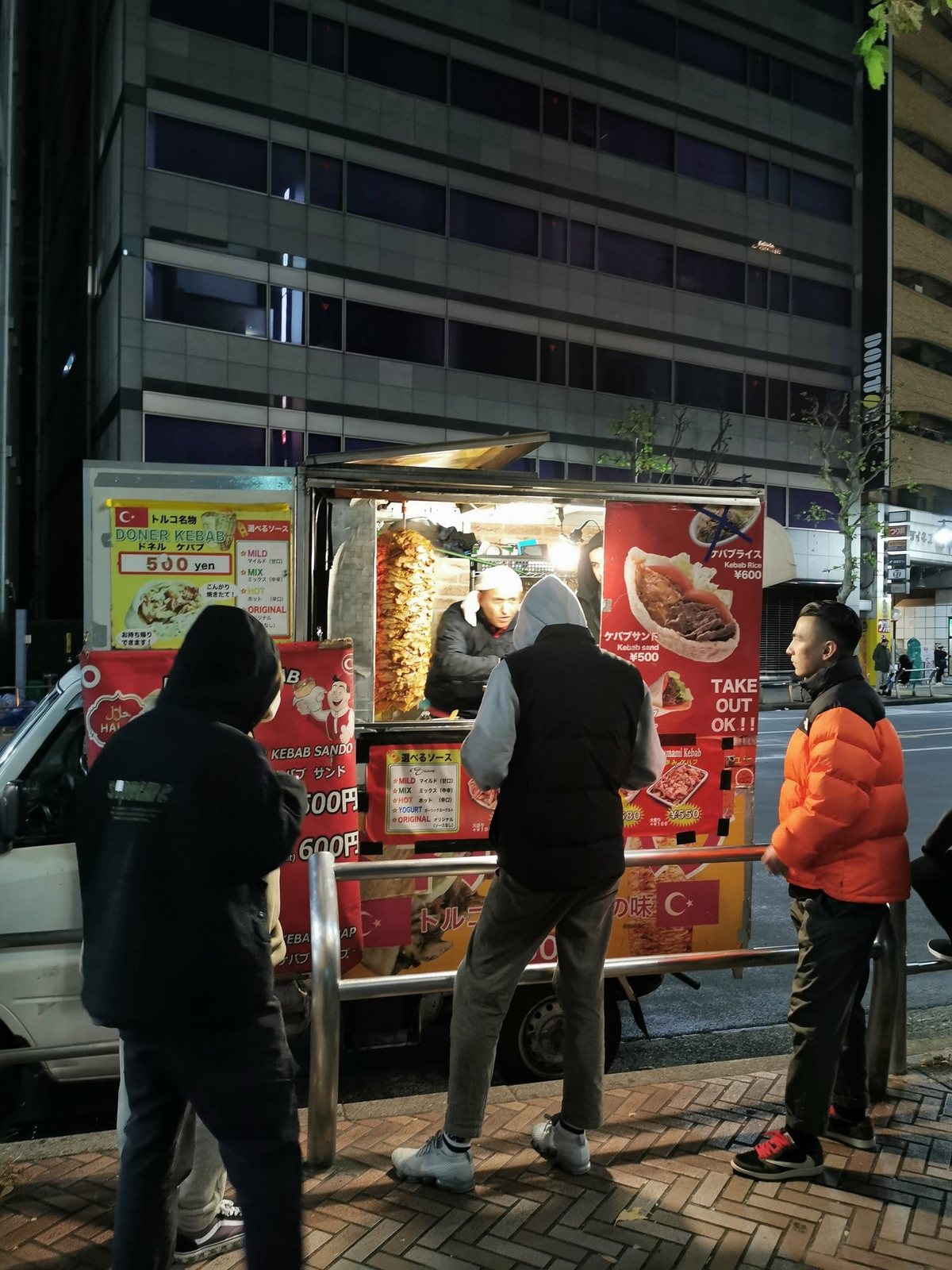
- Airport Dining: Major airports like Haneda and Kansai are making strides. Haneda Airport, for example, offers Mrs. Istanbul (Turkish cuisine) and Kebab Stand (halal-certified doner kebabs). Kansai International Airport has KINEYA MUGIMARU, a udon restaurant with a Muslim-friendly menu.
- Dedicated Halal Zones: Some cities are developing "halal zones" or clusters of Muslim-friendly businesses.
Vegetarian Options: A Widely Available Alternative: For those who prefer to avoid meat entirely or find strict halal options scarce, Japan offers a plethora of vegetarian-friendly dishes, which can often be a safer bet.
- Traditional Japanese Vegetarian Cuisine (Shojin Ryori): This Buddhist vegetarian cuisine, often served at temple lodgings or specialized restaurants, is entirely plant-based and typically free from meat, fish, and pungent vegetables. Kyoto is an excellent place to experience Shojin Ryori.
- Noodles: Soba and Udon noodles can be vegetarian, but always inquire about the broth (dashi), as it often contains bonito flakes (fish). Many places are now offering vegetarian dashi.
- Rice Dishes: Plain rice, onigiri (rice balls, check fillings), and some donburi (rice bowls) can be vegetarian.
- Tofu: Japan is a paradise for tofu lovers, with countless varieties available.
- Vegetable Tempura: Ensure the oil used is vegetable oil and no meat products are fried in the same batch.
- Convenience Stores: These are invaluable. Look for onigiri with seaweed or pickled plum fillings, fruit, salads, and vegetable sandwiches (carefully check ingredients for ham or non-halal dressings). Many 7-Eleven, Lawson, and FamilyMart stores stock a surprising range of vegetarian snacks.
- Supermarkets: For self-catering, supermarkets offer fresh produce, rice, pasta, and instant noodles. Always read labels carefully; Google Lens can be a helpful tool for translating Japanese ingredients.
Addressing Food Anxiety:
- Communicate Clearly: Learn a few key Japanese phrases: "Halal desu ka?" (Is it halal?), "Butaniku nuki desu ka?" (Is it pork-free?), "Alcohol nuki desu ka?" (Is it alcohol-free?), "Saishoku desu ka?" (Is it vegetarian?).
- Look for Symbols: Many restaurants and food products now carry "Muslim-friendly," "halal," or "vegetarian" symbols.
- Apps: Utilize dedicated halal food apps (discussed in the next section) to locate verified restaurants.
- Carry Snacks: For long train journeys or visits to rural areas where options are limited, always carry some halal-certified snacks or a packed meal.
By combining targeted searches, clear communication, and an openness to vegetarian options, Muslim travelers can comfortably navigate Japan's diverse culinary landscape.
Essential Apps and Etiquette for Muslim Travelers: Navigating with Confidence
Traveling in a non-Muslim majority country like Japan requires a blend of preparation and cultural sensitivity. Modern technology, in the form of smartphone apps, can be an invaluable companion for Muslim travelers, while understanding local etiquette ensures a respectful and enjoyable experience.
Essential Mobile Applications:
Halal Japan: This app is a must-have. Specifically designed for Muslim visitors, it acts as a comprehensive guide to halal dining and products across Japan.
- Features: Its innovative barcode scanner allows you to scan products (food, skincare) in stores to instantly check their halal status, providing ingredient details in English and Japanese. This feature is particularly useful for scrutinizing labels for non-halal components like gelatin or alcohol.
- Availability: Available on both App Store and Google Play.
- Subscription: Offers various subscription plans (1-month, 3-month, 6-month, 1-year auto-renewal), allowing short-term visitors to choose a plan that suits their travel duration.
Halal Gourmet Japan: Developed by Food Diversity, Inc., this app and website are excellent resources for finding halal restaurants across Japan.
- Features: Each restaurant listing includes pictograms indicating its halal certification status, whether it offers vegetarian options, and if it has a prayer space. It also boasts a camera function that uses AI to analyze ingredient lists on products.
- Availability: Available on iOS and Android.
Muslim Pro: A widely popular app among Muslims globally, Muslim Pro is highly useful for its core functions.
- Features: It provides accurate prayer times for your current location, a Qibla direction finder, and Quran recitation. It's essential for keeping track of daily prayer schedules, which change with the season.
- Availability: Available on iOS and Android.
Google Maps / Apple Maps: While not specifically Muslim-focused, these navigation apps are indispensable for finding mosques, prayer rooms, and restaurants.
- Tip: Before your trip, save locations of key mosques, prayer rooms, and halal restaurants on your map. This makes navigation offline easier if internet access is intermittent.
Payke: This app helps overcome language barriers for product labels.
- Features: Scan product barcodes to get instant ingredient details and product information translated into English. This is crucial for checking ingredients in food, cosmetics, and medicines.
Etiquette for Muslim Travelers in Japan:
Mosque Etiquette:
- Dress Modestly: When visiting mosques, ensure you are dressed modestly. Women should cover their heads. Some larger mosques like Tokyo Camii may provide headscarves for visitors.
- Remove Shoes: Always remove your shoes before entering the prayer hall.
- Respect Prayer Times: If you are visiting a mosque outside of prayer, be mindful if others are praying. During congregational prayers, avoid disruptive behavior.
- Photography: Ask permission before taking photos of people.
Prayer Room Etiquette (Non-Mosque Settings):
- Cleanliness: Japanese culture places a high value on cleanliness. Leave prayer rooms as clean or cleaner than you found them.
- Shared Space: Remember that prayer rooms in airports, malls, or stations are often shared spaces, sometimes multi-faith. Be respectful of others.
- Limited Facilities: Be prepared that some smaller prayer rooms may not offer amenities like prayer mats or garments. It's advisable to carry your own light prayer mat and a small prayer garment if you are a woman.
- Wudu: Utilize designated wudu facilities or, if none are present, perform wudu discreetly in a restroom, being mindful of water usage and keeping the area tidy. A portable bidet is a useful item to carry.
General Interactions:
- Politeness and Respect: Japanese society values politeness. A simple "Arigato gozaimasu" (Thank you very much) goes a long way.
- Asking for Halal/Vegetarian Food: Be polite and patient when inquiring about food. Many Japanese may not fully understand the nuances of "halal," so using phrases like "no pork, no alcohol, no animal fat" can be clearer.
- Public Transport: Maintain quiet on trains and buses, avoid loud conversations, and offer seats to the elderly or pregnant individuals.
- Queuing: Always queue patiently and orderly.
By leveraging these apps and observing local customs, Muslim travelers can navigate Japan with confidence, ensuring their spiritual needs are met while experiencing the country's unique charm and hospitality.
Planning Your Muslim-Friendly Itinerary: A Holistic Approach
Crafting a travel itinerary for Japan as a Muslim traveler from India or Bangladesh involves more than just selecting destinations; it requires a holistic approach that weaves spiritual needs, dietary considerations, and cultural immersion seamlessly together. Given the costs involved, particularly for long-haul flights and accommodations (often higher than in Southeast Asian destinations), maximizing comfort and convenience is key.
1. Research Before You Go:
- Visa Requirements: Ensure you understand the specific visa requirements for Indian or Bangladeshi citizens traveling to Japan. Start this process well in advance.
- Seasonal Considerations: Japan's seasons offer different experiences. Spring (cherry blossoms) and autumn (fall foliage) are popular but crowded. Summer can be hot and humid, similar to a South Asian monsoon season, but without the intense rainfall (Japan's rainy season, tsuyu, is usually in early summer). Winter offers snow sports and fewer crowds.
- Key Cities & Regions: Decide on your primary destinations. Tokyo, Kyoto, Osaka are common first-time choices. Consider adding Hiroshima, Nara, or Hakone. Researching Muslim-friendly facilities in these specific areas is paramount.
2. Accommodation Choices:
- Muslim-Friendly Hotels: An increasing number of hotels, especially in major cities, offer Muslim-friendly services. These can range from providing prayer mats and Qibla directions in rooms to having halal restaurants or being able to prepare Muslim-friendly meals with advance notice. Hotel Granvia Kyoto, for instance, has a halal-certified restaurant and provides prayer amenities.
- Apartment Rentals: For those prioritizing self-catering and complete control over food preparation, rental apartments with kitchenettes can be an excellent option. This offers peace of mind regarding halal ingredients.
3. Transportation and the Japan Rail Pass:
- JR Pass: As mentioned, the Japan Rail Pass is an economical way to travel long distances across Japan for eligible temporary visitors. A 7-day Ordinary Pass costs ยฅ50,000 (approx. โน28,000).
- Booking: You can purchase the JR Pass through the official website or an overseas distributor. Purchasing through the official website allows online seat reservations for Shinkansen and limited express trains before arrival, which is a significant advantage for itinerary planning.
- Activation: Once in Japan, you exchange your voucher for the actual pass at designated JR ticket offices by presenting your passport with a "Temporary Visitor" stamp.
- Nozomi/Mizuho: Remember, the fastest Nozomi and Mizuho Shinkansen services are not included in the standard JR Pass, requiring separate tickets if you opt for them.
- Local Transport: For within-city travel, IC cards like Suica or Pasmo (similar to Delhi Metro cards) are convenient.
4. Food Planning: A Daily Strategy:
- Breakfast & Dinner at Hotel/Apartment: If possible, plan to have breakfast and dinner at your accommodation, especially if it's Muslim-friendly or you have self-catering facilities. This reduces daily stress.
- Lunch on the Go: For lunch while sightseeing, rely on halal-certified restaurants found via apps, or opt for vegetarian choices at regular eateries. Convenience stores are good for quick, safe snacks.
- Always Carry Snacks: A small stash of halal snacks from home or purchased in Japan is a lifesaver, particularly for rural excursions or unexpected delays.
- Water: Stay hydrated, especially during the humid summer months.
5. Integrating Prayer Times:
- Daily Check: Use a prayer time app daily to know the exact timings for your location.
- Route Planning: Plan your sightseeing routes to pass near a mosque or prayer room around Dhuhr, Asr, or Maghrib times.
- Flexibility: Be prepared to be flexible. Sometimes, a quick prayer in a quiet corner of a park or even your hotel room might be the most practical option. Always carry a travel prayer mat.
- Jummah Focus: As discussed, dedicate sufficient time on Fridays to reach a mosque for Jummah prayers.
6. Cultural Immersion with Awareness:
- Temples/Shrines: When visiting temples or shrines, while not places of Muslim worship, they offer a glimpse into Japanese spirituality. Be respectful, observe local customs (e.g., purifying hands, bowing), and avoid performing Islamic prayers within their sacred spaces.
- Interaction: Engage with locals. Most Japanese are incredibly helpful and curious about other cultures. A smile and a polite question can open doors to understanding and assistance.
By adopting this comprehensive planning approach, Muslim travelers from India and Bangladesh can embark on a truly enriching and comfortable journey through Japan, experiencing its wonders without compromising their faith.
Key Takeaways
- Japan is increasingly Muslim-friendly, with more mosques and prayer rooms becoming available in major cities, airports, and commercial centers.
- Tokyo Camii is a must-visit spiritual and cultural hub in Tokyo, easily accessible by public transport.
- Major international airports like Narita, Haneda, Kansai, and Centrair provide well-equipped, often 24-hour, prayer rooms with wudu facilities.
- Prominent department stores (e.g., Takashimaya Shinjuku, Matsuya Ginza) and Tokyo Station now offer dedicated prayer spaces, enhancing convenience for shoppers and commuters.
- Jummah prayers require careful pre-planning of mosque location, timings, and travel, especially when on a multi-city tour.
- Halal food options are growing but require vigilance; utilize halal-certified restaurants or opt for vegetarian dishes, always clarifying ingredients.
- Essential apps like Halal Japan, Halal Gourmet Japan, and Muslim Pro are invaluable tools for finding prayer times, Qibla direction, and verified halal food.
- Adhere to Japanese etiquette, including modest dress in religious sites, cleanliness in prayer rooms, and polite communication regarding dietary needs.
- Consider a Japan Rail Pass for cost-effective inter-city travel and pre-book seats online to streamline your itinerary.
FAQ
Q. How accurate are prayer times displayed on apps in Japan? A. Prayer times displayed on reliable apps like Muslim Pro are generally accurate as they calculate timings based on astronomical formulas for your specific location. However, there might be slight variations compared to local mosque schedules, which may use different calculation parameters. It's always good to cross-reference with a mosque's official website if possible.
Q. Is it difficult to find halal food outside of major cities in Japan? A. While major cities like Tokyo and Osaka have a growing number of halal-certified and Muslim-friendly restaurants, finding them in smaller towns or rural areas can be challenging. It's advisable to carry your own halal snacks or instant meals for such excursions, rely on vegetarian options with careful inquiry, and use apps like Halal Japan to scout for possibilities in advance. [cite: 24--- title: "Mosques and Prayer Rooms Across Japan: A Practical Directory for Muslim Travelers" description: "A comprehensive guide for Muslim travelers from India and Bangladesh, covering mosques, prayer rooms, halal food, and etiquette in Japan." date: "2026-07-10" cover: "/img/kyoto.jpg" category: "culture" utility: "culture" author: "OlaChill Team" tags: ["India Travel", "Bangladesh Travel", "Muslim-Friendly Japan", "Halal Japan", "Prayer Facilities", "Japan Travel Guide"]
Japan, a nation celebrated for its rich culture, breathtaking landscapes, and advanced infrastructure, is increasingly becoming a welcoming destination for Muslim travelers. With a growing awareness of diverse needs, the country has seen a significant rise in accessible prayer facilities, from grand city mosques to convenient prayer rooms in airports and shopping centers. This guide offers an in-depth, practical directory for first- and second-time visitors from India and Bangladesh, ensuring a spiritually fulfilling and smooth journey across the Land of the Rising Sun. A typical 7-day Japan Rail Pass, for instance, costs ยฅ50,000 (approximately โน28,000), a worthwhile investment for exploring multiple cities while keeping prayer needs in mind. [cite: 23]
Tokyo Camii and Major City Mosques: Your Spiritual Anchors
For Muslim travelers, especially those accustomed to the visible presence of mosques in their home countries, locating a dedicated place of worship in Japan is often a primary concern. While less ubiquitous than in India or Bangladesh, Japan's major cities host beautiful and welcoming mosques that serve as vital community hubs and spiritual anchors.
Tokyo Camii: A Jewel of Islamic Architecture Undoubtedly the most prominent mosque in Japan, Tokyo Camii and Turkish Culture Center stands as a magnificent testament to Ottoman architecture. Located in Shibuya, Tokyo, it's not merely a place of worship but also a cultural institution, often described as the "most beautiful mosque in Asia." [cite: 6] Its intricate design, vibrant stained glass, and serene atmosphere offer a profound sense of peace. For visitors, Tokyo Camii is an essential stop, providing a familiar spiritual environment.
- Accessibility: The mosque is easily reachable via public transport. From Yoyogi-Uehara Station on the Chiyoda Line or Odakyu Line, it's about a 10-15 minute walk. The area around Shibuya-ku is generally well-connected by Tokyo Metro, much like the Delhi Metro system, making navigation straightforward.
- Prayer Times: Daily prayers are held regularly. Jummah (Friday) prayers are a significant gathering, attracting a diverse congregation. It's advisable to check their official website for the most current prayer schedule, as timings fluctuate with the seasons. During Jummah, the mosque can be quite crowded, so arriving a bit early is recommended.
- Facilities: Tokyo Camii provides ample ablution (wudu) facilities for both men and women. Prayer mats are available, and the mosque is generally well-equipped for visitors.
Other Significant Mosques in Major Cities: While Tokyo Camii is a highlight, other major cities also offer important mosques:
- Osaka: Osaka boasts several mosques, including the Osaka Mosque and the Osaka Ibaraki Mosque. The Osaka Ibaraki Mosque, established in 2006, features appealing off-white and cream architecture with arches and filigree in muted gold. [cite: 12] It's conveniently located between Osaka and Kyoto, accessible by public transport. Jummah prayers are held here, typically around 1:00 PM. [cite: 12]
- Kyoto: Masjid Kyoto (Kyoto Mosque) is located near the Imperial Palace. [cite: 26] It is open from Tuesday to Saturday, 12:00 to 18:00. [cite: 26] On Fridays, there are three prayer times for Jummah: 12:30 PM, 1:00 PM, and 1:30 PM, although these are currently for men only. [cite: 26] Visitors planning to use the facilities outside these hours should make prior arrangements. [cite: 26]
- Kobe: The Kobe Mosque, or Kobe Muslim Mosque, holds the distinction of being Japan's first mosque, built in 1935. Its historical significance and unique architecture make it a worthwhile visit if your itinerary includes Kobe.
When planning your visits, remember that prayer times in Japan, like elsewhere, are based on the sun's position and change throughout the year. Using a reliable prayer time app (more on this later) is crucial to align your schedule with local prayer timings.
Airport Prayer Rooms: Landing with Peace of Mind
The moment you land in Japan, knowing thereโs a dedicated prayer space can significantly ease travel anxiety. Japan's major international airports are increasingly equipped with well-maintained prayer rooms, offering a tranquil space for passengers to perform their daily prayers before or after flights. These facilities are a testament to Japan's commitment to Muslim-friendly tourism.
Narita International Airport (NRT): Tokyo's Gateway Narita, one of Tokyo's main international gateways, provides prayer rooms across its terminals.
- Terminal 1: Prayer rooms are available in both the North Wing and South Wing, on the 5th floor (before security) and in the satellite areas (after security).
- Terminal 2: Similar facilities can be found on the 3rd floor (before security) and in the main building (after security).
- Facilities: These rooms are typically clearly marked with signs, offer separate spaces for men and women, and include wudu (ablution) facilities. Qibla directions are usually indicated. They are generally open 24 hours.
Haneda Airport (HND): Tokyo's City Airport Haneda, closer to central Tokyo, also offers convenient prayer facilities.
- Terminal 2: Prayer rooms are located on the 3rd floor International Departure Lobby and 2nd floor International Airside Area. [cite: 20]
- Terminal 3: A prayer room is available in the Departure Lobby and is open to all travelers. [cite: 20]
- Note: There is no prayer room in Terminal 1. [cite: 20, 51]
- Facilities: Haneda's prayer rooms are equipped with purification (wudu) facilities, carpets, and Qibla directions. Some even provide prayer mats and prayer garments (mukena). [cite: 52]
Kansai International Airport (KIX): Osaka's Hub For those arriving in or departing from the Kansai region (Osaka, Kyoto, Nara), KIX offers excellent prayer facilities.
- Terminal 1: KIX has three prayer rooms. One is on the 3rd floor (before security), next to the Korean Air Lounge. [cite: 11] The other two are located in the international departure gate area at the North Wing and South Wing gates (after security). [cite: 11]
- Hours: All prayer rooms at KIX are open 24 hours a day. [cite: 8, 11]
- Facilities: These rooms are separated by gender, include washing spaces for wudu, and provide rental prayer equipment and Qiblat displays. [cite: 11, 25] Some even have copies of the Quran and Hadith available. [cite: 11]
Chubu Centrair International Airport (NGO): Nagoya's Gateway Serving the Nagoya and central Japan region, Centrair also provides prayer facilities.
- Terminal 1: Prayer rooms are available on Level 2 (Arrivals Lobby, non-restricted area) and the 3rd floor (International Departure Restricted Area). [cite: 21, 47]
- Terminal 2: A prayer room is on the 1st floor (Arrivals Lobby, non-restricted area). [cite: 21]
- Hours: Open during regular terminal hours, though the 3rd-floor international departure room in Terminal 1 may not be available during late-night flights. [cite: 21, 47]
- Facilities: These rooms are divided by partitions for men and women, with cleaning facilities in nearby toilets for wudu. [cite: 21] No reservation is required. [cite: 21]
These airport prayer rooms are invaluable for maintaining your prayer schedule, especially during long layovers or immediately upon arrival/before departure.
Prayer Rooms in Malls and Department Stores: Shopping with Ease
Japan's shopping landscape, renowned for its towering department stores and bustling malls, is increasingly accommodating Muslim travelers by integrating prayer rooms. This thoughtful addition allows you to enjoy retail therapy without missing your prayer obligations. For visitors from India and Bangladesh, where large shopping centers often include prayer facilities, this trend in Japan offers a welcome sense of familiarity.
Tokyo's Premier Shopping Districts: In Tokyo, several major department stores have introduced dedicated prayer spaces:
- Takashimaya Shinjuku Store: Located in one of Tokyo's busiest districts, Shinjuku Takashimaya was among the first to offer a prayer room. [cite: 6, 14] It is situated on the 11th floor. [cite: 6, 14, 30] This initiative was taken to accommodate the surge of Muslim travelers, particularly from Southeast Asia. [cite: 6, 22] If you have trouble finding it, the staff are usually helpful. [cite: 6] The prayer room is typically open during store hours, which are generally from 10:00 AM to 8:00 PM. [cite: 22, 30]
- Matsuya Ginza: In the upscale Ginza district, Matsuya Ginza also provides a prayer room on the rooftop of its main building. [cite: 22] This offers a convenient option for those exploring the luxury boutiques and department stores in the area. It is generally open from 10:00 AM to 8:00 PM daily. [cite: 22]
- Tokyo Midtown Roppongi: This modern complex in Roppongi, known for its art, dining, and shopping, includes a discreet prayer space. [cite: 13, 22] It's a short walk from Roppongi Station, making it accessible for those visiting this vibrant area.
Osaka's Shopping Hubs: Osaka, known for its lively Dotonbori and extensive shopping arcades, is also seeing an increase in Muslim-friendly facilities. While specific department store prayer rooms might be less widely publicized than in Tokyo, major malls are becoming more inclusive. For example, some larger complexes like Grand Front Osaka may offer designated quiet spaces that can be used for prayer; it is always worth inquiring at the information desk.
General Tips for Mall Prayer Rooms:
- Inquire at Information Desks: If a prayer room isn't immediately visible, always ask at the main information desk (็ทๅๆกๅ ๆ, sลgล annaijo). Staff are generally aware of such facilities and can guide you.
- Look for Signs: Many prayer rooms are indicated by international symbols or "Prayer Room" signs in English.
- Wudu Facilities: Most dedicated prayer rooms in malls will have basic wudu facilities, or point you to nearby restrooms that are suitable.
- Hours: Prayer rooms in commercial establishments adhere to the store's operating hours, so plan your prayers accordingly.
The availability of these spaces means you can comfortably browse, shop, and dine (keeping halal considerations in mind) without interrupting your daily prayers, enhancing your overall travel experience.
Prayer Rooms in Train Stations and Tourist Attractions: Praying On The Go
Japan's efficient railway network is often the backbone of any tourist itinerary, connecting bustling cities and serene natural escapes. Recognizing the needs of Muslim travelers, major train stations and even some popular tourist attractions have begun to offer prayer facilities, enabling you to maintain your spiritual routine even while navigating a packed schedule.
Tokyo Station: A Central Hub As one of Japan's busiest railway stations, analogous to a mega-junction like Delhi's New Delhi Railway Station, Tokyo Station is a crucial point for many travelers. In a significant step towards Muslim-friendly infrastructure, JR East introduced a dedicated prayer room here.
- Location: The prayer room is located within the JR East Travel Service Center, near the Marunouchi North Exit. [cite: 7, 9, 13, 17, 27]
- Access: To use the room, you typically need to inform the staff at the information center, who will unlock it for you. [cite: 7, 17, 27]
- Facilities: The room is modest but clean, approximately 8 square meters, and can accommodate two to three people. [cite: 7, 9, 17] It includes a stainless-steel sink for wudu and a rosette indicating the Qibla direction. [cite: 7, 9, 17]
- Hours: It is open daily, though hours can vary. One source states 10:00 AM to 5:00 PM, [cite: 7] while another mentions 8:30 AM to 7:00 PM on weekdays and until 5:00 PM on weekends and holidays. [cite: 9, 17] Itโs always best to confirm on site.
While Tokyo Station currently holds the distinction of having the first prayer room in a Japanese train station [cite: 7, 9], the availability of such facilities in other stations remains limited. However, the trend is growing, and it's always worth checking with station information counters in major cities.
Prayer Facilities at Tourist Attractions: As Japan embraces Muslim tourism, some popular tourist sites are also making provisions for prayer.
- Nijo-jo Castle (Kyoto): This UNESCO World Heritage site, a former imperial villa, offers a prayer space. [cite: 26] If you wish to use it, inquire at the Castle Estate office. [cite: 26]
- Kyoto International Community House: This facility offers a small room (maximum 5 people) available for praying. [cite: 26] It's open from 9:00 AM to 9:00 PM, closed on Mondays (or the following day if Monday is a holiday). [cite: 26]
- Other Potential Locations: While not always explicitly advertised as "prayer rooms," many larger tourist facilities, museums, or cultural centers may have multi-faith quiet rooms or nursing rooms that can be respectfully utilized for prayer when needed. Always ask discreetly at the information desk. It's advisable to carry a portable prayer mat and a light prayer garment, as these facilities might not provide them.
Integrating prayer times into a busy sightseeing schedule requires planning. Having these station and attraction-based prayer options can significantly reduce stress and allow for a more fulfilling exploration of Japan.
Jummah Logistics on a Tour Schedule: Navigating Friday Prayers
For Muslim travelers, especially those on a multi-city tour, observing Jummah (Friday congregational prayers) requires careful planning. Unlike in India or Bangladesh, where mosques are often within easy reach, locating and timing your visit to a Japanese mosque for Jummah necessitates foresight. Here's how to integrate Jummah logistics into your tour schedule:
1. Prioritize Mosque Locations: Before finalizing your Friday itinerary, identify the nearest major mosque in the city you'll be in.
- Tokyo: Tokyo Camii is the most prominent, but also consider Shin-Okubo Masjid or Otsuka Masjid. [cite: 6]
- Osaka: Osaka Mosque or Osaka Ibaraki Mosque are primary options. [cite: 12]
- Kyoto: Masjid Kyoto is the main mosque in the city. [cite: 26]
2. Check Jummah Timings: Jummah prayer times can vary slightly between mosques and are generally held sometime between 12:00 PM and 2:00 PM, depending on the season and the specific mosque.
- Example Timings (as of July 2026):
- Osaka: Jummah prayer at Osaka Mosque is typically at 1:00 PM. [cite: 12] Osaka Ibaraki Mosque also has a 12:30 PM Jummah prayer. [cite: 12]
- Kyoto: Masjid Kyoto offers three Jummah prayer times: 12:30 PM, 1:00 PM, and 1:30 PM (for men only). [cite: 26] It is crucial to verify the exact timings on the mosque's official website or by calling them, as prayer times are dynamic.
3. Factor in Travel Time: Japan's public transport is incredibly efficient, but navigating a new city takes time. Use navigation apps like Google Maps (which is highly effective in Japan) to calculate travel time from your hotel or current attraction to the mosque. Aim to arrive at least 30-45 minutes before the scheduled prayer to allow for travel, finding the mosque, performing wudu, and securing a spot, especially if it's a popular mosque like Tokyo Camii.
4. Sample Jummah Day Planning (Osaka Example): Imagine you are in Osaka on a Friday.
- Morning (9:00 AM - 11:00 AM): Visit Osaka Castle or explore a nearby district like Namba.
- Late Morning (11:00 AM - 12:00 PM): Start making your way to the Osaka Mosque (or Osaka Ibaraki Mosque, depending on your location). This might involve a train ride on the Osaka Metro, similar to navigating the Delhi Metro, followed by a short walk.
- Jummah Prayer (12:30 PM - 1:30 PM): Perform your prayers.
- Post-Jummah (1:30 PM onwards): You can then look for a halal restaurant nearby for lunch, or head back to continue sightseeing.
5. Utilizing JR Pass for Inter-City Jummah: If your Friday involves inter-city travel, consider how your Japan Rail Pass (which costs ยฅ50,000 or approximately โน28,000 for 7 days [cite: 23]) fits in. You can reserve seats on Shinkansen (bullet trains) online if you purchase your JR Pass through the official website, allowing you to plan train schedules around Jummah. [cite: 23, 31, 40] For example, you might travel from Tokyo to Osaka in the morning, perform Jummah, and then continue your journey later in the afternoon. However, remember that the fastest Nozomi and Mizuho Shinkansen services are not covered by the standard JR Pass, requiring an additional ticket. [cite: 23]
6. Backup Plan: Using Prayer Rooms or Hotel Rooms: If reaching a mosque for Jummah becomes genuinely impractical due to tight schedules or remote locations, remember that you can still perform Dhuhr prayer individually in a designated prayer room (if available), a quiet corner, or your hotel room. Always carry a travel prayer mat for such situations.
Careful planning for Jummah ensures that you can uphold your religious obligations while fully enjoying your Japanese adventure.
Halal Food and Vegetarian Options Near Prayer Facilities: Savoring Japan Responsibly
Food is an integral part of travel, and for Muslim travelers from India and Bangladesh, ensuring halal or vegetarian options is often a significant concern. Japan's culinary scene, while globally acclaimed, can present challenges due to the widespread use of non-halal ingredients like pork, alcohol (mirin, sake), and certain animal fats. However, with increasing awareness, finding suitable meals, especially near prayer facilities, is becoming easier.
Understanding Halal in Japan: It's crucial to understand that "no pork" does not automatically mean "halal" in Japan. [cite: 24] Meats like chicken and beef may not be halal-slaughtered, and many ingredients, including soy sauce, miso, and even some sweets, can contain alcohol or animal-derived products. [cite: 34] Therefore, vigilance and specific inquiry are necessary.
Finding Halal-Certified Restaurants: The best approach is to seek out halal-certified restaurants. These establishments adhere to strict guidelines, ensuring all ingredients and preparation methods are permissible.
- Near Mosques: Areas surrounding larger mosques, such as Tokyo Camii or Osaka Mosque, often have a higher concentration of Muslim-friendly restaurants, including those serving Turkish, Indian, Pakistani, and other international cuisines. [cite: 39]
- Tokyo Camii Vicinity: You'll find a variety of Turkish restaurants and some Indian/Pakistani eateries in the Shibuya and Yoyogi-Uehara areas.
- Osaka Mosque Vicinity: Restaurants offering diverse cuisines, including Japanese Muslim-friendly options, can be found. For instance, Matsuri in Osaka is a Muslim-friendly Japanese restaurant with a prayer space and wudu facility. [cite: 36]
- Airport Dining: Major airports like Haneda and Kansai are making strides. Haneda Airport, for example, offers Mrs. Istanbul (Turkish cuisine) and Kebab Stand (halal-certified doner kebabs). [cite: 20, 52] Kansai International Airport has KINEYA MUGIMARU, a udon restaurant with a Muslim-friendly menu. [cite: 50]
- Dedicated Halal Zones: Some cities are developing "halal zones" or clusters of Muslim-friendly businesses.
Vegetarian Options: A Widely Available Alternative: For those who prefer to avoid meat entirely or find strict halal options scarce, Japan offers a plethora of vegetarian-friendly dishes, which can often be a safer bet.
- Traditional Japanese Vegetarian Cuisine (Shojin Ryori): This Buddhist vegetarian cuisine, often served at temple lodgings or specialized restaurants, is entirely plant-based and typically free from meat, fish, and pungent vegetables. Kyoto is an excellent place to experience Shojin Ryori.
- Noodles: Soba and Udon noodles can be vegetarian, but always inquire about the broth (dashi), as it often contains bonito flakes (fish). Many places are now offering vegetarian dashi.
- Rice Dishes: Plain rice, onigiri (rice balls, check fillings), and some donburi (rice bowls) can be vegetarian.
- Tofu: Japan is a paradise for tofu lovers, with countless varieties available.
- Vegetable Tempura: Ensure the oil used is vegetable oil and no meat products are fried in the same batch.
- Convenience Stores: These are invaluable. Look for onigiri with seaweed or pickled plum fillings, fruit, salads, and vegetable sandwiches (carefully check ingredients for ham or non-halal dressings). Many 7-Eleven, Lawson, and FamilyMart stores stock a surprising range of vegetarian snacks.
- Supermarkets: For self-catering, supermarkets offer fresh produce, rice, pasta, and instant noodles. Always read labels carefully; Google Lens can be a helpful tool for translating Japanese ingredients.
Addressing Food Anxiety:
- Communicate Clearly: Learn a few key Japanese phrases: "Halal desu ka?" (Is it halal?), "Butaniku nuki desu ka?" (Is it pork-free?), "Alcohol nuki desu ka?" (Is it alcohol-free?), "Saishoku desu ka?" (Is it vegetarian?).
- Look for Symbols: Many restaurants and food products now carry "Muslim-friendly," "halal," or "vegetarian" symbols.
- Apps: Utilize dedicated halal food apps (discussed in the next section) to locate verified restaurants.
- Carry Snacks: For long train journeys or visits to rural areas where options are limited, always carry some halal-certified snacks or a packed meal. [cite: 24, 39]
By combining targeted searches, clear communication, and an openness to vegetarian options, Muslim travelers can comfortably navigate Japan's diverse culinary landscape.
Essential Apps and Etiquette for Muslim Travelers: Navigating with Confidence
Traveling in a non-Muslim majority country like Japan requires a blend of preparation and cultural sensitivity. Modern technology, in the form of smartphone apps, can be an invaluable companion for Muslim travelers, while understanding local etiquette ensures a respectful and enjoyable experience.
Essential Mobile Applications:
Halal Japan: This app is a must-have. Specifically designed for Muslim visitors, it acts as a comprehensive guide to halal dining and products across Japan. [cite: 10, 15, 18]
- Features: Its innovative barcode scanner allows you to scan products (food, skincare) in stores to instantly check their halal status, providing ingredient details in English and Japanese. [cite: 10, 15, 18] This feature is particularly useful for scrutinizing labels for non-halal components like gelatin or alcohol. [cite: 10]
- Availability: Available on both App Store and Google Play. [cite: 15]
- Subscription: Offers various subscription plans (1-month, 3-month, 6-month, 1-year auto-renewal), allowing short-term visitors to choose a plan that suits their travel duration. [cite: 18]
Halal Gourmet Japan: Developed by Food Diversity, Inc., this app and website are excellent resources for finding halal restaurants across Japan. [cite: 16, 28]
- Features: Each restaurant listing includes pictograms indicating its halal certification status, whether it offers vegetarian options, and if it has a prayer space. [cite: 16] It also boasts a camera function that uses AI to analyze ingredient lists on products. [cite: 28]
- Availability: Available on iOS and Android. [cite: 16]
Muslim Pro: A widely popular app among Muslims globally, Muslim Pro is highly useful for its core functions. [cite: 16]
- Features: It provides accurate prayer times for your current location, a Qibla direction finder, and Quran recitation. [cite: 16] It's essential for keeping track of daily prayer schedules, which change with the season.
- Availability: Available on iOS and Android. [cite: 16]
Google Maps / Apple Maps: While not specifically Muslim-focused, these navigation apps are indispensable for finding mosques, prayer rooms, and restaurants.
- Tip: Before your trip, save locations of key mosques, prayer rooms, and halal restaurants on your map. This makes navigation offline easier if internet access is intermittent.
Payke: This app helps overcome language barriers for product labels. [cite: 10]
- Features: Scan product barcodes to get instant ingredient details and product information translated into English. [cite: 10] This is crucial for checking ingredients in food, cosmetics, and medicines. [cite: 10]
Etiquette for Muslim Travelers in Japan:
Mosque Etiquette:
- Dress Modestly: When visiting mosques, ensure you are dressed modestly. Women should cover their heads. Some larger mosques like Tokyo Camii may provide headscarves for visitors.
- Remove Shoes: Always remove your shoes before entering the prayer hall.
- Respect Prayer Times: If you are visiting a mosque outside of prayer, be mindful if others are praying. During congregational prayers, avoid disruptive behavior.
- Photography: Ask permission before taking photos of people.
Prayer Room Etiquette (Non-Mosque Settings):
- Cleanliness: Japanese culture places a high value on cleanliness. Leave prayer rooms as clean or cleaner than you found them.
- Shared Space: Remember that prayer rooms in airports, malls, or stations are often shared spaces, sometimes multi-faith. Be respectful of others.
- Limited Facilities: Be prepared that some smaller prayer rooms may not offer amenities like prayer mats or garments. It's advisable to carry your own light prayer mat and a small prayer garment if you are a woman. [cite: 19, 39]
- Wudu: Utilize designated wudu facilities or, if none are present, perform wudu discreetly in a restroom, being mindful of water usage and keeping the area tidy. A portable bidet is a useful item to carry. [cite: 19]
General Interactions:
- Politeness and Respect: Japanese society values politeness. A simple "Arigato gozaimasu" (Thank you very much) goes a long way.
- Asking for Halal/Vegetarian Food: Be polite and patient when inquiring about food. Many Japanese may not fully understand the nuances of "halal," so using phrases like "no pork, no alcohol, no animal fat" can be clearer. [cite: 24, 34]
- Public Transport: Maintain quiet on trains and buses, avoid loud conversations, and offer seats to the elderly or pregnant individuals.
- Queuing: Always queue patiently and orderly.
By leveraging these apps and observing local customs, Muslim travelers can navigate Japan with confidence, ensuring their spiritual needs are met while experiencing the country's unique charm and hospitality.
Planning Your Muslim-Friendly Itinerary: A Holistic Approach
Crafting a travel itinerary for Japan as a Muslim traveler from India or Bangladesh involves more than just selecting destinations; it requires a holistic approach that weaves spiritual needs, dietary considerations, and cultural immersion seamlessly together. Given the costs involved, particularly for long-haul flights and accommodations (often higher than in Southeast Asian destinations), maximizing comfort and convenience is key.
1. Research Before You Go:
- Visa Requirements: Ensure you understand the specific visa requirements for Indian or Bangladeshi citizens traveling to Japan. Start this process well in advance.
- Seasonal Considerations: Japan's seasons offer different experiences. Spring (cherry blossoms) and autumn (fall foliage) are popular but crowded. Summer can be hot and humid, similar to a South Asian monsoon season, but without the intense rainfall (Japan's rainy season, tsuyu, is usually in early summer). Winter offers snow sports and fewer crowds.
- Key Cities & Regions: Decide on your primary destinations. Tokyo, Kyoto, Osaka are common first-time choices. Consider adding Hiroshima, Nara, or Hakone. Researching Muslim-friendly facilities in these specific areas is paramount.
2. Accommodation Choices:
- Muslim-Friendly Hotels: An increasing number of hotels, especially in major cities, offer Muslim-friendly services. These can range from providing prayer mats and Qibla directions in rooms to having halal restaurants or being able to prepare Muslim-friendly meals with advance notice. [cite: 34, 36] Hotel Granvia Kyoto, for instance, has a halal-certified restaurant and provides prayer amenities. [cite: 36]
- Apartment Rentals: For those prioritizing self-catering and complete control over food preparation, rental apartments with kitchenettes can be an excellent option. This offers peace of mind regarding halal ingredients. [cite: 34]
3. Transportation and the Japan Rail Pass:
- JR Pass: As mentioned, the Japan Rail Pass is an economical way to travel long distances across Japan for eligible temporary visitors. A 7-day Ordinary Pass costs ยฅ50,000 (approx. โน28,000). [cite: 23]
- Booking: You can purchase the JR Pass through the official website or an overseas distributor. Purchasing through the official website allows online seat reservations for Shinkansen and limited express trains before arrival, which is a significant advantage for itinerary planning. [cite: 23, 31, 40]
- Activation: Once in Japan, you exchange your voucher for the actual pass at designated JR ticket offices by presenting your passport with a "Temporary Visitor" stamp. [cite: 31, 48]
- Nozomi/Mizuho: Remember, the fastest Nozomi and Mizuho Shinkansen services are not included in the standard JR Pass, requiring separate tickets if you opt for them. [cite: 23]
- Local Transport: For within-city travel, IC cards like Suica or Pasmo (similar to Delhi Metro cards) are convenient.
4. Food Planning: A Daily Strategy:
- Breakfast & Dinner at Hotel/Apartment: If possible, plan to have breakfast and dinner at your accommodation, especially if it's Muslim-friendly or you have self-catering facilities. This reduces daily stress.
- Lunch on the Go: For lunch while sightseeing, rely on halal-certified restaurants found via apps, or opt for vegetarian choices at regular eateries. Convenience stores are good for quick, safe snacks.
- Always Carry Snacks: A small stash of halal snacks from home or purchased in Japan is a lifesaver, particularly for rural excursions or unexpected delays. [cite: 24, 39]
- Water: Stay hydrated, especially during the humid summer months.
5. Integrating Prayer Times:
- Daily Check: Use a prayer time app daily to know the exact timings for your location.
- Route Planning: Plan your sightseeing routes to pass near a mosque or prayer room around Dhuhr, Asr, or Maghrib times.
- Flexibility: Be prepared to be flexible. Sometimes, a quick prayer in a quiet corner of a park or even your hotel room might be the most practical option. Always carry a travel prayer mat.
- Jummah Focus: As discussed, dedicate sufficient time on Fridays to reach a mosque for Jummah prayers.
6. Cultural Immersion with Awareness:
- Temples/Shrines: When visiting temples or shrines, while not places of Muslim worship, they offer a glimpse into Japanese spirituality. Be respectful, observe local customs (e.g., purifying hands, bowing), and avoid performing Islamic prayers within their sacred spaces.
- Interaction: Engage with locals. Most Japanese are incredibly helpful and curious about other cultures. A smile and a polite question can open doors to understanding and assistance.
By adopting this comprehensive planning approach, Muslim travelers from India and Bangladesh can embark on a truly enriching and comfortable journey through Japan, experiencing its wonders without compromising their faith.
Key Takeaways
- Japan is increasingly Muslim-friendly, with more mosques and prayer rooms becoming available in major cities, airports, and commercial centers.
- Tokyo Camii is a must-visit spiritual and cultural hub in Tokyo, easily accessible by public transport.
- Major international airports like Narita, Haneda, Kansai, and Centrair provide well-equipped, often 24-hour, prayer rooms with wudu facilities. [cite: 8, 11, 20, 21, 25, 47, 50, 51, 52]
- Prominent department stores (e.g., Takashimaya Shinjuku, Matsuya Ginza) and Tokyo Station now offer dedicated prayer spaces, enhancing convenience for shoppers and commuters. [cite: 6, 7, 9, 13, 14, 17, 22, 27, 30]
- Jummah prayers require careful pre-planning of mosque location, timings, and travel, especially when on a multi-city tour.
- Halal food options are growing but require vigilance; utilize halal-certified restaurants or opt for vegetarian dishes, always clarifying ingredients.
- Essential apps like Halal Japan, Halal Gourmet Japan, and Muslim Pro are invaluable tools for finding prayer times, Qibla direction, and verified halal food. [cite: 10, 15, 16, 18, 28]
- Adhere to Japanese etiquette, including modest dress in religious sites, cleanliness in prayer rooms, and polite communication regarding dietary needs.
- Consider a Japan Rail Pass for cost-effective inter-city travel and pre-book seats online to streamline your itinerary. [cite: 23, 31, 40]
FAQ
Q. How accurate are prayer times displayed on apps in Japan? A. Prayer times displayed on reliable apps like Muslim Pro are generally accurate as they calculate timings based on astronomical formulas for your specific location. [cite: 16, 32, 33, 37, 38, 42, 43, 44] However, there might be slight variations compared to local mosque schedules, which may use different calculation parameters. It's always good to cross-reference with a mosque's official website if possible.
Q. Is it difficult to find halal food outside of major cities in Japan? A. While major cities like Tokyo and Osaka have a growing number of halal-certified and Muslim-friendly restaurants, finding them in smaller towns or rural areas can be challenging. It's advisable to carry your own halal snacks or instant meals for such excursions, rely on vegetarian options with careful inquiry, and use apps like Halal Japan to scout for possibilities in advance. [cite: 24
Comments
No reviews yet โ be the first!