Muslim-Friendly Japan
Your essential guide to Muslim-friendly travel in Japan, covering prayer rooms, mosques, halal food, and practical tips for visitors from India and Bangladesh.
Jul 10, 2026·✍️ olablog·⏱ 19 min read
Your essential guide to Muslim-friendly travel in Japan, covering prayer rooms, mosques, halal food, and practical tips for visitors from India and Bangladesh.
Japan, a land where ancient traditions beautifully intertwine with futuristic innovation, has rapidly emerged as a welcoming destination for Muslim travelers from India, Bangladesh, and beyond. Gone are the days when finding halal food or a dedicated prayer space felt like an impossible quest. Today, major cities like Tokyo, Osaka, and Kyoto boast a growing network of Muslim-friendly facilities, making your spiritual journey seamless. Expect to find delicious halal ramen for around ¥1,000-¥1,500 (approximately ₹560-₹840 or ৳700-৳1050), ensuring your culinary adventures are as fulfilling as your sightseeing.
Navigating Halal Certification in Japan: What to Know
Understanding halal certification in Japan is key to a worry-free trip. Unlike some countries with a single national authority, Japan operates with several independent bodies. This means you'll encounter a spectrum of "halal" offerings. The three most commonly recognized certifiers are the Japan Halal Association (JHA), Japan Muslim Association (JMA), and Nippon Asia Halal Association (NAHA).
When a restaurant displays a logo from one of these bodies, it signifies that their ingredients, kitchen processes, and storage have undergone auditing. However, you'll also find "Muslim-friendly" venues. These establishments typically serve no pork and no alcohol, but may not have gone through full certification processes, sometimes operating kitchens that also handle non-halal items. For stricter dietary requirements, always look for the official certification logo or confirm with staff. Directories like Halal Gourmet Japan and Halal Navi are invaluable resources, listing certification status, prayer facilities, and whether alcohol is served on the premises. The Tokyo Metropolitan Government even publishes a free "Tokyo Muslim Travelers' Guide 2026-2027" PDF, which can be a useful tool.
For travelers from India and Bangladesh, where halal standards are well-understood, this distinction is important. Don't hesitate to politely ask about the sourcing of ingredients or kitchen separation if the certification isn't immediately clear. Many Japanese establishments, driven by their renowned Omotenashi (wholehearted hospitality), are increasingly prepared to accommodate Muslim guests once their needs are communicated.
Tokyo: A Capital of Convenience for Muslim Travelers
Tokyo, the bustling capital, is at the forefront of Muslim-friendly travel in Japan. From grand mosques to convenient prayer rooms at transport hubs and a burgeoning halal dining scene, the city ensures your spiritual and culinary needs are met.
Tokyo Camii & Turkish Culture Center
Tokyo Camii, Japan's largest and most beautiful mosque, is a must-visit for its stunning Ottoman-inspired architecture and serene atmosphere. Located in Shibuya, it's not just a place of worship but also a cultural center, offering library tours and weekend workshops. During Ramadan, it becomes a focal point for the Muslim community, hosting large-scale communal iftars at sunset. The Tokyo Camii Halal Market, located nearby, operates seven days a week and even offers online shipping across Japan, making it a reliable source for halal groceries and souvenirs.
Access: Tokyo Camii is easily accessible via public transport, a short walk from Yoyogi-Uehara Station. Timings: The mosque is open daily, but it's advisable to check their official website for specific prayer times and any cultural event schedules.
Prayer Rooms in Tokyo Airports and Stations
Tokyo's major international airports, Narita (NRT) and Haneda (HND), have excellent prayer facilities. Both offer beautifully serene, multi-room prayer halls with built-in, continuous-flow wudu washing stations, available before and after immigration.
- Narita Airport (NRT): Prayer rooms are available in all terminals, both landside and airside. Some rooms have movable dividers for gender separation, and wudu facilities are provided. While some prayer mats are available, it's recommended to carry your own.
- Haneda Airport (HND): Prayer rooms are located in Terminal 3 (international flights), which opened in 2014 and sees thousands of users monthly. These rooms are well-maintained and open 24 hours.
Within the city, major Shinkansen hubs and even some luxury department stores now provide prayer spaces.
- Tokyo Station: The JR East Travel Service Center, conveniently located near the North Marunouchi exit, has a clean and quiet prayer space.
- Shibuya: Shibuya PARCO shopping center has a small, clean prayer room on its 5th floor, about a ten-minute walk from Shibuya Station.
- Shinjuku: Masjid Al Ikhlas, a small, centrally located mosque, is about a 10-minute walk from Shinjuku Station's East Exit.
Halal Dining in Tokyo
Tokyo's halal dining scene has seen remarkable growth. You no longer have to rely on just instant noodles or a single kebab shop. Neighborhoods like Asakusa, Shin-Okubo, and Shibuya are particularly rich in options.
- Asakusa: This historic district, near Senso-ji Temple, is a hub for halal Japanese food.
- Naritaya (成田屋): Famous for halal ramen, serving Muslim travelers since 2013. A bowl of ramen typically costs ¥900-¥1,500 (approx. ₹500-₹840). They are Japan Halal Association certified and have a small prayer room on request.
- Asakusa Sushi Ken: Tokyo's first halal-certified sushi restaurant, offering lunch sets from ¥1,200-¥2,200 (approx. ₹670-₹1,230). They cooperate with the local mosque for prayer facilities.
- Honolu Premier Asakusa: Offers halal Japanese-Western fusion ramen, with bowls priced around ¥1,000-¥2,000 (approx. ₹560-₹1,120). They are halal-certified and have a prayer room on the second floor.
- Gonpachi Asakusa Azumabashi: Offers a fully halal-certified wagyu course.
- Shibuya/Roppongi:
- Gyumon Shibuya: A halal-certified yakiniku (Japanese BBQ) restaurant, where a premium wagyu set course runs ¥6,000-¥8,000 (approx. ₹3,360-₹4,480). Reservations are recommended, especially on weekends.
- Halal Wagyu Ramen SHINJUKU-TEI: Located about six minutes from Shibuya Station, serves 100% halal-certified ramen topped with wagyu beef for around ¥3,500 (approx. ₹1,960).
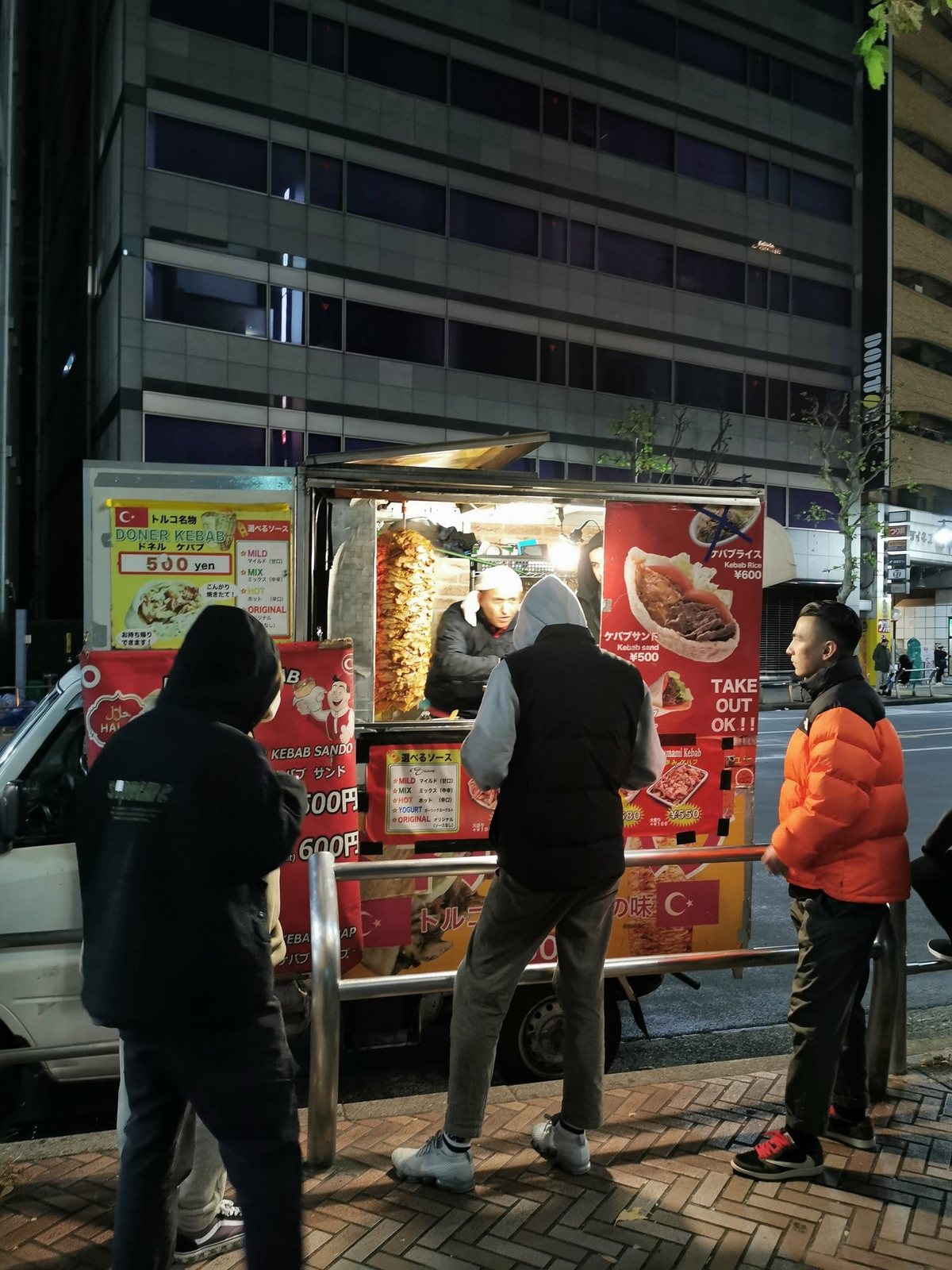
- Shin-Okubo: Known as "Korea Town," this area is vibrant with dozens of international halal eateries, including South Asian, Turkish, and Middle Eastern cuisines.
- Chain Restaurants: Curry House CoCo Ichibanya has two halal-certified branches in Tokyo: one in Akihabara and one in Shinjuku. Be sure to verify certification as other branches are not halal.
Cost Tip: For a halal foodie weekend in Tokyo, budget around ¥10,000-¥18,000 (approx. ₹5,600-₹10,080) per person for three days of two halal meals per day plus a snack. Halal ramen bowls are generally budget-friendly, similar to non-halal ramen prices.
Osaka: The Nation's Kitchen with Growing Halal Options
Osaka, often called "Japan's kitchen," is famous for its vibrant street food and diverse culinary scene. While traditional Osaka dishes like okonomiyaki and takoyaki often contain pork or alcohol, the city has made significant strides in offering halal alternatives, especially since the run-up to Expo 2025.
Mosques and Prayer Rooms in Osaka
- Osaka Ibaraki Mosque: Established in 2006, this is the main mosque in Osaka, located at 4-6-13 Toyokawa, Ibaraki City.
- Kansai International Airport (KIX): KIX Terminal 1 boasts three 24-hour prayer rooms with wudu facilities and gender separation: one in the public area on 3F and two after security in the international departure gate area (north and south wings).
- Osaka Station: Prayer rooms have been installed at JR Osaka Station. You may need to speak to information desk staff to access these meticulously maintained private prayer spaces.
- Hankyu Umeda: This major shopping area also features a prayer room.
Halal Dining in Osaka
Osaka's halal dining scene is denser than Kyoto's, with a broader range of certification options and Muslim-friendly chains.
- Namba & Dotonbori: These lively areas are prime spots for halal food.
- CHIBO Dotonbori (Diversity Dotonbori Building, 7F): This branch runs a dedicated Muslim-friendly okonomiyaki kitchen using halal-certified meat, with no pork or alcohol contact, and an on-site prayer room. A reservation-based course format runs ¥5,000-¥10,000 (approx. ₹2,800-₹5,600).
- Yakiniku Zerohachi Namba OCAT: Offers all-you-can-eat wagyu BBQ with halal meat, separate kitchenware, and a prayer room, one minute from JR Namba. Prices range from ¥4,000-¥8,250 (approx. ₹2,240-₹4,620). They openly state they hold no third-party certificate but use halal meat.
- Wagyu (Halal) Japanese BBQ Yakiniku & Hamburger Ramen Dotonbori Restaurant Namba-Beef: Serves halal yakiniku, wagyu hamburgers, and ramen.
- Halal Ramen Honolu: One of the popular halal ramen chains, using rich chicken-based broths. Expect to pay around ¥1,200-¥1,500 (approx. ₹670-₹840) for a bowl.
- Matsuri (Fukushima): Known for halal-certified takoyaki and a dedicated prayer space.
- Umeda:
- Osaka Buyu-Den Halal Wagyu Ramen Higashi-Umeda: Specializes in halal wagyu ramen near Higashi-Umeda.
- HALAL WAGYU GYUKATSU SHINJUKU-TEI Osaka Umeda: Offers halal wagyu gyukatsu (beef cutlets) with A5 wagyu, stating "100% Halal Food… no pork or alcohol used." Mains are ¥3,500-¥6,000 (approx. ₹1,960-₹3,360) plus tax.
- For premium dining, some Umeda skyscrapers offer multi-course Teppanyaki or Yakiniku sets with A5-grade beef, priced from ¥12,000-¥25,000 (approx. ₹6,720-₹14,000) per person. Reservations 48 hours in advance are usually required.
- Shinsaibashi:
- Ali's Kitchen Osaka Halal Pakistani & Arabic Restaurant: A well-known choice for authentic Pakistani and Arabic dishes in a fully halal environment.
Food Anxiety Tip: When in doubt, vegan restaurants can be a fallback, but always confirm if mirin (sweet rice wine) or cooking sake (rice wine) are used, as these are common in Japanese cuisine and are alcohol-based. Many Japanese dishes also use dashi (fish-based broth), so ask for vegetarian dashi options if seafood is also a concern.
Kyoto: Traditional Charm with Thoughtful Accommodations
Kyoto, the heart of traditional Japan, is making significant efforts to welcome Muslim visitors. While options might be slightly less abundant than in Tokyo or Osaka, careful planning ensures a fulfilling experience.
Mosques and Prayer Rooms in Kyoto
- Kyoto Mosque: Located in Shimogyo-ku, it serves as a central point for Muslim residents and visitors.
- Kyoto Tower Prayer Room: Conveniently located just a 2-4 minute walk across from Kyoto Station, on the 3rd floor of the Kyoto Tower Tourist Information Center. You'll need to register at the information counter, fill a form, and staff will guide you. It offers separate prayer rooms for men and women with wudu facilities.
- Kyoto Station: While Kyoto Station itself does not have a dedicated prayer room, the Kyoto Tower option serves this need perfectly. Major Shinkansen hubs like Kyoto provide private prayer spaces, and staff at information desks can unlock them for you.
- Kyoto International Community House (kokoka): Offers a peaceful environment for worship, a little away from the main tourist areas.
Halal Dining in Kyoto
Kyoto's halal food scene is growing, with options clustered around Gion, Karasuma, and Kyoto Station. Expect prices in Kyoto to be generally higher than in Osaka, especially for premium experiences.
- Traditional Japanese Cuisine:
- Arashiyama Yoshiya: Located in Ukyo-ku, this restaurant received Kyoto Halal Council certification in 2016 and offers a Japanese-style prayer room with a wudu facility.
- Honke Tankuma Honten: Certified by the Kyoto Halal Council and awarded one Michelin star, offering exquisite kaiseki.
- WASHOKU KADEN at Hotel Plaza Osaka (Juso): Offers a Muslim-friendly kaiseki experience. Reservations for the halal menu must be made at least three days in advance. Lunch runs 11:30 to 14:30 (last order 14:00) and dinner 17:00 to 21:30 (last order 21:00). While in Osaka, this is a notable option for a traditional Japanese meal.
- Ryokan Hirashin (central Kyoto): A traditional inn offering a halal-friendly kaiseki-style set menu with advance reservation (1-2 days notice). This provides a rare cultural dining experience in a tatami room within a 100-year-old building.
- Kiyomizu Junsei Okabeya: Near Kiyomizu Temple, offering tofu kaiseki meals in a serene temple garden setting, maintaining Halal-friendly standards.
- Yakiniku (Japanese BBQ):
- Wagyu Sukiyaki Kyoto PANGA: Certified by a recognized Halal Authority, providing a prayer space. It offers premium wagyu.
- Nanzan: Offers two halal yakiniku courses using Kyo Tankuro wagyu, certified by the Kyoto Council for Sharia and Halal Affairs.
- Halal Wagyu & Vegan Ramen Gyumon Kyoto: Offers halal-certified options alongside vegan ramen and has a prayer room.
- Ramen:
- Honolu Grande Kyoto: A four-story halal-food building in Shijo-Kawaramachi, serving halal-compliant ramen with bowls priced above ¥4,000 (approx. ₹2,240).
- Ayam Ya Karasuma: A known halal ramen spot near Kyoto Station.
- Ramen Factory Kyoto: Offers a hands-on experience to make your own halal ramen.
- Other:
- Hyssop (@Good Nature Station): Offers both vegan and Muslim-friendly options using halal-certified ingredients.
- Wagyu Sushi Roll: Serves premium Halal-certified Hokkaido Wagyu sushi rolls.
Booking Tip: For many certified restaurants, especially for kaiseki or wagyu, advance reservations (at least three days) are crucial for halal menus. Walking in and asking for halal on the day often fails.
General Halal Logistics and Wudu-Friendly Facilities
Beyond specific cities, understanding general logistics will significantly enhance your Japan trip.
Finding Halal Food Beyond Major Cities
While Tokyo, Osaka, and Kyoto offer the most options, finding halal food in smaller towns or rural areas can be challenging.
- Halal Apps: Apps like Halal Navi and Halal Gourmet Japan are indispensable. They provide real-time information on restaurants, prayer spaces, and certification status.
- Vegan/Vegetarian Options: Look for vegetarian or vegan restaurants as a fallback. Traditional Shojin Ryori (Buddhist temple cuisine) is naturally plant-based and often a safe bet, though always confirm if alcohol is used in cooking.
- Convenience Stores (Konbini): While not fully halal, some convenience stores like 7-Eleven or Seicomart (especially in Hokkaido) are starting to feature clearer "No Pork/No Alcohol" signage on pre-packaged snacks. Onigiri (rice balls) with simple fillings like salt or plum are usually safe.
- Online Halal Stores: For longer stays or self-catering apartments, consider online halal grocery stores like Gunma Halal Food or Family Hut. They deliver across Japan and can be cost-effective for bulk purchases of items like Basmati rice and lentils (dal), which are often more expensive in regular Japanese supermarkets.
Wudu-Friendly Facilities
Japanese culture's emphasis on cleanliness makes finding suitable spaces for wudu relatively straightforward, even if not explicitly labeled.
- Airport and Station Prayer Rooms: As mentioned, these facilities almost always include dedicated wudu areas with continuous-flow washing stations.
- Public Restrooms: Japanese public restrooms are generally exceptionally clean. Many newer or renovated facilities, especially in urban areas and major tourist spots, feature "washlets" (bidet functions) that can be used for ablution. Look for restrooms in department stores, larger shopping malls, and tourist information centers.
- Hotels: Many Muslim-friendly hotels now offer "wudu-friendly" bathrooms, and some even provide prayer mats and Qibla compasses on request. Apartment hotels with private kitchenettes and spacious bathrooms are also recommended for ease of ablution.
Ramadan Travel in Japan: A Unique Experience
Traveling during Ramadan in Japan offers a unique and manageable experience, especially for 2026, when Ramadan is expected from mid-February to mid-March.
- Manageable Fasting Hours: The fasting hours will be relatively moderate, typically ranging from 12 to 13.5 hours, making it easier than summer fasts in many other parts of the world. For example, Fajr might be around 5:00 AM and Maghrib around 5:25 PM at the start of Ramadan in Tokyo.
- Cooler Weather: Late winter to early spring brings comfortable, crisp temperatures, which is a significant advantage for fasting while sightseeing.
- Community Iftars: Major mosques, especially Tokyo Camii, host large communal iftars daily during Ramadan, providing a strong sense of community. Other mosques like Masjid Indonesia in Meguro and Masjid Asakusa also organize iftars.
- Prayer Times and Qibla Apps: Essential tools like "Muslim Pro" or "Athan" will provide accurate prayer times for your exact location and Qibla direction. Always double-check your GPS settings, as mountainous regions might cause slight variations in prayer times. In Japan, the Qibla points roughly west-northwest.
- Pre-dawn Meal (Suhoor): Plan your suhoor carefully. While Japan doesn't have a national Ramadan atmosphere, you can stock up on halal products from online stores or specific halal markets. Eating a light, hydrating meal is crucial.
- Iftar Options: Halal restaurants in major cities often prepare special iftar meals. Some eateries may offer set iftar menus including dates, soups, and shared platters.
- Punctual Public Transport: Japan's highly punctual train system (like the JR lines, comparable to IRCTC for intercity, or Tokyo Metro to Delhi Metro for urban transit) allows you to plan your iftar with precision, minimizing stress about delays.
- Respectful Culture: Japanese Omotenashi ensures that once your religious needs are communicated, they are met with sincerity and respect. Discretion around eating or drinking in public during fasting hours is appreciated, especially in areas near mosques.
Essential Apps and Practical Tips
Beyond prayer rooms and halal food, a few practical tools and tips will make your journey smoother.
Qibla Apps and Resources
Reliable apps are your best friends for staying on track with prayers.
- Muslim Pro: This is the most popular choice globally and in Japan. It offers accurate prayer times, a Qibla compass, the full Quran, du'as, and even a fasting tracker. It also helps locate nearby halal restaurants and prayer spaces.
- Athan / Muslim Assistant: Other apps like Athan or Muslim Assistant also provide accurate prayer times and Qibla direction. Athan is noted for its clear-cut Qibla compass that gives an audible click when pointing correctly.
- Halal Navi: Beyond food, Halal Navi also lists mosques and prayer spaces across Japan.
- Google Maps: An excellent tool for navigation. Save your halal restaurants and prayer rooms as pins, and you can easily navigate to them. The Qibla direction in Japan is roughly west-northwest.
Wudu-Friendly Facilities: Beyond the Obvious
As discussed, dedicated wudu facilities are common in airports and mosques. In other situations:
- Hotel Rooms: Always ask your hotel if they can provide a prayer mat and Qibla direction. Many Muslim-friendly hotels already do.
- Public Spaces: In an urgent situation, a quiet corner in a park, a less crowded waiting area in a large station (like Kyoto Station, which officially lacks a dedicated prayer room but offers nearby alternatives), or a department store fitting room can serve as a temporary prayer spot. Japanese people are generally respectful of religious practices.
Getting Around: JR Pass vs. IC Cards
For inter-city travel, especially if you plan to visit multiple cities like Tokyo, Osaka, and Kyoto, the Japan Rail Pass is often a cost-effective choice, similar to how an IRCTC pass might facilitate extensive train travel in India. It covers Shinkansen (bullet trains) and most JR trains. For local travel within cities, an IC Card (like Suica or Pasmo in Tokyo, or Icoca in Kansai) is indispensable. These rechargeable cards work like Delhi Metro cards and can be used on local trains, subways, buses, and even for purchases at convenience stores and vending machines.
Language and Translation
While English signage is improving, especially in major tourist areas, having translation tools is highly recommended.
- Google Translate: The camera translation feature is a lifesaver for reading menus or ingredient lists. Its conversation mode can also help communicate with staff.
- VoiceTra: A free, highly accurate voice translation app developed by a Japanese government research institute, supporting 31 languages.
- Payke: This app allows you to scan product barcodes and get ingredient information in English, making grocery shopping for halal items much easier.
Money Matters
Japan remains a cash-heavy society, especially for smaller establishments. Always carry Japanese Yen (¥) in cash. Many smaller places might not accept cards.
- Currency Conversion: As of 2026, roughly ¥1 is approximately ₹0.56. This means ¥1,000 is about ₹560. For Bangladeshi travelers, ¥1,000 is roughly ৳700-৳750 (exchange rates vary, so always check current rates).
- Tax-Free Shopping: From November 1, 2026, Japan is moving to a refund-based tax-free system. You will pay the full 10% tax at the shop and claim it back at the airport. Budget an extra 30 minutes at the airport for this.
Key Takeaways
- Japan has significantly improved its Muslim-friendly infrastructure, with dedicated prayer rooms and halal dining options growing rapidly in major cities like Tokyo, Osaka, and Kyoto.
- Always differentiate between "halal-certified" (audited by recognized bodies) and "Muslim-friendly" (no pork/alcohol, but potentially shared kitchens) when choosing restaurants. Use apps like Halal Navi and Halal Gourmet Japan for verification.
- Major airports (Narita, Haneda, Kansai) and key train stations (Tokyo, Osaka, Kyoto Tower near Kyoto Station) offer well-equipped prayer rooms with wudu facilities.
- For Ramadan 2026 (mid-February to mid-March), expect manageable fasting hours (12-13.5 hours) and comfortable weather. Major mosques host communal iftars, fostering a strong sense of community.
- Indispensable apps include Muslim Pro (prayer times, Qibla), Halal Navi (restaurants, mosques), Google Maps (navigation), and Google Translate (language barrier).
- Carry sufficient Japanese Yen cash, as many smaller businesses do not accept cards. For inter-city travel, consider a Japan Rail Pass; for local transit, an IC Card is essential.
- Don't hesitate to communicate your needs. Japanese Omotenashi means your dietary and prayer requirements will be respected with utmost sincerity.
FAQ
Q. How easy is it to find prayer rooms in Japan? A. It's becoming increasingly easy, especially in major international airports like Narita, Haneda, and Kansai, which offer dedicated, well-equipped prayer rooms with wudu facilities. Major train stations in Tokyo and Osaka also have prayer rooms, and in Kyoto, the Kyoto Tower provides a convenient prayer space near the station.
Q. Can I find halal meat in Japan, or should I stick to vegetarian options? A. You can definitely find halal meat in Japan, particularly in major cities. Many restaurants offer halal-certified wagyu, yakiniku, and ramen using halal ingredients. However, it's always wise to confirm the certification status or inquire about the specific preparation methods, and vegetarian/vegan options remain a reliable fallback.
Q. What is the approximate cost of a halal meal in Japan? A. The cost varies by cuisine and city. A halal ramen bowl can be around ¥900-¥1,500 (approx. ₹500-₹840). Halal yakiniku might range from ¥4,000-¥8,000 (approx. ₹2,240-₹4,480), and a premium halal kaiseki dinner could exceed ¥15,000 (approx. ₹8,400).
Q. What are the best apps for Muslim travelers in Japan? A. The most recommended apps are Muslim Pro for accurate prayer times and Qibla direction, Halal Navi and Halal Gourmet Japan for finding halal restaurants and mosques, Google Maps for navigation, and Google Translate or VoiceTra for language assistance.
Q. Is it feasible to travel to Japan during Ramadan? A. Yes, traveling to Japan during Ramadan is highly feasible and rewarding. For 2026, Ramadan falls in mid-February to mid-March, offering moderate fasting hours (12-13.5 hours) and comfortable weather. Major mosques host communal iftars, and Japan's efficient transport helps in planning prayers and meals.