
Naruto Whirlpools – Japan's Jaw-Dropping Natural Wonder
Naruto Whirlpools – Japan's Jaw-Dropping Natural Wonder – Your complete guide to visiting the Naruto Whirlpools, Tokushima / Hyogo. Best time to visit, how to get there, top photo spots...
Jan 31, 2026·✍️ olablog·⏱ 5 min read
Naruto Whirlpools – Japan's Jaw-Dropping Natural Wonder – Your complete guide to visiting the Naruto Whirlpools, Tokushima / Hyogo. Best time to visit, how to get there, top photo spots...
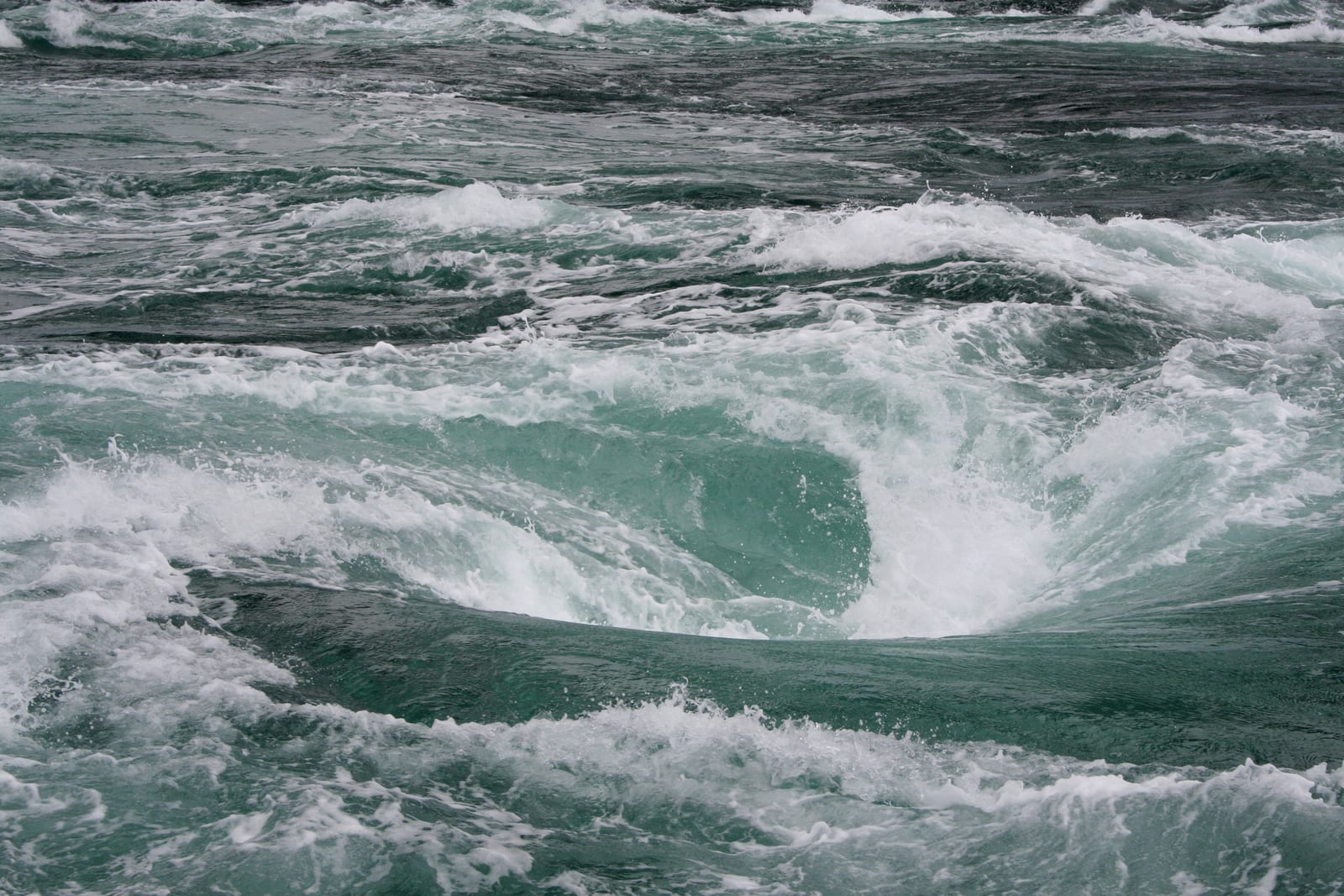
Japan has no shortage of natural spectacles, but the Naruto Whirlpools in the Tokushima / Hyogo region are on a level of their own. These churning, roaring tidal vortexes — some stretching nearly 65 feet across — are the kind of thing you've seen in a BBC documentary and assumed you'd never visit in real life. Spoiler: you absolutely can, and you absolutely should.
1. What Makes the Naruto Whirlpools So Special
The whirlpools form in the Naruto Strait, the narrow channel between Awaji Island and Shikoku, where the Pacific Ocean and the Seto Inland Sea collide with a tidal difference that can reach nearly 5 feet. The result? Massive, spinning columns of water that appear like clockwork, several times a day, every single day of the year.
The surrounding landscape doesn't hurt either. The coastline unfolds like a watercolor painting — jagged cliffs, turquoise water, and sea breezes that make every photo feel effortless. Light shifts dramatically throughout the day, from golden-hour warmth at sunrise to deep pink and violet at dusk. No two visits look the same.
The drive into the area is half the experience. Winding roads hug cliffsides, open onto sweeping coastal panoramas, and pass through quiet fishing villages that feel a world away from Osaka or Kyoto. Think of it less as a day trip and more as a proper adventure.
2. Top Photo Spots You Can't Miss
The Naruto / Tokushima area is packed with viewpoints — from the famous to the genuinely off-the-beaten-path. Here are the ones worth prioritizing:
Main observation deck: Offers a 180-degree view of the strait and the whirlpools in full swing. Sunrise and sunset here are consistently rated the best in the region.
The old-growth tree tunnel: Ancient trees arch over the road to form a cathedral-like canopy — stunning in spring cherry blossom season and equally dramatic in fall foliage.
Reflection pool / riverside mirror shot: A nearby lake or calm river section perfectly mirrors the surrounding landscape, making for the kind of symmetrical shot that breaks Instagram.
Summit panorama point: Hike or drive to the highest accessible point for a sweeping panorama across the Tokushima / Hyogo coastline — the kind of view that makes you forget you have a phone.
3. Best Time to Visit
The whirlpools happen year-round, but April and October are the sweet spots. Here's why:
- Weather is stable and comfortable — ideal for driving and spending time outdoors
- Scenery peaks seasonally: cherry blossoms in April, fiery foliage in October
- Natural light is perfect for photography between 6–9 AM and 4–6 PM
- Crowds are manageable — busy enough to feel lively, not so packed that you're queuing for every viewpoint
Winter visits can be magical if fresh snow dusts the cliffs, but mountain roads may get icy — check conditions before you go. Spring and fall are the safest bets for first-timers.
4. The Best Way to Explore – Drive It Yourself
Public transit can get you to Naruto, but it won't get you everywhere worth going. Renting a car is genuinely the best call here. You'll be free to pull over whenever a view demands it, explore unmarked coastal tracks, and time your whirlpool viewing around the tidal schedule — not a bus timetable.
Roads throughout the Naruto / Tokushima area are well-maintained and clearly signposted (many in English). Coastal stretches have wide lanes and regular rest stops, making this one of Japan's most enjoyable road-trip routes even for first-time drivers in the country.
✨ Pro tip: Book a private car through OlaChill and explore the Naruto Whirlpools entirely on your own schedule — driver-guided or self-drive options available.
5. Sample 1–2 Day Itinerary
Day 1:
- 6:00 AM – Arrive at the main observation deck for sunrise; catch the whirlpools in the golden morning light
- 8:00 AM – Breakfast at a local restaurant — fresh seafood from the strait is the obvious (and correct) choice
- 9:30 AM – Drive the main scenic coastal road, stopping at viewpoints along the way
- 12:00 PM – Lunch at a roadside rest stop or local diner
- 2:00 PM – Explore nearby side attractions: a historic village, a waterfall, or a hidden inlet
- 5:00 PM – Check into your hotel or ryokan (traditional inn)
- 6:30 PM – Soak in the onsen if your accommodation has one, then settle in for a kaiseki dinner
Day 2:
- 7:00 AM – Early breakfast and hit the road before the day-trippers arrive
- 8:30 AM – Take a lesser-known back road or find a viewpoint the guidebooks missed
- 11:00 AM – Head to the reflection pool for mirror-image shots
- 1:00 PM – Lunch and a slow afternoon
- 3:00 PM – Continue to your next destination or begin the return journey
6. Practical Tips
- 📷 Golden hour is non-negotiable: Shoot within 30 minutes of sunrise or sunset — the light is genuinely transformative
- 🚗 Book your rental car early: Especially in peak season (April, October), inventory goes fast — aim to book at least 1–2 weeks ahead
- ⛽ Fill up the tank before heading out: Gas stations can be sparse in rural Tokushima / Hyogo — don't assume there's one around the next bend
- 📱 Download offline maps: Google Maps offline for the Tokushima / Hyogo area is a lifesaver in spots with weak signal
- 🍙 Stock up at a convenience store: 7-Eleven and FamilyMart are your best friends on rural Japanese roads — rice balls, sandwiches, hot coffee, the works
- ☁️ Always check the forecast: Especially critical in winter or rainy season — conditions can change fast on coastal roads
More from this region — Other
View all →Japan National Health Insurance
3 min · tips

Japan National Health Insurance (Kokumin Kenko Hoken 国民健康保険) – The Complete Expat Guide
3 min · tips
Japan's Nationwide Koyo Season – The Ultimate Fall Foliage Road Map
6 min · seasonal

Japan's Nenkin — how to reclaim your pension when returning to Vietnam
10 min · tips