Buying Japanese Cosmetics at Drugstores: Top Value Picks & Tax-Free Shopping Tips
An insider guide to shopping Japanese cosmetics at drugstores like Matsukiyo and Sundrug: must-buy sunscreens, sheet masks, skincare, recognizing domestic products, and tax-free procedures.
Aug 8, 2026·✍️ olablog·⏱ 6 min read
An insider guide to shopping Japanese cosmetics at drugstores like Matsukiyo and Sundrug: must-buy sunscreens, sheet masks, skincare, recognizing domestic products, and tax-free procedures.
For many international travelers visiting Japan, the humble drugstore (a hybrid pharmacy and beauty retail store) turns out to be the ultimate budget-breaker—even more so than high-end department stores. The reason is simple: Japanese domestic cosmetics and skincare are world-renowned for being gentle, safe, and highly effective, while prices at local drugstores are far cheaper than purchasing imported items back home—especially once you factor in tax-free savings. However, standing in an aisle packed with thousands of items labeled almost entirely in Japanese can be daunting. What should you actually buy, and how do you shop smart? This guide wraps up the most practical, real-world advice for your trip.
Which Drugstore Chain to Choose: Matsukiyo, Sundrug, or Kokumin?
Major chains carry largely similar inventory, with differences mostly coming down to promotional discounts and regional pricing:
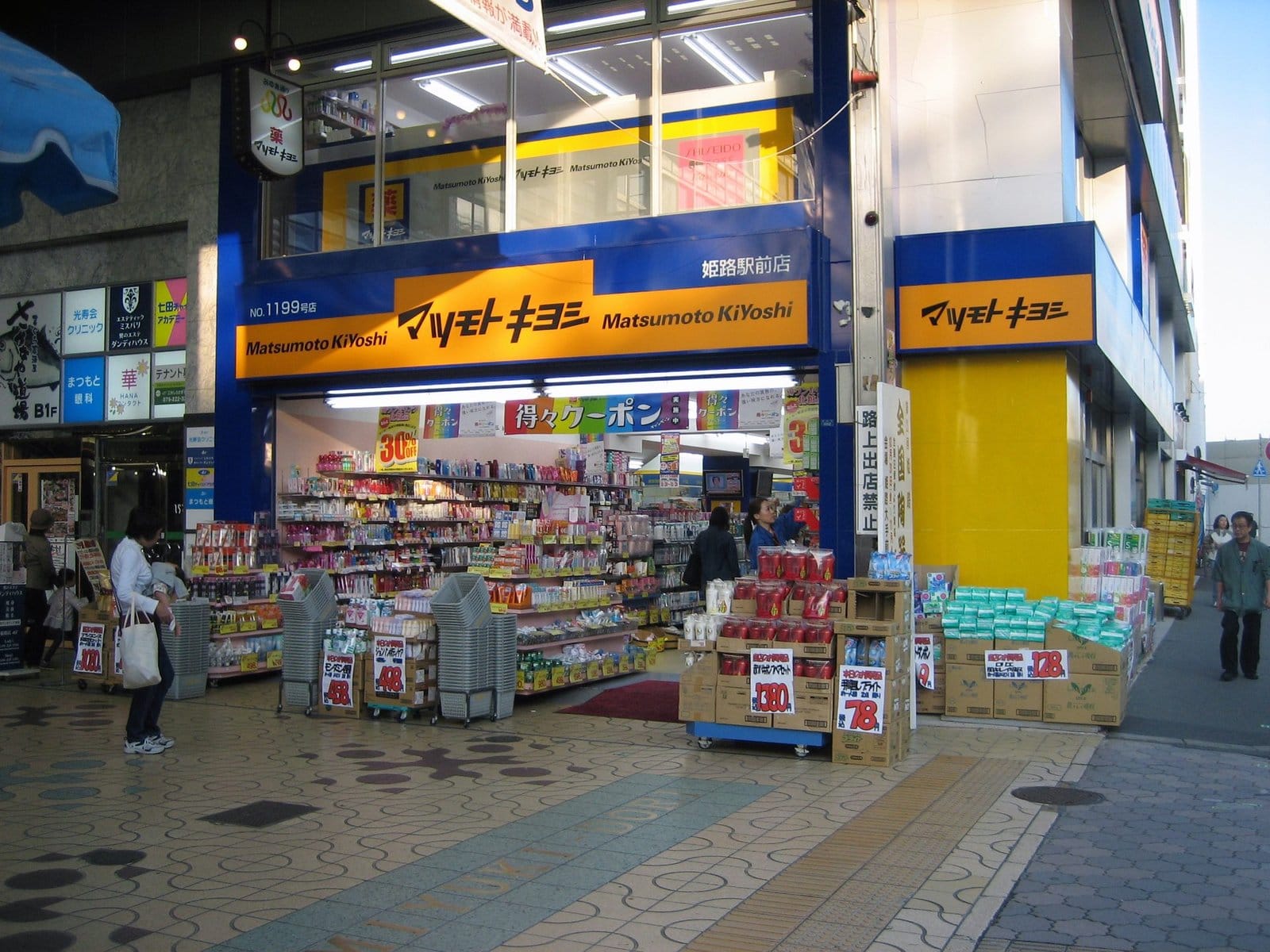
- Matsumoto Kiyoshi (Matsukiyo): The most iconic chain, easily recognized by its vibrant yellow sign, with dense locations across major Tokyo hubs like 新宿 (Shinjuku), 渋谷 (Shibuya), and 浅草 (Asakusa). They frequently offer extra 3% to 7% discount coupons for international tourists (simply scan the QR code on in-store posters or present digital coupons at the register).
- Sundrug: List prices here are often among the most competitive across major chains, making it a fantastic stop if you plan on buying items in larger quantities.
- Kokumin, Daikoku, Tsuruha, Welcia: Any location you stumble upon will serve you well; Daikoku branches in heavily touristed areas frequently showcase eye-catching "loss leader" sales on select popular products to draw shoppers inside.
Pro tip: Even within the same chain, branches located right inside tourist hotspots like 浅草 (Asakusa Station) or 道頓堀 (Dotonbori in Osaka) may charge slightly higher prices than neighborhood branches. If your itinerary allows, consider shopping at a location near your hotel instead of right next to major sightseeing landmarks.
Sunscreens: The Ultimate Must-Have Category
Japanese sunscreens are globally coveted for their featherlight textures, non-greasy finishes, and maximum UV protection levels:
- Milk Sunscreens: Offer outstanding water resistance and long-wearing durability, ideal for beach trips and outdoor activities—popular compact bottles with yellow or blue caps typically run around ¥700–¥1,200 ($4.50–$8 USD).
- Gel Sunscreens: Absorb rapidly into the skin, making them perfect for oily skin types and daily wear. Large family-sized tubs usually cost around ¥900–¥1,500 ($6–$10 USD).
- Spray Sunscreens: Incredibly convenient for quick reapplications throughout the day, as well as applying to hard-to-reach areas like your hair and back.
Buying advice: Always prioritize products marked with SPF50+ PA++++, and look out for the Japanese characters "ウォータープルーフ" (Waterproof) if you need water-resistant formulas. Sunscreen is the ultimate universal gift—stocking up on 5 to 10 bottles to gift family and friends back home will never go to waste.
Sheet Masks and Skincare: Affordable Yet High Quality
- Bulk Sheet Mask Packs (30–40 masks for around ¥1,000–¥2,000 / $6.50–$13 USD): Excellent for daily hydration and hands-down the best value-for-money purchase in the store.
- Cleansing Oils and Micellar Waters: Domestic brands offer deep-cleansing power while remaining exceptionally gentle on the skin, typically priced between ¥700–¥2,000 ($4.50–$13 USD).
- Moisturizers for Sensitive Skin: Japan excels in fragrance-free, alcohol-free formulations that are safe and gentle enough even for expectant mothers and young children.
- Vitamin C Serums and Brightening Essences: The ¥1,000–¥3,000 ($6.50–$20 USD) drugstore range packs surprisingly potent, high-performance options.
- Medicated Acne Treatments, Scar Creams, and Medicated Lip Balms: Compact, inexpensive, and ideal as practical, thoughtful gifts.
Don't forget to check out the hair and body care aisles as well: premium domestic shampoos, body washes, cooling fever patches, and medicated muscle pain relief patches are classic Japanese household staples that visitors love.
Distinguishing Domestic Japanese Products from "Tourist-Targeted" Items
Here are a few smart tricks to ensure you are buying the authentic products that local Japanese residents actually use:
- Examine the Packaging: Products made for the domestic Japanese market are printed almost exclusively in Japanese. Products tailored mainly for tourists often feature large English or Chinese text prominently on the box front and are stacked in huge piles near the entrance under "Duty Free! Popular!" banners.
- Check for 日本製 (Made in Japan): Not every product sold in a Japanese drugstore is manufactured locally. If you specifically want authentic Japanese-made formulations, look for these kanji characters on the back of the packaging.
- Seasonal Limited Editions: Spring cherry blossom packaging, summer-themed designs, and seasonal scents are usually genuine domestic runs and make gorgeous souvenirs.
- Don't judge solely by flash sale prices: Deeply discounted items right at the entrance are often placed there to entice shoppers; compare prices across two or three nearby shops if you plan to buy in bulk.
If you ever need assistance, simply show a photo of the product to a store clerk—branches in central city districts often employ staff who speak English or Chinese, and some even have multi-lingual team members ready to help.
Tax-Free Shopping at Drugstores: Quick and Compliant
- Eligibility: You must spend a total of at least ¥5,000 (excluding tax) at the same store on the same day. You must present your original physical passport featuring a valid temporary visitor entry stamp (or verified digital entry QR code).
- Cosmetics as "Consumable Goods": Cosmetics qualify for the 10% tax exemption, but they will be sealed inside a transparent, tamper-evident plastic bag. Strictly speaking, you are not permitted to unseal or consume these items while still inside Japan, and they must be exported from the country within the designated timeline.
- Procedure: Many larger branches feature a dedicated "Tax-Free Counter"—lining up at the designated register will save you substantial time.
- Customs Notice: Upon departure at the airport, customs officials may scan your passport to verify tax-free purchases. To avoid complications, keep sealed duty-free bags packed securely inside your checked luggage after passing check-in. Remember that liquids over 100ml must always go into checked baggage.
If you plan to use an item immediately during your trip (such as a sunscreen or lip balm for daily outings while tapping your SUICA or IC card around town), ask the cashier to ring that specific item up separately with standard tax included.
Wrap-Up: Dedicate an Entire Evening to the Drugstore
A classic tip from seasoned travelers: never treat a Japanese drugstore run as a quick 15-minute pop-in. Instead, dedicate an entire evening towards the end of your trip, equipped with a pre-written shopping list and your original passport. Buying everything in one consolidated purchase at a single store easily hits the tax-free threshold and saves you both precious travel time and thousands of yen. If you'd like a thoughtfully planned itinerary with built-in shopping time seamlessly balanced alongside top sightseeing destinations, check out our Japan Tours at OlaChill, or explore more helpful shopping guides on our Japan Travel Blog. Wishing you a fabulous trip filled with an enviable suitcase full of Japanese beauty finds!