How to Plan a Multi-Day Charter Trip Across Japan
Plan a smooth multi-day Japan charter with practical advice on driving limits, driver changes, bus-friendly hotels, and a sample five-day route.
Aug 21, 2026·✍️ olablog·⏱ 9 min read
Plan a smooth multi-day Japan charter with practical advice on driving limits, driver changes, bus-friendly hotels, and a sample five-day route.
Why a Multi-Day Charter Works Well in Japan
A multi-day charter bus is one of the most comfortable ways to move a large group across Japan. Instead of packing and unpacking for every train connection, your group travels together with a professional Japanese operator, stays on a coordinated schedule, and keeps luggage on board between destinations.
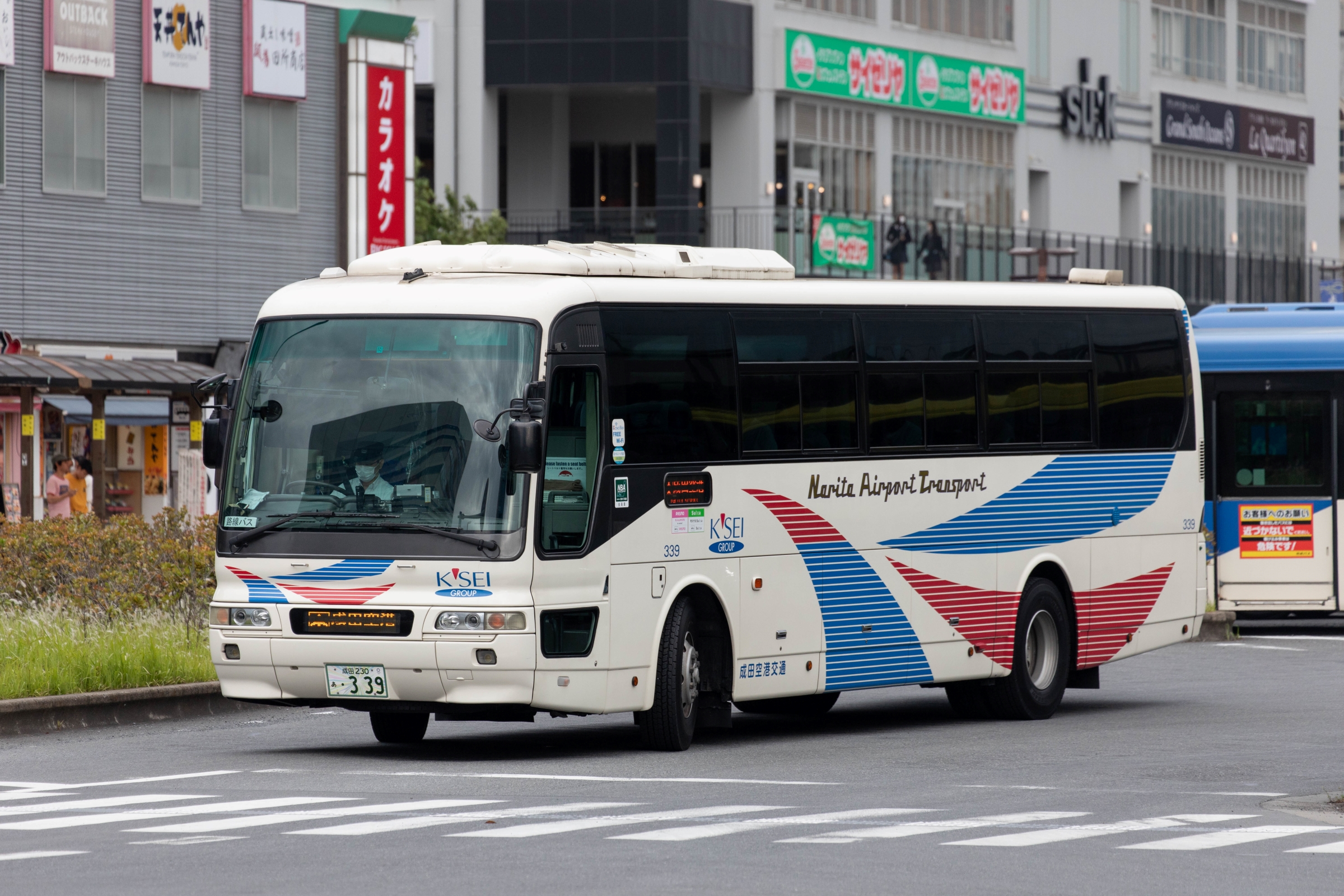
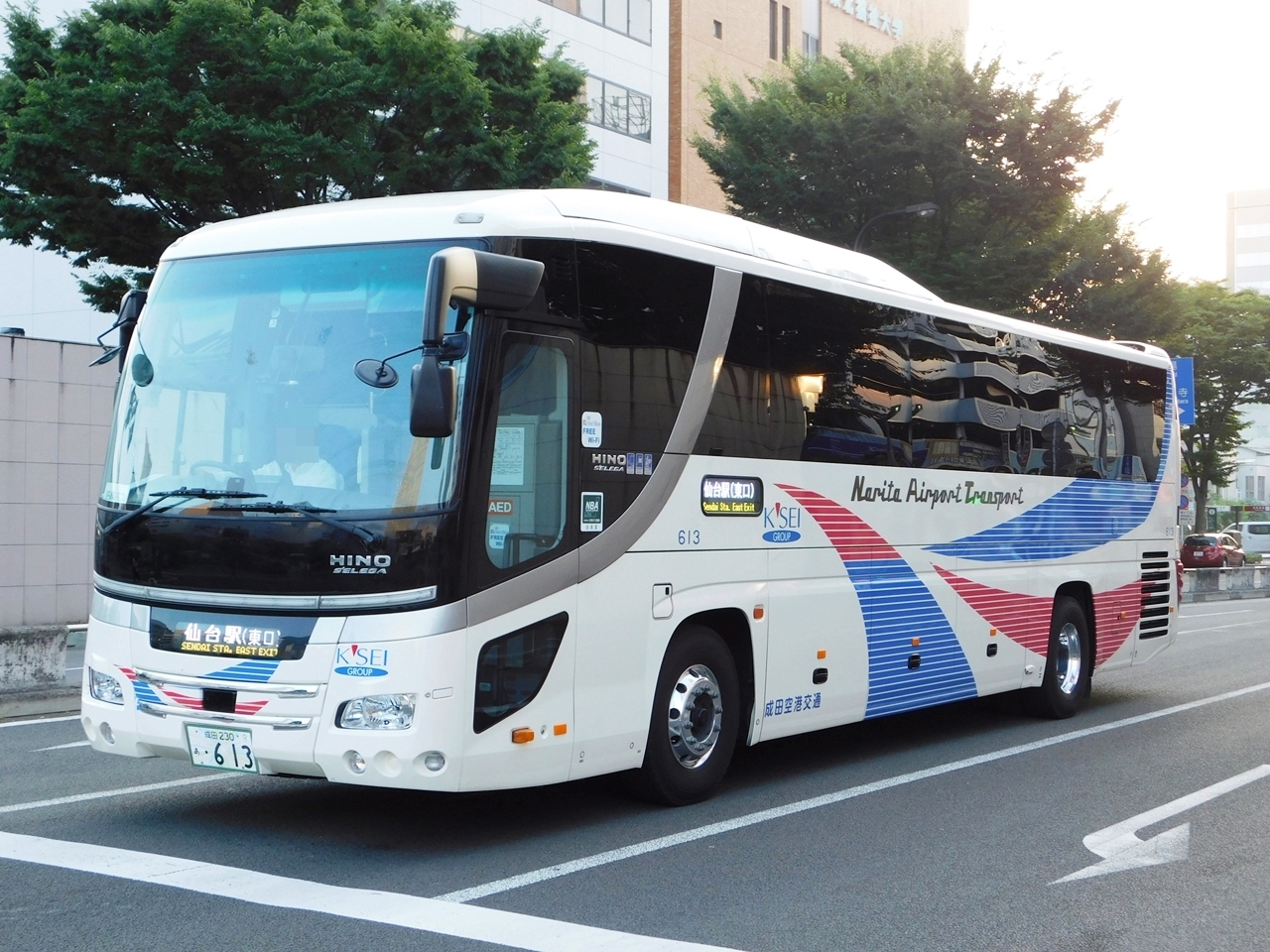
A 45–50-seat full-size coach is particularly useful for:
- School, university, and corporate groups
- Family reunions and destination weddings
- Sports teams and cultural organizations
- Large tour groups visiting several regions
- Groups carrying suitcases, equipment, or event materials
Japan’s rail network is excellent, but trains do not always reach mountain villages, rural attractions, hot-spring towns, or hotel entrances. A charter coach provides door-to-door flexibility, while the right itinerary keeps driving time manageable for both passengers and the operator.
The key is to plan the journey as a road trip—not as a list of places on a map.
The Daily Distance Question: There Is No Single Legal Number
Many travelers ask how many kilometers a charter bus can cover in one day. In practice, there is no universal “maximum kilometers per day” that applies to every route.
The safe and legal schedule depends on several factors:
- Total driving time, not just distance
- Required breaks and driver rest periods
- Traffic around major cities
- Mountain roads, winter weather, and construction
- Highway access and toll-road conditions
- Pick-up and drop-off time at each stop
- Whether the group needs sightseeing breaks
- The operator’s duty and safety requirements
A 250-kilometer route on expressways may be easier than a shorter route through mountain roads or congested urban areas. A journey that looks reasonable on Google Maps may take much longer once coach access, traffic, rest stops, and hotel arrival times are considered.
For this reason, a professional operator should review the full route before confirming it. Avoid building a schedule around the absolute maximum possible driving time. A good multi-day plan leaves room for meals, photographs, restroom stops, weather, and unexpected delays.
A practical way to structure each day
When planning your route, separate the day into four parts:
- Departure routine — boarding, luggage loading, and hotel check-out
- Main transfer — the longest driving section of the day
- Sightseeing or meal stop — enough time to enjoy the location without rushing
- Arrival window — hotel check-in, dinner, and driver rest
If the group wants to visit multiple attractions, choose stops that are close to the main route. Detours can add significant time, especially when a full-size coach must use designated roads or parking areas.
Driver Changes and Overnight Scheduling
A multi-day charter may use one driver or involve a driver change, depending on the route, duty schedule, and operating plan. This decision is made by the licensed Japanese operator based on applicable safety rules and the actual itinerary.
A driver change can happen:
- At a planned rest or service area
- In a regional city along the route
- At the group’s hotel
- Before a particularly long transfer
- Between separate sections of a cross-regional journey
Passengers may notice a short operational pause while the replacement driver boards, checks the vehicle, and receives route information. This is normal and helps maintain a safe journey.
For especially long routes, do not assume that adding an early departure solves everything. The group may still need a driver change, a revised overnight location, or a different sequence of destinations. If a route requires more time than can reasonably fit into one day, splitting the transfer across two days is usually more comfortable than rushing through every stop.
How travelers can make driver changes easier
- Keep the itinerary’s timing realistic
- Avoid adding last-minute sightseeing stops
- Tell the operator about evening events and fixed reservations
- Allow time at service areas and meal stops
- Keep the group ready when the coach is scheduled to depart
- Share the final passenger count and luggage requirements in advance
Choosing Hotels with Bus Parking
Hotel selection is one of the most overlooked parts of a multi-day coach trip. A hotel may appear close to the city center but have no space for a 45–50-seat coach to enter, turn, wait, or park overnight.
Before confirming accommodation, ask the hotel about:
- Full-size coach access from the main road
- A safe area for passenger drop-off
- Coach parking during the night
- Parking fees and reservation requirements
- Maximum vehicle height or road restrictions
- Whether the bus must park at a separate facility
- Walking distance between the coach stop and the entrance
Some urban hotels use a nearby bus parking lot rather than offering parking on site. That can work well, but the group should know whether luggage must be carried from the hotel to the coach the next morning.
A hotel in a less central area may be a better choice if it offers simple coach access, a convenient loading area, and reliable overnight parking. When comparing hotels, consider the total movement of the group—not only the room rate or sightseeing location.
| Hotel arrangement | Advantages | Points to confirm |
|---|---|---|
| On-site coach parking | Easy luggage handling and morning departure | Space reservation, parking fee, vehicle access |
| Nearby dedicated bus lot | More hotel choices in busy cities | Walking distance, transfer procedure, overnight security |
| Coach drop-off only | Convenient for central sightseeing | Where the bus waits and how the group reconnects |
| Out-of-town hotel | Often easier access and less congestion | Extra transfer time to attractions and restaurants |
Sample Five-Day Cross-Regional Itinerary
The following example shows how to combine major destinations without treating every day as a race. The route can be adjusted for the group’s arrival airport, season, hotel locations, and preferred attractions.
Day 1: Tokyo arrival and local orientation
Meet the group at the airport or a designated Tokyo pick-up point. Complete hotel check-in, then use the coach for a short orientation route or selected city visits.
Keep the first day flexible. International arrivals may be delayed, and collecting luggage for a large group takes time. A short city program is usually more comfortable than scheduling several distant attractions.
Day 2: Tokyo to Mount Fuji area
Depart Tokyo after breakfast and travel toward the Mount Fuji region. Depending on road conditions and the group’s interests, stops might include a lakeside viewpoint, a traditional village, or a ropeway area.
Stay near Lake Kawaguchi, Hakone, or another suitable base with confirmed coach access. Avoid booking a hotel solely because it has a scenic location; narrow roads and limited parking can create problems for a full-size vehicle.
Day 3: Mount Fuji area to Kyoto
This is a major transfer day. Plan one or two well-timed breaks and avoid overloading the schedule with sightseeing. The operator will assess the route, traffic, and required operating arrangements before confirming the plan.
Arrive in Kyoto with enough time for dinner or a light evening activity. A hotel on a coach-accessible road can make a significant difference in a busy historic city.
Day 4: Kyoto and Nara
Use the coach for selected Kyoto highlights, then continue to Nara if the timing and parking arrangements work. Because historic districts often have vehicle restrictions and limited coach space, the bus may use a designated parking area while the group explores on foot.
Choose fewer attractions and allow time for temples, gardens, meals, and group movement. A realistic day is more enjoyable than trying to cover every famous site.
Day 5: Kyoto to Osaka departure
Transfer to Osaka, the airport, or the next accommodation base. If the flight is later in the day, the group may include one final attraction or shopping stop, provided the coach route and luggage plan are confirmed.
For airport departures, build in generous time for traffic, terminal procedures, and group check-in. The operator can recommend a suitable drop-off sequence for a large party.
Planning Checklist Before You Book
Prepare the following information for an accurate route review:
- Number of passengers
- Number and approximate size of suitcases
- Preferred vehicle type: 45–50-seat full-size coach
- Arrival and departure points
- Hotel names or preferred areas
- Sightseeing destinations
- Required meal, event, or flight times
- Travel dates and seasonal considerations
- Accessibility or special equipment needs
- Whether the coach must remain with the group every day
Do not confirm non-refundable hotels or event reservations until the coach route has been checked. A small change in hotel location can affect bus access, parking, arrival timing, and the feasibility of the entire itinerary.
For a route review and an itinerary based on your group’s needs, request a free charter bus quote from OlaChill. The booking form provides the details needed for an exact quote, and the team replies within 24 hours.
FAQ
Can a 45–50-seat coach reach every sightseeing location?
No. Some historic districts, mountain roads, islands, and narrow streets restrict large vehicles. The coach may stop at a designated parking area, with the group continuing on foot or by a smaller local transfer.
Do we need to change drivers during a multi-day trip?
Possibly. Driver arrangements depend on the route, driving time, rest requirements, and operating plan. The licensed Japanese operator will determine whether one driver or a driver change is appropriate.
Should our hotel have dedicated bus parking?
Dedicated parking is helpful, but it is not essential if the hotel has a confirmed nearby coach lot or a suitable drop-off area. Always verify access, reservations, fees, and walking arrangements before booking.
Is there a fixed maximum distance for each day?
There is no single distance that works for every itinerary. The operator evaluates driving time, roads, traffic, breaks, rest requirements, and scheduled stops to create a safe and practical plan.
When should we finalize the route?
Start as early as possible, especially for large groups, peak travel periods, and destinations with limited coach parking. Confirm the transport plan before committing to hotels and tightly timed activities.