
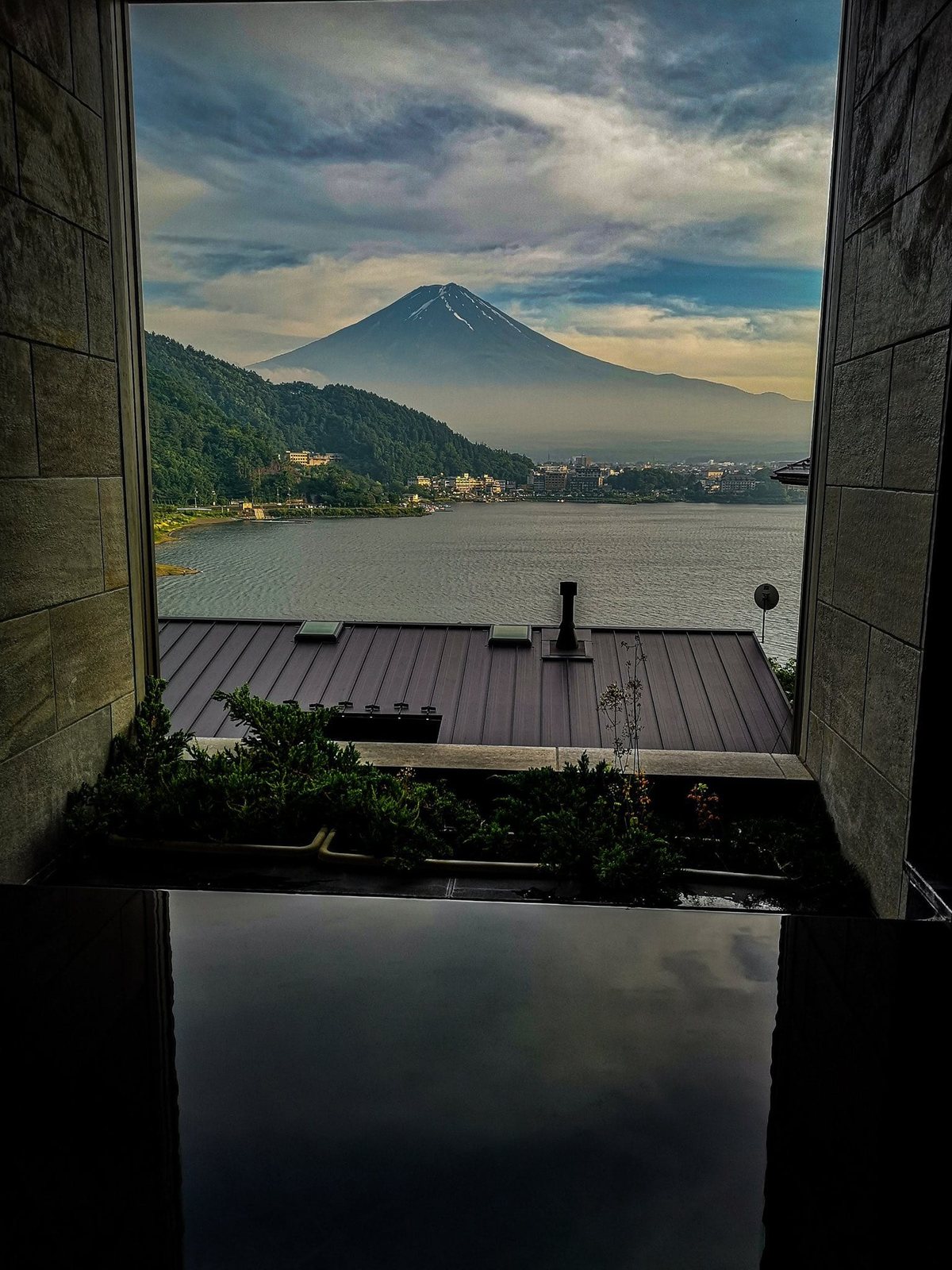
Matsue: Japan’s Black Castle and Lake Shinji Sunsets
Explore Matsue Castle, glide beneath low bridges on the Horikawa moats, and watch the sun set over Lake Shinji in Shimane.
Aug 25, 2026·✍️ olablog·⏱ 8 min read
Explore Matsue Castle, glide beneath low bridges on the Horikawa moats, and watch the sun set over Lake Shinji in Shimane.
Why visit Matsue?
On the western side of Japan’s main island, Matsue is a quietly compelling castle town shaped by water. The capital of Shimane Prefecture sits between Lake Shinji and the Sea of Japan, with rivers, canals and old moats threading through its historic centre. The result is a city that feels spacious, reflective and distinctly different from Japan’s busier tourist destinations.
Matsue’s centrepiece is Matsue Castle, one of only 12 original castle keeps still standing in Japan and one of just five designated as national treasures. Its dark wooden exterior has earned it the nickname “the black castle”. Inside, steep staircases and timber-framed rooms lead to high viewing levels with broad views across the city and surrounding waterways.
A typical visit combines the castle grounds, a boat ride around the moats, the samurai-era Shiomi Nawate street and a sunset beside Lake Shinji. Add local seafood and freshwater cuisine, and Matsue makes an excellent two-day stop in a San’in itinerary.
Matsue Castle and the old town
Matsue Castle is best approached on foot through the leafy paths of the former castle grounds. The keep has a powerful, practical appearance rather than the bright, decorative look of some reconstructed castles. Thick black boards, white plaster details and a broad stone base give it a striking silhouette in every season.
The top floor is the highlight. From here, you can look across Matsue’s rooftops towards Lake Shinji, Mount Daisen on clear days and the green hills of Shimane. The interior is relatively austere, which helps convey how a feudal castle functioned as a defensive stronghold.
After visiting the keep, walk towards Shiomi Nawate. This well-preserved street follows the northern side of the castle moat and is lined with traditional residences, small museums, gardens and cafés. It was once home to samurai families, and its quiet scale makes it easy to imagine Matsue during the Edo period.
One of the most atmospheric stops is the former residence of Lafcadio Hearn, also known as Koizumi Yakumo. The Irish-Greek writer lived in Matsue for a short period and introduced many aspects of Japanese culture and folklore to English-speaking readers. His old house and adjacent memorial museum offer a more personal way to understand the city, especially if you are interested in literature, legends and everyday life in Meiji-era Japan.
See Matsue from the water
Matsue’s Horikawa sightseeing boats are one of the city’s signature experiences. The boats follow the waterways around the castle, passing beneath a series of bridges and alongside stone walls, gardens and old neighbourhoods.
The boats have low roofs, and passengers may be asked to lower them when passing under particularly low bridges. This is part of the fun: a relaxed cruise can suddenly become a small shared adventure as everyone ducks together. The guides usually provide commentary in Japanese, while route information and multilingual materials may help international visitors follow along.
Allow roughly one hour for the full experience, depending on the route and operating conditions. Tickets and boarding arrangements can vary, so check the official Matsue sightseeing boat website before setting out. If you plan to visit the castle as well, ask about combination tickets where available.
The cruise is especially attractive in spring, when the moat-side trees are fresh and bright, and in autumn, when the surrounding foliage adds colour to the dark castle walls. Summer boats offer shade and a slower pace, while winter brings a quieter atmosphere and crisp views.
Sunset over Lake Shinji
Lake Shinji is the natural counterpoint to Matsue Castle. The lake is famous for its sunsets, and the most convenient place to watch them is the eastern lakeshore around Lake Shinji Shinsui Park. From this side, the sun drops beyond the water, creating long reflections across the lake.
Sunset times change considerably through the year, so check the forecast and arrive early enough to find a comfortable viewpoint. The colours are often strongest after the sun has touched the horizon, when the sky shifts through gold, pink and violet.
The lake is also central to Matsue’s food culture. Local restaurants serve the celebrated “seven delicacies of Lake Shinji”, a traditional selection of fish and shellfish from the lake and nearby waters. The exact lineup can vary by restaurant, but shijimi clams are the essential taste. These small freshwater clams are commonly served in miso soup, where their delicate flavour works particularly well after a day of walking.
Look for seasonal set meals featuring shijimi, eel, shrimp, carp, smelt and other local catches. Menus may be more approachable than the phrase “seven delicacies” suggests: a simple bowl of shijimi soup can be one of the most memorable dishes of the trip.
How to get to Matsue
Matsue Station is on the San'in Main Line and is the city’s principal transport hub. The most useful long-distance connection for many international visitors is through Okayama, a major Shinkansen junction.
| Starting point | Main route | Approximate travel feel |
|---|---|---|
| Okayama | Sanyo Shinkansen, then Limited Express Yakumo | Around 3 hours in total, depending on the connection |
| Izumo Airport | Airport limousine bus | Roughly 30–40 minutes |
| Tottori | Limited Express Super Matsukaze or San'in Main Line services | Around 2 hours, depending on the train |
| Hiroshima | Highway bus or rail connections via the San'in region | Allow several hours and check current schedules |
Train names and services can change, so confirm connections with JR West and the relevant bus operator before travelling. From Matsue Station, the castle area is accessible by local bus, taxi or a longer walk. The town centre is compact enough to explore gradually, but a bus or taxi is useful when combining the castle with the lakeshore.
How much time should you spend?
One full day covers the main highlights at a brisk pace: Matsue Castle, the Horikawa boat, Shiomi Nawate and the Lafcadio Hearn sites. A more comfortable plan is one night and two days, allowing time for a leisurely lunch, the sunset and a second look at the old town.
Consider combining Matsue with these nearby stops:
- Izumo Taisha: One of Japan’s most important Shinto shrines, reachable from Matsue with a straightforward regional journey.
- Adachi Museum of Art: Known for its carefully maintained Japanese garden and modern art collection; allow extra travel time.
- Tamatsukuri Onsen: A traditional hot spring area south of Lake Shinji, ideal for an overnight stay or a relaxing bath after sightseeing.
- Lake Shinji’s southern shore: A quieter alternative for lakeside walks, especially if you have already watched sunset from the eastern park.
Best seasons for Matsue
Matsue works year-round, but each season changes the character of the city.
Spring brings blossoms around the castle moat and pleasant conditions for walking. Summer offers long daylight hours and the clearest chance to enjoy a relaxed boat ride, though it can be hot and humid. Autumn is excellent for castle walks, changing foliage and atmospheric sunsets. Winter is quieter, with occasional snow adding contrast to the black castle and grey lake; some sightseeing services may operate on reduced schedules.
Whenever you go, keep a little flexibility around the sunset. Lake Shinji’s light is one of Matsue’s simplest and most rewarding experiences, and it is worth adjusting your plans to catch it.
For help planning a Matsue stop alongside other destinations in Japan, explore OlaChill’s destination hub for tickets and tours.
FAQ
Is Matsue Castle an original castle?
Yes. Matsue Castle is one of Japan’s 12 original castle keeps, meaning its main keep has survived from the feudal period rather than being a modern reconstruction. It is also designated a national treasure.
Can I visit Matsue as a day trip?
Yes, especially from nearby Izumo. However, staying overnight is better if you want to take the Horikawa boat, explore Shiomi Nawate and watch the sunset without rushing.
Where is the best place to see Lake Shinji’s sunset?
Lake Shinji Shinsui Park on the eastern lakeshore is one of the most convenient viewpoints. Arrive before sunset, as the best light can begin several minutes before the sun disappears.
What should I eat in Matsue?
Start with shijimi clam soup, the best-known taste among the seven delicacies of Lake Shinji. Depending on the season and restaurant, you may also find eel, carp, shrimp, smelt and other local fish.
More from this region — Other
View all →
Men's Kimono Rental: Kinagashi or Montsuki Hakama, and When to Wear Each
9 min · culture

Metasequoia Namiki – Japan's Most Breathtaking Tree-Lined Avenue
5 min · tips
Japan's Southern Alps – A Vast, Untouched Wilderness Most Tourists Never Find
6 min · tips
Must-Try Matcha Desserts on Your Trip to Japan
6 min · food