
Nozawa Onsen: Skiing and Free Village Baths in Nagano
Nozawa Onsen pairs a big ski mountain with a village of free public baths. How to get there from Tokyo, which slopes suit you, bath etiquette and when to go.
May 4, 2026·✍️ olablog·⏱ 6 min read
Nozawa Onsen pairs a big ski mountain with a village of free public baths. How to get there from Tokyo, which slopes suit you, bath etiquette and when to go.
Tap a region to browse articles
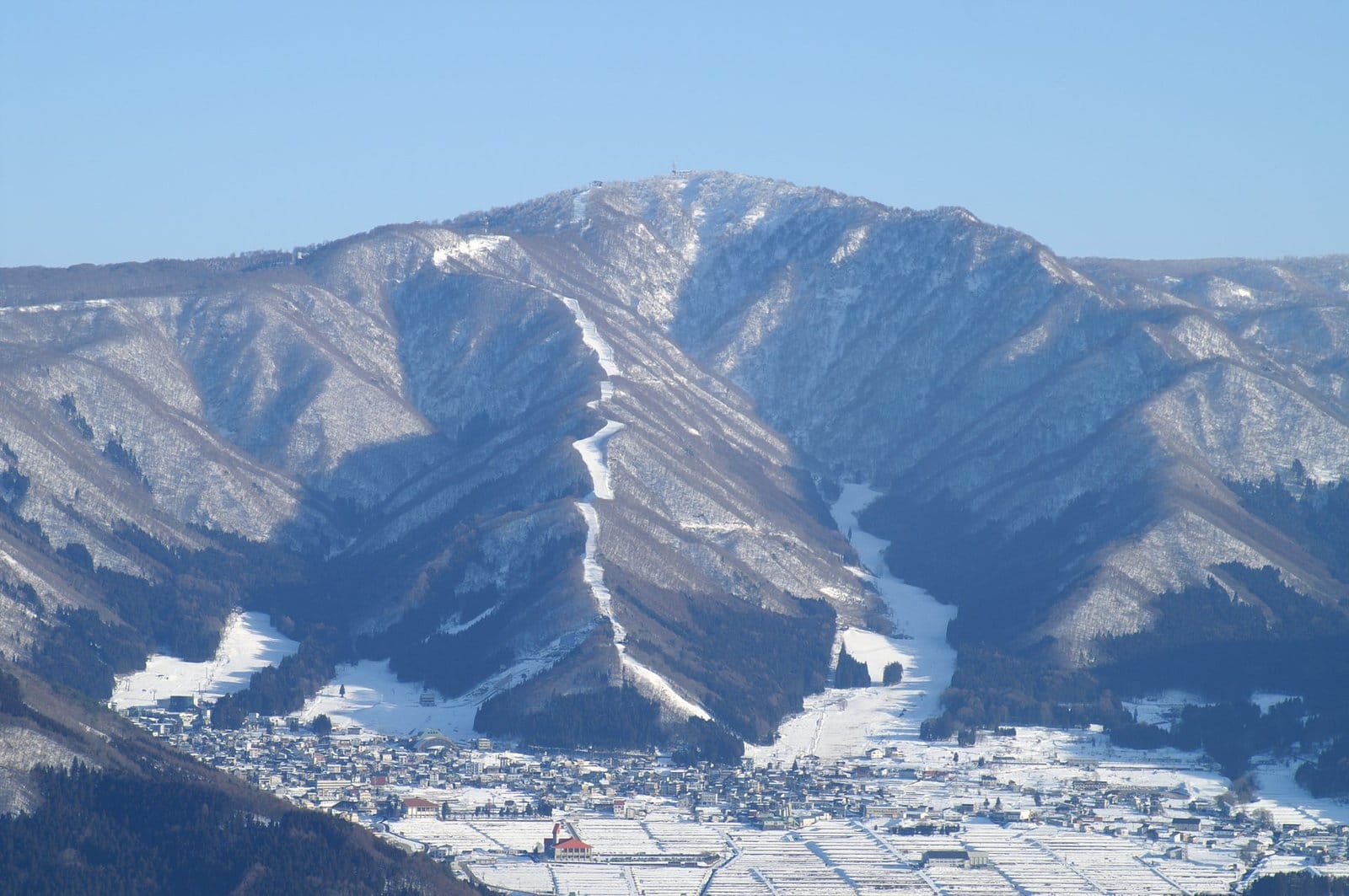
Nozawa Onsen is a hot-spring village in northern Nagano Prefecture where the ski slopes come down almost to the edge of town. What sets it apart from purpose-built resorts is that it was a village first. People were bathing in its springs long before anyone strapped on skis, and the bathhouses, steaming springs and steep lanes are still run by and for the people who live there. You can ski all day on a large, varied mountain, then walk to a public bath in your slippers.
Getting there from Tokyo
The usual route is the Hokuriku Shinkansen from Tokyo Station to Iiyama, which takes a little under two hours. Not every train stops at Iiyama, so check that you are on one that does. From Iiyama Station, the Nozawa Onsen Liner bus runs to the village in about 25 minutes, and taxis are an option for groups with lots of luggage.
Driving, the nearest exit is Toyota-Iiyama on the Joshin-etsu Expressway, about 25 minutes from the village. In winter you need proper snow tyres or chains, and parking in the village itself is limited.
Once you arrive, location matters. The village sits on a slope, so a place near the Nagasaka Gondola makes the morning walk to the lifts easy, while a place near the centre puts you close to the main baths and restaurants. Check a map before you book.
The mountain
Nozawa Onsen Ski Resort climbs to the summit area of Mount Kenashi, with a vertical drop of more than 1,000 metres from top to bottom. The terrain is spread over several distinct zones, which makes it easy to match the mountain to your level.
- Hikage: the gentle area closest to the village, with the easiest slopes. This is where first-timers and families spend most of their time.
- Uenotaira: a broad, open plateau in the middle of the mountain, with long, wide runs that are ideal for building confidence and for relaxed cruising.
- Yamabiko: the upper area near the summit, where the snow is usually at its best. On clear days the view stretches across to the Northern Alps.
- Schneider course: a steep, often mogul-covered run named after the Austrian ski pioneer Hannes Schneider, who visited Japan in 1930. It is one for confident skiers.
- Skyline course: a long run that follows a ridge line down the mountain, popular with intermediates who want distance and views.
Skiing outside the marked courses is generally not allowed. If you want deep snow, head up high early on a powder morning, when the upper runs are fresh.
Nozawa's skiing history goes back to the early twentieth century, and the Japan Ski Museum in the village tells the story of how the sport arrived in Japan. It makes a good stop on a storm day or on your last morning.
The village and its public baths
The real heart of Nozawa Onsen is its thirteen public baths, called soto-yu. They are maintained by local residents' associations and are free to use. There is a donation box at each one, and dropping in a few coins is the right thing to do. The best known is Oyu, a handsome wooden bathhouse in the middle of the village that has become Nozawa's emblem. Another favourite is Kumanoteara-yu, whose name refers to a local legend about a bear.
The baths are simple and the water is hot, sometimes very hot. Keep these points in mind:
- Bring your own towel. There is no soap or shampoo, and there are usually no lockers, so leave valuables at your accommodation.
- Rinse yourself thoroughly before getting in, and keep your towel out of the water.
- Baths are separated into men's and women's sides; the changing area often opens straight onto the bath.
- Ease in slowly, stay only as long as you are comfortable, and keep your voice down. Villagers bathe here every day.
Not far from the centre is Ogama, a cluster of scalding springs where residents cook vegetables and boil eggs. It is a working part of village life, not a bath, so look from the edge and leave it to the locals.
Food in Nozawa leans toward mountain comfort. Look for nozawana, a leafy green named after the village and pickled in almost every household, along with onsen manju (steamed buns sold warm on the street), oyaki dumplings and Shinshu soba. Several izakaya pour local sake, and after a cold day it goes down easily.
When to go
The ski season usually starts in December, and in a good snow year the upper lifts keep running into spring, sometimes until early May. For the best snow, aim for mid-January to early March. Late season brings softer snow, quieter slopes and a calmer village.
Every year on 15 January the village holds the Dosojin fire festival, one of the most dramatic winter events in Japan. Local men in their early forties and mid-twenties defend a tall wooden shrine while villagers attack it with burning torches, before the whole structure is set alight. It draws huge crowds, so book accommodation very early if you want to see it, and avoid that date if you just want quiet skiing.
Practical tips
Book accommodation early for January and February; the village is small and fills quickly. Carry cash for the donation boxes, small shops and some restaurants. Wear boots with good grip for walking around at night, since the lanes are steep and often icy. Reserve dinner in peak weeks, as popular restaurants fill up. Rental shops are plentiful.
Plan your trip
Two or three nights is a comfortable length: one day to learn the mountain, one to ski its best runs, and time in the evenings to work your way around the baths. For a detailed day-by-day plan with lodging and food suggestions, see our three-day Nozawa Onsen itinerary, and if you have never used a Japanese hot spring before, read our onsen beginner's guide first.
More from this region — Chubu (Nagano, Kanazawa)
View all →
Ski Group Buses to Hakuba: A Practical Winter Travel Guide
8 min · tips
Complete Guide to the 2026 Takayama Festival — Spring's Sanno Festival in April + Autumn's Hachiman Festival in October・One of Japan's Three Most Beautiful Festivals
5 min · events
Takayama & Shirakawa-go in Autumn – Fairytale Villages Wrapped in Fall Color
6 min · tips

What to Eat Along the Tateyama–Kurobe Alpine Route in Autumn
15 min · tips