Nozawa Onsen Ski Resort: A 3-Day Plan to Enjoy the Hot Spring Town and Japan’s Oldest Ski Village
Known as Japan’s oldest ski village, Nozawa Onsen Ski Resort combines exceptional powder snow with a historic hot spring town. The OlaChill editorial team presents a 3-day winter itinerary for making the most of Nozawa Onsen, from exploring its traditional hot springs to enjoying its outstanding cuisine.
Feb 22, 2026·✍️ olablog·⏱ 13 min read
Known as Japan’s oldest ski village, Nozawa Onsen Ski Resort combines exceptional powder snow with a historic hot spring town. The OlaChill editorial team presents a 3-day winter itinerary for making the most of Nozawa Onsen, from exploring its traditional hot springs to enjoying its outstanding cuisine.
Located in northern Nagano Prefecture, Nozawa Onsen is a historic hot spring town that retains a strong sense of the history and culture of one of the places where skiing was first introduced to Japan. In winter, exceptional powder snow blankets the area, and its expansive slopes attract skiers and snowboarders from Japan and around the world. After skiing, visitors can explore 13 free-flowing public baths fed by naturally sourced hot spring water, stroll through the atmospheric hot spring town, and enjoy delicious local cuisine. As of 2026, Nozawa Onsen Ski Resort is also continuing to invest in state-of-the-art lift facilities, promising an even more comfortable skiing experience. In this article, the OlaChill editorial team presents a 3-day itinerary designed for domestic travelers and tourists who can read Japanese, allowing you to experience all that Nozawa Onsen has to offer.
Nozawa Onsen Ski Resort Basics: Hours, Prices, and Access
Nozawa Onsen Ski Resort is known for its abundant snowfall and vast ski area, with an impressive vertical drop of 1085m. Its longest run stretches 10,000m, and the resort offers a diverse range of courses suitable for everyone from beginners to advanced skiers.
Hours and Prices
During the regular season(late December〜late March), the resort is generally open from 8:30〜16:30 on weekdays and 8:00〜16:30 on Saturdays, Sundays, and holidays. Hours may be reduced during the spring skiing period(early April〜early May), so checking the official website before your visit is recommended.
For the 2025-2026 season(estimated), a 1-day adult lift pass is expected to cost from the upper ¥7,000 range to the ¥8,000 range, while a 2-day pass is expected to cost from the ¥14,000 range to the ¥15,000 range. A separate 500円 IC card deposit is also required. Child and senior rates are available, and discounts may be offered for advance or online purchases. Exact prices vary by season, so be sure to check the official website.
Access
Nozawa Onsen Ski Resort can be reached by either public transportation or car.
By public transportation
- Shinkansen and train: The nearest station is JR Hokuriku Shinkansen’s Iiyama Station. The journey from Tokyo Station to Iiyama Station takes approximately 1 hour 40 minutes〜2 hours 10 minutes. From Iiyama Station, the Nozawa Onsen Liner(express bus)and local buses run to Nozawa Onsen Chuo Terminal, arriving in about 25 minutes.
- Bus: Free shuttle buses run from Nozawa Onsen Chuo Terminal to the ski resort. Many accommodations are within walking distance of the Nagasaka Gondola Station, the gondola terminal directly connected to the ski resort, but the shuttle bus is more convenient if you have a lot of luggage.
By car
- From the Toyota-Iiyama IC on the Joshin-Etsu Expressway, take National Route 117 and arrive at Nozawaonsen Village in approximately 25 minutes. As there is snow in winter, studless winter tires or chains are essential.
- Several parking lots are available around the ski resort(fee required). For day trips, the parking lots near Nagasaka Gondola Station are convenient. Some accommodations may offer shuttle services or parking, so we recommend checking in advance.
Seasonal Highlights and the Best Time to Visit
Nozawa Onsen Ski Resort offers different attractions not only during the winter ski season but also in the seasons of fresh greenery and autumn foliage. However, the area is truly at its best when covered in snow during winter.
Enjoying Skiing and Snowboarding in Winter(early December〜early May)
The best time to visit Nozawa Onsen Ski Resort is from mid-January to early March, when snow conditions are most consistent and the powder is at its best. During this period, you can enjoy exceptional powder snow, particularly on the Yamabiko slopes near the summit. The views from the summit of Mount Kenashi, at high elevation, are also spectacular, and on clear days you can see the magnificent Northern Alps.
The resort becomes extremely crowded around New Year’s and during the early-February snow festival(Dosojin Festival), so consider adjusting your travel dates if you want to avoid the crowds. Once March begins, daytime temperatures rise and spring skiing becomes possible. Even after April, as the snow begins to melt, skiing remains available on the upper slopes.
Ways to Enjoy the Area Outside Ski Season
- Spring and summer(late May〜October): With its beautiful fresh greenery, this is an ideal time for hiking and trekking. The Nagasaka Gondola also operates during the green season, offering views from the summit of Mount Kenashi and access to nearby trekking routes. In the hot spring town, you can take your time visiting the public baths in the cool weather.
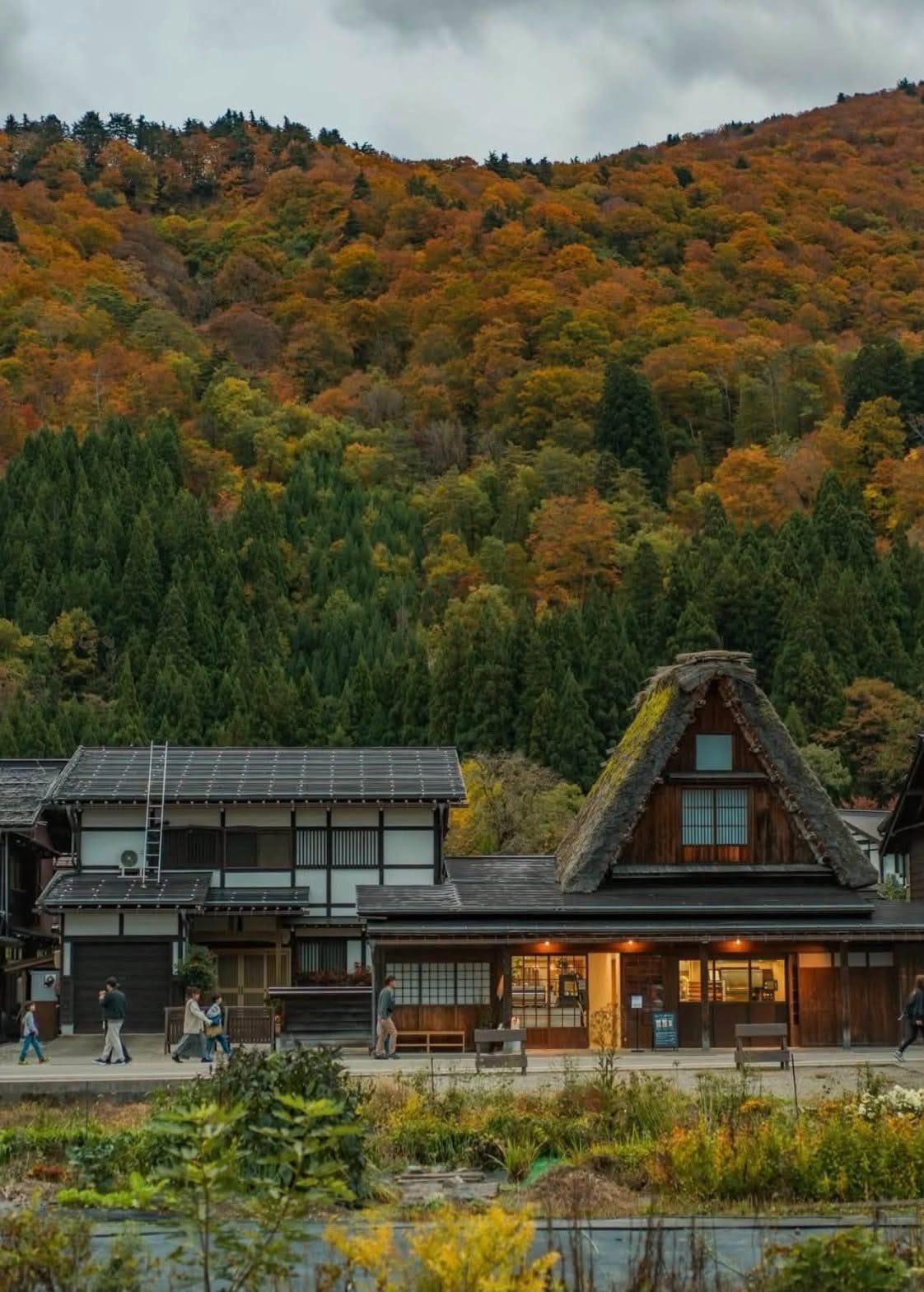
- Autumn(October〜early November): Nozawaonsen Village is also known for its autumn foliage. The mountains blanketed in red and yellow are breathtakingly beautiful. In particular, a ride on the Nagasaka Gondola offers an excellent opportunity to look down over a carpet of autumn colors.
Local Cuisine and Recommended Accommodations in Nozawa Onsen
When visiting Nozawa Onsen, be sure to enjoy more than just skiing and hot springs. The area also offers delicious local food and welcoming accommodations where you can relax.
Recommended Local Foods
Nozawa Onsen’s cuisine combines the bounty of its rich natural surroundings with the distinctive food culture of a hot spring destination.
- Nozawana pickles: When you think of Nozawa Onsen, Nozawana pickles are an essential part of the experience. Each household and shop uses its own preparation method, making them an excellent souvenir. They are delicious with rice as well as a snack with drinks.
- Onsen manju: Few things are better than enjoying freshly made onsen manju while strolling through the hot spring town. Warm, freshly steamed buns offer a gentle sweetness that is especially comforting after a tiring day.
- Oyaki: Oyaki, a traditional dish from Shinshu, is another excellent choice. Fillings include Nozawana, mushrooms, eggplant, and many other ingredients, making it fun to compare different varieties. They are known for their crisp exterior and pleasantly chewy interior.
- Shinshu soba: Shinshu soba, one of Nagano Prefecture’s signature foods, is served at many restaurants in Nozawa Onsen. Enjoy the refreshing texture of chilled zaru soba or warm up with kake soba, ideally accompanied by tempura made with local ingredients.
- Local sake: Several sake breweries operate around Nozawa Onsen, offering plenty of opportunities to sample local sake. Explore the wide selection, including junmai and ginjo varieties, and find a bottle that suits your taste. You can also enjoy it with local dishes at dinner in a traditional hot spring inn.
Recommended Accommodations
Nozawa Onsen offers a wide range of places to stay, from traditional hot spring inns and modern hotels to pensions and guesthouses.
- Ryokan Sakaya: Located in the heart of the atmospheric hot spring town, this long-established inn has its own private hot spring source. With several private baths, each featuring a different ambiance, guests can enjoy Nozawa Onsen’s waters to the fullest.
- Nozawa Grand Hotel: This hotel is conveniently located for access to the ski resort and sits on elevated ground overlooking the hot spring town. Its spacious communal baths offer views of Nozawa’s changing scenery throughout the seasons.
- Guest House Yamato: A guesthouse is a great option for travelers looking for affordable accommodation. Its homey atmosphere makes it easy to meet other travelers, and during ski season, the shared spaces are ideal for exchanging information.
- Minshuku and pensions: Many family-run minshuku and pensions are available, offering warm local hospitality and homemade meals. Numerous properties also provide transportation to the ski resort, so we recommend checking in advance.
Tips, Precautions, and Etiquette for a Smooth Trip
Keep the following points in mind for a comfortable stay in Nozawa Onsen.
Skiing and Snowboarding Precautions
- Prepare for changing weather: Nozawa Onsen is located at high elevation, and weather conditions can change quickly. Choose high-quality warm clothing and waterproof gear, and bring spare gloves and a hat for peace of mind.
- Check snow conditions: Snowfall is plentiful throughout the season, but snow quality and depth vary from day to day. If you plan to ski off-piste or in fresh snow, always check local snow conditions, avalanche information, and local rules.
- Do not ski outside designated courses: At Nozawa Onsen Ski Resort, skiing outside designated courses is generally prohibited. For your safety and to avoid inconveniencing other guests, please follow the rules at all times.
- Follow slope etiquette: Excessive speed and cutting in recklessly can cause accidents. Pay attention to your surroundings and ski safely with consideration for others.
Etiquette in the Hot Spring Town
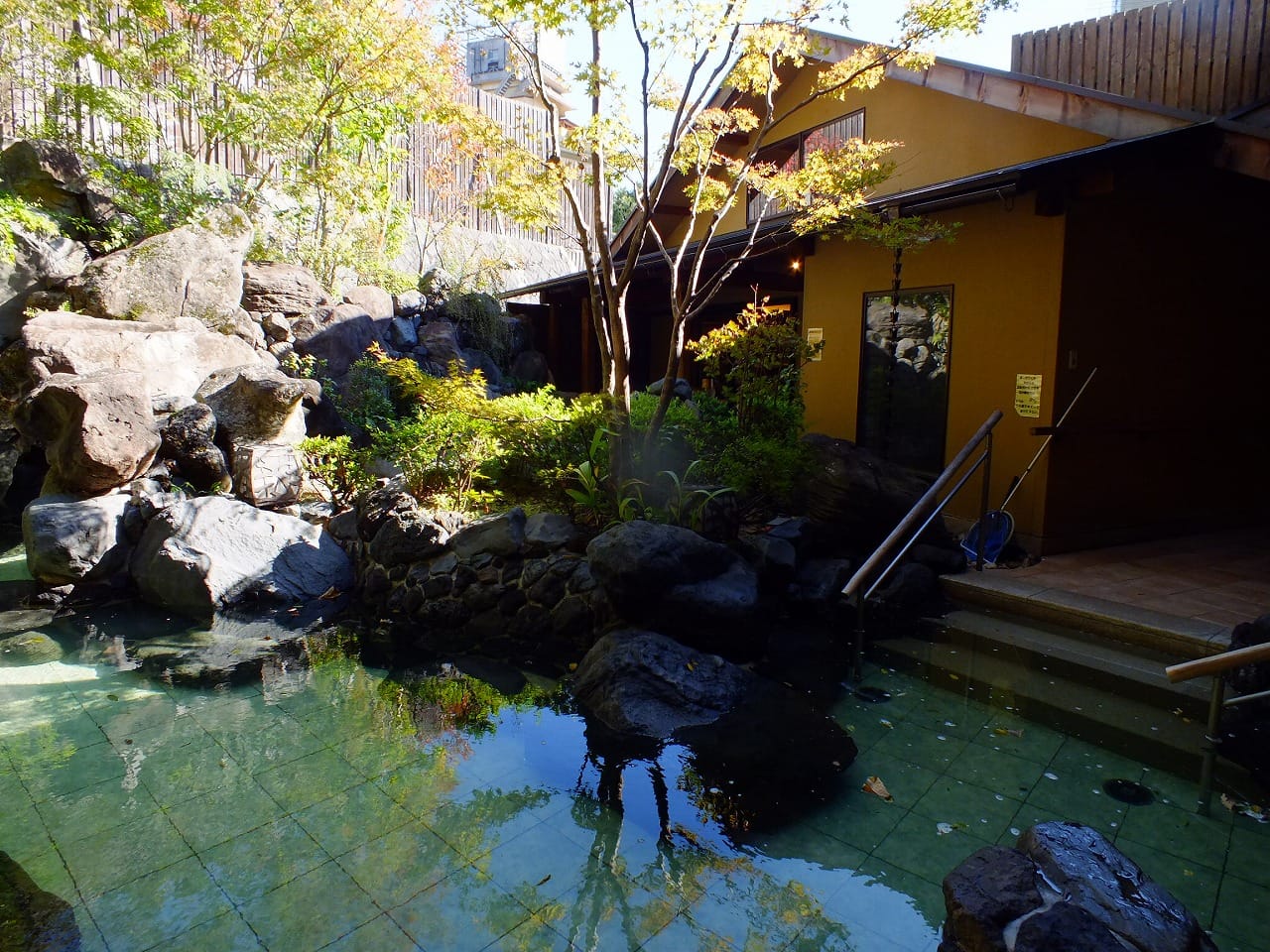
- Guidelines for visiting the public baths: Nozawa Onsen has 13 communal baths known as “soto-yu,” which are carefully maintained and used by local residents. Visitors are welcome to use them, but please remember that they are also part of the local community’s daily life and behave respectfully.
- Rinse yourself thoroughly before entering the bath.
- Wash your body before getting into the tub.
- Do not put your towel in the bathwater.
- Avoid soaking for excessively long periods.
- Keep the changing rooms and bathing areas clean.
- Yumeguri tegata: Use of the public baths is free, but it is customary to leave a small contribution(osaisen)to help with their upkeep. You can also purchase a “yumeguri tegata” pass at places such as the tourist information center, making your public-bath tour even more enjoyable.
- Walking on snowy roads: In winter, roads in the hot spring town may be covered in snow or ice. Wear shoes with good traction and watch your step as you explore.
Other Considerations
- Book your accommodation early: Accommodations fill up quickly during the winter high season and event periods such as the Dosojin Festival. We recommend booking well in advance.
- Carry cash: Some shops in the hot spring town may not accept credit cards. Having cash and small change on hand is convenient.
- Take your trash with you: To help protect the beautiful natural environment, take your trash with you or dispose of it in designated areas.
Sample Itinerary: A 3-Day Plan for Enjoying Nozawa Onsen
This 3-day sample itinerary, proposed by the OlaChill editorial team, offers a balanced way to experience both skiing and the charms of Nozawa Onsen’s hot spring town.
Day 1: Arrival, A Warm-Up on the Slopes, and Exploring the Hot Spring Town
- Morning(11:00): After arriving at JR Iiyama Station, take the Nozawa Onsen Liner to Nozawa Onsen Chuo Terminal. Check in at your accommodation and leave your luggage there.
- Afternoon(13:00): Make your way to Nagasaka Gondola Station and purchase a lift pass. Rent skis or a snowboard at a rental shop, then warm up on beginner-friendly slopes such as the Hikage and Paradise slopes. Using an afternoon half-day pass is another good option.
- Evening(16:30): Finish skiing and return to your accommodation.
- Night(18:00): Head into the hot spring town for dinner. Savor Shinshu flavors at an izakaya or diner serving dishes made with local ingredients. After dinner, visit public baths such as Oyu, the symbol of Nozawa Onsen, and soak up the traditional hot spring atmosphere.
Day 2: Enjoying Nozawa’s Powder Snow and Spectacular Views
- Morning(8:30): After breakfast, take the Nagasaka Gondola directly toward the summit. Enjoy exceptional powder snow on the Yamabiko slopes near the top. If the weather is clear, ski while taking in spectacular views of the Northern Alps from the summit of Mount Kenashi.
- Lunch(12:00): Have lunch at a restaurant on the slopes. Enjoy a warm meal and drinks in an open, relaxed setting.
- Afternoon(13:00): In the afternoon, try a variety of runs, including the intermediate Skyline Course and Challenge Course. Make the most of Nozawa Onsen’s varied terrain.
- Evening(16:30): After finishing your skiing, return to the hot spring town and unwind in a different public bath.
- Night(19:00): Venture a little farther to enjoy an indulgent dinner at an atmospheric traditional restaurant or a popular restaurant that requires reservations, paired with renowned local sake.
Day 3: Exploring the Hot Spring Town, Cultural Experiences, Souvenir Shopping, and Departure
- Morning(9:00): After checking out, leave your luggage at the accommodation. Spend the morning leisurely exploring the hot spring town instead of skiing.
- Ogama(おがま): Visit Ogama, where hot spring water rises from the source. You can observe local customs such as washing Nozawana and cooking eggs in the hot spring water.
- Nozawa Onsen History and Folklore Museum: Learn more about the area’s culture through exhibits on Nozawa Onsen’s history and the Dosojin Festival.
- Choosing souvenirs: Pick up souvenirs for family and friends, such as Nozawana pickles, onsen manju, and local sake.
- Lunch(12:30): Enjoy a light meal at a café in the hot spring town or Shinshu soba at a soba restaurant.
- Afternoon(14:00): Take a bus from Nozawa Onsen Chuo Terminal to Iiyama Station, then board the Shinkansen for your journey home.
Summary: Key Points to Remember
Keep these 5 points in mind to make the most of Nozawa Onsen Ski Resort and the hot spring town.
- Winter, with abundant snowfall, is the best season: If you are looking for exceptional powder snow, mid-January to early March is recommended.
- Follow proper etiquette when visiting the public baths: Remember that they are part of local residents’ daily lives, and follow basic etiquette such as rinsing yourself, washing your body, and avoiding long soaks.
- Book accommodation and transportation early: The area becomes especially busy during the high season, so making arrangements well in advance is important.
- Enjoy the local cuisine: Savor local specialties such as Nozawana pickles, onsen manju, oyaki, and Shinshu soba.
- Prepare thoroughly for the cold and snowy roads: Because of the high elevation and cold temperatures, warm clothing and shoes with good traction are essential.
Frequently Asked Questions(FAQ)
Q. Can I rent skis and snowboards locally? A. Yes. Several rental shops around Nozawa Onsen Ski Resort offer skis, snowboards, clothing, boots, and other equipment. Some shops carry the latest models and accept advance reservations. Your accommodation may also have a partner rental shop, so it is worth checking.
Q. Is Nozawa Onsen suitable for families with children? A. Yes. Nozawa Onsen Ski Resort has plenty of facilities for families with children, including a kids’ park and family slopes, as well as ski and snowboard schools. The hot spring town also has foot baths and public baths where families can relax together.
Q. Can I use the public baths at night? A. Many public baths are open from early morning until late at night, but opening hours and regular closing days vary. In general, many baths can be used from around 5:00 in the morning until around 22:00, but we recommend checking the opening hours of each bath before visiting.
Q. Is there anything to do on days when I do not ski? A. Absolutely. You can stroll through the historic hot spring town, visit all 13 public baths, see hot spring sources such as Ogama, and enjoy local food and souvenir shopping. Seasonal winter activities and events may also be held.
Q. Is information available in English? A. Nozawa Onsen has become increasingly popular with international visitors in recent years, so ski resorts, major accommodations, and tourist information centers generally offer extensive information in English. Some restaurants and small shops may operate only in Japanese, but basic communication should not be a problem. Official websites are also often available in multiple languages.