

Shirakawa-go in Autumn on the Dining Table: Hoba Miso, New Soba, and Doburoku
Hida beef sizzling on hoba leaves, early-season new soba, salt-grilled iwana, and a glass of cloudy doburoku — plus specific places to eat in Ogimachi, typical prices, and tips to avoid missing out on meals.
Aug 12, 2026·✍️ olablog·⏱ 16 min read
Hida beef sizzling on hoba leaves, early-season new soba, salt-grilled iwana, and a glass of cloudy doburoku — plus specific places to eat in Ogimachi, typical prices, and tips to avoid missing out on meals.
Tap a region to browse articles
There’s something slightly amusing about Shirakawa-go: most people who come on tours are here to take photos, not to eat. Tour buses unload at the Seseragi parking area at ten in the morning, visitors climb to the Shiroyama observatory, snap a few dozen shots of the gassho-zukuri thatched roofs, walk around the village, buy a packet of rice crackers, and board the bus again at nearly one in the afternoon. Four hours in one of the Hokuriku region’s best valleys for autumn food—Hida—and their stomachs are still practically empty.
I’ve been to Shirakawa-go four times, and the most memorable visit wasn’t the one when snow covered the rooftops (beautiful, admittedly, but bitterly cold and unbelievably crowded). It was a bright day in late October, sitting inside an old house with a sunken, smoke-filled irori hearth, watching Hida beef sizzle on a sheet of dried hoba leaf set over glowing coals. The miso mingled with the beef fat, filling the room with a sweet, smoky, slightly charred aroma. Outside, the mountains were beginning to turn golden and orange. The meal came to about 3,000 yen, and I remember it longer than all the photos I took.
That is exactly what this article is about: what to eat in Shirakawa-go in autumn (and in Gokayama across the pass, in Toyama Prefecture), which restaurants to try in Ogimachi village, how much things cost, and the very real traps that leave many Vietnamese visitors eating instant noodles at a konbini on the way home. The prices and hours here are only rough guides, since the village restaurants are small and change with the seasons—check the official website or the village tourism site again before you go.
Why autumn is the real “eating season” in this valley
Shirakawa-go lies in the Shogawa River basin, surrounded by high mountains. In winter, the snow can pile up so deeply that villagers were once almost completely isolated. That geography shaped a very “preserved” cuisine: salty miso that keeps well, salted mountain vegetables, dried stream fish, and rice fermented into doburoku. By autumn—from mid-September through the end of November—everything comes together: newly harvested rice, freshly milled buckwheat, ripe chestnuts and persimmons, fatty iwana before the water turns cold, and brewing season getting underway for the festivals.
As for autumn foliage, the Shirakawa-go area is generally at its best from late October to mid-November, with the higher mountain slopes changing color roughly a week or two before the valley floor. Gokayama (Ainokura and Suganuma) is not significantly different. The exact timing shifts from year to year with the weather, though, so if you want both scenery and food, aim for the second week of November and accept that the peak may come a few days early or late.
One extremely important point that no brochure says plainly: Ogimachi is a village, not a dining district. Most restaurants only serve lunch; many stop accepting customers around early afternoon and close around 4–5 p.m. Once it gets dark, there are almost no places left to eat apart from a few minshuku inns serving their staying guests. Eating in Shirakawa-go is a lunchtime affair.
Hida beef grilled on hoba leaves with miso—the dish you shouldn’t skip
What exactly is hoba miso?
Hoba (朴葉) is the leaf of the Japanese bigleaf magnolia—a broad leaf about the size of an open hand, thick, and tough and fragrant when dried. In the Hida region, dried hoba leaves are used as a “pan”: the leaf is placed over a charcoal brazier or a small tabletop burner, spread with miso mixed with green onions and mushrooms, sometimes with a little sugar and sweet mirin, and topped with meat or vegetables. As the leaf heats up, it releases a distinctive sweet, pungent aroma; the miso browns around the edges, and the meat cooks in the salty-sweet sauce.
The proper way to eat it is to spoon a little of the browned miso and meat over a bowl of white rice. Hoba miso is saltier than you might expect—it is designed to “go with rice,” so don’t eat it on its own like Korean barbecue. With Hida beef—a Gifu-bred Japanese Black known for its generous marbling and tenderness—the salty miso is exactly what balances the richness.
Where to eat it in Ogimachi
Irori (いろり) is in the center of the village, near the cluster of old houses around Wada-ke. It is the most frequently recommended place for a hoba miso set, with a traditional house interior and a real irori hearth. A hoba miso set usually comes with rice, miso soup, and pickled vegetables; the Hida beef version costs around 2,500–4,000 yen depending on the cut. The regular hoba miso version, with pork or vegetables and mushrooms, is cheaper at around 1,500–2,000 yen. The restaurant is small, so queues at lunchtime on autumn weekends are normal.
Kitanosho (基太の庄) is closer to the Deai suspension bridge and is also housed in a traditional-style building. Its menu centers on hoba miso, Hida beef, and grilled iwana. I found it a little easier to get into than Irori because it has more seating. Prices are similar: sets cost around 2,000–3,500 yen, with extra iwana available for about 700–900 yen per fish.
Nakaya (中や) is better known for quick bites: Hida beef sushi (seared beef placed on rice balls and served on senbei crackers) costs around 700–900 yen for two pieces, while beef croquettes are about 300 yen, along with gohei mochi. It’s a good choice if you don’t want to sit down for a full set meal and simply want a taste.
A practical tip: if you’re traveling as a pair, order one Hida beef hoba miso set and one other set—soba or iwana, for example—and share them. Hoba miso is salty and filling; if you eat a whole portion by yourself, you won’t have room for chestnuts or doburoku by 3 p.m.
Early-season new soba—the taste of autumn
Buckwheat grown in the Hida mountains is planted in summer and harvested from late September through October. Flour milled from the new crop is called shin-soba (新そば), and it typically starts appearing on restaurant signs around October. The difference from regular soba is not so much the texture as the aroma: shin-soba has a sweet, grassy, slightly green fragrance that is most noticeable when eaten cold, zaru-style, with a little tsuyu dipping sauce. Don’t submerge the entire strand in the dipping cup.
Ogimachi has several small soba restaurants scattered throughout the village. Nomura (乃むら) is a name often mentioned by Japanese visitors when they talk about handmade soba in Shirakawa-go. A standard serving of zaru soba costs around 1,000–1,400 yen, while a set with mountain-vegetable tempura or rice is around 1,500–2,000 yen. Because everything is made by hand, the restaurant may run out of noodles and close early—this is the kind of place you should visit before 12 p.m.
If the soba restaurant is closed or too crowded, many of the village’s set-meal restaurants also offer soba. The quality won’t match that of a specialist shop, but during shin-soba season, even a “regular” bowl of soba here is more fragrant than you might expect.
Salt-grilled iwana stream fish
Iwana (岩魚, char) is a cold-water fish that lives in headwater streams. The classic preparation is shioyaki: a bamboo skewer is threaded through the mouth and down the body, coarse salt is rubbed onto the fins and tail to keep them from burning, and the fish is stood around a charcoal fire and slowly grilled for an hour. The skin is crisp and salty, the flesh white and sweet, and the bones become soft enough to chew if the fish is grilled properly. Autumn is when the fish builds up fat before winter, making it the richest time of year.
In the village, outdoor grilling stalls near the old houses sell skewered iwana for around 700–900 yen per fish. You can eat them standing right there, with paper wrapping provided. For a proper sit-down meal, Masuen Bunsuke (ます園文助) is a particularly good choice. Slightly off the main route, the restaurant has its own fishpond fed by stream water and serves both iwana and masu (rainbow trout). Fish sets cost around 2,000–3,000 yen depending on whether you choose salt-grilled fish, sashimi, or hot pot. It is also one of the few places in the village that feels like eating a Japanese country home meal rather than dining in a tourist restaurant.
One small note: a whole grilled fish loses half its appeal once it cools. Eat it immediately after buying it—don’t carry it to the observatory and wait until then.
Doburoku—cloudy rice wine and the village festivals
What kind of alcohol is doburoku?
Doburoku is unfiltered fermented rice wine. It is cloudy like thick rice-washing water, with the lees still in it, a mildly sour taste, a sweet finish, and tiny natural bubbles. Its alcohol content is usually around that of sake, but it goes down much more smoothly, making it dangerously easy to overdrink. In Japan, brewing doburoku is strictly controlled under the liquor tax laws, but certain shrines in Shirakawa-go and Gokayama retain the right to brew it as an offering to the gods. That is why this drink is closely tied to religious ceremonies rather than izakaya culture.
The Doburoku Festival
Doburoku Matsuri in Shirakawa-go takes place around mid-October each year, rotating among the shrines in the valley over several consecutive days. Gokayama also holds its own doburoku festivals in autumn. The celebrations feature shishimai lion dances, folk dancing, and doburoku poured for visitors. The exact dates and times vary by shrine and year, so if you want to plan your trip around one, check the village’s official calendar before booking transportation and accommodation—rooms in the area sell out very early during this period.
Where to drink it if you miss the festival
Right in Ogimachi, Doburoku Matsuri no Yakata (どぶろく祭りの館) is a museum about the festival located on the grounds of Shirakawa Hachiman Shrine. Admission costs a few hundred yen, and traditionally includes a small doburoku tasting for adult visitors—but the tasting policy can change, so confirm at the counter. Specialty shops in the village also sell small bottles of doburoku and related products such as candy, cakes, and doburoku-flavored ice cream. A small bottle usually starts at around 1,000 yen.
Most importantly: if you are driving, do not taste even a sip. Japan deals extremely harshly with drunk driving, and the roads back from Shirakawa-go are full of mountain passes and tunnels. Decide in advance who will be the designated driver.
Chestnuts, persimmons, and late-season sweets
Gifu has a strong chestnut tradition. The Ena and Nakatsugawa areas in the southern part of the prefecture are famous for kuri kinton, a sweet made from mashed chestnuts mixed with sugar and shaped in a cloth, available only in autumn. You won’t find century-old wagashi shops like those farther south in Shirakawa-go, but in October and November the village souvenir shops usually carry chestnut-filled manju, chestnut mochi, chestnut ice cream, and sometimes bags of roasted chestnuts. Individual sweets generally cost around 150–400 yen each.
The region’s “national snack” is gohei mochi: pounded sticky rice molded onto a flat skewer, brushed with miso sauce mixed with walnuts or sesame, and grilled over charcoal. Sweet and salty with a wonderfully charred aroma, it costs around 300–400 yen per skewer at stalls along the main road. You’ll also find mitarashi dango, and some stalls sell steamed chestnuts or roasted sweet potatoes on colder days—perfect for warming your hands when the mountain wind starts to bite.
If you prefer coffee, Ochudo (落人) is a name often passed around by word of mouth. This tiny café in an old house serves hand-brewed coffee in a warm, dim interior, making it a good place to shelter when the village is crowded. There are very few seats, so don’t show up with a group of six.
Across the pass: what to eat in Gokayama
Gokayama is in Toyama Prefecture, about a half-hour drive from Shirakawa-go, and consists of two small villages, Ainokura and Suganuma. It gets far fewer visitors, so if Ogimachi feels too crowded, this is the perfect antidote.
The most worthwhile specialty to try is Gokayama tofu—a variety so firm that local legend says you can tie a rope around it and carry it without breaking it. It is served grilled with miso or in a country-style set meal with mountain vegetables. There is also sasazushi (fish and rice wrapped in bamboo leaves), tempura made with mountain vegetables, and, of course, iwana. Several minshuku inns in Ainokura serve lunch to non-staying visitors, but they usually require advance reservations. If you plan to eat in Gokayama, ask your hotel or the information desk to call and arrange it the day before.
A country-style set meal in Gokayama usually costs around 1,500–3,000 yen. In return, you get a table overlooking terraced fields and golden mountains, without having to squeeze through crowds.
A well-organized day of eating in Ogimachi
- Around 9–10 a.m.: Arrive early. Have a light snack—a skewer of gohei mochi or a Hida beef croquette—while walking through the village.
- 11 to 11:30 a.m.: Go to your main restaurant for Hida beef hoba miso or soba. This is the ideal time to eat; after 12 p.m., queues can stretch out the door.
- Early afternoon: Visit the Shiroyama observatory, stop by Wada-ke or Kanda-ke, and pick up grilled iwana from a charcoal stall on the way back.
- Around 2–3 p.m.: Have doburoku or a chestnut sweet, and coffee if you can find a seat.
- Before 4 p.m.: Buy things to take home. Shops start closing earlier than you might expect.
If you stay overnight at a minshuku, the dinner prepared by the hosts around the irori hearth is the most “authentic” meal of all: mountain vegetables, stream fish, miso soup, and sometimes hot pot. These accommodations only accept a few rooms’ worth of guests, so autumn and snow-season stays must be booked months in advance.
A few very practical things to know before you go
Cash. Many small restaurants and stalls in the village still prefer cash. Don’t assume that every place accepts cards or e-wallets. There are few ATMs in the village, so carrying around 10,000–15,000 yen per person is a safe bet.
Hours. Assume that everything closes by late afternoon. There is no late-night dining culture here.
Reservations. Most village restaurants do not take reservations from individual diners and simply operate on a queue. Minshuku inns and some special set meals, on the other hand, require advance booking. It sounds contradictory, but that’s how it works.
Getting there. Highway buses from Takayama, Kanazawa, Toyama, and Nagoya all stop at Shirakawa-go Bus Terminal. During peak season, book in advance because buses often sell out. If you drive, park at the Seseragi lot across the suspension bridge. Daily parking costs around one thousand yen; prices and access procedures may change by season, so check the official website beforehand.
Trash. The village has almost no public trash cans, and some areas restrict eating while walking. If you buy a snack, stand and eat it at the stall, then leave your trash there—this is basic courtesy. Local residents genuinely live in the houses you are photographing.
Allergies and vegetarian diets. Hoba miso almost always contains fish dashi, as does soba dipping sauce. If you are vegetarian or have dietary restrictions, explain clearly before ordering and be prepared for very limited choices.
Frequently asked questions
Which week is best for visiting Shirakawa-go in autumn?
If food is your priority, go from mid-October onward, when shin-soba appears on menus and chestnuts come into season. If you are mainly interested in autumn foliage, aim for late October to mid-November around the village. The timing shifts every year, so check the foliage reports a few weeks before your trip.
Can I make time for a proper meal on a day trip from Takayama or Kanazawa?
Yes, if you take the earliest bus and eat lunch before 12 p.m. A bus that leaves later in the morning will get you there just as the restaurants are busiest, and you may spend an hour waiting in line out of your four-hour visit.
Is Hida beef in Shirakawa-go as good as in Takayama?
Takayama has more choices and generally more competitive prices—Sanmachi’s old town is packed with beef sushi stalls, grilled skewers, and specialty restaurants. But only Shirakawa-go and the surrounding area can offer the experience of eating hoba miso in a gassho-zukuri house with an irori hearth. If you’re visiting both places, I would have the hoba miso set in the village and save the “serious” beef meal for Takayama.
Can I bring doburoku home to Vietnam?
Bottled doburoku can be carried like ordinary alcohol, but it is unfiltered, has a short shelf life, needs to be kept cold, and many varieties continue fermenting in the bottle. For a long flight, consider buying doburoku-flavored sweets instead of a bottle, and remember to check the rules for liquids containing alcohol in checked baggage.
What can children eat?
Gohei mochi, mitarashi dango, beef croquettes, cold soba, and white rice with a little miso. Hoba miso can be quite salty for young children, but you can ask for extra rice and mix it in to dilute the flavor.
Is it a shame to skip iwana if I can’t eat a whole fish?
A little, but you won’t regret it. If you are uncomfortable with the head and bones, choose a restaurant that serves prepared fish sets, such as Masuen Bunsuke, instead of buying a whole grilled fish on a skewer from a stall.
Is staying overnight worth it?
Very much so, if you can book a minshuku. After around 5 p.m., when the last buses leave the village, Ogimachi becomes a real village again—quiet, dark, with cooking smoke in the air and the sound of the stream. Dinner around an irori hearth in that setting is something no day tour can buy.
More from this region — Chubu (Nagano, Kanazawa)
View all →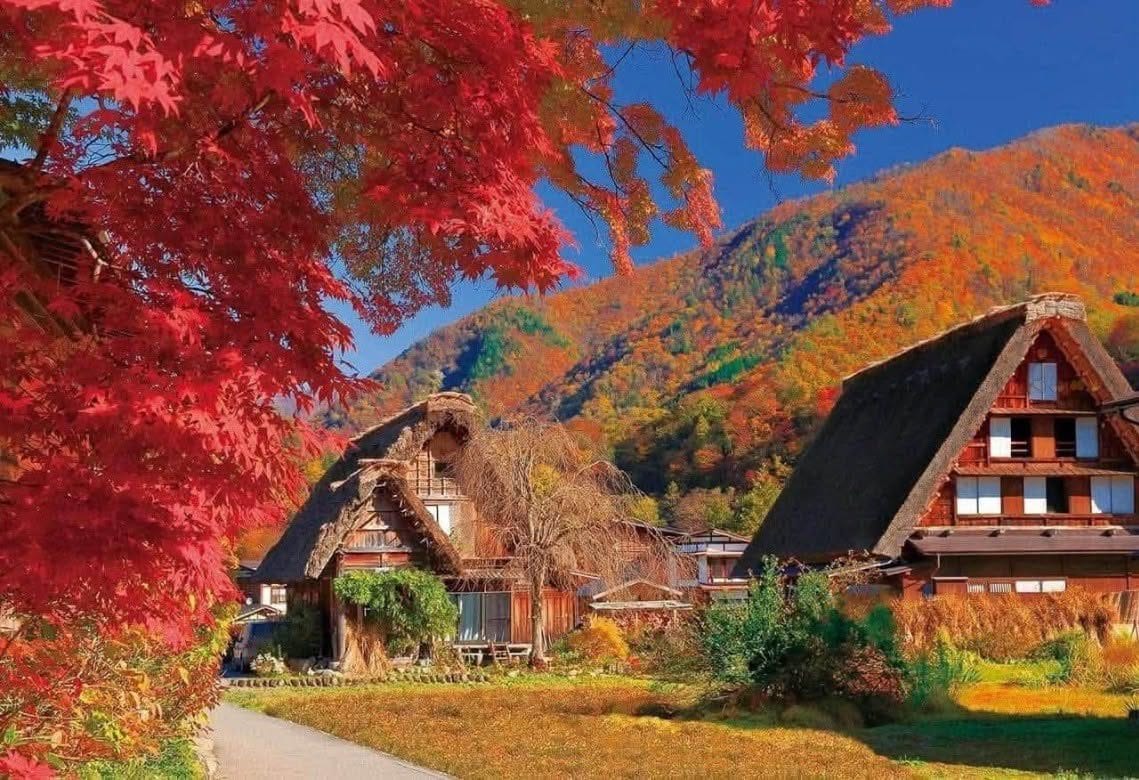
The Road to Shirakawa-go During Fall Foliage: Buses, Tickets, and Self-Driving Tips
17 min · tips
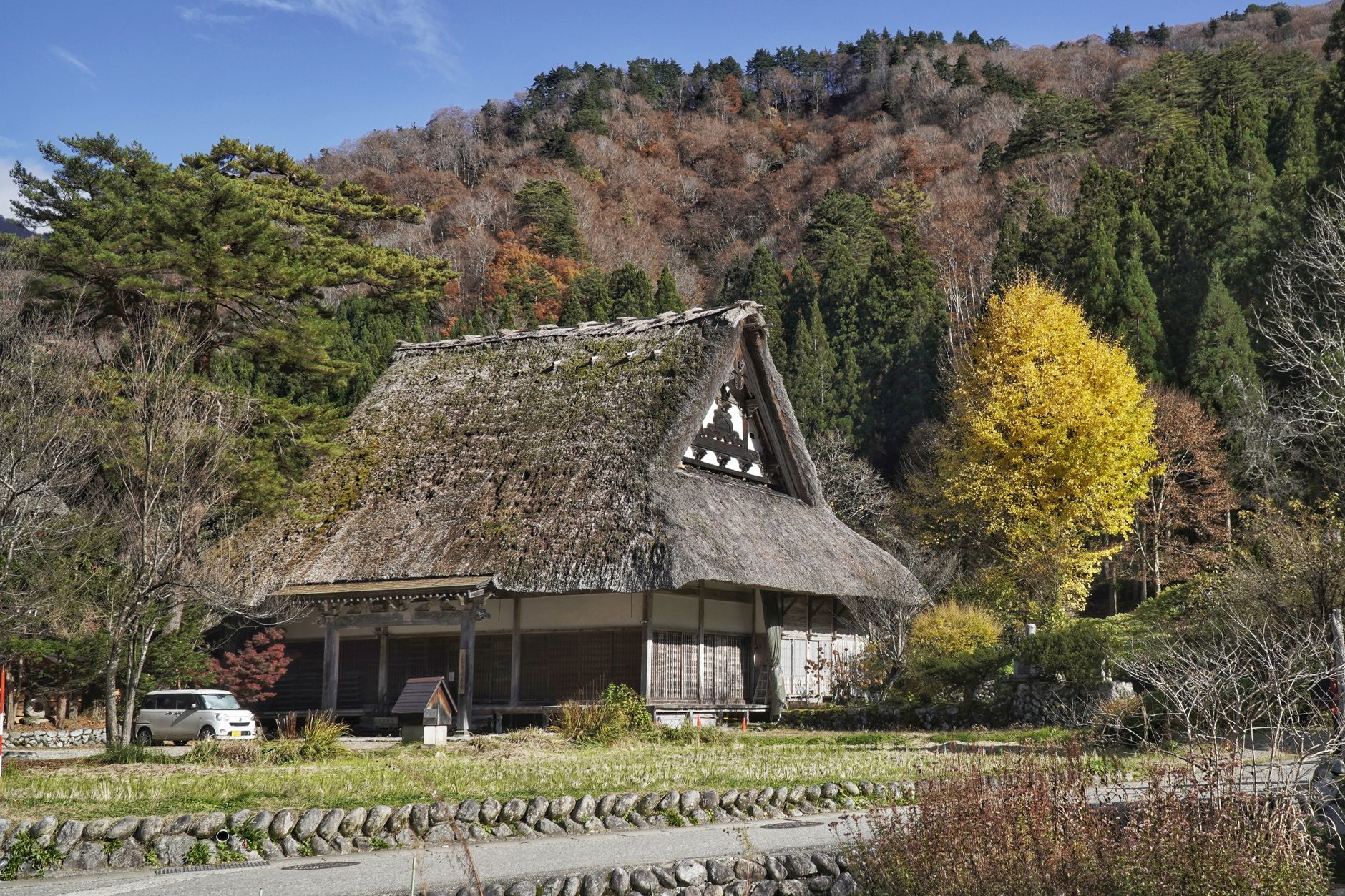
Hunting for Fall Colors in Shirakawa-go: A Map of Photo Angles and the Best Light
17 min · tips
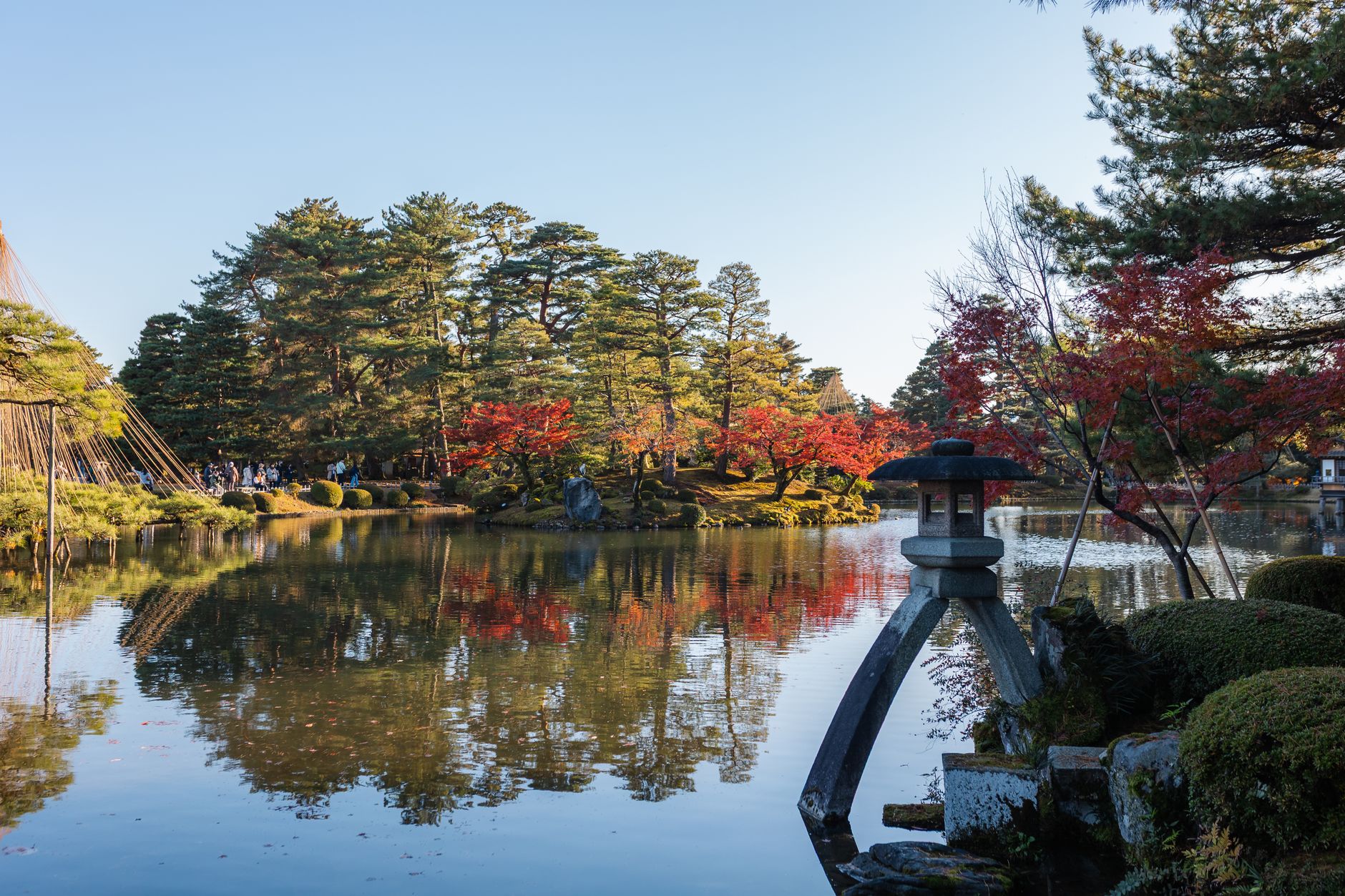
Connecting Shirakawa-go, Gokayama, and Kanazawa: A Three-Stop Autumn Route
18 min · tips
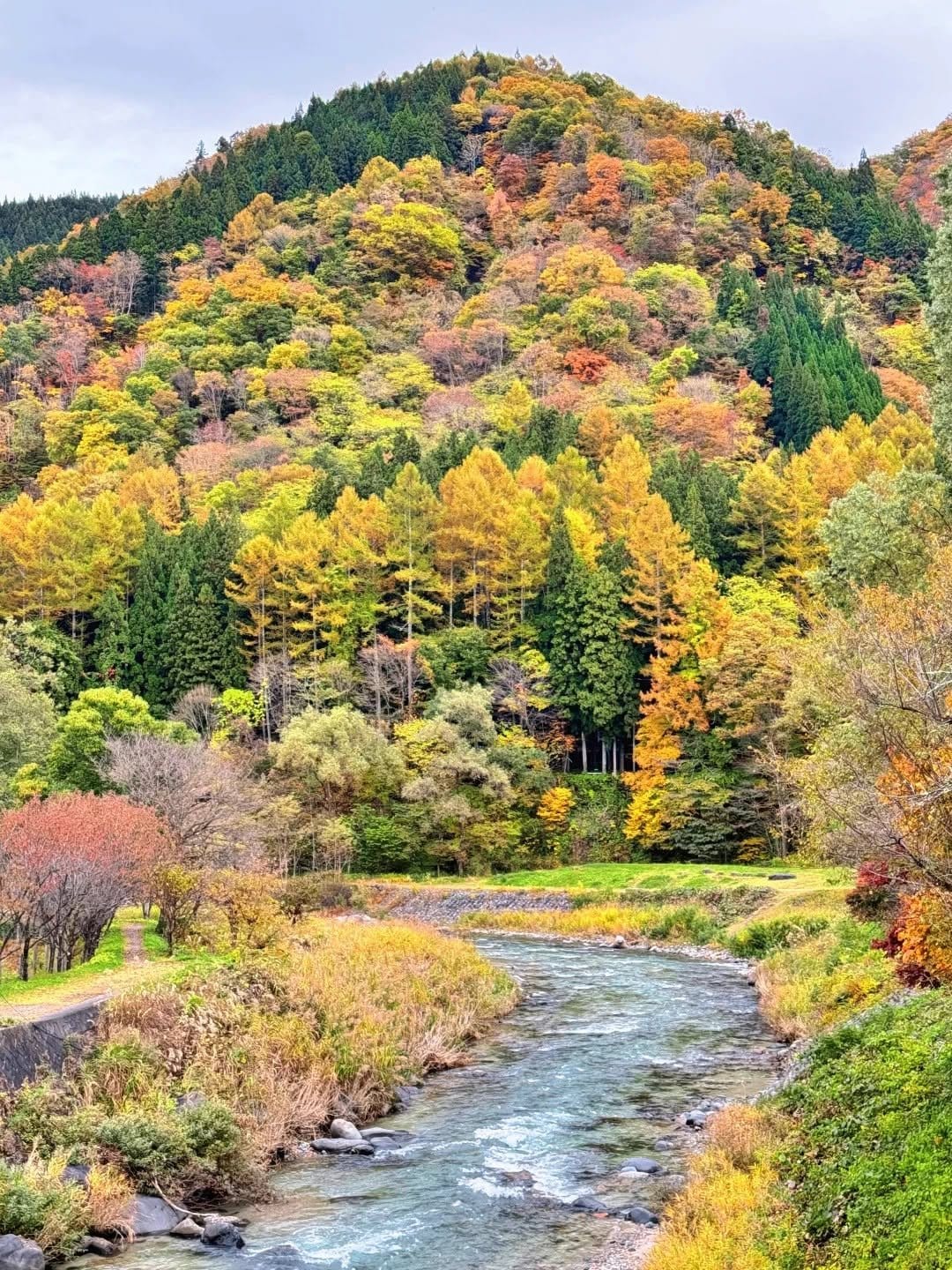
Six Days of Doburoku Festivals in Shirakawa-go in Mid-October
18 min · tips