
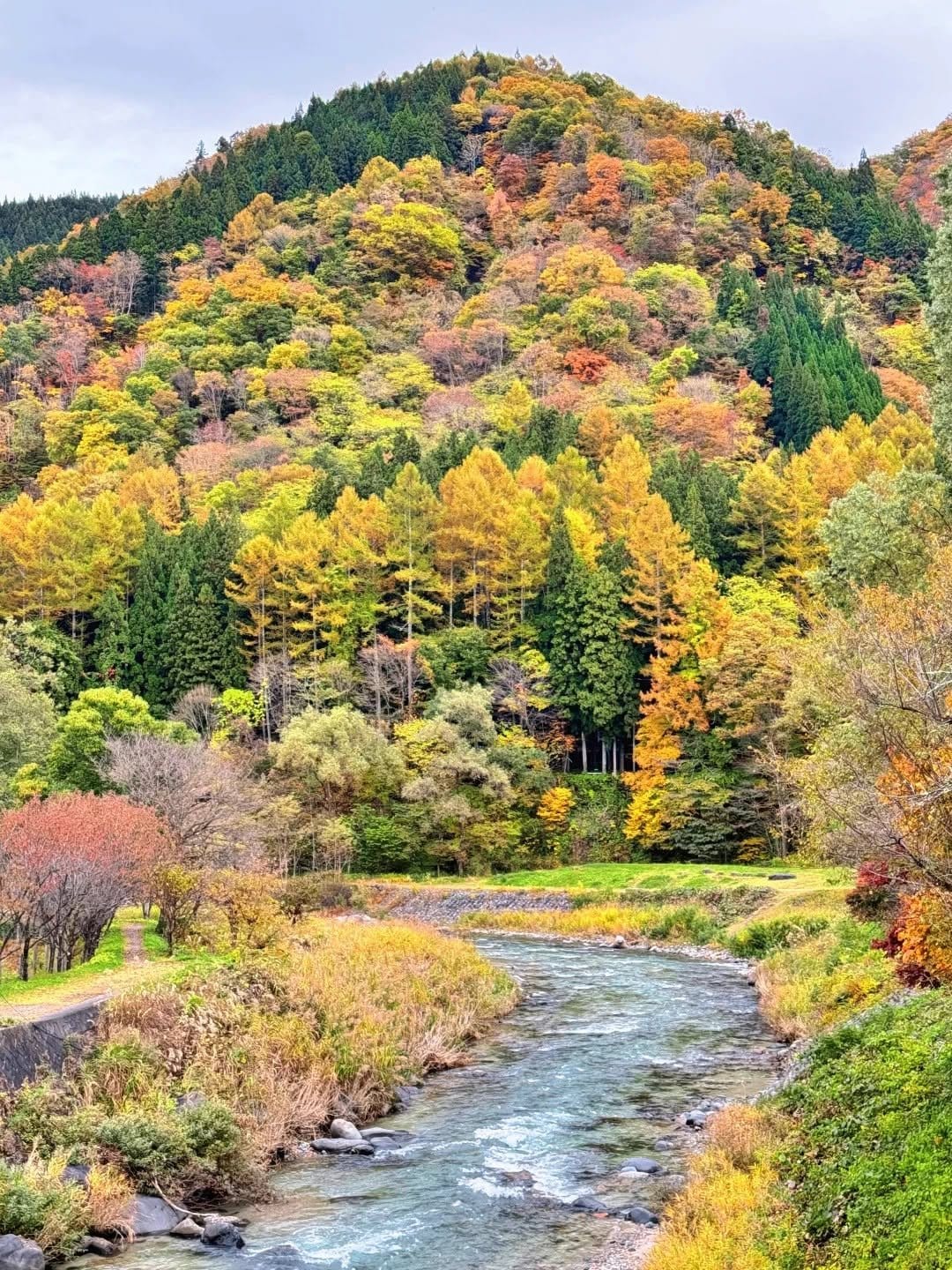
Six Days of Doburoku Festivals in Shirakawa-go in Mid-October
From 14 to 19/10, three shrines in the village take turns holding their festivals: portable shrines, lion dances, and free temple-brewed sake for visitors—and why you need to book your room half a year in advance.
Aug 12, 2026·✍️ olablog·⏱ 18 min read
From 14 to 19/10, three shrines in the village take turns holding their festivals: portable shrines, lion dances, and free temple-brewed sake for visitors—and why you need to book your room half a year in advance.
Tap a region to browse articles
There is something slightly funny about Shirakawa-go: almost everyone knows the village from its winter photos—steep thatched roofs buried under thick snow, warm yellow light spilling from the windows, and the whole valley looking like a storybook music box. But if you ask the locals which season matters most, most of them will not say winter. They will say mid-October.
Mid-October is when the rice harvest is finished, the air begins to turn crisp, and the cloudy, milky rice wine in the small breweries beside the main halls of the village shrines has finished fermenting. For six days in a row, one shrine after another holds its festival: portable shrines pass through harvested fields, gagaku music and drums mingle with the sound of streams, a cloth lion dances in front of each house, and the entire village sits down in the shrine grounds to share a drink that almost nowhere else in Japan is still legally allowed to brew at home. This is the Doburoku Matsuri—the festival locals jokingly call “the festival of the whole nation.”
I first visited Shirakawa-go in February, squeezing through a sea of people for the light-up, and honestly, I was a little disappointed: it was beautiful, but it felt like standing on a film set. My second visit, in mid-October, was completely different. That afternoon in the grounds of Shirakawa Hachiman Shrine, an older local man saw me standing awkwardly, waved me over, pressed a small porcelain cup into my hand, filled it with cloudy white wine as thick as rice water, and asked slowly in Japanese: “Vietnamese? Have a drink—it’s free.” This article is for anyone hoping for an afternoon like that—including the most difficult part: finding somewhere to stay.
What is doburoku, and why are only these shrines allowed to brew it?
Doburoku (どぶろく) is unfiltered rice wine: once the rice, koji, and water have fermented, the entire mixture—including the lees—is drunk. The result is cloudy like rice milk, thick, lightly tart, sweet on the finish, and strongly yeasty. If you are used to the clear sake sold at konbini, doburoku is an entirely different experience—more rustic, more “country,” and easier to underestimate because it goes down smoothly even though its alcohol content is by no means low.
The festival’s significance lies in its legal status. Japan’s liquor tax laws prohibit individuals from brewing alcohol themselves, but the shrines in Shirakawa have retained an exception allowing them to brew doburoku as sacred sake (miki) to offer to the mountain gods. The wine ferments in a small brewery within the shrine grounds, watched over in rotation by people from the neighborhood, and each shrine has its own batch. As a result, the doburoku at one shrine tastes different from that at another—a subject locals compare with each other the way people back home compare fish sauce.
The meaning of the festival is simple and very old-fashioned: giving thanks for the completed harvest, praying for abundant crops, and asking for peace and safety for every household and the entire mountain community. In a valley surrounded by mountains on all sides, where winter snow can bury the roads, the prayer for “peace in the village” does not sound clichéd at all.
What a festival day at Shirakawa Hachiman Shrine looks like
Shirakawa Hachiman Shrine sits in Ogimachi village—the area famous for its gassho-zukuri houses—sheltered beneath an old cedar forest on the southern edge. It is the easiest shrine for visitors to reach, and also the busiest during the six festival days.
Morning: rituals in the main hall
The first day usually begins with a quiet ceremony inside the main hall: the chief priest recites prayers, offerings are presented, and doburoku is placed on the altar. This part is quite solemn. Visitors can watch from outside, but do not push in or point your camera close to the faces of those taking part. Stand back and remain quiet—you will be treated very kindly.
The sacred procession: the portable shrine through the village
After the shrine ceremony comes the most beautiful part for spectators: a procession known as goshinko. The portable shrine is carried out through the gate and proceeds in a long line along the neighborhood roads. At the front is a gagaku ensemble with flutes and drums, followed by the lion-dance troupe. The procession stops in front of each house, or each group of houses, to perform rituals for protection from evil and to pray for peace.
What stays with me is the setting: people in white ceremonial robes processing between harvested rice fields, with the steep thatched roofs behind them and mountain slopes just beginning to turn golden in the distance. There is no stage, no barrier separating the audience, and no MC. You can stand one meter from the procession and no one will tell you to move.
The lion dance: a “performance” that is not a performance
The shishimai here is not the spectacular kind involving lions climbing poles. It features a cloth lion operated by two people, with a wooden head painted black and red and wooden jaws that click together with a distinctive sound. The lion dances in front of houses and sometimes gently snaps at children’s heads—a gesture believed to drive away illness and bring good luck. If you are standing close enough for the lion to “bite” you too, simply bow and accept it. It is a blessing, not a prank.
Evening: wine being poured in the shrine grounds
Once the procession returns to the shrine, the most welcoming part begins: doburoku is ladled from a large jar and offered to people attending the ceremony. It is usually poured into small cups prepared by the shrine, served free of charge, and handed out by local residents rather than tourism staff. There is no sales counter, no ticket, and no “experience package.” At the same time, villagers begin singing folk songs and dancing in a circle in the courtyard in front of the shrine. As the evening progresses, more locals and fewer tourists remain, and the atmosphere feels increasingly like a neighborhood party rather than an event.
In principle, doburoku is sacred wine used for the ceremony, so it should be drunk on the spot rather than taken home or bottled for sale. If you would like to try it outside the festival period, the Doburoku Matsuri no Yakata, a small museum beside Shirakawa Hachiman Shrine, displays festival artifacts, portable shrines, and lion heads, and often offers a small tasting. Admission fees and opening hours vary by season, so check the official Shirakawa village website before you go.
Festival schedule: which shrine, on which day?
This is the part most often misunderstood. The “Doburoku Festival in Shirakawa-go” is not a single event held in one place. It is a series of festivals at around five shrines in Shirakawa village, with each shrine holding its own two-day festival in succession. The dates are fixed according to the calendar rather than the day of the week—which means that if they fall in the middle of the week, they stay in the middle of the week instead of being moved to the weekend for visitors’ convenience.
The usual schedule is:
- Around late September — the Hirase area in the southern part of the village (near Hirase Onsen) usually opens the festival season. This is the most local-feeling festival, with almost no international tourists.
- 14 and 15 October — Shirakawa Hachiman Shrine, in Ogimachi village. This is the main festival, the busiest, and the one most tourists aim for.
- 16 and 17 October — Hatogaya Hachiman Shrine, in the northern neighborhood of Hatogaya, a short distance from Ogimachi.
- 18 and 19 October — Iijima Hachiman Shrine, in the Iijima neighborhood, bringing the festival series to a close.
A few practical notes from experience:
The first day at each shrine usually focuses more on ceremonies and the portable-shrine procession; the second day is more about festivities, singing, dancing, and drinking. If you want to see the lion dance and procession, aim for the first day. If you prefer a more relaxed atmosphere, with time to sit and chat with villagers, the second day is more comfortable.
If you dislike crowds, skip 14–15 in Ogimachi and go to Hatogaya or Iijima instead. The rituals and wine are the same, but there are far fewer people, and it feels much more like being invited into someone else’s ceremony than standing at an event to watch it.
The precise timing of each part of the ceremony—the portable shrine departure, the start of wine service—can shift from year to year and depending on the weather. Shirakawa village and the local tourist information center usually publish detailed schedules about one month in advance, so check the official website close to your travel date rather than relying on schedules copied onto blogs (including this one).
How to drink doburoku properly—and what you absolutely must not do
Do not drive. This is the most important point in the entire article. Most visitors come to Shirakawa-go in rental cars, and Japan applies an almost zero-tolerance alcohol limit to driving. Penalties are extremely severe, potentially including criminal charges and affecting your residency status if you live in Japan. Doburoku goes down very smoothly, but it is not weak. If you are driving that day, firmly decline the cup—the locals will completely understand. Just say “unten shimasu” (I’m driving) and that is enough. If you want to drink, come by bus or stay overnight in the village.
Drink slowly and in moderation. The wine is free, but this is a festival, not a bar. Have one or two cups, say thank you, and make room for the next person. Overindulging in the shrine grounds is the fastest way to become memorable for all the wrong reasons.
Do not set up a drinking party. Do not bring outside alcohol into the shrine grounds or put out camping chairs and claim a spot.
Take photographs respectfully. The procession and worshippers are not photo props. Do not use flash inside the main hall, block the procession to get a better angle, or point your lens at children’s faces.
Remove your shoes and keep your voice down. If you are invited into a local home or an inner room of the shrine, take off your shoes and speak quietly. The people of Shirakawa are hospitable in a very understated way.
Why does the festival coincide with the beginning of the autumn colors?
Shirakawa-go lies at an elevation of around 500 m in the Hida mountain region, so the autumn colors arrive considerably earlier than in the lowlands. The usual progression is that the higher mountain slopes and passes begin changing color around mid-October, the higher elevations reach their peak from around late October to early November, and the trees around the main gassho village turn later, usually from early to mid-November.
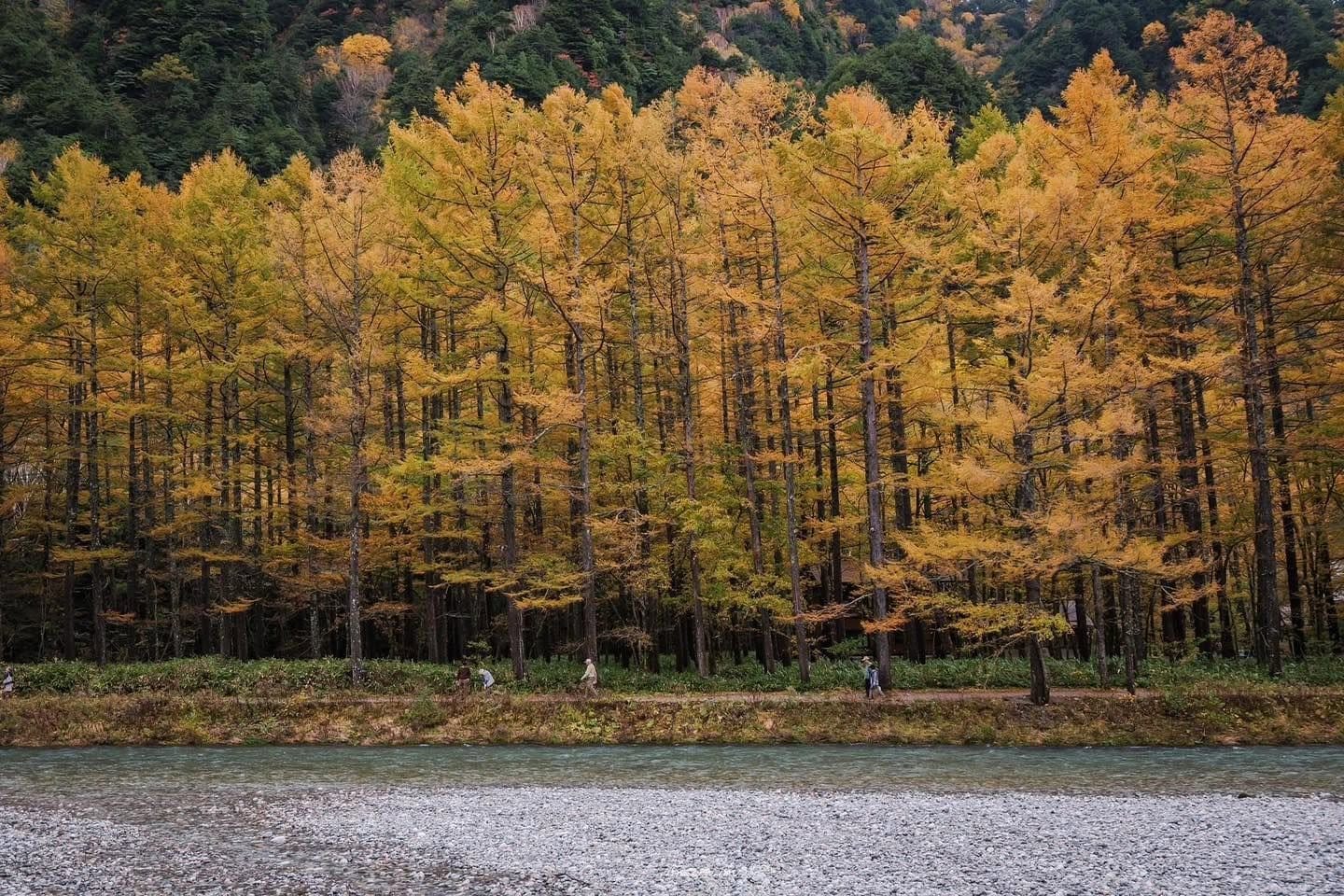
That means that when you attend the Doburoku Festival in mid-October, you are arriving at the very beginning of the foliage season: the village is still green with touches of pale yellow, but when you look up, the mountain slopes are already mottled with color. It is actually an excellent time to visit—you get both the festival and the opening stage of autumn, without running into the peak crowds of early November.
To see more impressive foliage on the same trip, consider adding two routes: Amou Pass (Amou-toge) west of the village, and the Hakusan Shirakawa-go White Road mountain route connecting to Ishikawa. Both climb higher, so the leaves change earlier than in the village below. Keep in mind that mountain roads in this region may close seasonally, due to weather, or because of landslides, and they usually charge a toll for cars—check road conditions before you travel.
From the Shiroyama Observation Deck (Ogimachi Castle Ruins), you can clearly see these layers: the village at the bottom of the valley, harvested fields the color of straw, and the mountain ring behind them beginning to change. On mid-October mornings, mist often drifts over the Shokawa River here. If you are willing to get up early, it is the most rewarding view of the trip.
Finding somewhere to stay: the hardest part of the trip
To be frank, this is why many people miss the festival. Three factors come together—the festival’s fixed dates, the beginning of the foliage season, and the village’s very limited accommodation—and make rooms in Ogimachi some of the hardest in Japan to book during this period.
Gassho houses in the village: unbelievably few rooms
Gassho-style minshuku in Ogimachi generally accept only a very small number of guests. Rooms are Japanese-style and divided by paper screens, with dinner and breakfast prepared at home; many families even serve meals around an irori hearth. It is the most worthwhile accommodation experience in Shirakawa-go—and also the first to sell out.
Booking tips:
- Start looking for a room for mid-October around half a year in advance; do not wait until August–September. Many homes open reservations on fixed dates (for example, exactly a few months ahead), so you need to watch the booking window.
- Many homes are not listed on international booking websites and accept reservations only through the village tourist information center or by telephone in Japanese. If you live in Japan and speak basic Japanese, this is a major advantage.
- Quite a few homes do not accept solo travelers, and most require guests to book dinner as well.
- Cancellations close to the date incur heavy fees and may get you remembered—not in a good way. It is a small village, and the guesthouse owners all know one another.
If you ask whether you absolutely have to stay in the village: no, you do not. But if you can, it is well worth it, because Ogimachi’s two most beautiful moments—the morning mist and the evening after the last bus leaves—are reserved for people who stay overnight.
Alternative options worth considering
- Hirase Onsen, still within Shirakawa village, around 20–30 minutes south of Ogimachi by car. It has hot springs, fewer visitors, and is convenient if you also want to see the festival that opens the season in late September.
- Takayama, around 50 minutes to 1 hour by bus. It has hotels at every price point, a beautiful old town, and is easy to combine into a 3-day trip.
- Kanazawa, around 1 hour 15–30 minutes by bus. A good choice if you are arriving via the Hokuriku Shinkansen.
- The Nanto area (Toyama)—Johana, Inami, or Gokayama itself. Few Vietnamese travelers think of approaching from this direction, so rooms are often easier to find, and you can stay close to the remaining heritage sites.
Most buses running the Takayama–Shirakawa-go–Kanazawa/Toyama route are reservation-only buses, and during the foliage season they genuinely sell out. Book your bus tickets at the same time as your accommodation; do not wait until you arrive.
Visiting Gokayama: a quieter version of the same heritage
Gokayama lies in Toyama Prefecture, around 30–40 minutes from Shirakawa-go by car, and is part of the same World Heritage area of gassho-zukuri houses. Its two main villages are Ainokura and Suganuma—much smaller than Ogimachi, with almost none of its noisy commercial activity. In the late afternoon, you may be able to walk through the village without seeing anyone.
If Ogimachi is a “photograph,” Gokayama is “where people still live.” The houses are lower and the settlements more scattered. Historically, this area belonged to the Kaga domain, and residents produced gunpowder (enshō) and handmade washi paper, with a different system of communal labor from Shirakawa.
As far as festivals are concerned, do not get them mixed up: Gokayama does not hold a Doburoku festival in the Shirakawa style. Its signature festival is Kokiriko Matsuri at Hakusan-gu Shrine in Kaminashi village, usually held on 25 and 26 September. It features the kokiriko dance and the ancient bamboo instrument known as the sasara, and is considered one of Japan’s oldest folk traditions. If your schedule is flexible, combining late September in Gokayama with the opening festival in Hirase makes for a very local-feeling combination. If you are traveling in mid-October, simply treat Gokayama as a quiet half-day to recover from the bustle of Ogimachi. Commercial bottled doburoku-style products are also sold at some shops in the area, but these are retail products, different from the sacred wine poured in the shrine grounds.
Suggested 2-day, 1-night itinerary around the festival
Day 1. Take a morning bus from Takayama or Kanazawa and arrive in Ogimachi around late morning. Leave your luggage at your accommodation, have lunch (soba or hoba-miso grilled on a magnolia leaf), then go up to the Shiroyama Observation Deck by shuttle or on foot, a steep walk of about 20 minutes. Return to Shirakawa Hachiman Shrine in the early afternoon to watch the procession and lion dance. Stay in the shrine grounds toward evening, receive a cup of doburoku, and listen to the singing. Have dinner at your minshuku around the irori hearth.
Day 2. Get up early and walk through the village before the visitors arrive, watching the mist over the fields. After breakfast, take a bus or drive to Gokayama, walk around Ainokura for about an hour, then continue toward Kanazawa/Toyama or return to Takayama. If you have time and the road is open, take the mountain route back to see the higher-elevation foliage.
What to pack for mid-October in a mountain valley
The daytime weather is comfortable, usually below 20 degrees, but it gets cold quickly in the early morning and after the sun disappears behind the mountains—the difference between day and night is very noticeable here. Bring a windbreaker or thick fleece, a thin thermal base layer, and comfortable walking shoes, as the village roads are gravelly, earthen, and steep.
A few other small but useful items: a folding umbrella (the weather here is changeable), a power bank, cash (some local homes and small stalls do not accept cards), and a thin scarf. If you plan to drink, eat something first—doburoku takes effect very quickly on an empty stomach.
Frequently asked questions
Does the Doburoku Festival charge admission?
The festival itself is a shrine ceremony, with no admission ticket, and the wine served in the shrine grounds is generally free for people attending the ceremony. You only pay for transportation, food, accommodation, and parking if you drive. Facilities such as the festival museum charge separate admission fees, so check the official website.
Are the festival dates fixed every year?
The schedules for the main shrines in mid-October (14–15, 16–17, 18–19) are very consistent from year to year and are not moved to the weekend. However, the timing of individual ceremonies may change, and in unusual circumstances—such as extreme weather or public-health reasons—some parts may be shortened. Check announcements from Shirakawa village before finalizing your tickets.
Can children and people who do not drink alcohol attend?
Absolutely. The portable-shrine procession, gagaku music, and lion dance are the best parts and have nothing to do with alcohol. Children from the village also take part in the procession. Just be aware that the shrine grounds become crowded with adults drinking later in the afternoon.
Which shrine should I visit if I only have one day?
For the largest scale and easiest access: Shirakawa Hachiman in Ogimachi, on 14 or 15. For a quieter, more intimate experience: Hatogaya (16–17) or Iijima (18–19).
Can I make a day trip from Takayama or Kanazawa?
Yes, but you will have to catch a bus back in the late afternoon, which means missing the best part—the evening, when the shrine courtyard lights come on and the villagers begin singing. If you must return the same day, choose the latest available departure and carefully check the final bus time.
Can I buy doburoku to take home?
The wine poured at the festival is sacred wine for on-site consumption and is not sold to take away. If you want to buy a souvenir, look for commercial doburoku-flavored products or licensed locally produced alcohol sold at souvenir shops in the area—and remember to check baggage regulations if you are flying home.
When is the best time to see the autumn colors in Shirakawa-go?
The higher mountain slopes are usually at their best from late October to early November; the trees around the gassho village turn later, from early to mid-November. Mid-October is the beginning of the season—beautiful in a gentle way, with the festival as an added bonus.
What can I do if I book too late to stay in the village?
There are still options. Try Hirase Onsen in the same village, or expand your search to Takayama, Kanazawa, and the Nanto/Gokayama area in Toyama. Many people search only around Ogimachi and give up, while the Toyama side is often easier and still allows you to reach the shrine from early afternoon.
More from this region — Chubu (Nagano, Kanazawa)
View all →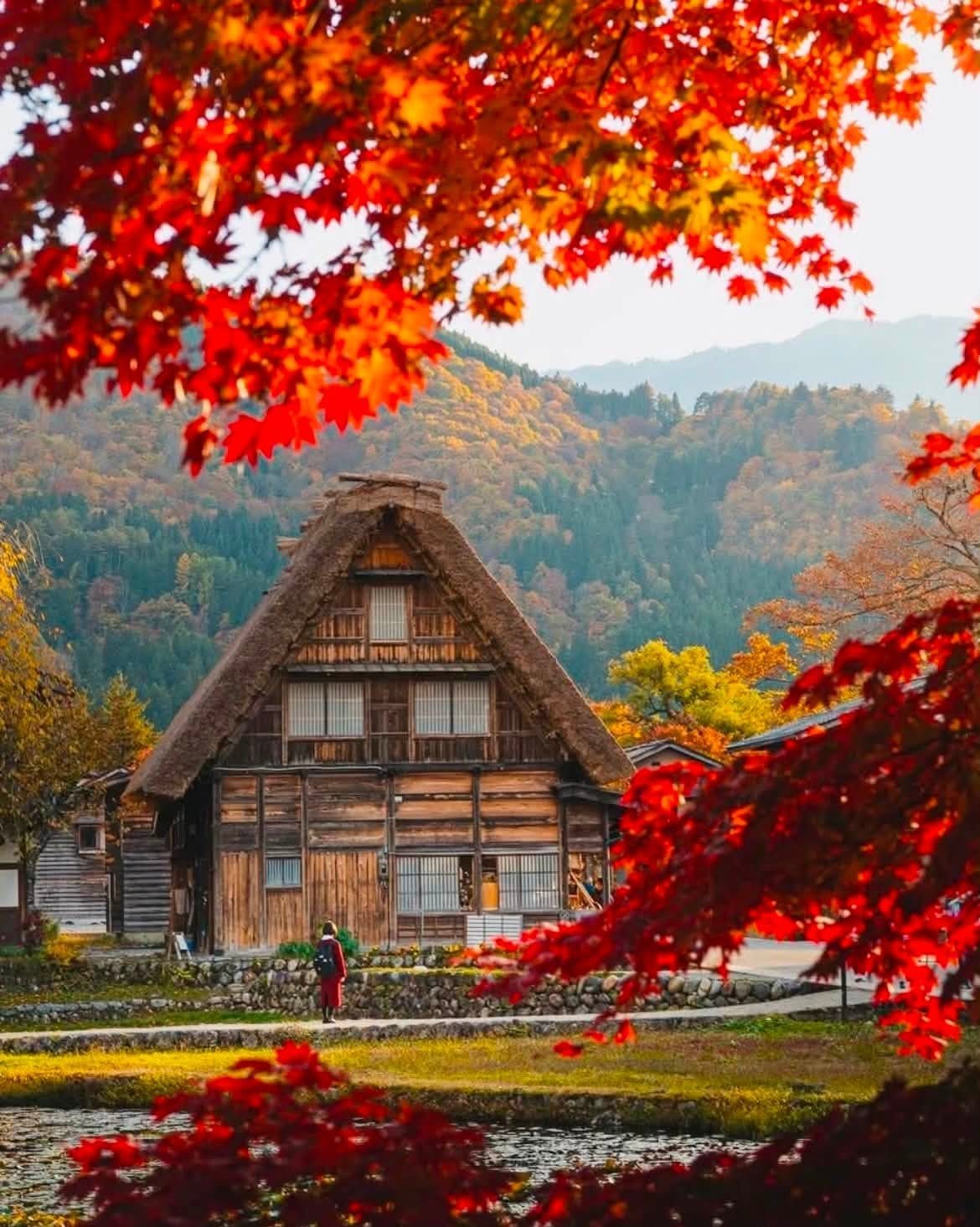
Shirakawa-go in late fall: how the leaves change week by week and when to book
17 min · tips
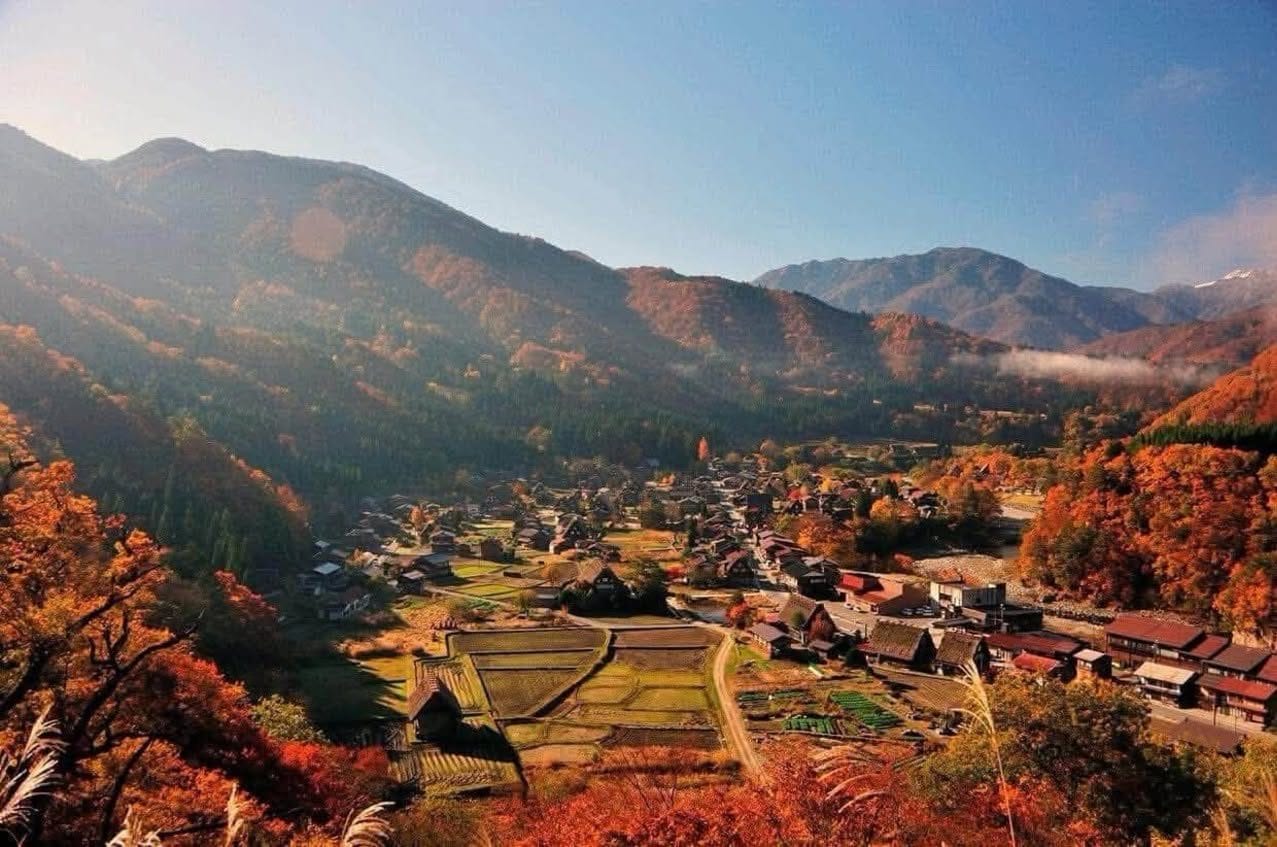
A Fall Day in Shirakawa-go: An Hour-by-Hour Itinerary for Day-Trippers
17 min · tips
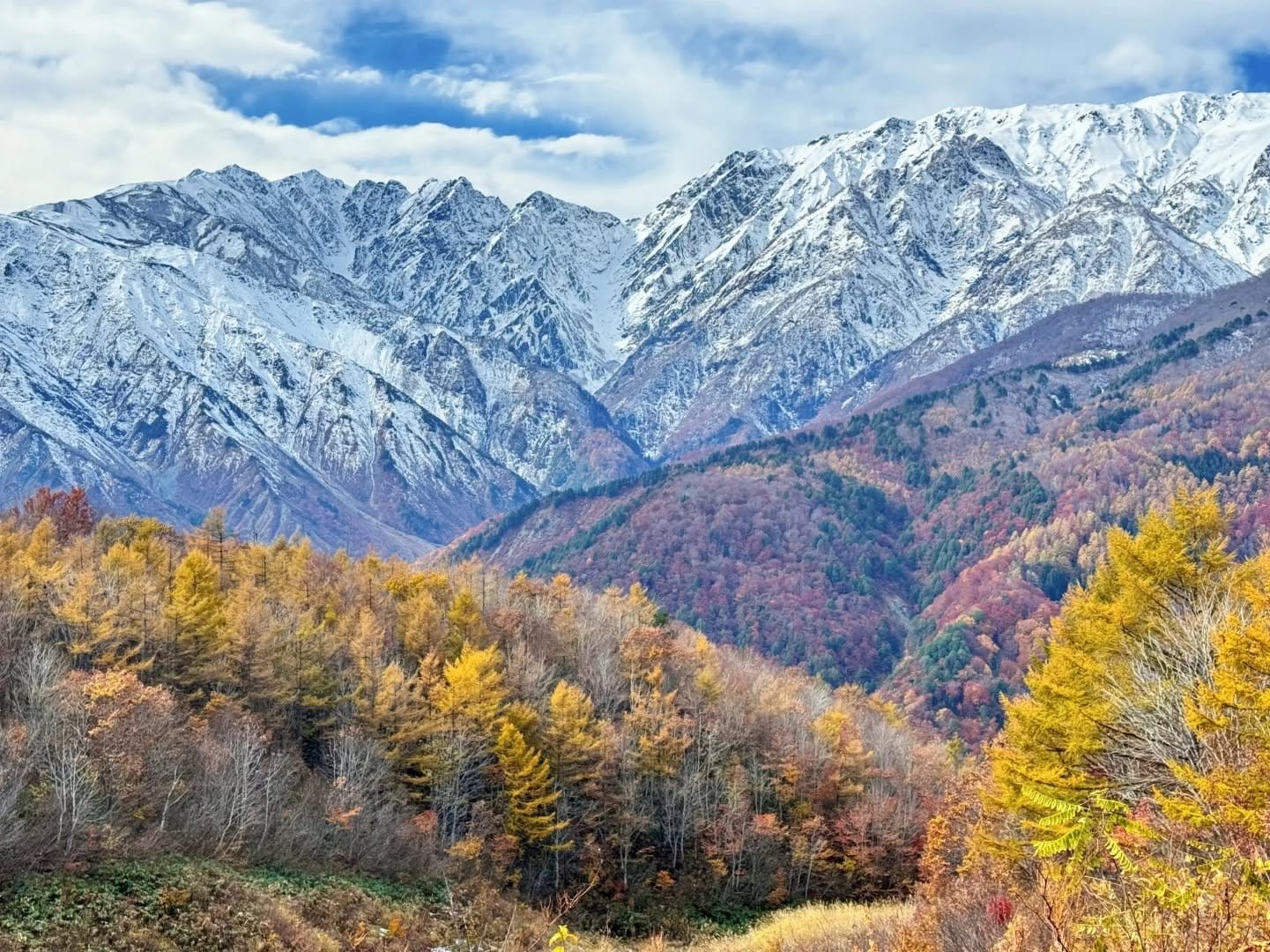
Shirakawa-go in the Fall Foliage Season: The Best Times to Avoid Tour Groups and the Real Costs
18 min · tips
Autumn Onsen Around Shirakawa-go: Soak in the Village, Visit Hirase, and Stay in a Ryokan on the Way Back
17 min · tips