Autumn Onsen Around Shirakawa-go: Soak in the Village, Visit Hirase, and Stay in a Ryokan on the Way Back
Steaming hot water amid golden-leafed valleys: open-air baths overlooking the Shogawa River, mineral springs in Gokayama, and ryokan nights on the way to Kanazawa.
Aug 12, 2026·✍️ olablog·⏱ 17 min read
Steaming hot water amid golden-leafed valleys: open-air baths overlooking the Shogawa River, mineral springs in Gokayama, and ryokan nights on the way to Kanazawa.
Tap a region to browse articles
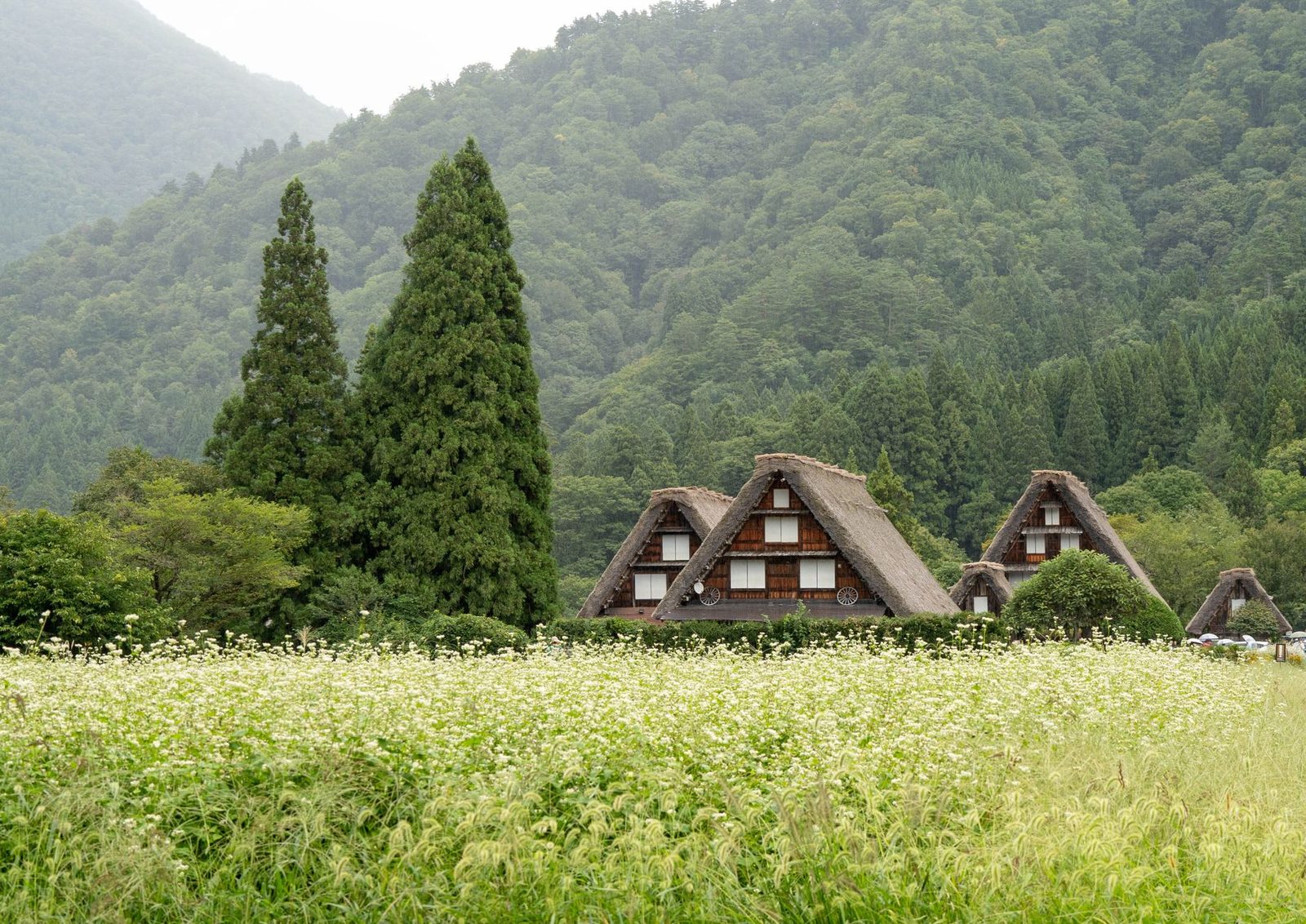
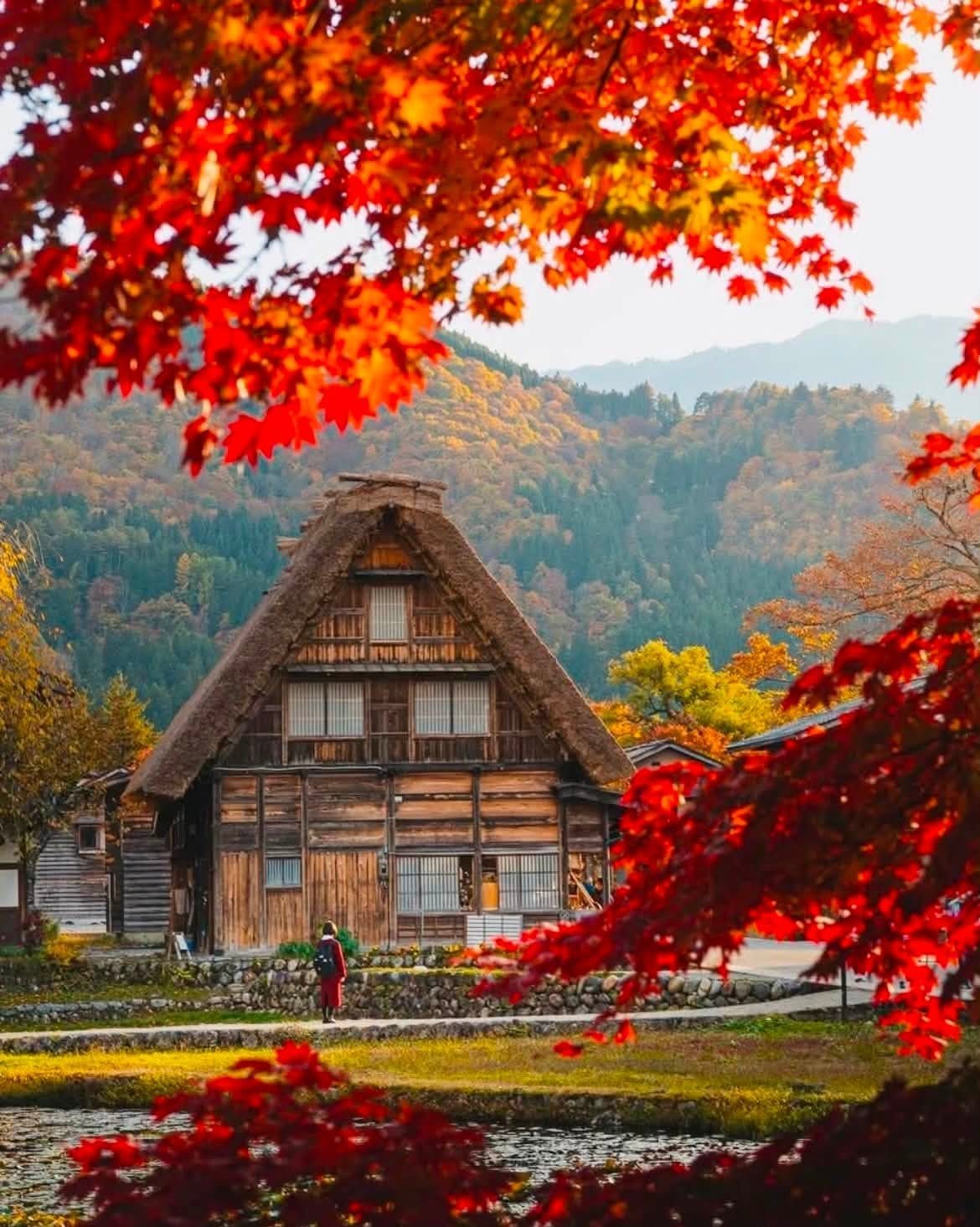
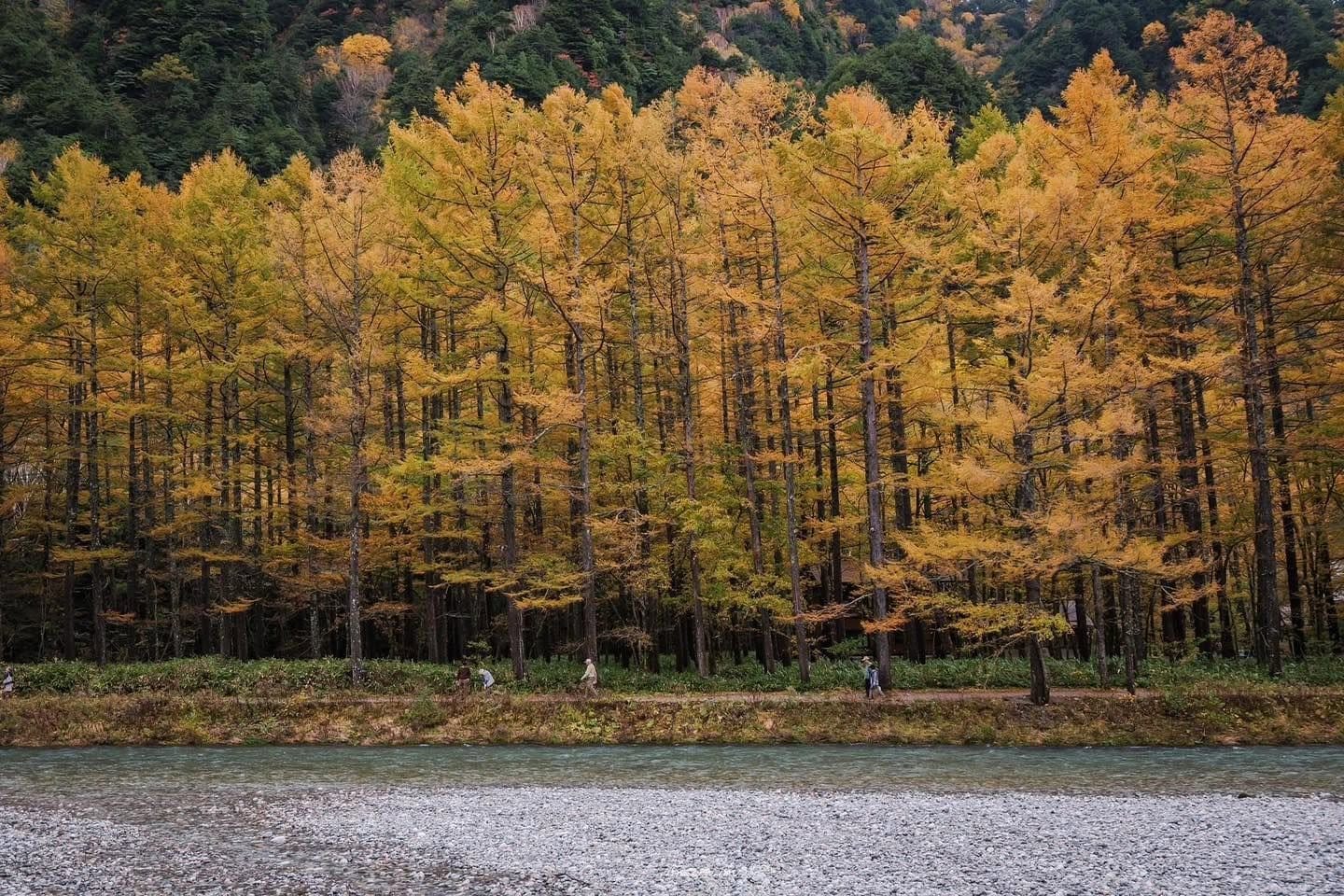
November mornings in Shirakawa-go are much colder than you might expect. The valley is squeezed between two mountain ranges, mist rises from the Shogawa River and blankets the thatched roofs, and temperatures at seven in the morning can hover around just a few degrees while Nagoya and Kanazawa are still at fifteen or sixteen degrees. I once stood at the Shiroyama Observatory in a light jacket, shaking uncontrollably and thinking, “It’s beautiful, but it’s so cold”—and that was when I realized what 90% of visitors to Shirakawa-go miss: there’s a hot-spring bath right below the village, within walking distance, and soaking in it while looking out at the golden-red mountains is the perfect way to end a morning of autumn foliage viewing.
Here’s how it usually goes. Almost every Shirakawa-go itinerary is designed as a quick stop: a bus from Takayama or Kanazawa drops you off at ten, and you have three hours to walk through Ogimachi, climb to the observatory, photograph the gassho-zukuri houses, eat a bowl of soba, and get back on the bus. Three hours is enough to see the village, but not enough to truly experience it. And in autumn, this valley is more worth staying in than at any time except the snowy season—the village is quieter than during the winter illumination, the maple and ginkgo trees change color at the same time as the mountain slopes behind them, and the crisp, dry air makes hot water feel like the most luxurious natural amenity of all.
This article focuses specifically on that side of the region: hot springs around Shirakawa-go and Gokayama in autumn. From the closest option—Shirakawa-go no Yu, right in the village—to Hirase Onsen, about ten minutes away by car; seasonal mountain open-air baths; and ryokan with onsen conveniently located along the routes you’ll take toward Takayama or Kanazawa. I’ll also cover prices, opening hours, and the biggest trap anyone bathing in Shirakawa-go can fall into: the last bus.
Autumn foliage here changes with elevation
Before choosing where to soak, you need to know that autumn does not arrive everywhere in this region at the same time. Ogimachi sits at an elevation of around five hundred meters, while the higher hot-spring areas—the Ōshirakawa Lake area and the mountain route toward Hakusan—rise above one thousand meters. That difference can mean an entire month.
In simple terms, the foliage at higher elevations is usually at its best from around mid- to late October, while the village and the area along the Shogawa River are generally brightest from late October into around mid-November. Gokayama, which lies at a lower elevation and farther toward Toyama, follows a similar schedule to the village. These are only general guidelines for a typical year—when warm weather lingers, the colors can arrive a week to ten days late, so about a week before your trip, check the koyo (紅葉情報) forecasts on Japanese weather websites before finalizing your plans.
This directly affects your choice of onsen: if you visit in mid-October, the high-elevation baths should be near their peak and still open; if you visit in November, mountain roads may already be closed for winter, so you should focus on facilities in the valley. Don’t plan on using a mountain open-air bath in late November—you’ll likely arrive to find a road barrier across the entrance.
Shirakawa-go no Yu: soak in hot water right in the village
This is the most convenient option and the main reason I recommend staying in the village for an extra half day. Shirakawa-go no Yu is right in the Ogimachi area, beside the Shogawa River, and only takes about five to ten minutes on foot from the central bus terminal. There’s no need to rent a car, change routes, or do much advance planning.
An open-air bath overlooking the river and mountainside
The main attraction is the rotenburo—the open-air bath—which faces the river. Sit there on a late-autumn afternoon and you’ll hear the water flowing below, see steam rising into the cold air as a thin veil, and look up at mountain walls flecked with yellow, orange, and red. It isn’t as dramatic as Okuhida or Hakone, but it has a wonderfully comfortable sense of place: you’ve just stepped out of a three-hundred-year-old thatched-roof village and are now soaking in the very valley that surrounds it.
The facility also has indoor baths and a fully equipped shower area. Next door, there is accommodation in a simple guesthouse style if you want to spend the night right in the village—an option worth considering, because Shirakawa-go at six in the morning and Shirakawa-go at eleven at midday are two completely different places. Early in the morning, before the tour buses arrive, the village feels as though it belongs almost entirely to you and the mist.
Admission and opening hours: what to know in advance
Day-use bathing here falls within the standard range for local onsen facilities, at roughly around seven hundred to one thousand yen for adults, with lower prices for children. Towels are not usually included—there are towels for sale and rent at the counter, but carrying a quick-drying towel in your backpack is more compact and affordable.
As for hours, the facility generally opens fairly early and closes in the evening, with regular weekly closing days as well as temporary closures for maintenance. I’m deliberately not listing exact figures here, because this is exactly the kind of information that changes with the season and from year to year—before you go, check the official website or the Shirakawa-go tourism information site to confirm opening hours and closing days. During peak foliage season, weekend afternoons are the busiest; for a more relaxed visit, aim for mid-morning or after four in the afternoon.
The trap called “the last bus”
This is the most important point in the entire article, so I’ll be direct: intercity buses from Shirakawa-go to Takayama, Kanazawa, or Nagoya finish earlier than you might think, usually in the late afternoon rather than at night. Many people lose track of time while bathing, step outside to find that it’s already dark, and discover an empty bus terminal.
So if you’re visiting for the day and not staying overnight, do the opposite of what you might normally do: schedule your bath before the day becomes rushed, ideally in the early afternoon, and always leave at least forty-five minutes of buffer time before your bus departs. Also, buses on the Takayama – Shirakawa-go – Kanazawa route sell out easily during the busy season, so reserve both directions in advance. Having to run to the bus terminal after a hot bath will erase all the relaxation you just gained.
Hirase Onsen: ten minutes south by car, with completely different water
Drive south from Shirakawa-go along the national highway beside the Shogawa River for about ten to fifteen minutes and you’ll reach Hirase—a small settlement within Shirakawa Village with its own water source and a completely different atmosphere. There are no tour groups or souvenir shops here, just a few ryokan, a public bath, and mountains.
Hirase’s public bath
The day-use facility in this area, commonly known as Shiramizu no Yu, is a well-maintained local bathhouse: spacious and clean, with both indoor and outdoor baths overlooking the forest, plus a rest area where you can stretch out after bathing. The water around Hirase is mineral-rich; in some places it has a pale yellow-brown tint and a slightly salty, astringent taste. It retains heat extremely well, so even after you leave and spend an hour outside in the cold, you can still feel warm.
Admission is usually cheaper than at facilities in the main tourist area, somewhere around six to seven hundred yen, and there is a weekly closing day—another detail you should check on the official website before driving out, because arriving after all that only to find a sign saying “closed today” can waste an entire afternoon.
The only drawback is that there is no convenient tourist bus linking the village and Hirase for an easy day trip. In practice, this is an option for people driving themselves or for those staying in the area and asking their accommodation for directions. If you’re traveling by intercity bus without a car, sticking with Shirakawa-go no Yu is the most sensible choice.
A mountain open-air bath—for the right season only
From Hirase, a mountain road leads deep toward Ōshirakawa Lake, at the foot of the Hakusan range. Along the way is a very rustic open-air bath with milky-blue water, set in the forest near an emerald-colored lake. In autumn, around mid- to late October, this area offers some of the most beautiful foliage in the entire region—scenery that the overwhelming majority of visitors never see because they stop at the village.
But this is where you need to be careful: the road is narrow and winding, opens only seasonally, and closes early once snow arrives. The bath itself also operates only during a limited period each year, has minimal facilities, and may stop accepting visitors at any time because of the weather. Don’t put it on your itinerary as a guaranteed stop—treat it as a bonus, and be sure to check the road conditions and opening schedule with the local tourist information center on the day you plan to go.
Staying overnight in Hirase
A few small ryokan in Hirase offer a classic experience: salt-grilled river fish, Hida beef, autumn mountain mushrooms, and pickled wild vegetables for dinner; evenings so quiet that you can clearly hear the stream. Prices are often more reasonable than those of ryokan of a similar standard in Takayama or Kanazawa, and you get something that money has trouble buying during peak season: a morning in Shirakawa-go before the first bus arrives.
Gokayama: in the opposite direction, and much quieter
Drive about half an hour north of Shirakawa-go and you’ll cross into Toyama Prefecture, home to the smaller thatched-roof villages of Ainokura and Suganuma. They are listed as World Heritage Sites alongside Ogimachi but are many times quieter. If Shirakawa-go feels too crowded, Gokayama is the answer.
This area also has hot springs. The most notable is a day-use facility overlooking a lake on the Shogawa River—soaking while looking down at the still water reflecting the entire mountainside in autumn colors is the kind of scene that makes you forget how long you planned to stay. There is also a public accommodation facility near Ainokura with a hot-spring bath that accepts day visitors during certain hours.
Both are medium-sized local facilities: admission is inexpensive, but each has its own opening hours and closing days, so you still need to check in advance. In terms of transportation, buses connect Shirakawa-go with Gokayama and continue toward Johana and Takaoka, but services are infrequent—if you’re not driving, you’ll need to study the bus schedule carefully and accept a slower pace. In return, an autumn afternoon in Ainokura, with its thatched roofs, harvested rice terraces, and almost no one stepping into your photographs, is a rare experience in Japan today.
Ryokan with onsen on the route to Takayama
If Takayama is your next stop, there are several options depending on how far out of your way you want to go.
A stop along the way
Between Shirakawa-go and Takayama, the expressway passes through the Shokawa area—a high-elevation region where the leaves change early, with a hot-spring facility near an interchange for travelers. This is an option for self-drivers who want to rest their legs midway without making a major detour. If you’re taking an intercity bus, skip it, as the bus won’t stop for long enough.
Staying in Takayama
Takayama’s historic district itself has several hotels and ryokan that use mineral spring water, most of them around the station or on the edge of the old town. The water may not be the region’s greatest strength, but you get the complete package: an early-morning market along the Miyagawa River, an afternoon wandering through Sanmachi, and a hot bath followed by Hida beef in the evening. For travelers using public transportation, this is the best-balanced option.
Go another hour: the Okuhida area
If you have an extra night and want a truly satisfying onsen experience, continue east from Takayama for about an hour by bus to the Okuhida cluster—Hirayu, Fukuji, Shin-Hirayu, and Shinhotaka. This is Gifu Prefecture’s heavyweight hot-spring country: countless ryokan with open-air baths in the forest, many with water flowing directly from the source, and an entire valley that turns brilliant in autumn. Near Shinhotaka, there is also a two-level ropeway climbing to nearly three thousand meters—foliage there reaches its peak very early, often right at the beginning of October.
When booking a ryokan during foliage season, reserve early and look for these keywords: kashikiri-buro (a private bath rented by the hour, especially useful if you have tattoos or are traveling with young children) and rotenburo tsuki kyaku-shitsu (a room with its own open-air bath, more expensive but worthwhile if you prefer not to bathe communally).
Ryokan with onsen on the route to Kanazawa
The route in the opposite direction offers equally good options.
The mountain road to Hakusan (for drivers only)
A toll road crosses the mountains from the Shirakawa-go area toward Ishikawa Prefecture, running along the slopes of the Hakusan range. In autumn, it is one of the finest foliage-viewing routes in central Japan, with waterfalls and scenic viewpoints along the way. Several important notes: the road has a toll (the fee for a standard passenger car is usually more than one thousand yen; check the official website for the current figure), it is open only seasonally and usually closes around early to mid-November when snow arrives, motorcycles are not allowed, and it closes at night, so you need to time your arrival at the gate. On the Ishikawa side, the area around Chugu and Shiramine has small hot-spring ryokan, making it a convenient overnight stop before continuing down to Kanazawa the next day.
Yuwaku Onsen: Kanazawa’s own hot spring
If you’re not driving, the simplest option is to go straight to Kanazawa and then take a local bus for about forty-five minutes up to Yuwaku—a small hot-spring settlement in a valley on the edge of the city. It has several long-established ryokan, a public bath, wonderfully poetic autumn scenery, and a feeling of complete separation from the city even though it is still part of Kanazawa. Spending one night in Yuwaku and then heading down to Kenroku-en early the next morning, right when it opens, is one of my favorite ways to plan an autumn trip around Hokuriku.
Go farther: the Kaga area
Have one more night? Take a train south from Kanazawa to the Kaga Onsen area, home to Yamanaka, Yamashiro, and Katayamazu. Yamanaka in particular has the Kakusenkei Gorge, with a streamside trail stretching for about one kilometer—by late November, the autumn leaves here are so vivid that they are worth reshuffling an entire day of your itinerary for.
Easily overlooked details
- Cash. Not every small mountain bathing facility accepts cards. Always keep a few thousand yen in cash on hand.
- Towels. Most places do not provide towels for free. Bring one small towel for washing and one large towel for drying off.
- Tattoos. Many local facilities still refuse entry to guests with tattoos. If yours is small, a cover-up patch bought at a drugstore is often enough; if it is large, choose a ryokan with a private bath for peace of mind.
- Basic rules. Wash thoroughly at the shower before entering the bath, do not put your towel in the water, do not bring your phone into the bathing area, do not swim, and keep quiet. Men and women bathe separately, and bathing is completely nude.
- Temperature differences. The autumn air in this region is cold and dry, and soaking in hot water causes you to lose fluids quickly. Drink water before and after bathing, don’t soak continuously for too long, and never bathe immediately after drinking alcohol.
- Parking. If you’re driving, tourist buses are not allowed inside Ogimachi village—you’ll park in the lot across the river and walk over the suspension bridge. In peak season, arrive early; the lot fills up quickly.
A few tried-and-tested itineraries
One day, no overnight stay: take an early bus to Shirakawa-go, walk through the village and climb to the observatory in the morning, have lunch, bathe at Shirakawa-go no Yu in the early afternoon, and return to the terminal at least forty-five minutes before the last bus. It’s simple, requires no private vehicle, and still gives you time for a proper soak.
Two days and one night, no driving: spend the first day in Shirakawa-go and stay in or near the village, bathing in the evening. The next morning, get up early to see the mist before the tour groups arrive, then take a bus to Takayama or Kanazawa at midday and stay at a ryokan with onsen that night (Okuhida if you’re heading to Takayama, Yuwaku if you’re heading to Kanazawa).
Two to three days, self-driving: Takayama → Shirakawa-go → Hirase (bathe and stay overnight) → head up to the mountain lake area the next morning if the road is still open → Gokayama in the afternoon → cross the mountain road into Ishikawa or return via the national highway to Kanazawa. This option lets you experience the greatest variety of hot-spring waters, but it is only practical around October, while the seasonal routes are still operating.
Frequently asked questions
Can I fit in an onsen visit on a day trip to Shirakawa-go?
Yes, if you choose Shirakawa-go no Yu in the village and bathe in the early afternoon. Other options such as Hirase or Gokayama generally require a private vehicle or an overnight stay, because buses in the area are fairly infrequent. The key is keeping track of the final intercity bus, which ends much earlier than many people expect.
How much does day-use bathing around Shirakawa-go cost?
Facilities in the region fall within the standard range for local onsen, generally from around six hundred to roughly one thousand yen for adults, with lower prices for children. Ryokan that allow non-guests to bathe may charge more. Since fees and weekly closing days vary by facility and from year to year, check the official website or the village tourism information site before you go.
What is the best time to visit in autumn?
If you’re prioritizing foliage in the village and along the river, aim for late October through mid-November. If you also want high-mountain scenery and open-air baths along the mountain roads, go earlier, around mid- to late October, because seasonal routes usually close once the snow arrives. Always check the foliage forecast about a week before your trip.
Should I stay in the village rather than in Takayama or Kanazawa?
If you can find a room, absolutely—at least once. The greatest value is not the room itself but the period between the departure of the last bus and the arrival of the first bus the next day, when Shirakawa-go becomes almost completely quiet. The downside is that there are very few rooms, and during peak season you need to book several months ahead.
Where can I bathe if I have tattoos?
The safest choice is a ryokan with a private bath that can be rented by the hour (kashikiri) or a room with its own bath. For small tattoos, cover-up patches sold at drugstores are often accepted, but policies vary by facility, so asking at the front desk in advance is still the least awkward approach.
Is Gokayama worth an extra half day?
Yes, if you’re driving yourself or are comfortable with the sparse bus schedule in the mountain region. Ainokura and Suganuma are smaller than Ogimachi but much quieter, and they have hot springs overlooking a lake where you can end the afternoon. If you only have one day for the entire area, focus on Shirakawa-go and save Gokayama for another trip.