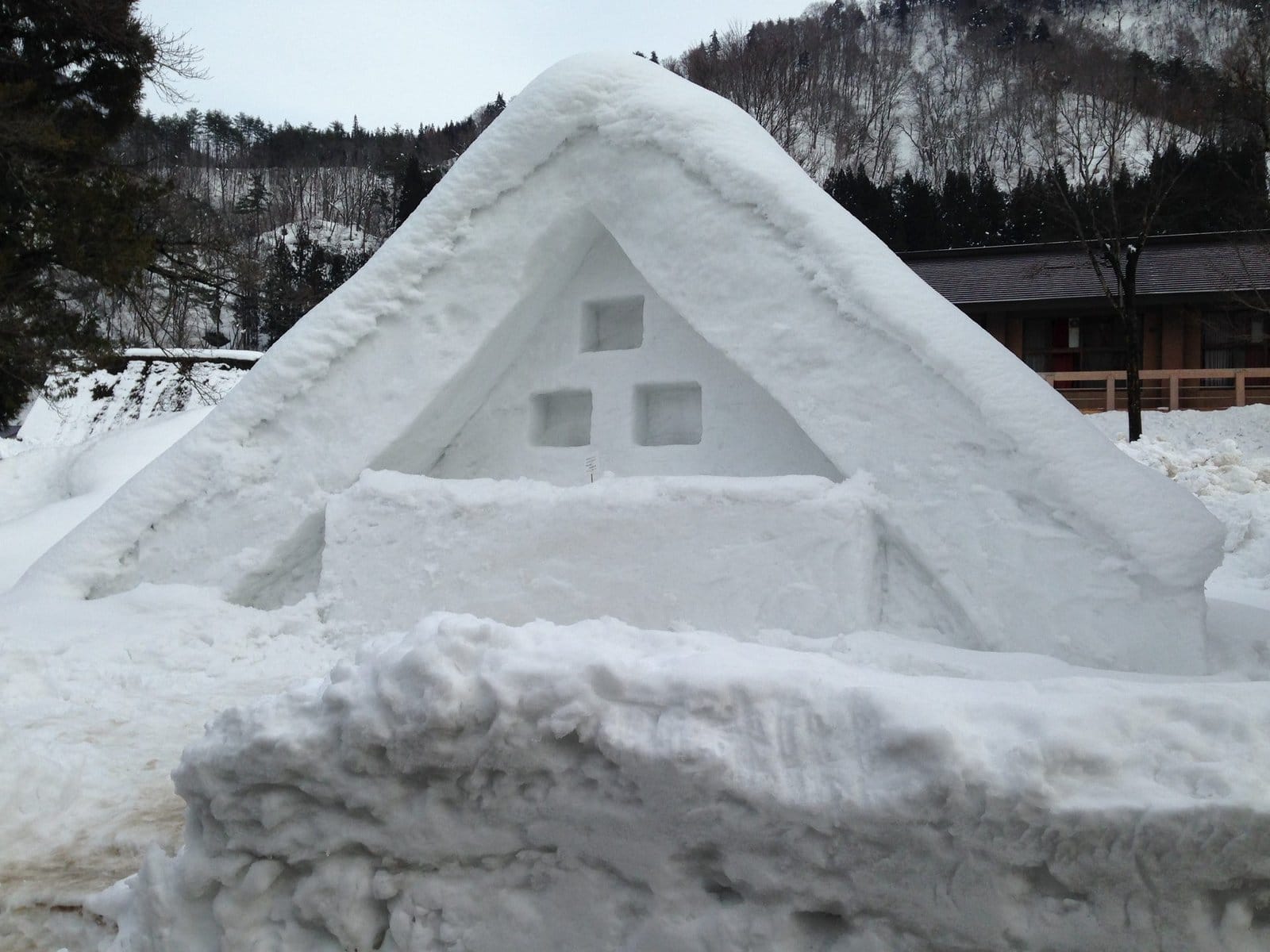
Shirakawa-go in Winter – A Snow-Covered Village at the Foot of the Japanese Alps
Your complete guide to Shirakawa-go, Gifu: the best time to visit, how to get there, top photo spots, and a ready-to-use 1–2 day itinerary for this UNESCO World Heritage winter wonderland.
Mar 13, 2026·✍️ olablog·⏱ 5 min read
Your complete guide to Shirakawa-go, Gifu: the best time to visit, how to get there, top photo spots, and a ready-to-use 1–2 day itinerary for this UNESCO World Heritage winter wonderland.
Tap a region to browse articles
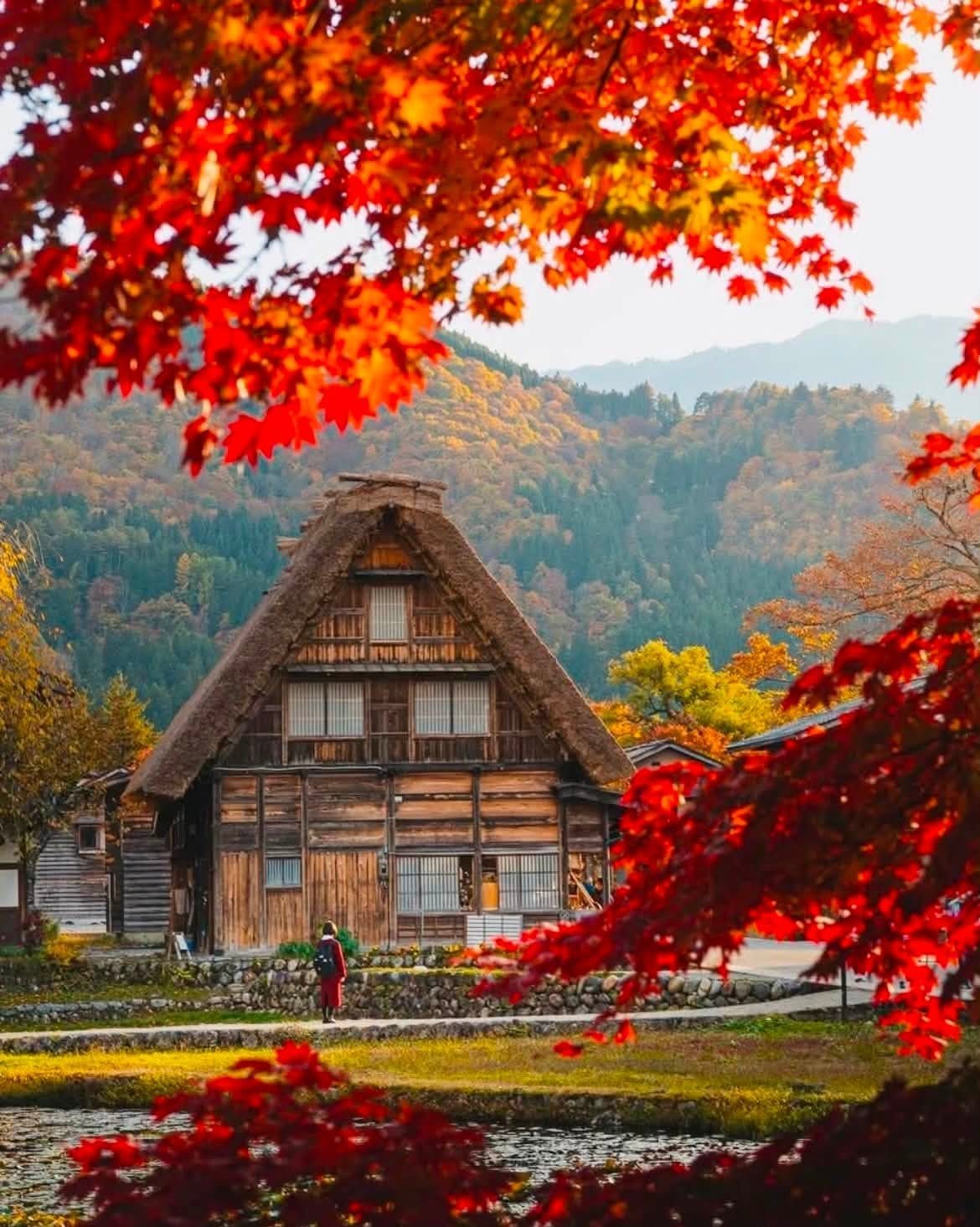
Japan has no shortage of jaw-dropping landscapes, but Shirakawa-go in Gifu Prefecture is something else entirely. This UNESCO World Heritage village — famous for its steep-roofed gassho-zukuri farmhouses — looks like it was lifted straight from a fairy tale, especially when blanketed in snow. Coming here isn't just ticking off a destination; it's stepping inside a living painting.
1. What Makes Shirakawa-go So Special
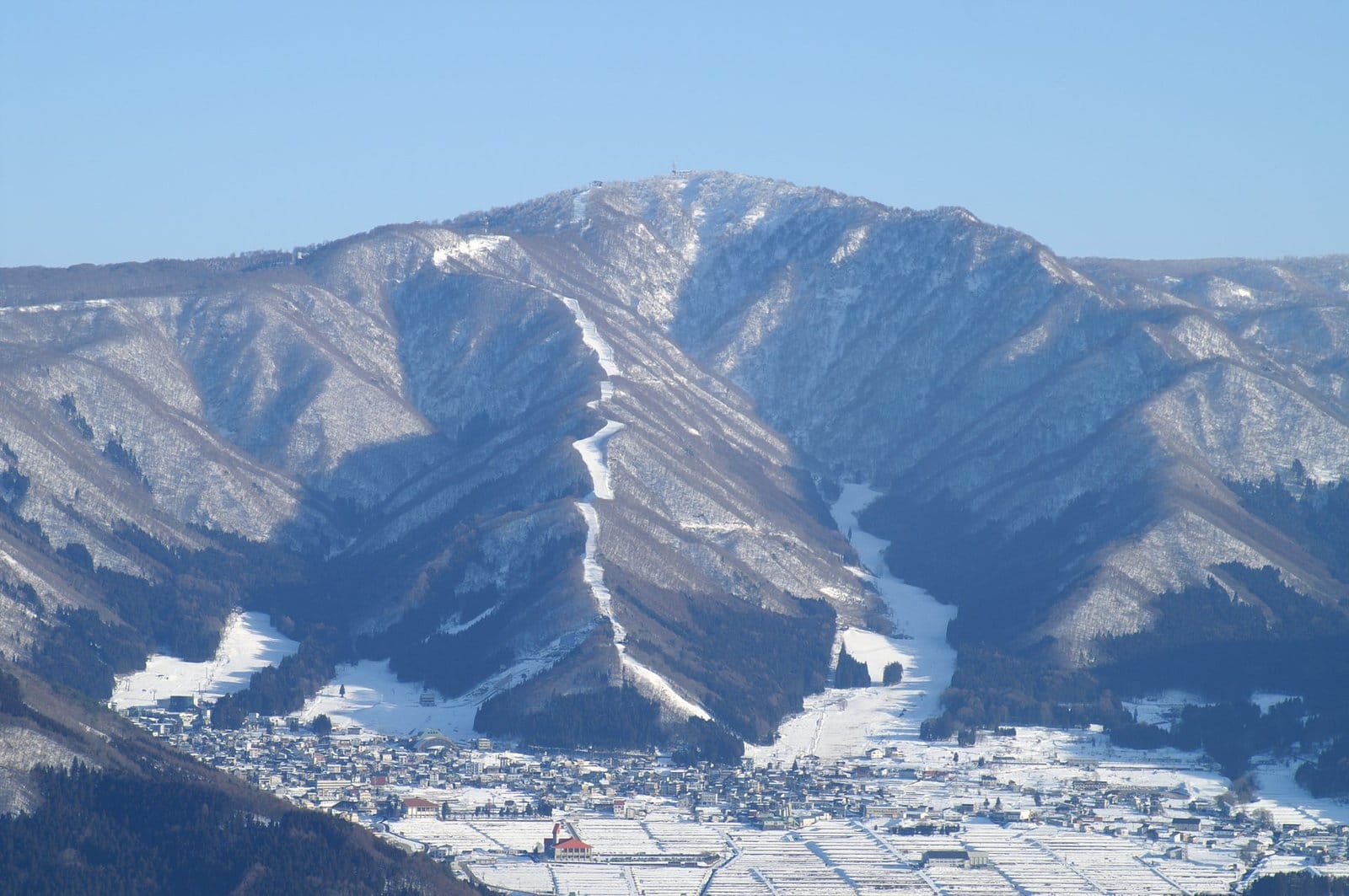
The moment you arrive, it clicks. The valley stretches out like an oil painting — towering Japanese Alps on all sides, thatched roofs dusted white, woodsmoke curling into cold mountain air. The light shifts dramatically throughout the day: golden at sunrise, blue-grey by mid-morning, and a soft rose-pink at dusk. No two hours look the same.
The drive in is part of the experience. Winding mountain roads thread through cedar forests, rice paddies, and river valleys — the kind of scenery that makes you pull over every ten minutes whether you planned to or not. Travelers consistently say the journey to Shirakawa-go feels as rewarding as the destination itself.
2. Top Photo Spots You Can't Miss
The area packs in a surprising number of standout viewpoints — from the classic overlooks that make it onto every travel magazine cover to quieter corners that only regulars know about.
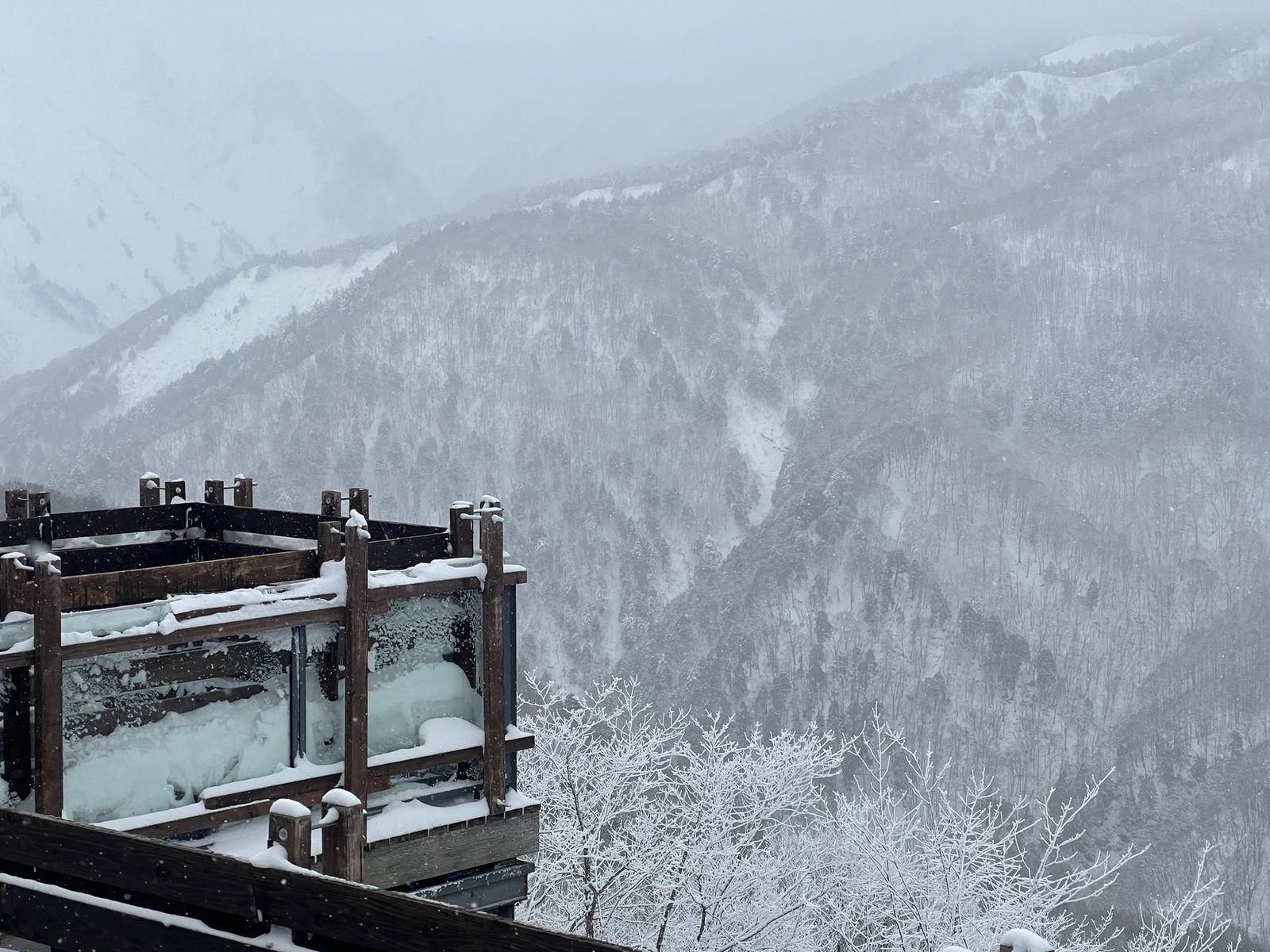
Main Observation Deck (Ogimachi Lookout): A sweeping 180-degree panorama over the entire village. Sunrise and sunset here are genuinely unmissable — arrive early or you'll be fighting for a spot.
Village Lane Lined with Old Trees: Century-old trees arch over the path like a natural tunnel. In winter, snow clings to bare branches for an almost monochrome, cinematic effect.
River Reflection Spot: The Shō River mirrors the farmhouses and Alps above like a still mirror — perfect for symmetrical shots that will stop the scroll on Instagram.
Summit Viewpoint: For the full panoramic sweep across the Gifu valley, hike or drive to the highest accessible point in the area. Worth every step.
3. Best Time to Visit
Every season brings something different to Shirakawa-go, but January and February are the undisputed highlights. Here's why:
- The village is fully snow-covered — those iconic thatched roofs loaded with white are exactly what you came for
- The famous Light-Up events on select winter weekends illuminate the farmhouses after dark (book accommodation months in advance for these)
- Golden hour shooting windows — 6–9 AM and 4–6 PM — deliver perfect natural light with relatively manageable crowds
- Crowd levels are more reasonable than autumn foliage season, though weekends still fill up fast
Spring cherry blossoms and autumn maples are also spectacular if winter isn't your thing — but for that quintessential postcard shot, snow season wins.
4. The Best Way to Explore — Drive It Yourself
Public transport gets you to Shirakawa-go (there are highway buses from Nagoya, Kanazawa, and Takayama), but once you're in the area, a rental car is a game-changer. No scrambling for the last bus, no skipping a viewpoint because the schedule won't allow it, no hauling luggage onto a crowded coach.
Roads around Shirakawa-go are well-maintained and clearly signed. Mountain stretches have proper passing bays and rest stops spaced at sensible intervals — road-tripping here is genuinely pleasant, not hairy. Just account for snow chains or winter tires in the colder months; rental agencies in the region will sort you out.
✨ Pro tip: Book a private car through OlaChill and explore Shirakawa-go entirely on your own schedule — driver-guided or self-drive, your call.
5. Sample 1–2 Day Itinerary
Day 1
- 6:00 AM – Head straight to the Ogimachi Lookout for sunrise. The light on snow-covered rooftops at this hour is something your camera will thank you for.
- 8:00 AM – Breakfast at a local café or guesthouse — look for hida-gyu beef dishes and regional sake (yes, even at breakfast if you're adventurous).
- 9:30 AM – Drive the main scenic loop, stopping at viewpoints as you go. No rushing.
- 12:00 PM – Lunch at a roadside restaurant or rest stop. Many serve soba and hearty mountain hotpot (nabe) — perfect cold-weather fuel.
- 2:00 PM – Explore the side attractions: the historic village lanes, nearby waterfalls, and local craft shops.
- 5:00 PM – Check in to your ryokan or guesthouse. Traditional inn options here are genuinely special.
- 6:30 PM – Soak in the onsen (hot spring bath) if your accommodation has one, then settle in for a multi-course kaiseki dinner.
Day 2
- 7:00 AM – Early breakfast and an early start — beat the tour groups.
- 8:30 AM – Take a quieter back road or a lesser-known trail for photos without the crowds.
- 11:00 AM – Shoot the river reflection spot (best light is mid-morning in winter).
- 1:00 PM – Lunch and a slow wind-down.
- 3:00 PM – Head to your next stop, or begin the return journey.
6. Practical Tips Before You Go
- 📸 Golden hour is non-negotiable: The 30 minutes either side of sunrise and sunset are when Shirakawa-go looks truly magical. Set your alarm.
- 🚗 Book your rental car early: Peak season (January–February) means availability disappears fast. Reserve at least 1–2 weeks ahead.
- ⛽ Fill up before you head into the mountains: Gas stations thin out considerably in Gifu's mountain valleys. Don't assume there'll be one around the next bend.
- 📱 Download offline maps: Save the Gifu area in Google Maps before you leave — cell signal can be patchy on mountain roads.
- 🛒 Stock up at a convenience store: 7-Eleven and FamilyMart are your best friends for snacks, hot drinks, and emergency rain ponchos. Grab supplies before you leave the main highway.
- ☁️ Check the weather forecast seriously: Mountain weather shifts fast. In winter especially, road conditions can change overnight — check the night before and again in the morning.